
 By istorija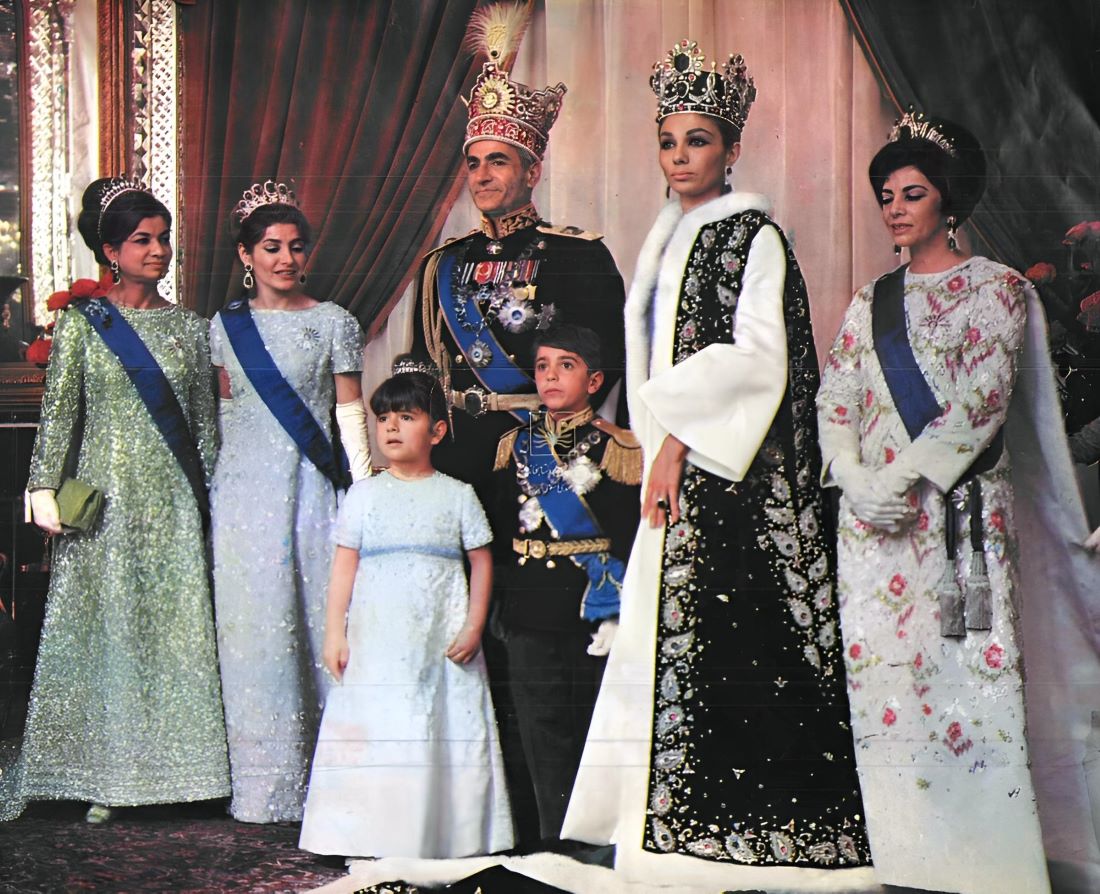
Iran (historically called Persia until 1935) is one of the world’s oldest continuous civilizations, yet its 20th-century history is one of the most dramatic and contradictory transformations of the modern era. In less than a century, the country moved from a weak, semi-colonial Qajar monarchy, through aggressive secular modernization under the Pahlavi dynasty, to a radical theocratic Islamic Republic that positioned itself as a revolutionary power on the global stage.
The Qajar Dynasty (1794–1925): Decline and Foreign Domination
The Qajar period was marked by territorial losses to Russia and Britain, economic concessions to foreign powers, and internal weakness. The Constitutional Revolution (1905–1911) briefly introduced a parliament and constitution, but foreign interventions and internal chaos left the country bankrupt and fragmented. By the early 1920s, Iran was effectively a failed state.
The Pahlavi Era (1925–1979): Authoritarian Modernization and Its Contradictions
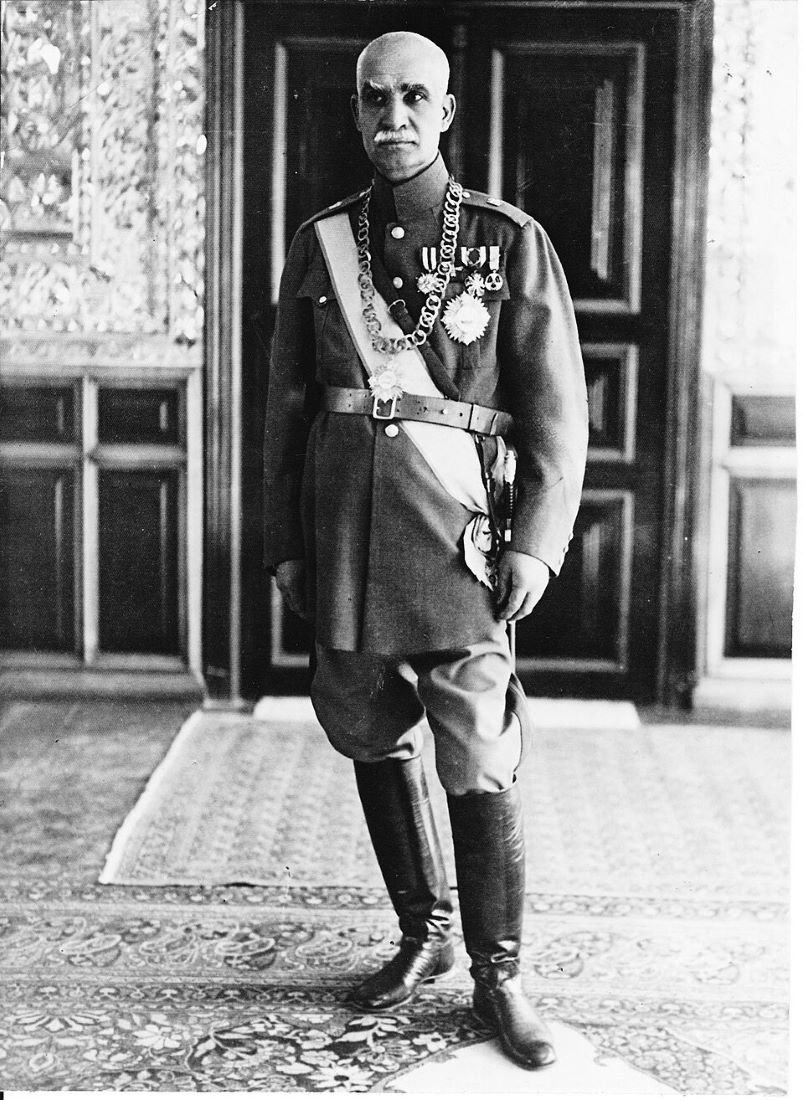
In 1921, Reza Khan (a military officer) staged a coup. In 1925 he deposed the last Qajar shah and founded the Pahlavi dynasty. Reza Shah (r. 1925–1941) launched rapid modernization: he built a modern army, railways, secular education, and suppressed tribal and clerical power. He banned the veil in 1936 and promoted Western dress. In 1935, at the request of the Iranian government (influenced in part by the ambassador in Germany), foreign governments were asked to stop using the ancient Greek exonym “Persia” and instead use the native name “Iran” to emphasize the country’s Aryan linguistic and cultural roots.
Reza Shah was forced to abdicate in 1941 during the Allied occupation of Iran in World War II. His son, Mohammad Reza Shah (r. 1941–1979), continued and accelerated the modernization drive. The most transformative period came after the traumatic events of 1953.
The 1953 Coup: A Defining Trauma
In 1951, the popular nationalist Prime Minister Mohammad Mosaddeq nationalized Iran’s oil industry, which had been under British control through the Anglo-Iranian Oil Company. This move enjoyed massive domestic support but provoked Britain and the United States. In August 1953, the CIA and MI6 orchestrated Operation Ajax, a coup that overthrew Mosaddeq and restored the Shah’s full power.
The coup had profound long-term consequences:
- It destroyed Iran’s fragile democratic experiment.
- It made the Shah heavily dependent on American support, turning him into a perceived puppet of the West in the eyes of many Iranians.
- It created a deep reservoir of anti-Western resentment that the revolutionaries of 1979 would later exploit.
After 1953, the Shah pursued the ambitious White Revolution (1963): land reform, women’s suffrage, literacy campaigns, and rapid industrialization fueled by surging oil revenues. Iran became a modernizing, Western-oriented state: Tehran developed a cosmopolitan nightlife, women entered universities and professions in large numbers, and the country appeared to be on the path to becoming a regional superpower. However, the regime was also authoritarian, corrupt among the elite, and deeply resented by the traditional clergy and rural population. Rapid Westernization alienated large segments of society.
The 1979 Revolution: A Unique Fusion of Islamism and Leftism
The Iranian Revolution was not a purely religious uprising. It was a broad, contradictory coalition that included:
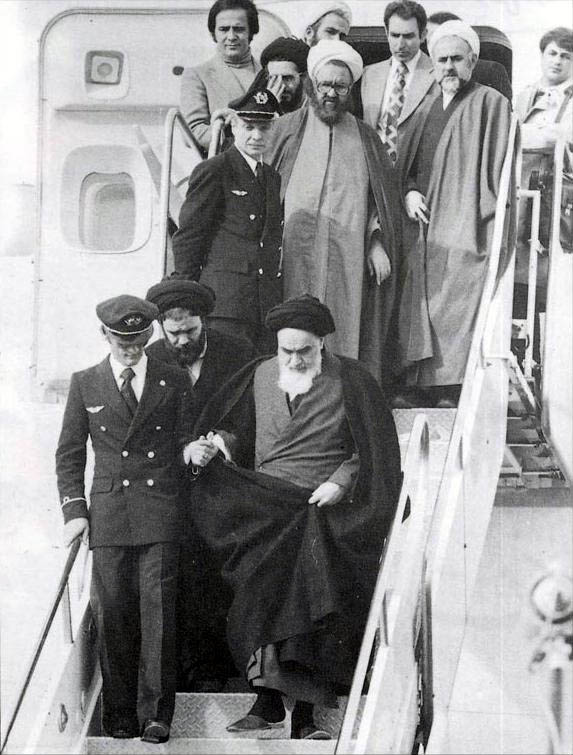
- Islamist forces led by Ayatollah Ruhollah Khomeini, who framed the struggle in Shia religious terms.
- Leftist and communist groups (Tudeh Party, Fedaiyan-e Khalq, Mojahedin-e Khalq), who saw the Shah as an American puppet and wanted socialist revolution.
- Liberal democrats, students, bazaar merchants, and intellectuals.
Khomeini united these factions under the slogan “Neither East nor West — Islamic Republic.” Once in power, the Islamists purged the leftists and liberals in a brutal consolidation (1980–1983). The revolution was therefore both religious (establishing the system of velayat-e faqih, rule of the jurist) and anti-imperialist/leftist in its early rhetoric. The 1953 coup and the Shah’s dependence on the United States were repeatedly cited as proof that the monarchy had betrayed Iran’s sovereignty.
Post-Revolutionary Iran: From Isolation to Regional Power Projection
After 1979, Iranian society underwent a radical reversal: strict Islamic dress codes, gender segregation, and clerical rule replaced the secular Pahlavi order. The regime exported its revolutionary model through the Islamic Revolutionary Guard Corps (IRGC) and proxy networks.
Iran did not remain isolated. It actively projected power abroad, including in the Balkans during the breakup of Yugoslavia.
Iran’s Role in the Bosnian War (1992–1995)
During the Bosnian War, Iran played a significant and well-documented role in supporting the Bosniak (Bosnian Muslim) side:
- Despite the UN arms embargo, Iran supplied thousands of tons of light weapons, anti-tank missiles, and ammunition.
- The Clinton administration quietly tolerated these shipments through a “green light” / “no instructions” policy, allowing Iranian arms to reach the Bosnian Army via Croatia.
- IRGC officers and Hezbollah instructors were present in Bosnia (notably at the Pogorelica training camp) and provided training to Bosniak forces.
- After the Dayton Agreement (1995), the United States pressured the Bosniak leadership to remove these Iranian elements.
This involvement fit Iran’s broader post-revolutionary strategy: supporting Muslim causes worldwide as part of its narrative of resistance to Western imperialism.
A Century of Radical Transformations
In the 20th century, Iran experienced one of the most profound political and cultural reversals in modern history: from a weak Qajar monarchy, through aggressive secular modernization under the Pahlavis, to a revolutionary theocracy that positioned itself as a global challenger to the Western order. The 1953 coup remains a foundational trauma that shaped anti-Western sentiment for decades. The Pahlavi era represented rapid Westernization from above; the Islamic Republic represented a conscious rejection of that path, combined with assertive foreign policy that reached as far as the Balkans in the 1990s.
Today’s Iran is the product of these turbulent decades. Understanding its 20th-century history is essential to grasping its current role on the world stage.
Currently Reading
Historical Challenge: Can You Conquer the Past?
Answer more than 18 questions correctly, and you will win a copy of History Chronicles Magazine Vol 1! Take our interactive history quiz now and put your knowledge to the test!