
 By istorija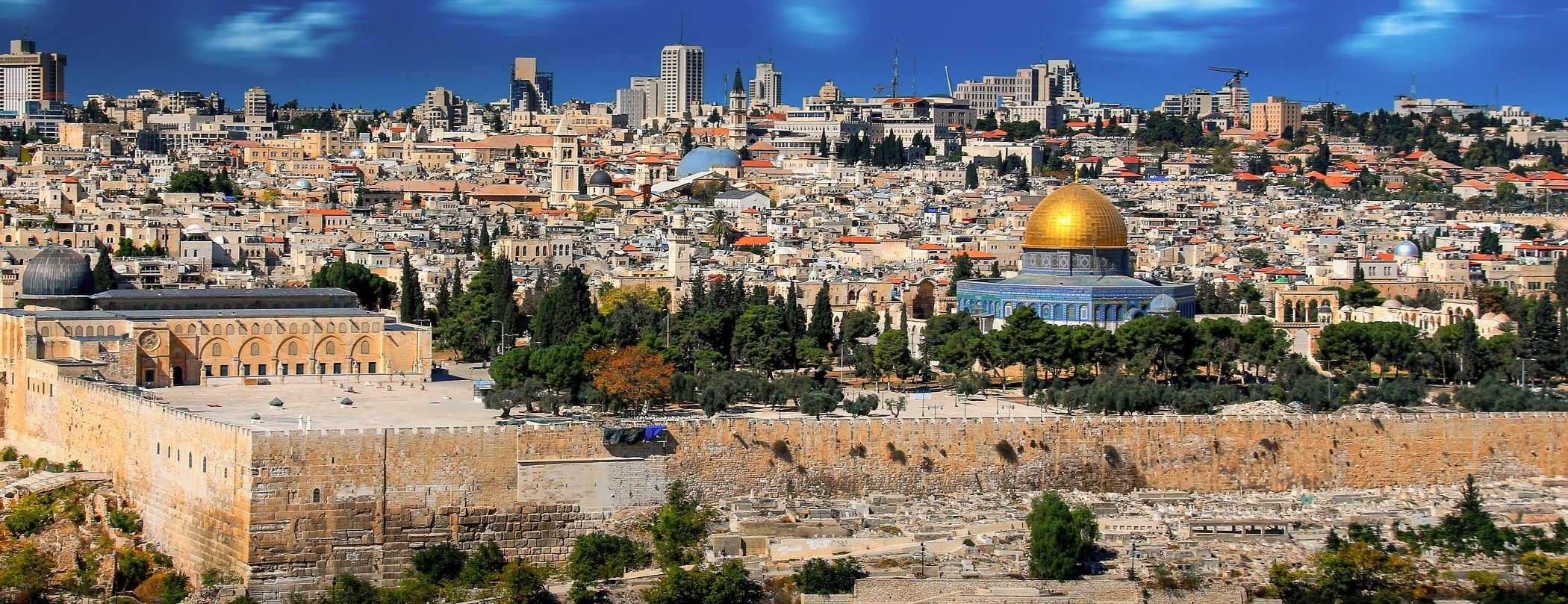
Few cities in human history carry the spiritual weight of Jerusalem. For more than three thousand years, this ancient city has stood at the crossroads of faith, memory, and longing, a place where the earthly and the divine seem to touch. Revered by Jews, Christians, and Muslims alike, Jerusalem is far more than a historical site or a collection of monuments. It is a living symbol of humanity’s search for God, shaped by prayer, sacrifice, hope, and devotion across countless generations.
Its narrow streets, ancient stones, and sacred hills have witnessed some of the most profound moments in religious history. Kings and prophets walked here. Empires rose and fell fighting for it. Pilgrims crossed deserts and oceans simply to stand within its walls. Even today, Jerusalem continues to inspire awe, love, and unbreakable spiritual attachment unlike almost any other place on Earth.
Judaism: The Eternal Heart of the Jewish People
For the Jewish people, Jerusalem is not simply a capital, it is the spiritual and physical center of their identity. According to Jewish tradition and the Hebrew Bible, the Israelites were chosen by God to enter into a special covenant, and Jerusalem was chosen as the place where His divine presence, the Shechinah, would dwell among them.
Around 1000 BCE, King David conquered the city and made it the capital of the united Kingdom of Israel. His son Solomon built the First Temple, which housed the Ark of the Covenant and became the focal point of Jewish worship. When the Babylonians destroyed the Temple in 586 BCE and exiled the Jews, the loss of Jerusalem became one of the greatest tragedies in Jewish history. Yet the connection endured. The deep yearning to return is powerfully expressed in Psalm 137:
“If I forget you, O Jerusalem, let my right hand forget its skill.”
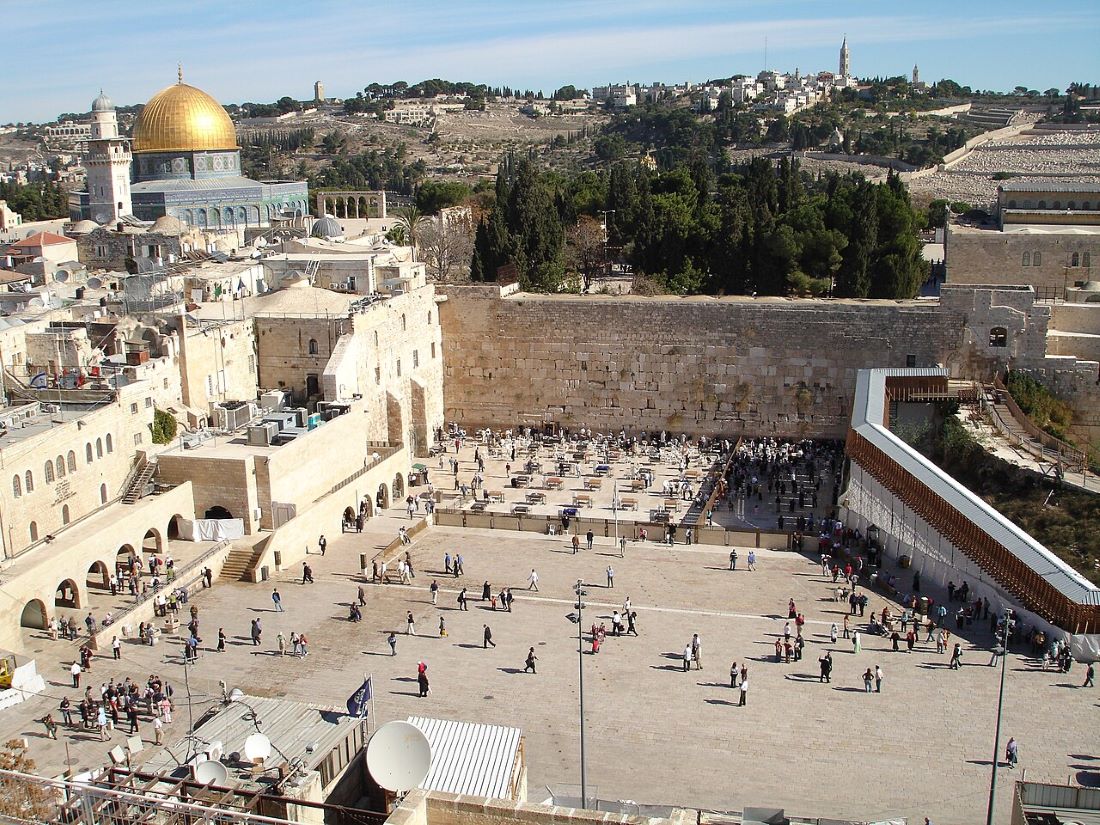
The Second Temple was rebuilt in the late sixth century BCE and later expanded by Herod the Great. It stood until its destruction by the Romans in 70 CE. For nearly two thousand years of exile, Jews continued to face Jerusalem in prayer three times daily. Today, the Western Wall, the last remnant of the Temple Mount’s retaining wall, remains the holiest accessible site in Judaism, a place of tears, prayer, and enduring hope.
Christianity: The City of Jesus’ Passion and Resurrection
For Christians, Jerusalem is the sacred stage of the central events of their faith. It is the city where Jesus taught in the Temple, shared the Last Supper, was betrayed, crucified, buried, and, according to Christian belief, rose from the dead on the third day.
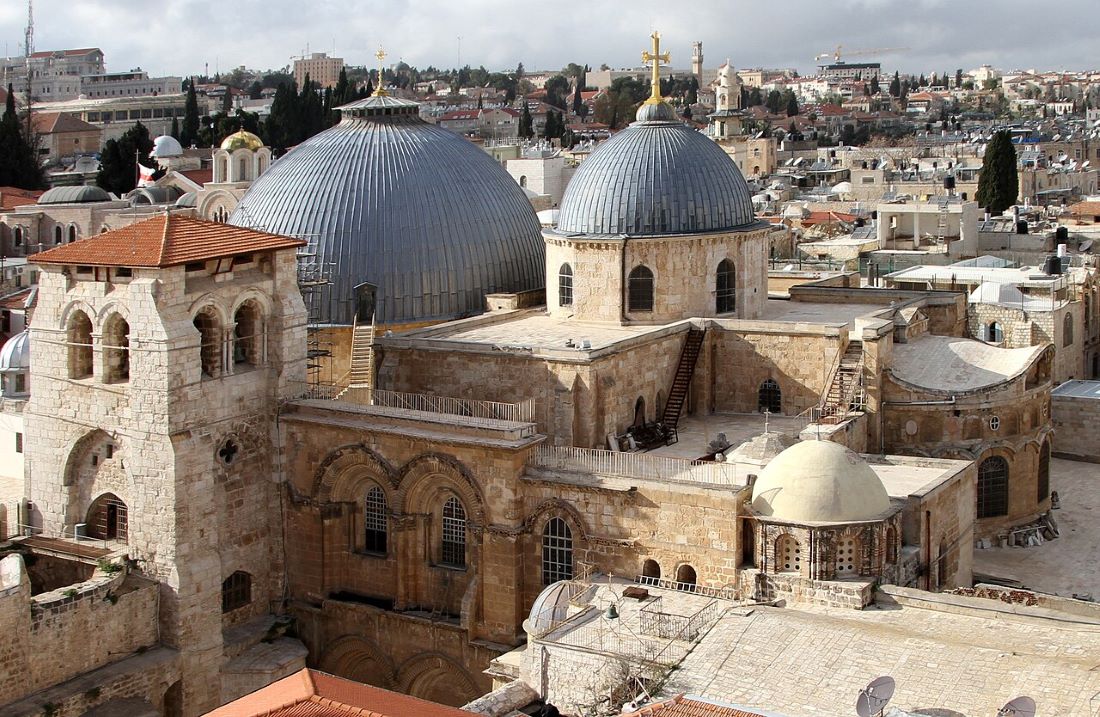
Key Christian sites include the Via Dolorosa, the path Jesus walked to his crucifixion; the Church of the Holy Sepulchre, traditionally believed to encompass both the crucifixion and resurrection; and the Garden of Gethsemane, where Jesus prayed before his arrest. For centuries, Christian pilgrims have journeyed to Jerusalem to walk in the footsteps of Christ, seeking spiritual renewal and a deeper connection to their Savior.
Beyond its physical importance, Jerusalem also holds profound symbolic meaning in Christian theology as the “Heavenly Jerusalem”, the vision of the perfect, eternal city described in the Book of Revelation.
Islam: The Blessed City of the Night Journey
In Islam, Jerusalem is the third holiest city after Mecca and Medina. Its significance stems from the Prophet Muhammad’s miraculous Night Journey (Isra) and Ascension (Mi‘raj), traditionally dated to around 621 CE.
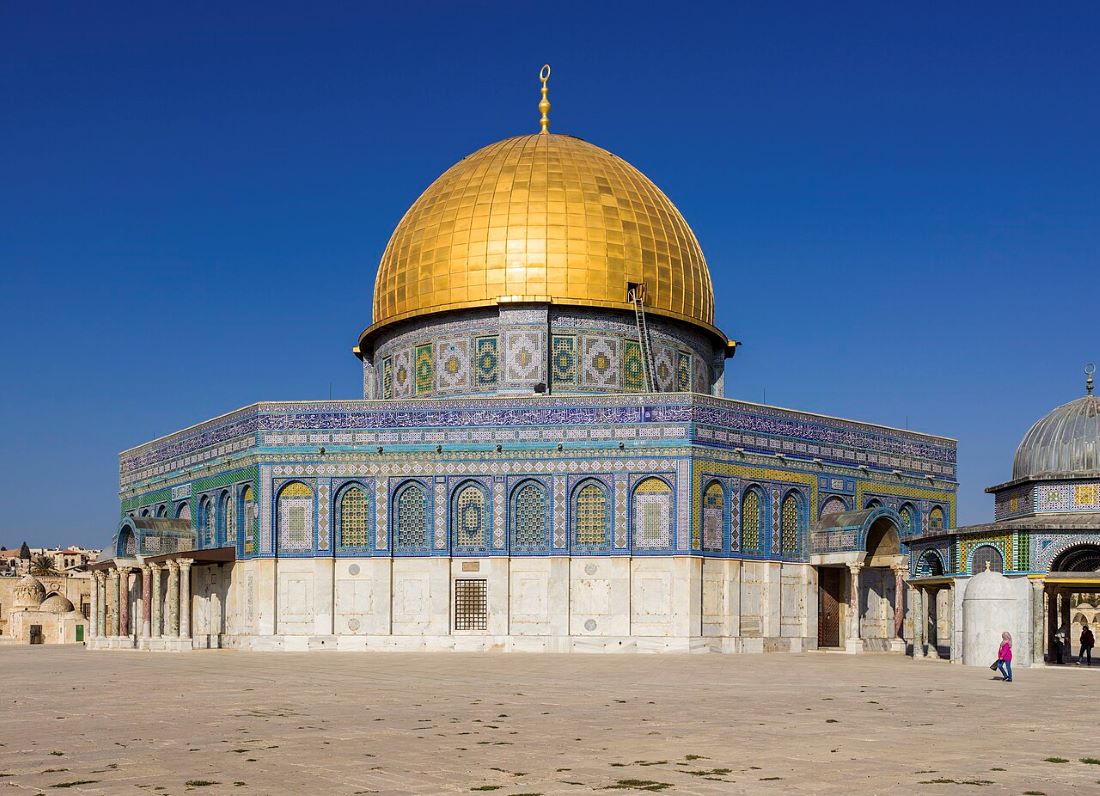
Islamic tradition holds that Muhammad was transported from Mecca to Jerusalem in one night. At the site of the Temple Mount, he led all previous prophets in prayer, before ascending to heaven from the sacred rock. There he received the commandment for the five daily prayers. This event is commemorated by the Dome of the Rock, completed in 691 CE, one of the most iconic buildings in the world. Adjacent stands the Al-Aqsa Mosque, identified in the Quran as “the farthest mosque.”
Known in Arabic as Al-Quds (“The Holy”), Jerusalem became a major center of Islamic learning and pilgrimage for over thirteen centuries. Some Islamic traditions also link the city to the earliest days of humanity, including the creation of Adam, adding yet another layer to its sacred status.
A City That Both Unites and Divides
Jerusalem’s holiness is both its greatest blessing and its heaviest burden. The same sacred spaces are revered by three great monotheistic faiths, yet they have also been the cause of conflict, conquest, and division throughout history.
Still, despite centuries of turmoil, the city’s spiritual power remains undiminished. For Jews, it is the eternal city of covenant and return. For Christians, it is the place of redemption and resurrection. For Muslims, it is the blessed city of the Prophet’s ascension and divine encounter.
Jerusalem stands as a profound reminder that faith, memory, and longing can converge in a single place, a city where humanity’s search for the divine has burned brightly for thousands of years.
Currently Reading

Historical Challenge: Can You Conquer the Past?
Answer more than 18 questions correctly, and you will win a copy of History Chronicles Magazine Vol 1! Take our interactive history quiz now and put your knowledge to the test!