
 By istorija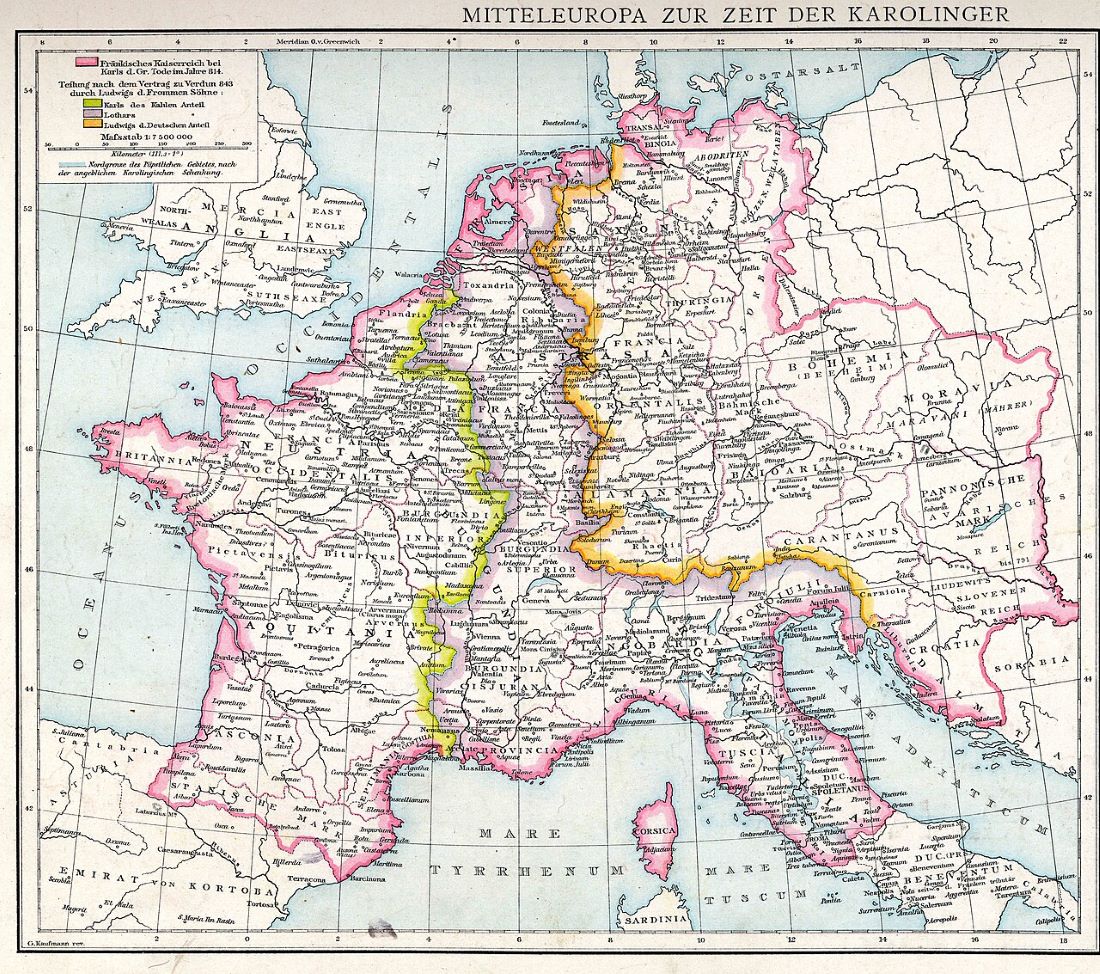
Pop culture and traditional textbooks have long conditioned us to look back at the centuries following the collapse of the Western Roman Empire with a sense of grim fascination. The narrative is familiar: after Rome fell, Europe supposedly plunged into an intellectual vacuum, an era defined by ignorance, superstition, and cultural stagnation.
This period is frequently searched under the lingering question: when was the dark ages?
Within modern historical scholarship, however, this simplistic narrative is recognized as a significant distortion. What we colloquially call the “Dark Ages” was actually a period of profound structural transformation, decentralized resilience, and localized cultural renaissances. While the collapse of Roman institutions undoubtedly triggered a decline in centralized governance, large-scale trade, and overall literacy, it was far from a total blackout of human progress. Instead, the Early Middle Ages laid the essential institutional and technological foundations for the medieval and modern worlds.
Defining the Timeline: When Was the Dark Ages?
To address the core historical and analytical intent behind when was the dark ages, historians generally divide the broader medieval era into three distinct periods: the Early, High, and Late Middle Ages.
The specific centuries traditionally labeled as the “Dark Ages” refer strictly to the Early Middle Ages, spanning from the deposition of the last Western Roman Emperor in 476 AD to roughly the turn of the first millennium in 1000 AD.
The wider Middle Ages continued for another five centuries, encompassing the High and Late Middle Ages, before transitioning into the Renaissance around 1500 AD. Therefore, the chronological boundaries of this supposed intellectual twilight are confined to a specific 500-year window—a window that was far more dynamic than popular culture suggests.
Why Are the Dark Ages Called the Dark Ages?
If the Early Middle Ages were a time of active structural evolution, how did the concept of a “Dark Age” become so deeply embedded in the public consciousness? The roots of the concept are usually traced to Petrarch in the 14th century.
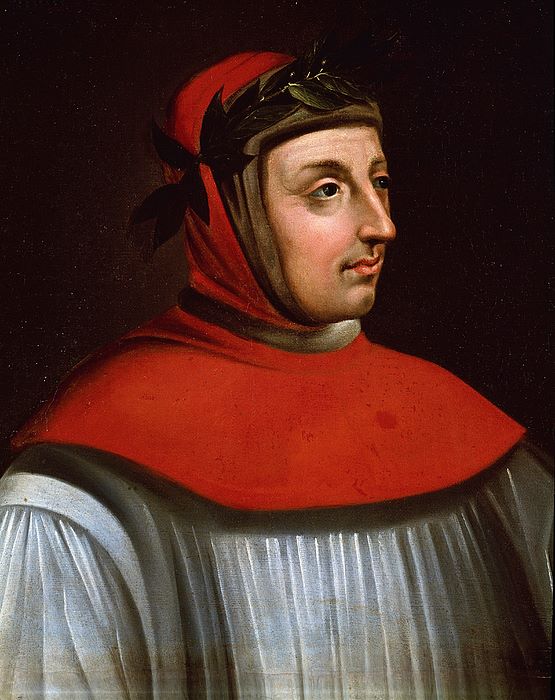
As an admirer of classical antiquity, the Italian scholar and poet used the metaphor of darkness (tenebrae) to express a narrow, stylistic critique of post-Roman Latin literature. He was lamenting what he perceived as a decline in the quality of contemporary poetry and prose, rather than making a sweeping statement about the quality of human life, technology, or governance.
Centuries later, during the 18th-century Enlightenment, rationalist philosophers like Voltaire and Edward Gibbon adopted and expanded Petrarch’s metaphor. Seeking to diminish the institutional authority of the Church, they contributed significantly to the popular perception of the Middle Ages as an era of superstition and intellectual decline. By framing the preceding millennium as inherently backward, Enlightenment thinkers effectively highlighted the perceived brilliance of their own era.
Were the Dark Ages Really Dark? Nuancing the Historical Reality
To assess whether the Early Middle Ages were truly dark, historians must balance a double reality: a real material decline alongside significant cultural resilience.
There is no doubt that the transition away from Roman rule caused disruption. Archaeological evidence confirms a sharp contraction in urban populations, a decline in long-distance Mediterranean trade networks, and a significant drop in overall literacy rates. For the vast majority of the population, daily life was localized, agrarian, and spent in simple timber and thatch dwellings rather than grand stone structures.
However, this material reduction did not halt human ingenuity. Instead of total stagnation, the era witnessed remarkable technological adaptations. The widespread introduction of the heavy iron plow revolutionized northern European agriculture, while sophisticated advancements in watermill technology vastly improved grain production. Culturally, Western Europe shifted from a centralized imperial system to a mosaic of vibrant regional kingdoms, each developing its own legal frameworks and artistic traditions.
The Architecture of the Early Middle Ages: From Basilikas to Pre-Romanesque
The physical landscape of early medieval Europe directly contradicts the notion of an engineering void. While standard domestic housing remained simple, institutional and ecclesiastical architecture saw steady development.
Following the fall of Rome, builders adapted classical architectural forms to new regional realities. The period saw the rise of Merovingian, Carolingian, and Ottonian architecture across continental Europe. Builders moved away from temporary wooden roofing for major churches, utilizing stone masonry to construct durable, monumental spaces.
These structural experiments—characterized by thick walls, round arches, and the introduction of the westwork (a monumental, west-facing entrance complex)—laid the direct technical foundation for the Romanesque architecture that flourished in the 10th and 11th centuries. These buildings required sophisticated geometric planning and coordinated logistical networks, proving that architectural literacy was actively preserved and practiced.
The Preservation of Beauty: Early Medieval and Pre-Renaissance Art
The visual arts of the Early Middle Ages demonstrate that the era was intellectually vibrant, visually complex, and deeply spiritual.
Monastic Literacy and Micro-Renaissances
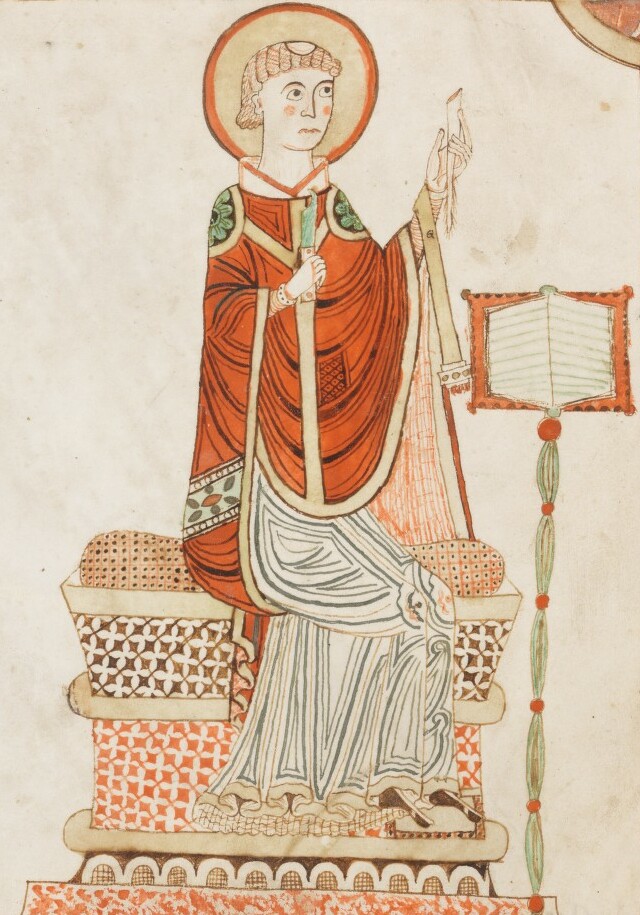
Within the context of their time, monasteries functioned as the primary intellectual preservation centers of the Western world. While general literacy had declined, monastic scriptoriums maintained a vast network of scholarship. Monks painstakingly copied and preserved classical Greek and Roman texts on philosophy, astronomy, and medicine. Scholars like the Venerable Bede in Anglo-Saxon England or Alcuin of York in France produced extensive original treatises on the liberal arts.
Sacred Masterpieces
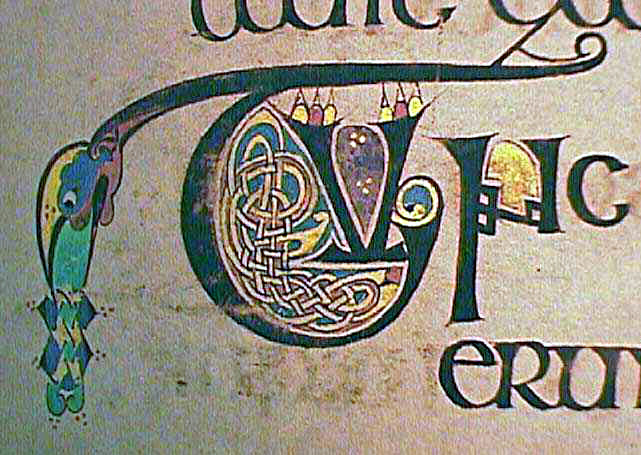
The artistic output of these monastic centers was highly sophisticated. Illuminated manuscripts such as the Book of Kells and the Lindisfarne Gospels, created during the height of the Early Middle Ages, exhibit incredibly complex geometric interlacing, gold leaf embellishments, and vibrant pigments obtained through trade networks spanning Europe, the Mediterranean, and beyond.
Furthermore, early medieval artisans achieved incredible precision in metalworking and goldsmithing, creating intricate reliquaries and liturgical vessels encrusted with precious stones that demonstrated a level of craftsmanship comparable to some of the finest works of the Roman world.
Why Do Modern Historians Avoid the Term “Dark Ages”?
In contemporary academic writing, the phrase has been largely phased out. Many modern historians avoid the term “Dark Ages” altogether because it oversimplifies a highly diverse period of history and carries loaded, negative assumptions.
Instead, scholars generally prefer “Early Middle Ages.” This terminology better reflects the complexity of the era, recognizing it not as a uniform block of ignorance, but as a diverse historical phase filled with dynamic regional shifts, structural reorganization, and intellectual continuity.
Historical Breakdown: Myth vs. Medieval Reality
To capture the complex nature of the Early Middle Ages, we can contrast popular historical misconceptions with verified contemporary scholarship:
| Popular Misconception | Historical Reality |
|---|---|
| Total Intellectual Stagnation | Intellectual activity persisted through monasteries, cathedral schools, and court-sponsored educational reforms despite a decline in overall literacy. |
| Complete Loss of Engineering Skills | Characterized by the continuous development of pre-Romanesque stone architecture, sophisticated watermill networks, and agricultural innovations like the heavy plow. |
| Monochrome and Crudely Made Art | Marked by the production of highly intricate gold metalwork, advanced ivory carvings, and vibrant, geometrically complex illuminated manuscripts. |
| A Uniformly Devastated Society | The fragmentation of Roman bureaucracy allowed for the rise of highly adaptable, decentralized regional legal codes and local economic resilience. |
Beyond the Metaphor of Darkness
The term “Dark Ages” ultimately reveals more about the cultural biases of the Renaissance and Enlightenment writers who popularized it than it does about the actual historical reality of the Early Middle Ages.
When modern readers look for answers regarding when was the dark ages, contemporary history offers a more nuanced, balanced perspective. The centuries between 476 and 1000 AD were neither a pitch-black wasteland of human ignorance nor a flawless golden age of rural harmony. Instead, they represented a vital, transitional phase of human history—a period where a fragmented continent quietly rebuilt itself, weaving together classical heritage and regional innovations to construct the foundational framework of the modern world.
Currently Reading
Historical Challenge: Can You Conquer the Past?
Answer more than 18 questions correctly, and you will win a copy of History Chronicles Magazine Vol 1! Take our interactive history quiz now and put your knowledge to the test!