
 By istorija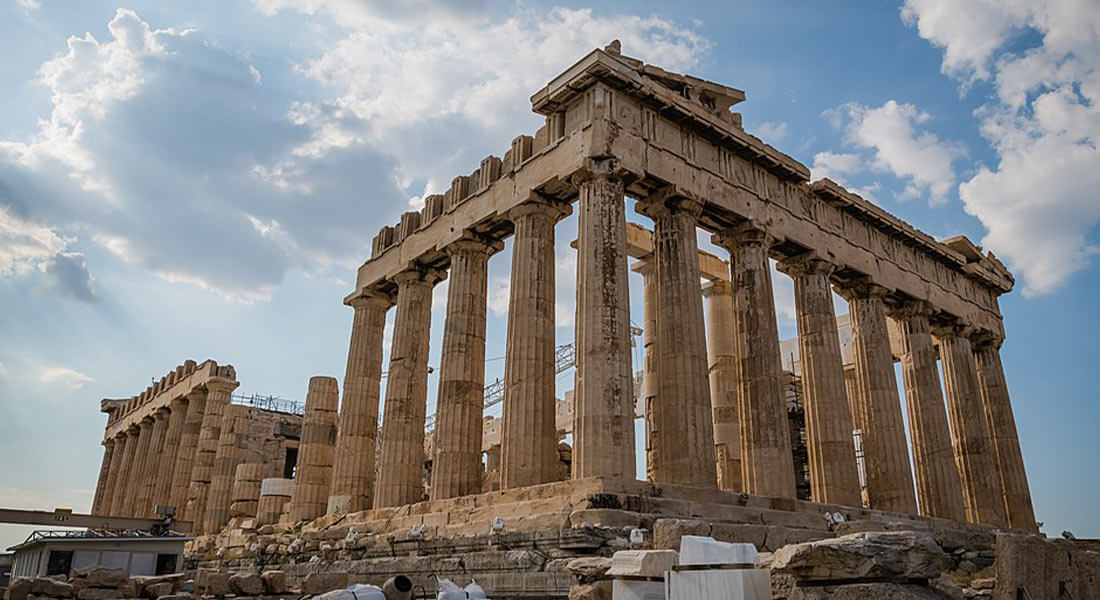
When you walk through the streets of Washington, D.C., and look up at the towering columns of the Supreme Court, you are not just looking at American history, you are looking at ancient Greece. Few civilizations have shaped the course of human history as profoundly. Emerging from the rocky shores and sun-drenched islands of the Aegean more than 2,500 years ago, the Greeks created something entirely new: a civilization built not merely on military power or divine kingship, but on reason, beauty, and the pursuit of human excellence. In every sense, Greece stands as one of the first true European civilizations, the intellectual and artistic cradle from which Western culture still draws its deepest inspiration.
The Miracle of Greek Genius
Between the 8th and 4th centuries BCE, a remarkable transformation occurred. From a collection of independent city-states (poleis), the Greeks developed a culture of extraordinary creativity and intellectual vitality. Their art was never merely decorative. It was a profound expression of their worldview, a celebration of the human form, harmony, balance, and the divine spark within mortal beings.
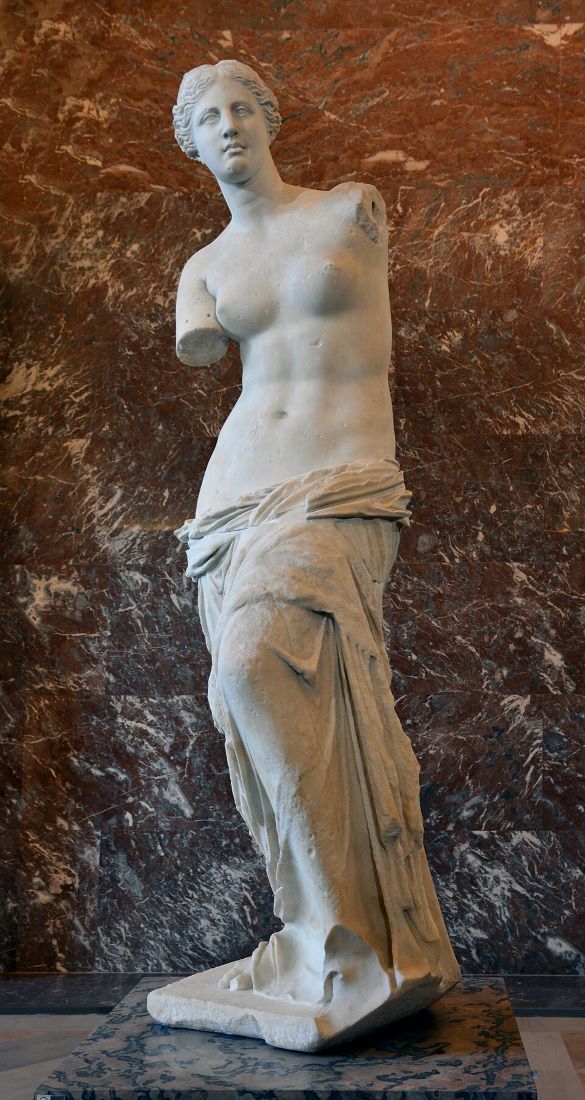
Greek sculpture evolved from the rigid, stylized kouroi of the Archaic period to the breathtaking realism, proportion, and emotional depth of the Classical and Hellenistic eras. Masterpieces like the Parthenon sculptures, Myron’s Discobolus, and the iconic Venus de Milo embodied an ideal of physical and moral beauty that still defines Western aesthetics. Greek architecture, with its elegant columns, perfect proportions, and mathematical precision, especially in the Doric, Ionic, and Corinthian orders, became the universal language of power, democracy, and culture.
The Gift to Rome and the Transmission of Civilization
When Rome conquered Greece in the 2nd century BCE, the victors found themselves culturally conquered. The Romans openly admitted their debt. As the Roman poet Horace famously wrote,
“Captive Greece took captive her fierce conqueror.”
Rome absorbed Greek art, mythology, philosophy, and political ideas almost wholesale. Roman temples, statues, and public buildings were direct copies or adaptations of Greek models. The Roman elite educated their children in Greek language and thought. Greek gods were merged with Roman deities, and Greek artistic techniques were refined and spread across the vast Roman Empire, from Britain to North Africa and the Middle East. Without Rome’s admiration and transmission of Greek culture, much of the classical heritage might have been lost to history.
Democracy, Philosophy, and the Western Mind
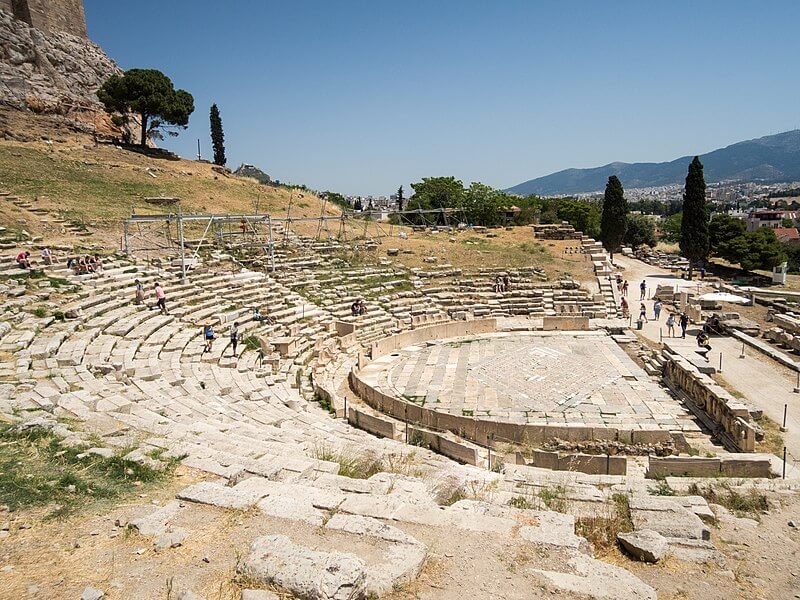
The greatest legacy of Greece, however, lies beyond art and architecture. The Greeks invented the concept of democracy in Athens, the idea that citizens should govern themselves through reason and debate rather than the whim of kings or priests. Though limited by modern standards, Athenian democracy planted the seed that would bloom centuries later.
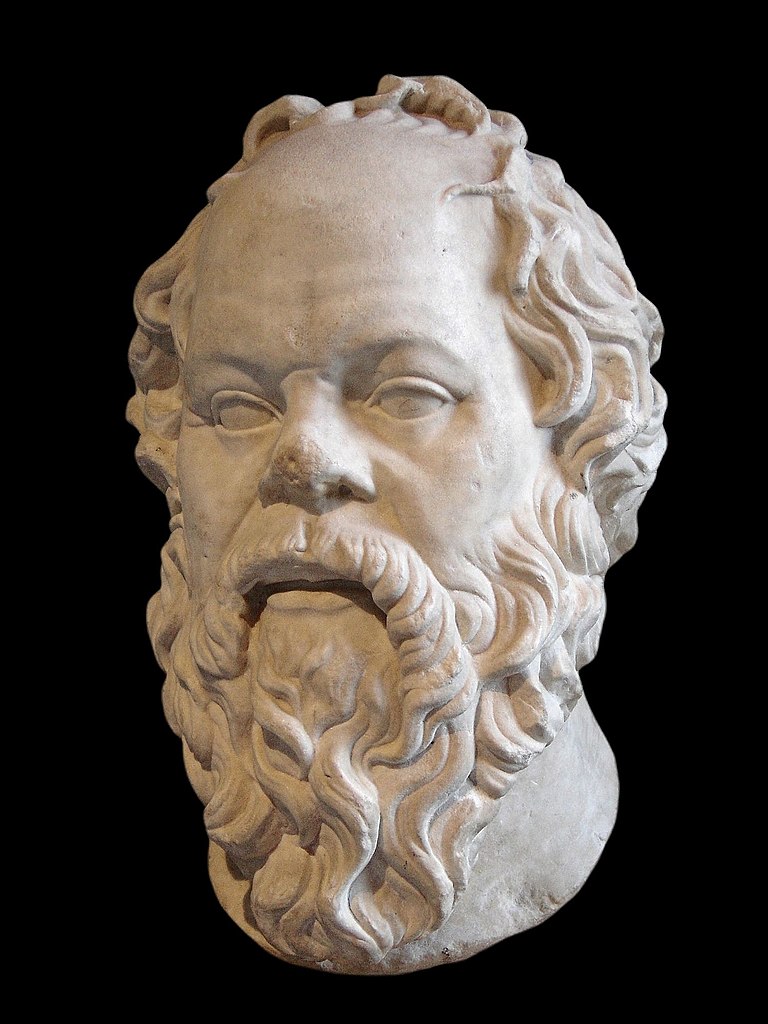
Greek philosophy, from Socrates, Plato, and Aristotle, established the foundations of Western thought: logical reasoning, ethics, political theory, and scientific inquiry. The Socratic method, Platonic idealism, and Aristotelian logic still shape universities, legal systems, and scientific research today. The Greek emphasis on humanism, the belief that human beings are worthy of study and capable of greatness, became the philosophical bedrock of the Renaissance, the Enlightenment, and modern liberal democracy.
Greece as the Cornerstone of European and Western Civilization
Greek civilization is not simply one chapter in European history, it is the foundation upon which Europe was built. The Renaissance rediscovered Greek art and thought with revolutionary passion. The Enlightenment thinkers, Voltaire, Locke, Montesquieu, drew heavily from Greek political philosophy. Even the very word “Europe” carries echoes of Greek mythology.
Western art, literature, theater, medicine, mathematics, and education all trace their lineage back to ancient Greece. From Shakespeare’s plays to the scientific method, from Olympic ideals to the concept of the individual citizen, Greece remains the deep well from which Western civilization continues to drink.
The Greek Dream in America
No nation has embraced the Greek legacy more enthusiastically than the United States. The Founding Fathers consciously looked to the classical world when designing the American republic, brilliantly marrying the democratic ideals of Athens with the representative institutional structures of Rome. Thomas Jefferson called Greek and Roman classics
“the ultimate sources of liberty.”
This admiration is carved into the very stones of America. The U.S. Capitol, the Supreme Court, the Lincoln Memorial, and countless state capitols are built in grand neoclassical style, with towering columns and pediments directly inspired by the Parthenon and other Greek temples. Cities across the country bear Greek names: Athens (Georgia), Sparta, Corinth, Ithaca, and Syracuse. The very word “democracy” and concepts such as “philosophy,” “academy,” and “athletics” remain embedded in American life.
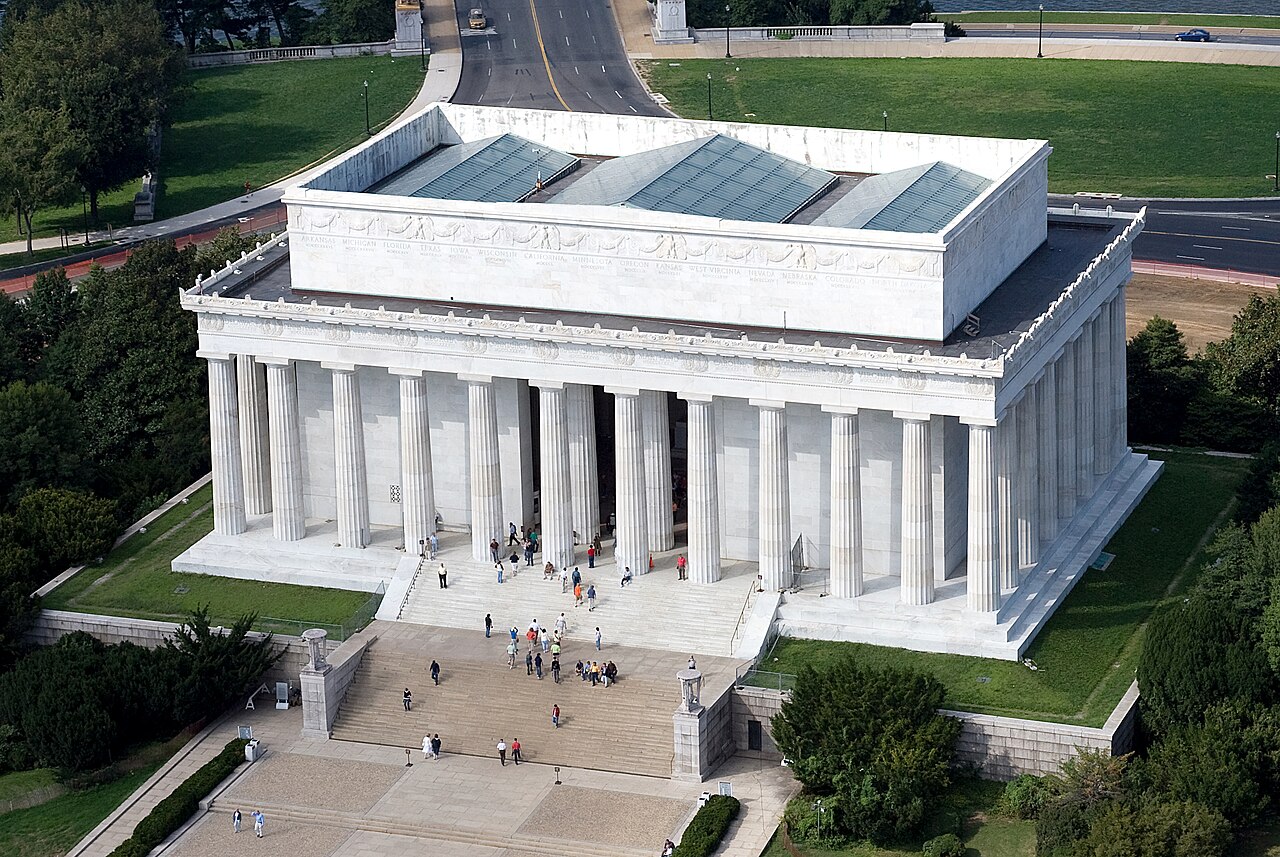
Even the American obsession with physical fitness, sports, and the ideal of the citizen-athlete echoes the Greek celebration of the healthy mind in a healthy body.
An Enduring Flame
More than two millennia after its golden age, Greek civilization continues to shine with undiminished brilliance. Its art teaches us the pursuit of perfection. Its philosophy challenges us to think critically. Its political experiments remind us of both the possibilities and the fragility of human freedom.
In an age of rapid technological change and cultural uncertainty, the Greeks offer something timeless: a profound belief in human potential, the importance of beauty, and the necessity of reason. They remind us that civilization is not merely about power or wealth, but about the elevation of the human spirit.
The art of Greek civilization is far more than marble and stone. It is the living soul of the West, a brilliant, enduring light that continues to guide humanity toward its highest aspirations.
Currently Reading

Historical Challenge: Can You Conquer the Past?
Answer more than 18 questions correctly, and you will win a copy of History Chronicles Magazine Vol 1! Take our interactive history quiz now and put your knowledge to the test!