
 By istorija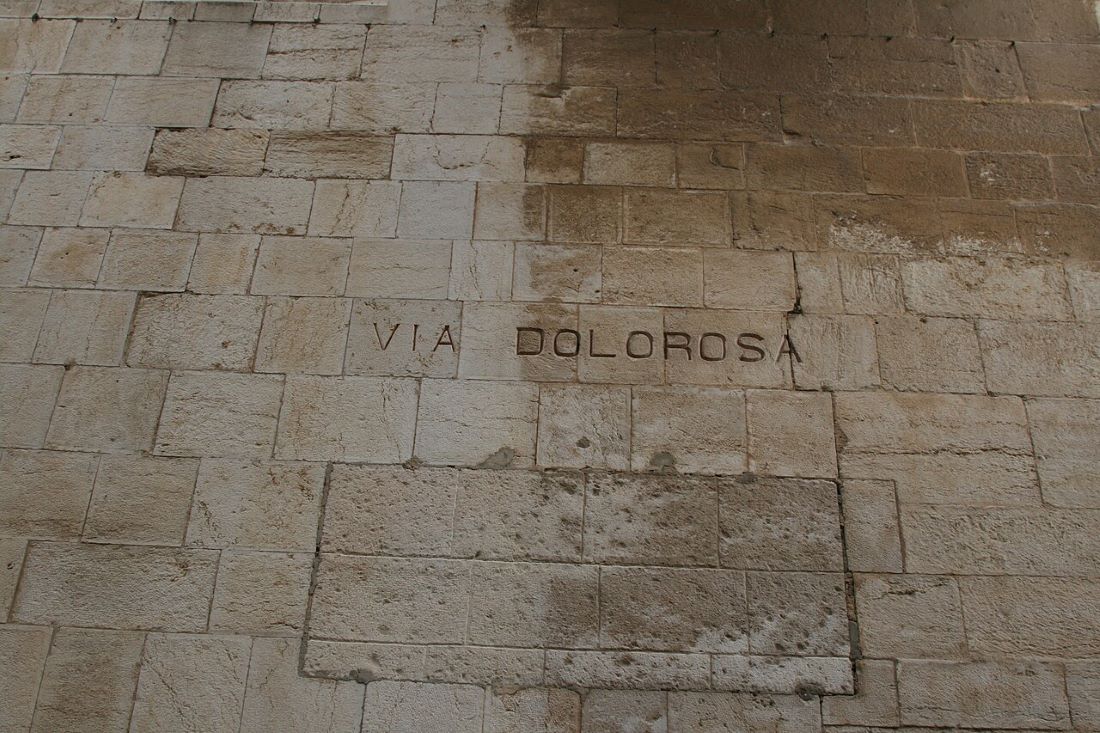
Few places on Earth evoke such profound emotion, reverence, and reflection as the Via Dolorosa, the Way of Sorrows in Jerusalem. This ancient route, traditionally believed to be the path Jesus Christ walked on the day of his crucifixion, stretches through the narrow, winding streets of the Old City. Every year, millions of pilgrims retrace these steps, carrying wooden crosses and contemplating the suffering, sacrifice, and redemption at the heart of the Christian faith.
The Historical and Spiritual Context
According to the Gospels, after his trial before Pontius Pilate, Jesus was scourged, crowned with thorns, and condemned to death. He then carried the heavy wooden cross through the streets of Jerusalem to the hill of Golgotha, where he was crucified. The Via Dolorosa represents this final, agonizing journey.
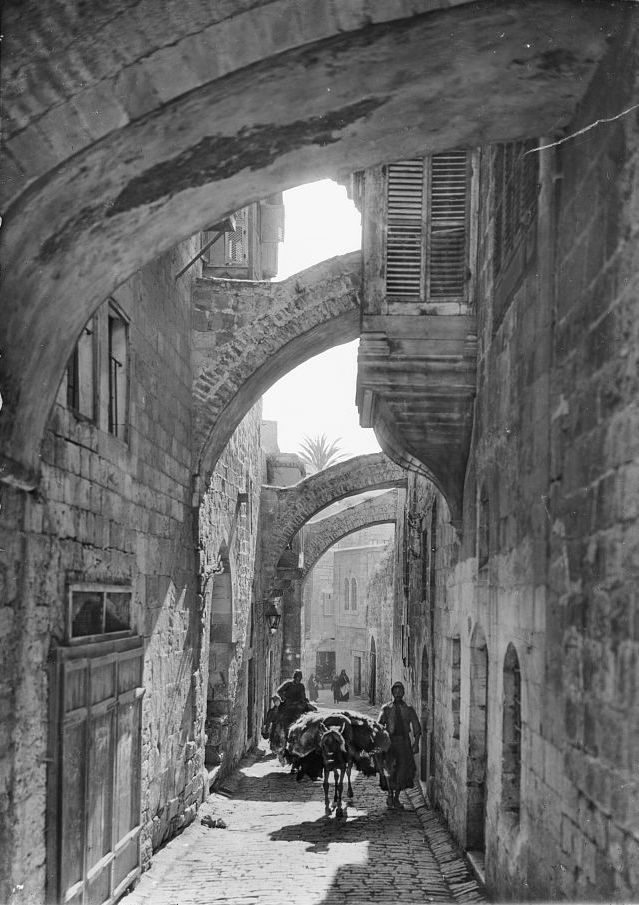
Though the exact route has been debated by historians and archaeologists, Christian tradition has preserved the memory of this path for centuries. The current route developed during the medieval period, particularly through the efforts of Franciscan friars, and was formalized over time. Today, it begins near the site of the ancient Antonia Fortress, believed to be the location of Pilate’s judgment, and ends at the Church of the Holy Sepulchre, which encompasses both the crucifixion site and the tomb of Christ.
The Fourteen Stations of the Cross
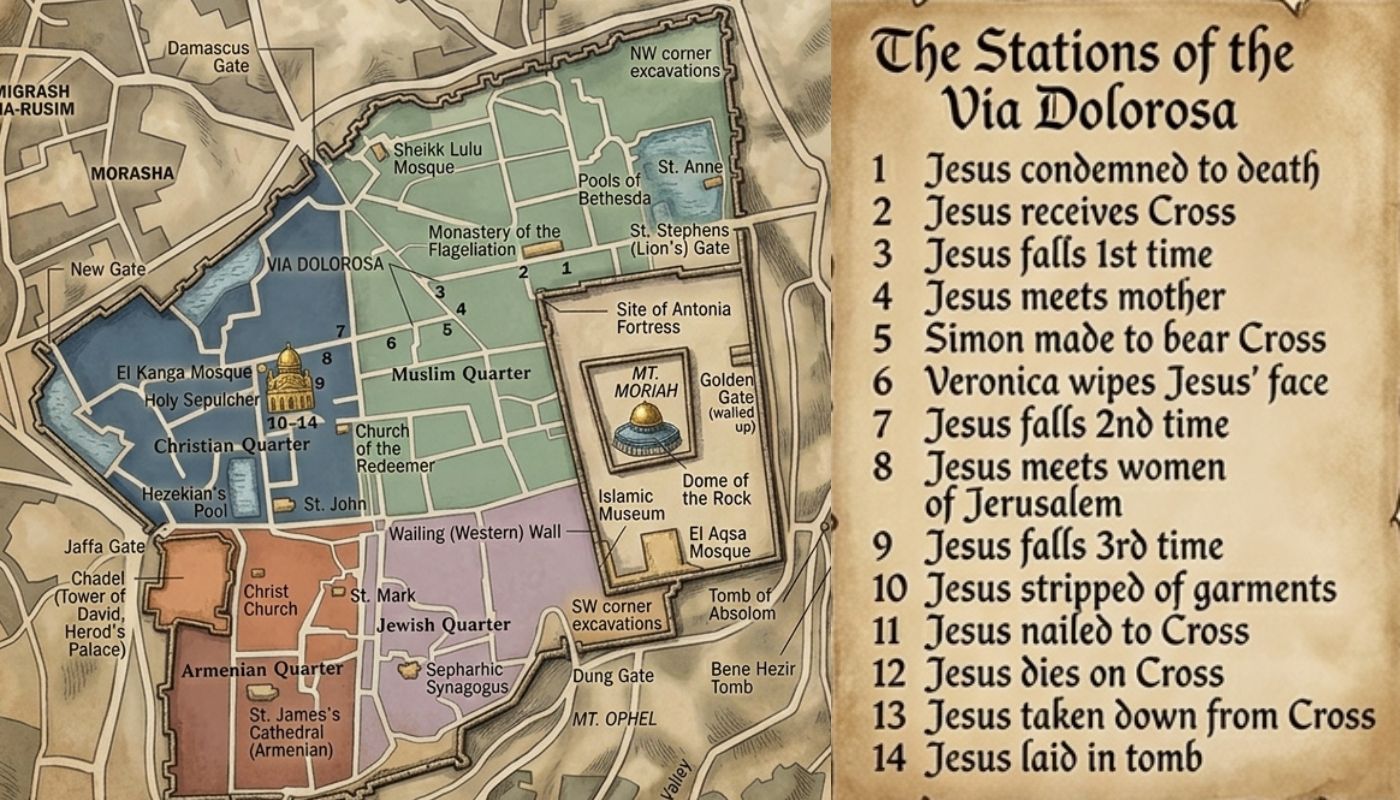
The Via Dolorosa is marked by fourteen Stations of the Cross, each commemorating a specific, poignant moment in Jesus’ final hours:
-
I. Jesus is condemned to death
-
II. Jesus receives the Cross
-
III. Jesus falls for the first time
-
IV. Jesus meets His mother
-
V. Simon of Cyrene helps carry the Cross
-
VI. Veronica wipes the face of Jesus
-
VII. Jesus falls for the second time
-
VIII. Jesus meets the women of Jerusalem
-
IX. Jesus falls for the third time
-
X. Jesus is stripped of His garments
-
XI. Jesus is nailed to the Cross
-
XII. Jesus dies on the Cross
-
XIII. Jesus is taken down from the Cross
-
XIV. Jesus is laid in the tomb
Many of these stations are linked to specific chapels and shrines along the route. The Monastery of the Flagellation marks the Second Station, while the Church of Our Lady of the Spasm and the Chapel of Simon of Cyrene commemorate later moments of suffering and human compassion. The final five stations lie within the vast, silent, and sacred complex of the Church of the Holy Sepulchre.
A Living Path of Faith
Walking the Via Dolorosa today is a sensory and deeply moving experience. The narrow stone alleys, crowded with shouting merchants, bustling tourists, and local residents, create a powerful, almost jarring contrast. Here, the ordinary chaos of daily life collides directly with the extraordinary weight of sacred memory. Smells of roasting coffee and spices blend with the scent of burning incense; the noise of the bazaar suddenly gives way to the solemn chanting of pilgrims.
Franciscan friars still lead weekly processions along the route, especially on Fridays, inviting believers to shut out the surrounding noise and meditate on Christ’s passion.
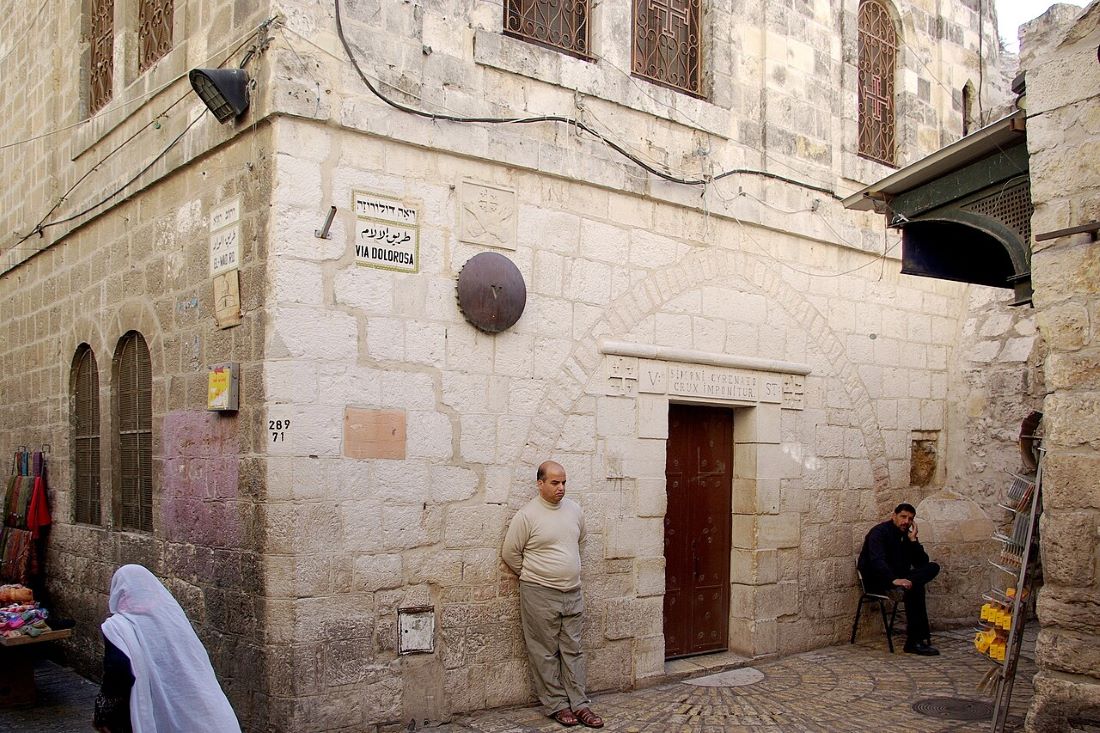
The path is not without historical complexities. Scholars note that the modern route differs somewhat from the likely path in the 1st century due to dramatic changes in the city’s topography and multiple reconstructions over two millennia. Yet for millions of Christians, its spiritual authenticity transcends precise archaeology. What matters is not the exact measurement of ancient stones, but the willingness to walk with Jesus in his suffering, to reflect on universal themes of injustice, compassion, sacrifice, and ultimate victory over death.
An Enduring Symbol
The Via Dolorosa stands as one of Christianity’s most powerful spiritual symbols. It reminds believers that the road to redemption often passes through suffering, that true strength can be found in apparent weakness, and that even in the darkest moments, divine purpose is at work.
Currently Reading

Historical Challenge: Can You Conquer the Past?
Answer more than 18 questions correctly, and you will win a copy of History Chronicles Magazine Vol 1! Take our interactive history quiz now and put your knowledge to the test!