
 By istorija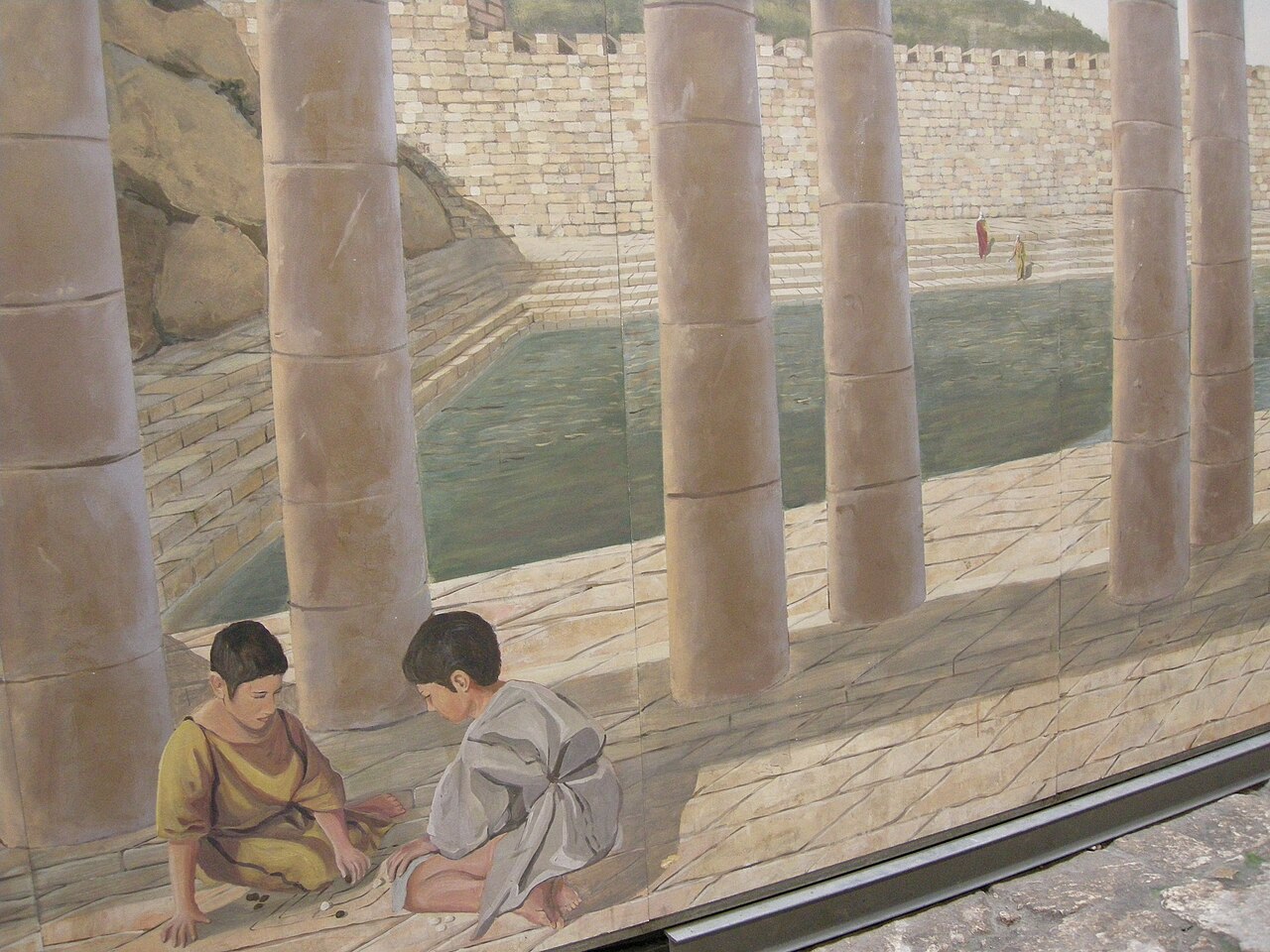
For more than a century, scholars have ventured into the sun-baked hills of the Levant with spades, brushes, and high hopes, searching for physical proof of the stories that shaped Western civilization. Could archaeology confirm the historical truth of the Bible, from the patriarchs and the Exodus to the conquest of Canaan and the glory of the Israelite kingdoms? Or would the stones tell a different story? This enduring question continues to fuel one of the most fascinating and emotionally charged fields in archaeology.
The Golden Age of Discovery
In the early to mid-20th century, biblical archaeology enjoyed its most optimistic period. Leading figures such as American scholar William Foxwell Albright and his student G. Ernest Wright believed that systematic excavation could establish the Bible as a reliable historical source. Albright famously declared that archaeology had confirmed the “substantial historicity” of the biblical account.
British archaeologist Sir Flinders Petrie revolutionized the field by developing essential techniques like stratigraphy and pottery typology, which allowed researchers to date occupation layers with growing accuracy. Major excavations at iconic sites, including Jericho, Megiddo, Hazor, and Beth Shan, uncovered impressive ancient cities, destruction layers, and monumental architecture. Israeli archaeologist Yigael Yadin, known for his work at Masada and Hazor, argued strongly that the finds supported the basic outline of the Israelite conquest of Canaan as described in the Bible.

Major Challenges and Shifting Views
As excavation methods became more sophisticated and data accumulated, the picture grew more complex. By the 1970s and 1980s, a new generation of archaeologists began moving away from the goal of “proving” the Bible. Instead, they focused on understanding the broader social, economic, and cultural context of the ancient Near East.
Improved techniques — including radiocarbon dating, regional surveys, and detailed ceramic analysis — revealed important discrepancies. While many biblical cities mentioned in the text clearly existed, the scale and timing of events such as the Israelite conquest of Canaan remain hotly debated. Some scholars see evidence of gradual settlement and cultural transformation rather than a swift military conquest. Others point to the theological and literary shaping of the biblical narratives, written centuries after the events they describe.
Main Approaches in Biblical Archaeology
Today, three broad perspectives shape the field:
- Traditional/Historical Approach Scholars in this camp maintain that archaeology largely supports the overall reliability of the biblical account, especially from the period of the monarchy onward. They point to finds such as the Tel Dan Stele (mentioning the “House of David”) and administrative structures consistent with the kingdoms of Israel and Judah.
- Minimalist/Critical Approach This view is more skeptical, arguing that much of the early biblical history (particularly before the 10th–9th centuries BCE) reflects later ideological writing rather than accurate history. They emphasize the lack of direct evidence for events like the Exodus or a large-scale conquest.
- Centrist/Contextual Approach The dominant position today. Archaeologists in this group avoid simple “proof” or “disproof” language. They see the Bible as a valuable ancient document that must be interpreted alongside, not in isolation from, the archaeological record. Their goal is to understand how ancient Israelites lived, worshipped, and understood their world.
Greatest Discoveries in 21st-Century Biblical Archaeology
The 21st century has brought remarkable advances in biblical archaeology, driven by cutting-edge technology, more rigorous methods, and large-scale excavations. While no single discovery has “proven” the entire Bible, several finds have significantly enriched our understanding of the biblical world.
Here are some of the most important developments:
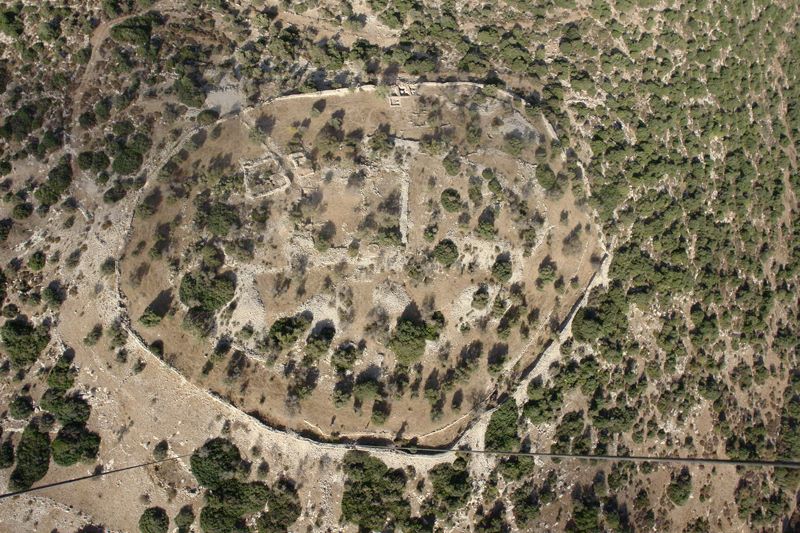
- Khirbet Qeiyafa (2007–2013): This heavily fortified city in the Elah Valley, dated to the early 10th century BCE (the time of King David), features sophisticated urban planning, two monumental gates, and a massive casemate wall. Many scholars see it as powerful evidence of a centralized Judahite kingdom during the early monarchy period — a time some earlier minimalists claimed lacked significant state organization.
- Pool of Siloam (2004–ongoing): The rediscovery of this monumental pool in Jerusalem, mentioned in the Gospel of John (where Jesus heals a blind man), confirmed its location and impressive scale. Recent excavations (especially in 2023–2025) have uncovered a massive ancient dam and reservoir system, revealing sophisticated water engineering in biblical Jerusalem.
- City of David Excavations: Ongoing digs in ancient Jerusalem have uncovered impressive structures from the First Temple period, including possible royal administrative buildings, fortifications, and artifacts that illuminate daily life and governance in the kingdoms of Judah and Israel.
- Temple Mount Sifting Project: Since the early 2000s, volunteers have carefully sifted through tons of earth removed from the Temple Mount. This has yielded thousands of artifacts — from First Temple period pottery and inscriptions to coins and ritual objects — providing valuable glimpses into the religious and political life of ancient Jerusalem.
- Technological and Scientific Breakthroughs: Advances in radiocarbon dating, ancient DNA analysis, ground-penetrating radar, and digital imaging have allowed for more precise dating and interpretation of finds. New studies on Dead Sea Scrolls fragments and improved readings of existing inscriptions continue to refine our knowledge.
These discoveries reflect a more mature discipline: less focused on dramatic “proofs” and more on building a detailed, evidence-based picture of the ancient Near East.
A Legacy Beyond Proof
Whether one approaches the Bible as a person of faith, a historian, or simply a curious reader, biblical archaeology offers something profound. It does not always deliver the clear-cut confirmations once hoped for, nor does it “disprove” the sacred text. Instead, it reveals the complex, human world behind the scriptures — a world of kingdoms, conflicts, beliefs, and cultural evolution.
The stones and the texts together paint a deeper portrait of one of history’s most influential civilizations. In the end, biblical archaeology reminds us that the search for truth about the past is rarely simple. It is a continuing dialogue between faith and evidence, between ancient memory and modern science — a dialogue that continues to illuminate both who we were and who we are.
Currently Reading

Historical Challenge: Can You Conquer the Past?
Answer more than 18 questions correctly, and you will win a copy of History Chronicles Magazine Vol 1! Take our interactive history quiz now and put your knowledge to the test!