
 By istorija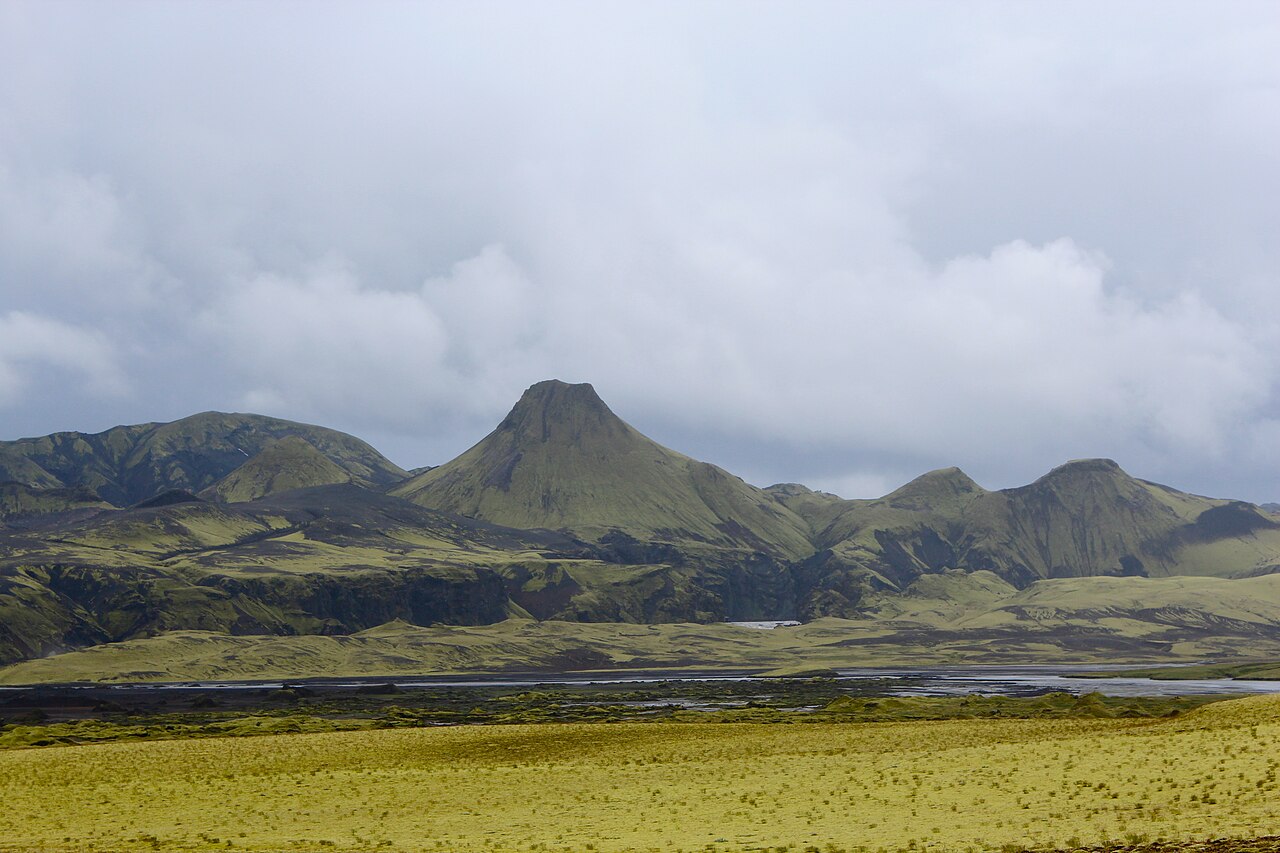
The French Revolution is traditionally explained through political, social, and economic factors: unsustainable royal debt, an unfair tax system, the privileges of the nobility and clergy, the spread of Enlightenment ideas, and the personal failings of Louis XVI and Marie Antoinette. These were undoubtedly critical. However, in recent decades, climate historians and volcanologists have added a powerful environmental dimension that significantly accelerated the crisis.
The trigger was the massive Laki fissure eruption (Lakagígar) in southern Iceland, which began on 8 June 1783 and continued until 7 February 1784. This was one of the largest volcanic events in recorded human history. It released an estimated 122 million tons of sulfur dioxide, along with massive quantities of fluorine, chlorine, and ash into the atmosphere. The consequences were felt across the entire Northern Hemisphere, and they struck France at the worst possible moment.
The Scale of the Eruption and Its Immediate Impact
Laki produced the longest lava flow of the last 1,000 years and created a thick sulfuric aerosol veil that spread rapidly over Europe. Contemporaries described a strange “dry fog” or haze that lasted for months, accompanied by a strong smell of sulfur.
The human and ecological cost was catastrophic:
- On Iceland itself, roughly 10,000 people died — about 20% of the island’s total population — from fluorine poisoning, famine, and respiratory failure caused by the toxic gases.
- In Britain, an estimated 20,000 excess deaths occurred in the summer and autumn of 1783, largely due to respiratory problems and the effects of the haze.
- Livestock across Europe suffered mass die-offs from poisoned grass and contaminated water.
Climatic Disruption and the “Years Without a Summer”
The sulfur aerosols caused a significant short-term cooling of the Northern Hemisphere. The years 1783–1788 were marked by highly unstable weather patterns: unusually hot and hazy summers followed by extremely cold winters, severe droughts, unseasonal frosts, and destructive floods.
In France, the consequences were particularly severe:
- The summer of 1783 was hot and dry, damaging crops.
- The winter of 1783/84 was one of the coldest on record.
- Poor harvests followed in 1785, 1787, and especially 1788.
- Bread prices in Paris and other major cities skyrocketed in 1788–1789, reaching levels that caused widespread hunger and urban riots.
Even distant regions felt the effects. Archival records from southern Hungary (today’s Vojvodina in Serbia) show that although the sulfur clouds largely spared the area, the climatic disruptions were devastating: extreme heat, droughts, violent storms, hail that destroyed one-third of the crops in the Vršac region, bitterly cold winters with heavy snow and ice, and catastrophic Danube floods when the ice finally broke. These conditions led to famine, high mortality among both people and livestock, and a desperate shortage of seed for the following year. Local authorities struggled to explain the surge in deaths between March and May 1784. The year 1789 was still remembered locally as a “year of hunger” due to the lingering effects of the extreme winter.
How the Volcanic Winter Helped Trigger the Revolution
The Laki eruption did not single-handedly cause the French Revolution, but it acted as a powerful catalyst that dramatically worsened an already critical situation:
- It created a severe subsistence crisis at the precise moment when the French monarchy was financially bankrupt and politically paralyzed.
- Skyrocketing bread prices turned abstract grievances into immediate, life-threatening desperation among the urban poor and peasants.
- The bad harvests weakened the government’s ability to maintain order or buy social peace through grain imports.
- In the eyes of many ordinary people, the strange weather, failed harvests, and resulting famine were interpreted as divine punishment for the sins of the monarchy and aristocracy.
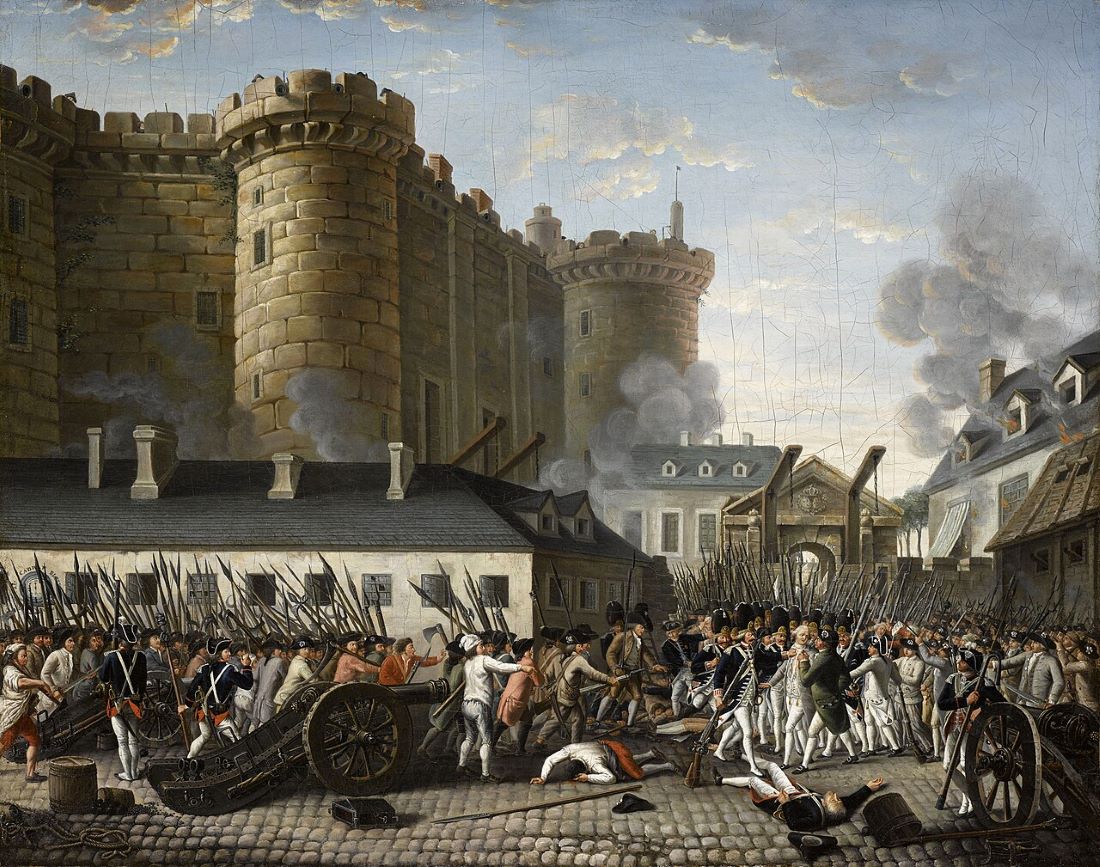
When the Estates-General convened in May 1789, the combination of long-term structural problems and this short-term climatic disaster proved explosive. The storming of the Bastille on 14 July 1789 was triggered in part by fears that royal troops would be used to suppress food riots amid the ongoing hunger.
A Perfect Storm
The French Revolution was the result of multiple overlapping crises. Political rigidity, financial insolvency, and social inequality had been building for decades. The Laki eruption provided the final, destabilizing shock, a “volcanic winter” that turned chronic problems into an acute catastrophe. Without the climatic disruption of 1783–1788, France might have staggered through the crisis with limited reforms. With it, the old regime collapsed with astonishing speed.
The story of Laki reminds us that nature has always been a powerful actor in human history. Sometimes, a volcano thousands of kilometers away can help topple a monarchy and reshape the modern world.
Currently Reading


Historical Challenge: Can You Conquer the Past?
Answer more than 18 questions correctly, and you will win a copy of History Chronicles Magazine Vol 1! Take our interactive history quiz now and put your knowledge to the test!