
 By istorija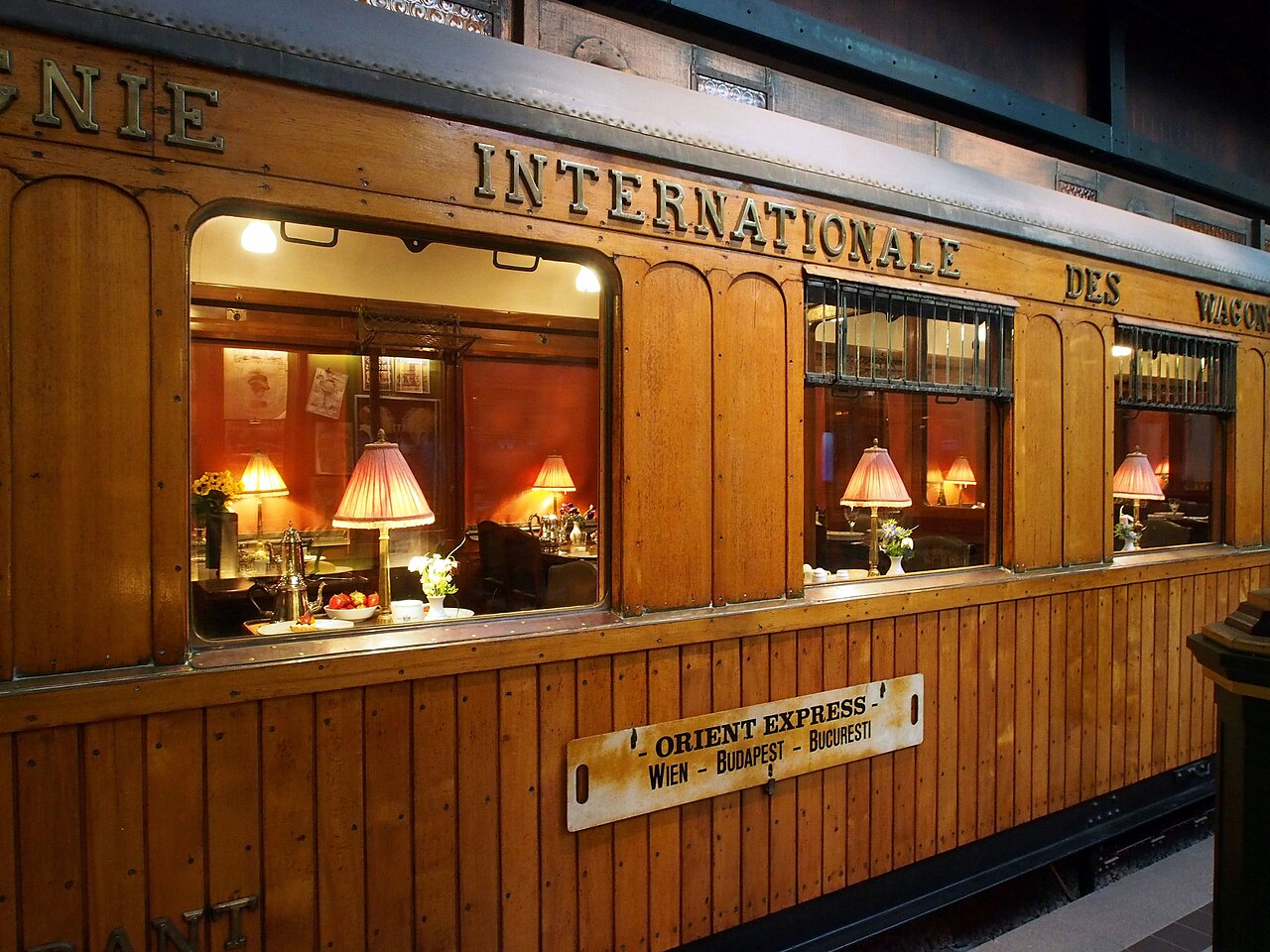
For more than a century, the name Orient Express has evoked images of luxury, mystery, and romance. Elegant wood-paneled carriages, crystal chandeliers, fine dining, and passengers who seemed to step straight out of a novel — this was the train that captured the imagination of generations. Agatha Christie chose it as the perfect setting for one of her most famous murder mysteries, and the train has since become a symbol of a lost, glamorous Europe.
But behind the legend lies a remarkable story of vision, engineering, diplomacy, and cultural transformation.
The Visionary Behind the Legend
The Orient Express was the brainchild of a Belgian engineer and entrepreneur named Georges Nagelmackers. Inspired by the American Pullman sleeping cars he had seen during a trip to the United States, Nagelmackers founded the Compagnie Internationale des Wagons-Lits in 1876. His goal was ambitious: to create a network of luxurious international trains that would allow passengers to travel across Europe in comfort and style, without the need to change trains or endure uncomfortable night journeys.
Nagelmackers’ real genius, however, was not only in the luxurious carriages he designed — with private compartments, plush upholstery, and elegant dining cars — but in the routes he established. He dreamed of a Europe without borders, connected by fast, comfortable rail links.
The Birth of the Orient Express
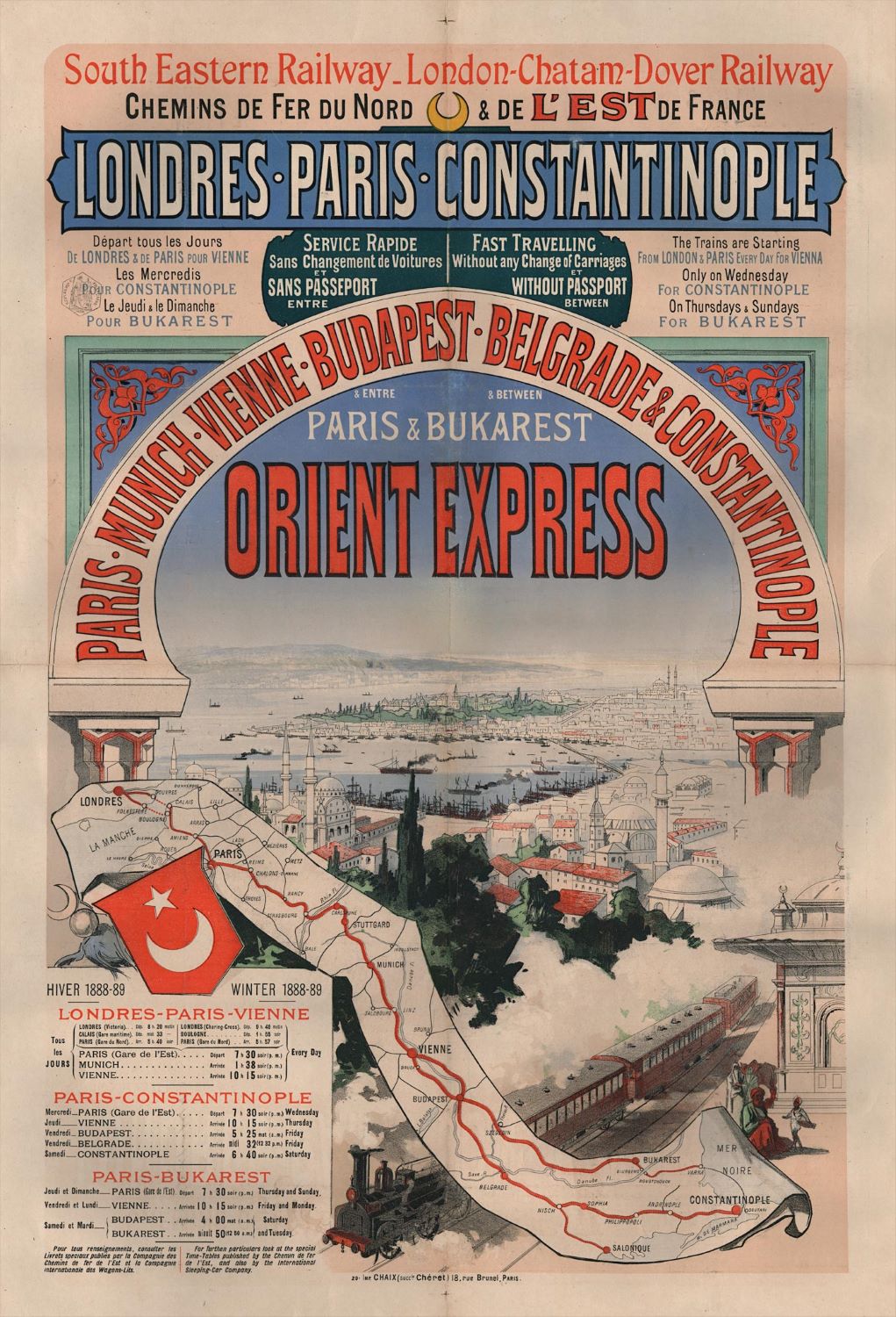
In 1883, Nagelmackers launched his most ambitious project: a train service from Paris to Constantinople (modern-day Istanbul). The inaugural journey began on October 4, 1883, from the Gare de l’Est in Paris. The train was scheduled to cover approximately 1,857 miles (2,989 km) and cross six countries.
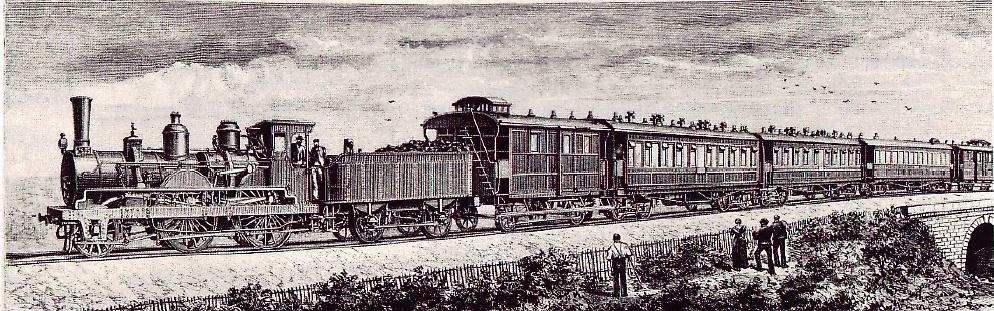
The journey was an immediate sensation. Journalists and VIPs aboard described an unprecedented level of luxury:
- Private compartments that converted into comfortable beds at night
- A dining car serving multi-course meals with fine wines
- A smoking room, library, and even shower facilities
The train quickly became known as the most glamorous way to travel between Western Europe and the exotic East. For many Western Europeans, it was their first real glimpse into the Balkans and the fading Ottoman Empire.
The Golden Age and Cultural Impact
The Orient Express reached its peak of fame and elegance in the 1920s and 1930s. Multiple routes operated under the Orient Express name, including the famous Simplon Orient Express, which ran via the Simplon Tunnel through Switzerland and Italy.
The train became a rolling microcosm of European society:
- Diplomats, spies, aristocrats, businessmen, and adventurers traveled together.
- It was a favorite route for intelligence agents during both World Wars and the Cold War.
- Its passengers included kings, film stars, writers, and notorious figures.
Agatha Christie’s 1934 novel Murder on the Orient Express cemented the train’s place in popular culture, even though no actual murder ever occurred on the real service.
The Decline and End of an Era
The glory days could not last forever. The rise of air travel, the economic devastation of two world wars, and the political division of Europe during the Cold War gradually eroded the Orient Express’s appeal. The original service to Istanbul ceased in 1977. A shorter version continued between Paris and Vienna until 2009, when even that was discontinued with the opening of high-speed lines.
Today, the Venice Simplon-Orient-Express operates as a luxury heritage train between London and Venice, offering an expensive but unforgettable experience for those who wish to step back in time.
Currently Reading


Historical Challenge: Can You Conquer the Past?
Answer more than 18 questions correctly, and you will win a copy of History Chronicles Magazine Vol 1! Take our interactive history quiz now and put your knowledge to the test!