
 By istorija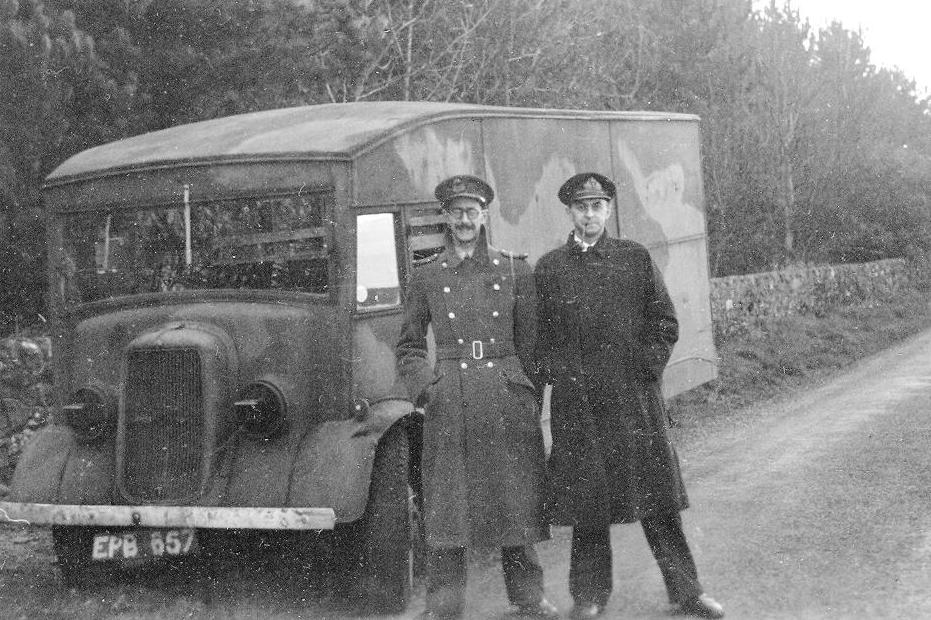
On April 17, 1943, a British submarine, HMS Seraph, quietly slipped beneath the waves carrying a most unusual passenger: the body of a homeless Welsh man named Glyndwr Michael. Just thirteen days later, on April 30, that same body, now transformed into the fictional Major William Martin of the Royal Marines, was pushed into the sea off the coast of Spain near the town of Huelva.
This was no ordinary burial at sea. It was the beginning of one of the most audacious and successful deception operations of the Second World War: Operation Mincemeat.
The Desperate Need for Deception
By early 1943, the Allies had decided to invade Sicily as the next step in the liberation of Europe. The problem was obvious: Sicily was the most logical target, and the Germans knew it. If the invasion was to succeed with acceptable losses, the enemy had to be convinced that the real target was somewhere else — preferably the Balkans.
British intelligence, led by the Twenty Committee (XX Committee), came up with an extraordinary plan: plant false documents on a corpse and let the Germans “discover” them.
Creating the Perfect Corpse
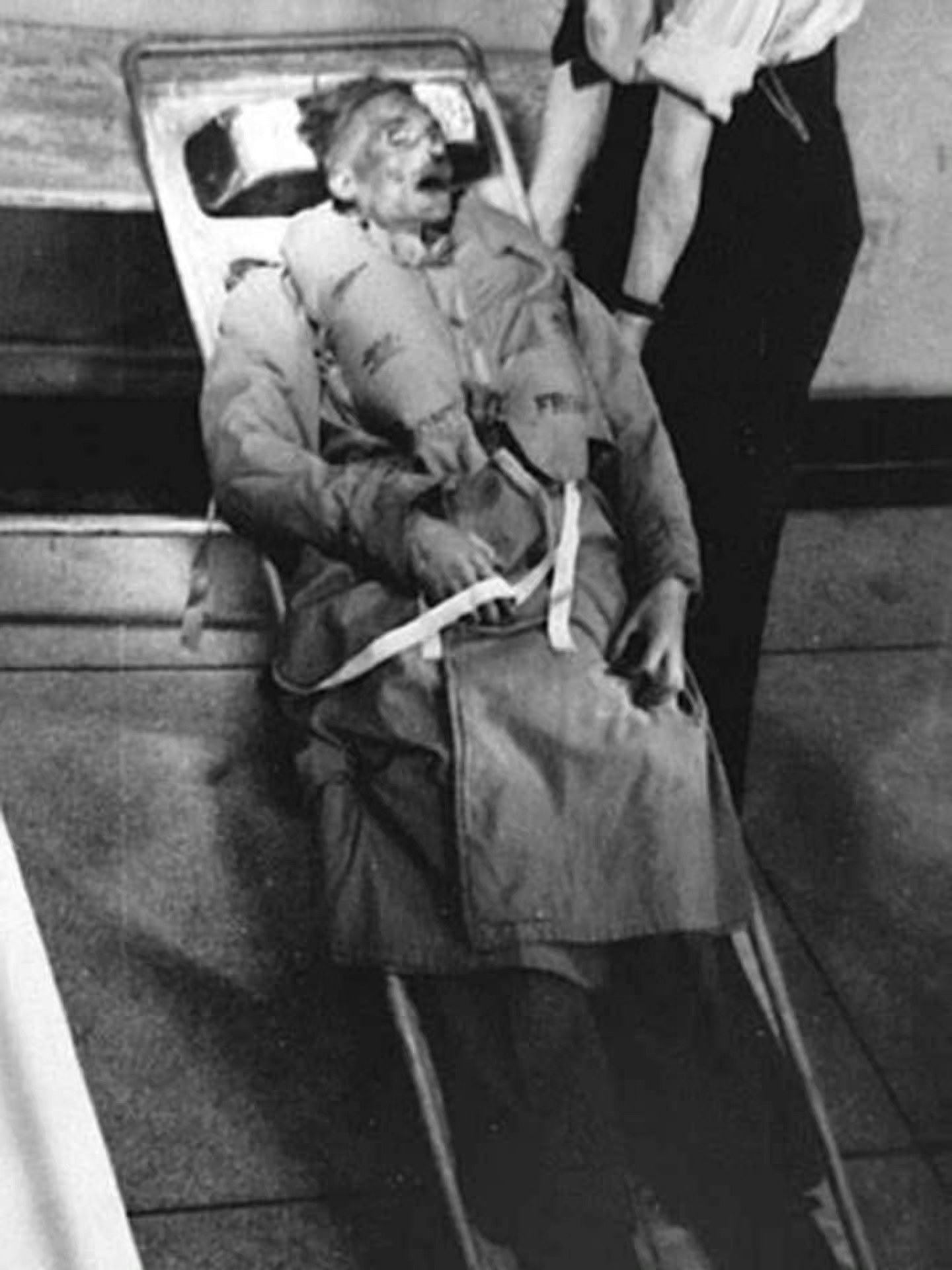
Glyndwr Michael was a 34-year-old homeless man who had died after eating rat poison in an abandoned warehouse in London. His body was in relatively good condition and, crucially, had no living relatives who would claim it.
British intelligence officers gave him a completely new identity:
- Major William Martin, a Royal Marine officer
- A fictional fiancée named “Pam” (complete with love letters and a photograph)
- Theatre tickets, a bill from a London club, and other personal items to make the persona believable
- Crucial “secret” documents suggesting that the main Allied invasion would target Greece and Sardinia, with Sicily used only as a diversion
The body was dressed in an officer’s uniform, placed in a specially designed canister, and kept on ice aboard HMS Seraph.
The Drop and the Bait
On April 30, 1943, the submarine surfaced off the Spanish coast. The canister was opened and the body was gently placed in the water. The tide carried “Major Martin” toward the shore, where he was discovered by a local fisherman the next morning.
Spain, although officially neutral, was known to have close intelligence ties with Nazi Germany. As the British had hoped, Spanish authorities quickly passed the documents to the Germans.
The Stunning Success
The deception worked better than anyone could have imagined. Hitler and the German High Command became convinced that the main Allied attack would come in the Balkans. As a result, they diverted significant forces, including panzer divisions, away from Sicily to defend Greece and Sardinia.
When the Allies landed in Sicily on July 10, 1943 (Operation Husky), they faced far lighter resistance than expected. The campaign, though still bloody, succeeded much faster and with fewer casualties than it otherwise would have.
Winston Churchill reportedly quipped: “Any man who can’t get a corpse to lie is a failure in life.”
The Human Story Behind the Deception
Glyndwr Michael had lived and died in poverty and anonymity. In death, he was given a new name, a rank, and a purpose. He was buried in Huelva with full military honors under the name Major William Martin. A small monument still stands there today.
His real identity was kept secret for decades. It was only in the 1990s that researchers confirmed that the body used in Operation Mincemeat belonged to Glyndwr Michael.
In an age when disinformation has become a constant feature of global affairs, the story reminds us how fragile truth can be, and how effectively a well-crafted deception can change the course of history.
Currently Reading


Historical Challenge: Can You Conquer the Past?
Answer more than 18 questions correctly, and you will win a copy of History Chronicles Magazine Vol 1! Take our interactive history quiz now and put your knowledge to the test!