
 By istorija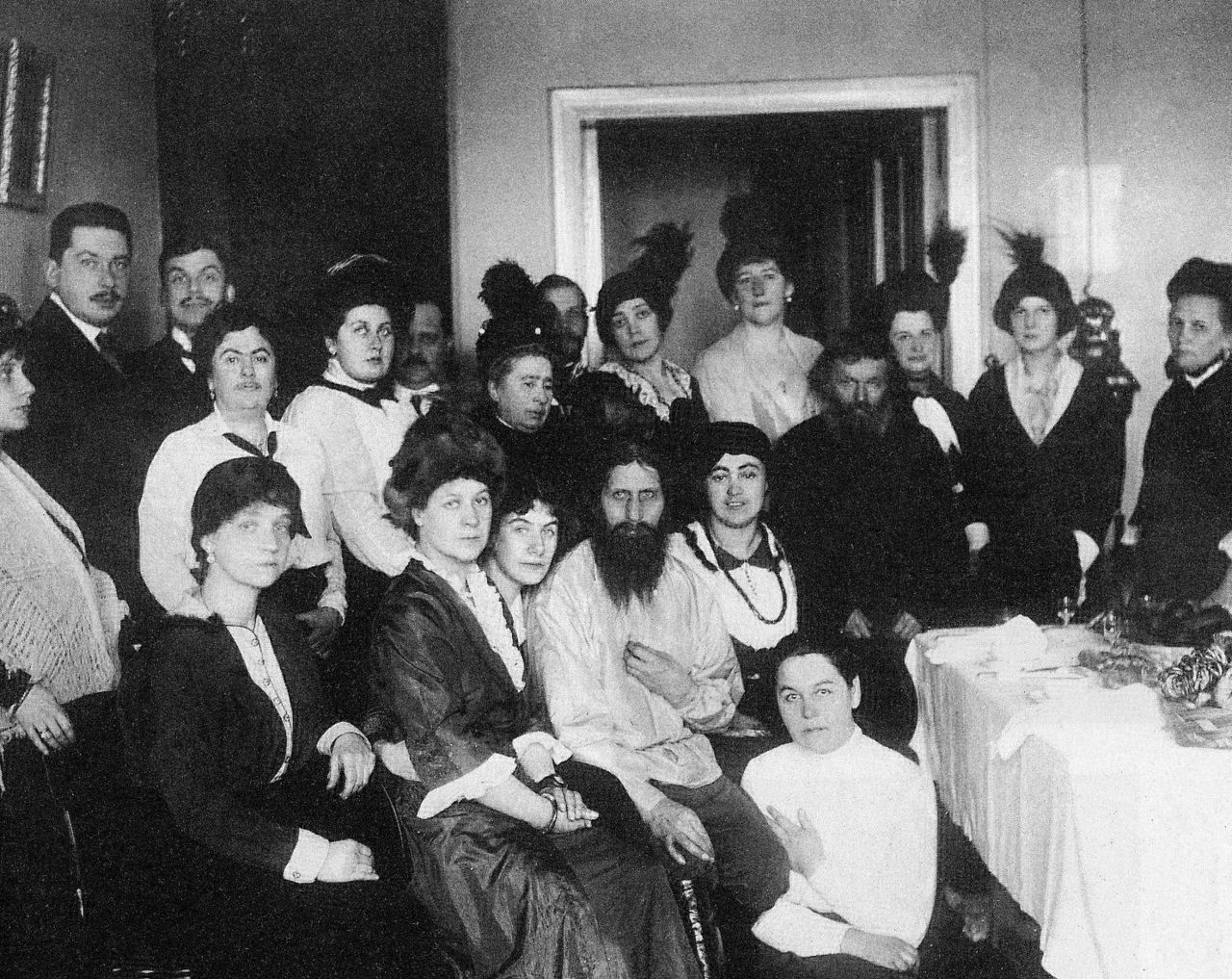
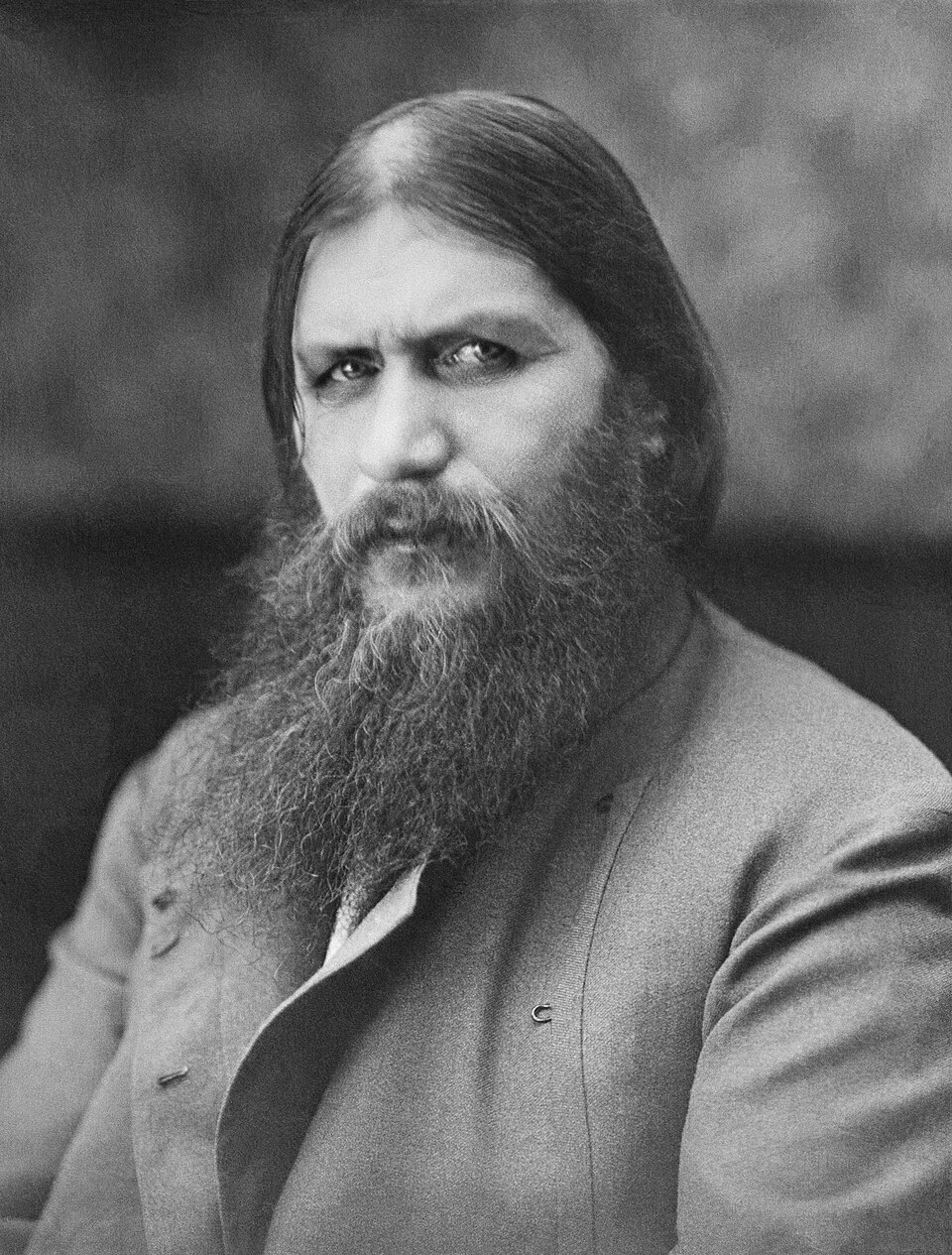
Grigori Yefimovich Rasputin (1869-1916) remains one of the most fascinating and controversial figures of the 20th century. To some, he was a saintly mystic and healer. To others, he was a debauched charlatan whose influence over the Russian imperial family accelerated the collapse of the Romanov dynasty. Even today, more than a century after his death, Rasputin continues to captivate the imagination as the “Mad Monk” or the “Holy Devil” — a man whose life blended genuine spirituality, political intrigue, sexual scandal, and national tragedy.
The Making of a Legend
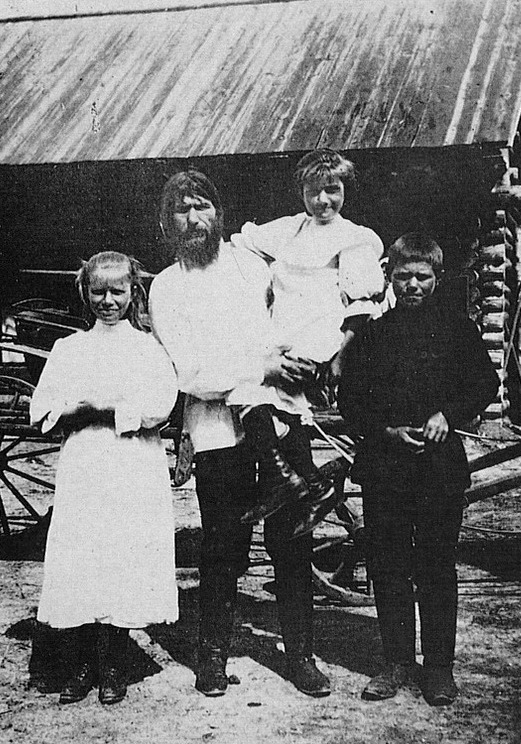
Born in 1869 into a poor peasant family in the remote Siberian village of Pokrovskoye, Rasputin’s early life was unremarkable. He married young, had children, and lived as a typical Siberian peasant. Everything changed when he began a series of pilgrimages to holy sites across Russia. He developed a reputation as a starets — a wandering holy man with supposed healing powers and deep spiritual insight.
Rasputin’s big break came in 1905 when he was introduced to Tsar Nicholas II and Tsarina Alexandra. Their only son, Tsarevich Alexei, suffered from hemophilia, a hereditary bleeding disorder. Conventional doctors could do little. Rasputin appeared to ease the boy’s suffering through prayer and hypnosis-like techniques. For the desperate imperial couple, this was nothing short of a miracle. Rasputin quickly gained unprecedented access to the royal family.
The Myths and the Reality
Popular culture has painted Rasputin as a lecherous, drunken manipulator who seduced the Tsarina and controlled the Russian court through black magic. While he was certainly no saint, the truth is more complex.
The Myths:
- He was a sex-obsessed monster who slept with the Tsarina and her daughters.
- He single-handedly dictated Russian policy during World War I.
- He possessed supernatural powers and could not be killed by ordinary means (the famous story of surviving poison, bullets, and drowning).
The Historical Reality: Rasputin was a deeply religious man with a charismatic personality and a talent for comforting the Tsarevich. He did exert significant influence over Alexandra, especially after 1915 when Nicholas II took personal command of the army and left governance in her hands. Rasputin’s advice often proved disastrous — he urged the dismissal of competent ministers and promoted incompetent ones loyal to him. His behavior in Petrograd (drinking, womanizing, and boasting) created a public scandal that severely damaged the prestige of the monarchy.
However, many of the wildest stories about him were exaggerated or fabricated by his enemies. He was not the puppet master of Russian policy, but rather a symptom of the Romanov dynasty’s isolation and poor decision-making.
The Murder and the End of an Era
By late 1916, Rasputin had become a lightning rod for discontent. A group of nobles, led by Prince Felix Yusupov and Grand Duke Dmitri Pavlovich, decided to assassinate him. On the night of December 29–30, 1916, they lured him to Yusupov’s palace. According to the conspirators’ accounts (which contain inconsistencies), Rasputin survived cyanide-laced cakes and wine, multiple gunshot wounds, and only died after being beaten and thrown into the icy Neva River.
The murder did not save the monarchy. Just two months later, the February Revolution of 1917 forced Tsar Nicholas II to abdicate. The Romanov family was later executed by the Bolsheviks in 1918.
Rasputin’s Enduring Legacy
More than a century later, Rasputin continues to fascinate. He has been portrayed in countless films, books, and songs — often as a demonic figure with hypnotic eyes and superhuman vitality. Modern historians tend to see him as a complex product of his time: a sincere (if flawed) religious mystic who found himself thrust into the center of power in a crumbling empire.
His story highlights several important truths about late imperial Russia:
- The dangerous isolation of the Romanov court from Russian society.
- The desperation of the imperial family and their willingness to trust anyone who could help their sick son.
- The power of rumor and scandal to undermine even the strongest monarchy.
Rasputin did not cause the Russian Revolution, but he became its perfect symbol — a man whose very presence exposed the rot at the heart of the old regime.
The “Holy Devil” remains a mirror in which we see both the tragedy of imperial Russia and our own enduring fascination with larger-than-life characters who seem to defy ordinary explanation.
Currently Reading

Historical Challenge: Can You Conquer the Past?
Answer more than 18 questions correctly, and you will win a copy of History Chronicles Magazine Vol 1! Take our interactive history quiz now and put your knowledge to the test!