
 By istorija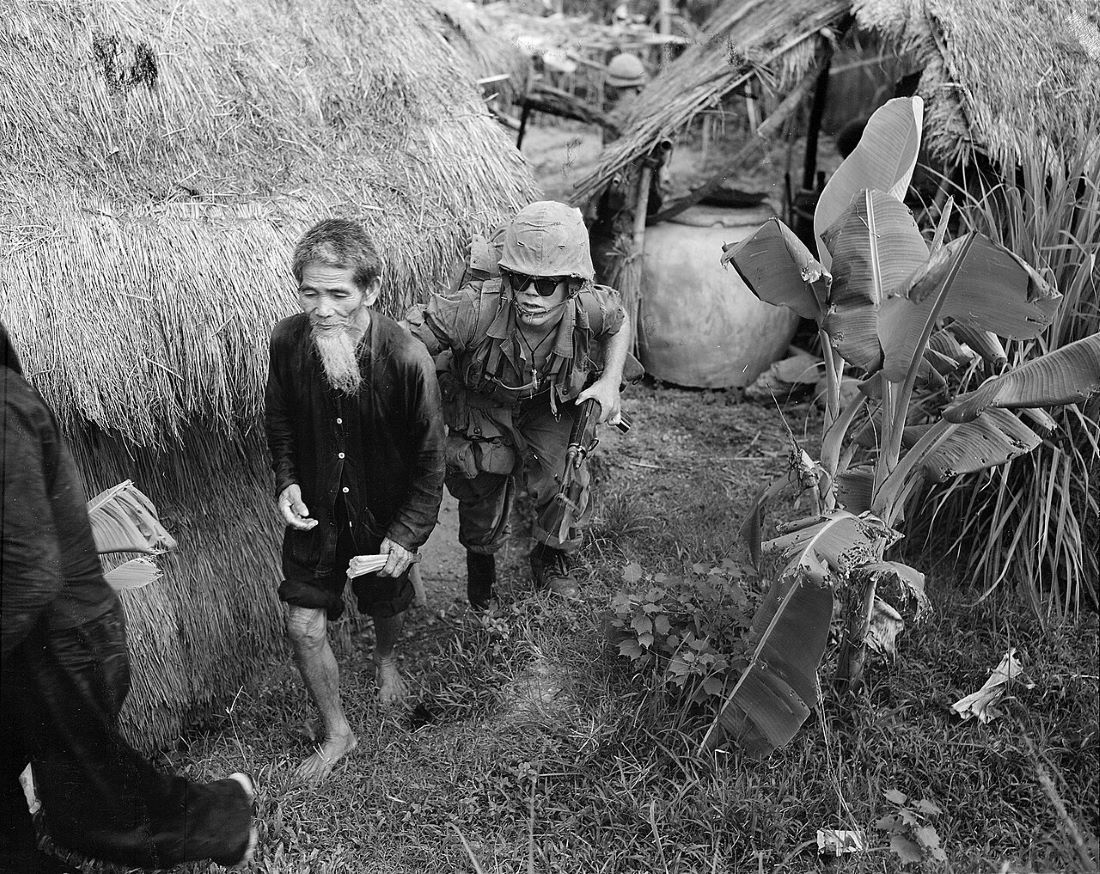
The Vietnam War (1955–1975) remains one of the most painful and divisive conflicts in American history. Despite possessing overwhelming military superiority, the world’s richest economy, and the most advanced technology of its time, the United States failed to achieve its objectives and ultimately withdrew in defeat. North Vietnam and the Viet Cong achieved unification under communist rule in 1975.
Understanding why the U.S. lost requires looking beyond simple military explanations. It was a complex failure involving strategy, politics, culture, ideology, and the nature of the war itself.
The Strategic Objectives and the Cold War Context
The United States entered Vietnam as part of its broader Cold War strategy of containment – preventing the spread of communism. American policymakers feared the “Domino Theory”: if South Vietnam fell, other countries in Southeast Asia would follow.
The official goal was to preserve an independent, non-communist South Vietnam. However, this objective was fundamentally flawed from the beginning:
- The conflict was not just a civil war between North and South. It was also a war of national liberation against foreign influence.
- The North Vietnamese and Viet Cong were fighting for unification and independence, while the U.S. was fighting to maintain an artificial division created after the French defeat at Dien Bien Phu in 1954.
The Nature of the War – Conventional vs Guerrilla
The U.S. military was designed and trained for conventional, high-intensity warfare against peer adversaries (like the Soviet Union). In Vietnam, they faced a highly effective guerrilla enemy that blended with the civilian population, used hit-and-run tactics, and operated in difficult jungle terrain.
- The Viet Cong and North Vietnamese Army (NVA) mastered asymmetric warfare: ambushes, booby traps, tunnels, and political warfare among the local population.
- American forces won almost every major set-piece battle, but they could not “win” a war where the enemy refused to fight on American terms and enjoyed widespread support (or at least passive acceptance) from large parts of the South Vietnamese population.
The Role of Other Powers
The war was never just between the U.S. and North Vietnam:
- Soviet Union and China provided massive military and economic aid to North Vietnam, including advanced anti-aircraft systems, tanks, and advisors.
- China sent hundreds of thousands of support troops (logistics, engineering, anti-aircraft units) to keep North Vietnam fighting.
- The Soviet Union supplied sophisticated weapons and diplomatic support.
This international backing allowed North Vietnam to sustain a long war of attrition that the United States eventually found politically and economically unsustainable.
The Home Front and Political Will
Perhaps the most decisive factor was the collapse of political will in the United States:
- As casualties mounted (over 58,000 American dead) and television brought the horrors of war into American living rooms, public support eroded.
- The Tet Offensive in 1968, although a military defeat for the communists, was a psychological victory that shattered American confidence.
- The draft, rising anti-war protests, and the credibility gap between official statements and reality deeply divided American society.
By the early 1970s, the American public and Congress no longer had the stomach for a prolonged war. The Paris Peace Accords of 1973 allowed the U.S. to withdraw, but without adequate guarantees for South Vietnam’s survival.
The Final Collapse
After the U.S. withdrawal, South Vietnam was left to fight alone. In 1975, North Vietnam launched a final offensive. Without American air support and with dwindling supplies, South Vietnamese resistance collapsed rapidly. Saigon fell on April 30, 1975, and Vietnam was unified under communist rule.
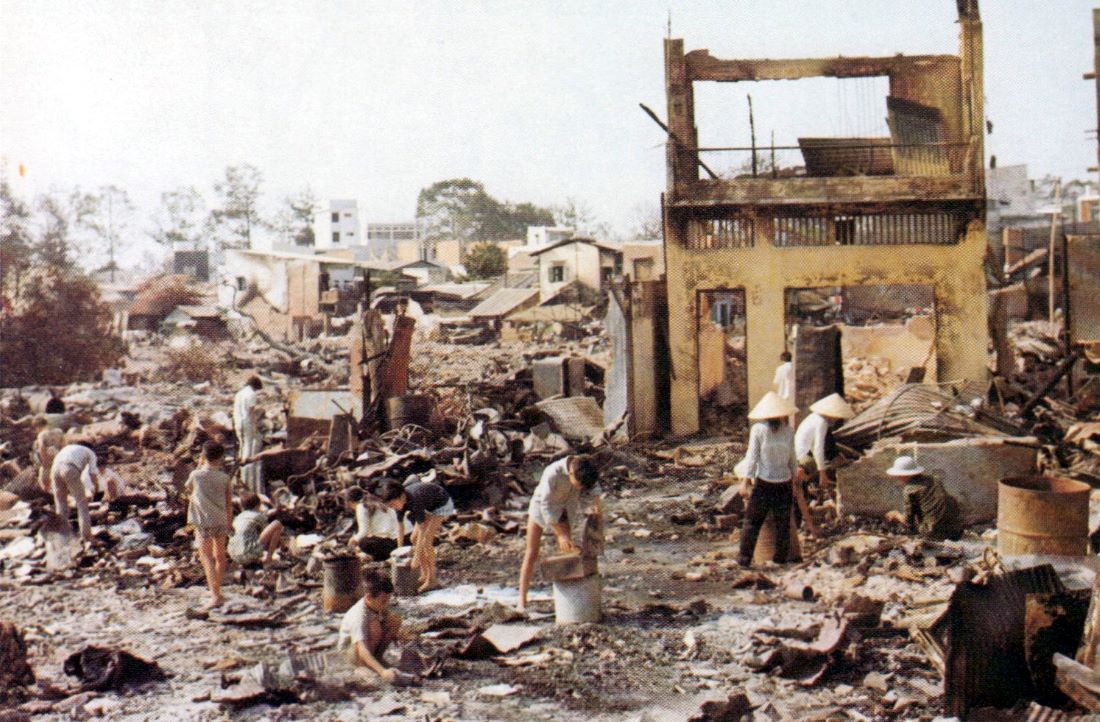
The Vietnam War forced America to confront several painful lessons:
- Limits of military power: Superior technology and firepower cannot always overcome determined guerrilla warfare and strong political motivation.
- The importance of clear, achievable objectives: “Containing communism” was too vague. Without a realistic endgame, the war became unsustainable.
- The power of public opinion: In a democracy, a war cannot be sustained without broad domestic support.
- The dangers of nation-building: Attempting to create a stable, democratic South Vietnam proved extremely difficult in the face of corruption, weak institutions, and determined opposition.
- Asymmetric warfare: Future conflicts would require better understanding of culture, local dynamics, and non-conventional tactics.
These lessons influenced U.S. military doctrine for decades, shaping the “Powell Doctrine” (overwhelming force with clear objectives and public support) and caution about large-scale ground interventions.
The United States did not lose the Vietnam War because its soldiers were not brave or capable enough. American troops fought with courage and professionalism. The defeat was strategic and political, not military in the traditional sense.
Vietnam showed that even the most powerful nation can lose a war if it misjudges the nature of the conflict, underestimates the enemy’s will, and loses the support of its own people.
Currently Reading


Historical Challenge: Can You Conquer the Past?
Answer more than 18 questions correctly, and you will win a copy of History Chronicles Magazine Vol 1! Take our interactive history quiz now and put your knowledge to the test!