
 By istorija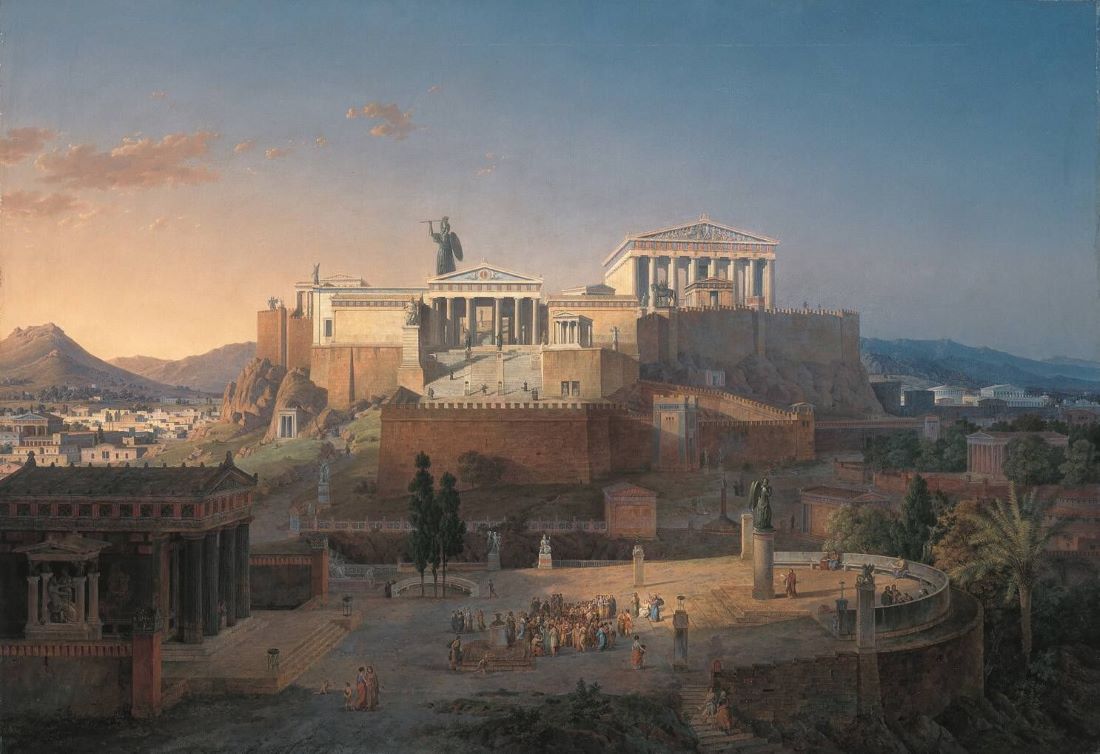
In 480 BCE, the greatest empire the world had ever seen set its sights on conquering a small, fractured land of city-states. The Persian Empire under King Xerxes I was a colossus, stretching from India to Egypt, commanding vast armies, immense wealth, and the most powerful navy of its time. Against it stood the Greeks: proud, divided, and vastly outnumbered.
What happened next ranks among the most astonishing military achievements in human history.
The Persian Colossus
Xerxes assembled one of the largest invasion forces ever recorded. Modern historians estimate his army at between 100,000 and 300,000 soldiers, supported by over a thousand ships. The Persians expected a swift victory. After all, they had already crushed many nations. Why should a collection of quarreling Greek cities be any different?
But the Greeks had something the Persians did not: a fierce determination to defend their freedom and a deep understanding of their rugged homeland.
Thermopylae: The Heroic Delay
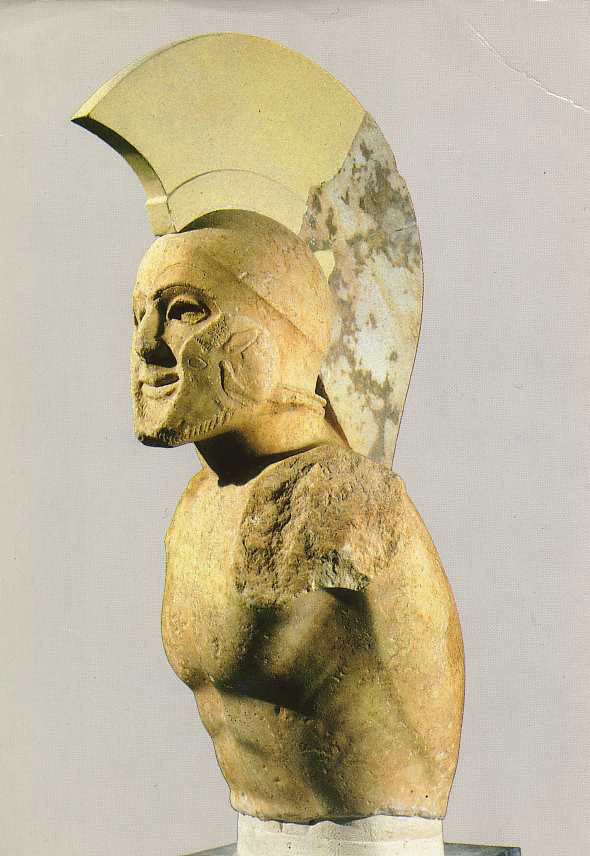
The first major clash came at the narrow pass of Thermopylae. King Leonidas of Sparta and a small allied force, including his famous 300 Spartans, chose to make their stand there. The narrow terrain nullified the Persians’ overwhelming numbers. For three days, the Greeks held the pass against wave after wave of attackers, including Xerxes’ elite Immortals.
Though the Greeks were eventually outflanked and Leonidas and his men were killed, Thermopylae was not a defeat in the strategic sense. It bought precious time for the rest of Greece to prepare. The sacrifice became legendary, a symbol of courage against impossible odds.
Salamis: The Naval Masterstroke
With Athens evacuated and the Persians burning the city, the decisive moment came at sea. The Athenian general Themistocles lured the much larger Persian fleet into the narrow straits of Salamis. There, the heavier and less maneuverable Persian ships were at a disadvantage. In one of the most brilliant naval victories of antiquity, the Greek fleet destroyed or captured hundreds of Persian vessels.
Xerxes, watching the disaster from a throne on a nearby hill, was forced to withdraw the bulk of his army back to Asia. The invasion had been broken.
Plataea: The Final Blow
The following year, in 479 BCE, a united Greek army under Spartan command met the remaining Persian forces at Plataea. In a hard-fought battle on land, the disciplined Greek hoplites once again proved superior in close combat. The Persian army was decisively defeated, ending the invasion for good.
Why the Greeks Won
The Persian failure was not due to a single factor, but a combination of Greek strengths and Persian weaknesses:
- Superior tactics and equipment: The Greek hoplite phalanx was devastating in the confined spaces where the battles were fought.
- Brilliant leadership: Leonidas, Themistocles, and Pausanias made critical decisions at exactly the right moments.
- Fighting for freedom: The Greeks were defending their homes, their families, and their way of life. This gave them a moral and psychological edge that the conscripted Persian troops often lacked.
- Persian overextension: Supplying and controlling such a massive army so far from home proved extremely difficult.
The Greeks did not win because they were invincible. They won because they were smart, disciplined, and utterly determined when it mattered most.
A Legacy That Still Echoes
The Greek victory against Persia was not merely military, it was civilizational. It preserved the independence of the Greek city-states and allowed the golden age of classical Greece to flourish. The ideas, philosophy, democracy, and culture that developed in the following decades would go on to shape Western civilization for millennia.
The story of how a handful of Greeks turned back the greatest empire of their time continues to inspire because it shows that courage, strategy, and unity can overcome even the most overwhelming odds.
It is a reminder that sometimes the smallest nations, when fighting for their freedom, can change the course of history.
Currently Reading

Historical Challenge: Can You Conquer the Past?
Answer more than 18 questions correctly, and you will win a copy of History Chronicles Magazine Vol 1! Take our interactive history quiz now and put your knowledge to the test!