
 By istorija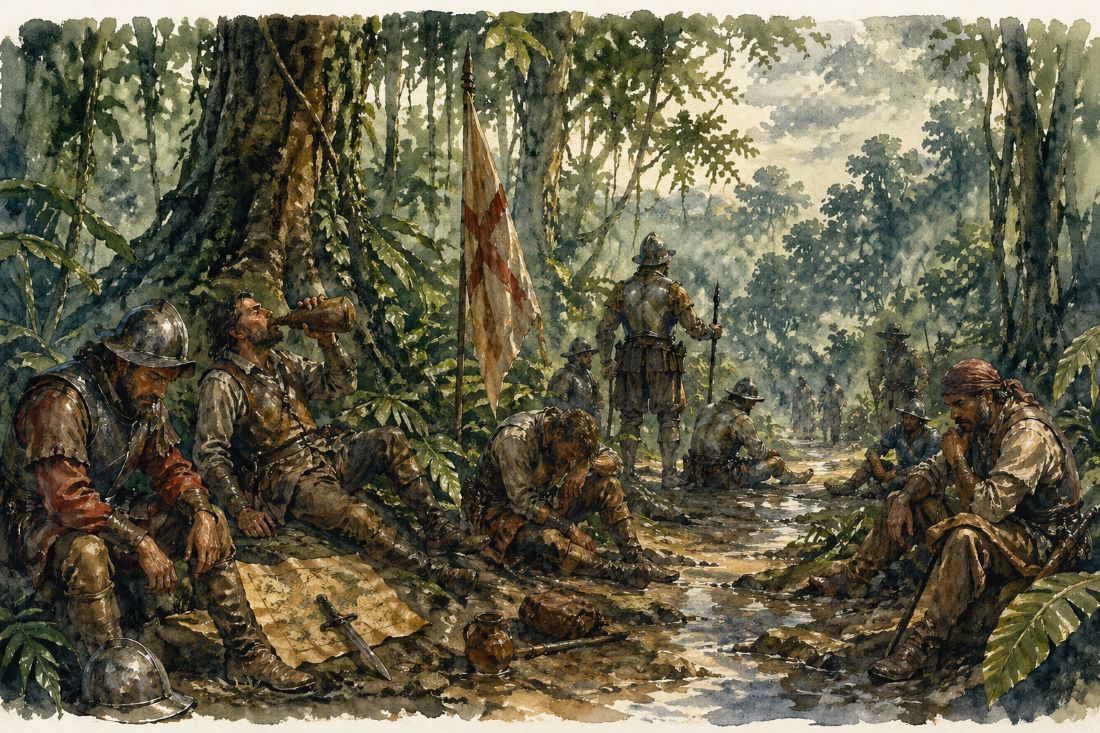
For nearly 500 years, the legend of El Dorado has captivated the Western imagination. A city, or sometimes a king, so rich that its ruler was covered daily in gold dust. A kingdom where gold was as common as sand. An empire of unimaginable wealth hidden somewhere in the unexplored jungles of South America.
Generations of explorers, conquistadors, and dreamers sacrificed fortunes, health, and lives in pursuit of this golden mirage. But was El Dorado ever real? Or was it one of history’s most powerful and enduring myths?
The Birth of the Legend
The story began in the early 16th century, shortly after the Spanish conquest of the Inca Empire. Spanish explorers heard indigenous tales of a ritual practiced by the Muisca people of the high Andes in present-day Colombia.
According to these accounts, a new Muisca king would cover his body in gold dust, raft out to the middle of Lake Guatavita, and throw precious offerings of gold and emeralds into the sacred waters as an offering to the gods. The Spanish, already obsessed with gold after the riches of the Inca, transformed this localized religious ceremony into something far grander: the legend of El Dorado – “the Gilded Man.”
For the Muisca, gold was not a currency of wealth, but a bridge between the human and the divine. It reflected the sun, a sacred force, and was valued for its spiritual power rather than its economic worth.
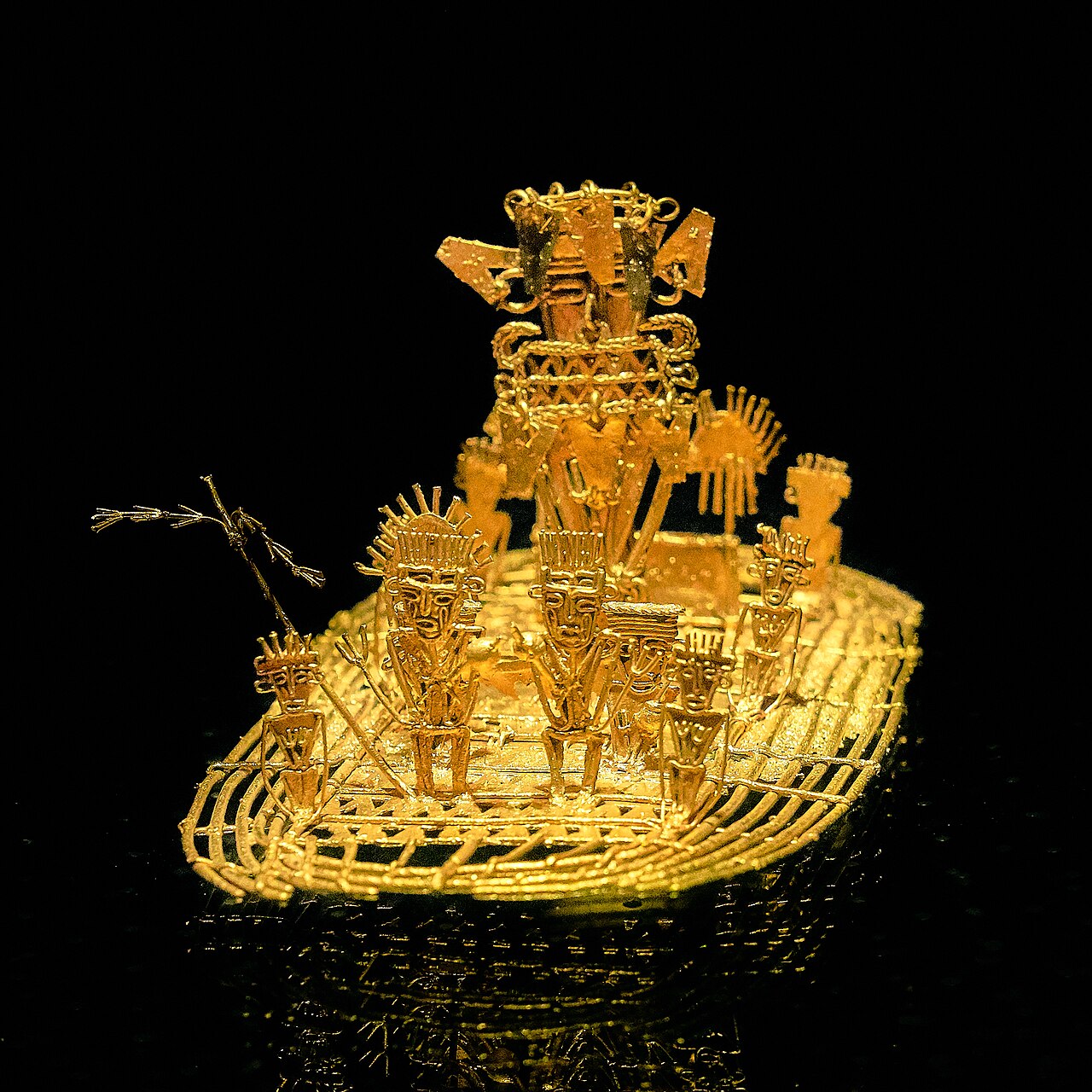
Over time, the story evolved. El Dorado was no longer just a king, but an entire city or kingdom paved with gold. The location shifted, first near Bogotá, then deeper into the Amazon, then toward Guyana. Each failed expedition only made the myth more seductive.
The Deadly Quest for Gold
The search for El Dorado became an obsession that destroyed countless lives:
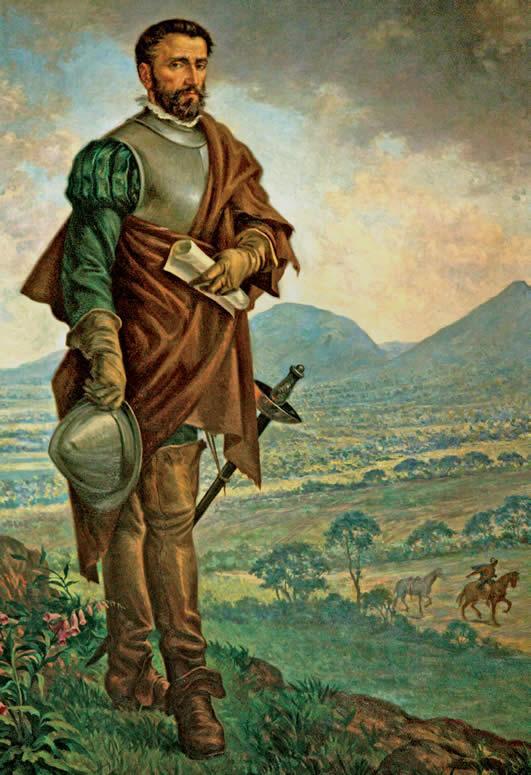
- Gonzalo Jiménez de Quesada (1537) explored the Colombian highlands and encountered the Muisca, but found no golden city.
- Francisco de Orellana (1541–1542) became the first European to navigate the entire Amazon River while searching for El Dorado. His expedition suffered horrific losses.
- Sir Walter Raleigh (1595 and 1617) led two disastrous expeditions into Guyana, convinced that El Dorado lay there. Both ended in failure and contributed to his eventual execution.
Hundreds of men died from disease, starvation, drowning, and warfare. Entire expeditions vanished into the jungle, never to be seen again. The quest for El Dorado became a symbol of human greed, hubris, and the deadly power of myth.
What Was Really There?
Modern archaeology and anthropology have revealed the kernel of truth behind the legend:
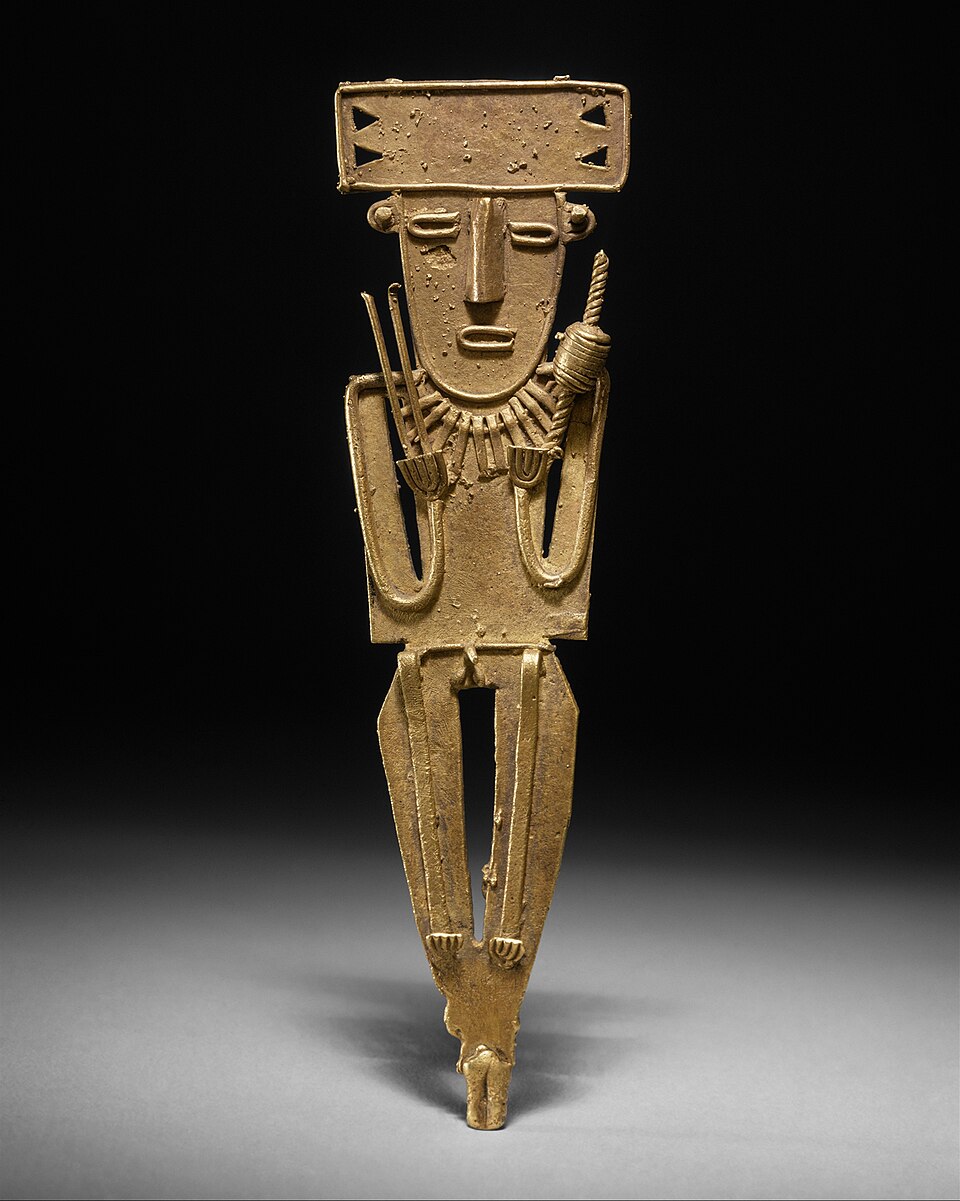
- The Muisca civilization was indeed rich in gold. They were master goldsmiths who created stunning tunjos (votive figurines) and used gold extensively in religious ceremonies.
- The ritual of the gilded king on Lake Guatavita was real. In 1856, workers dredging the lake recovered hundreds of golden artifacts, confirming the Spanish accounts.
- However, there was never a city of gold. The Muisca used gold symbolically and ritually, not as a building material. Their society was sophisticated but not built on vast accumulations of gold like the Inca.
The Spanish misunderstood and exaggerated what they heard. The “Gilded Man” was a religious ceremony, not a description of a wealthy empire.
Why the Myth Refused to Die
El Dorado became more than a story about gold. It represented:
- The European fantasy of unlimited wealth in an unknown continent.
- The belief that somewhere beyond the next river lay a perfect, untouched paradise.
- The dangerous allure of easy riches that justified conquest and exploitation.
Even after it became clear that no golden city existed, the legend persisted in literature, art, and exploration. It inspired Sir Walter Raleigh, Alexander von Humboldt, and even modern treasure hunters.
The Real Legacy
The search for El Dorado had devastating consequences:
- It contributed to the brutal conquest and exploitation of indigenous peoples across South America.
- It spread disease and violence deep into the Amazon.
- It wasted enormous resources and lives on a fantasy.
Yet it also drove genuine exploration and mapping of previously unknown regions. The failure to find El Dorado ultimately helped Europeans understand the true complexity and richness of pre-Columbian civilizations.
El Dorado was never a physical place. It was a powerful myth born from a real ritual, magnified by greed, hope, and the European inability to comprehend the cultures they encountered.
Currently Reading

Historical Challenge: Can You Conquer the Past?
Answer more than 18 questions correctly, and you will win a copy of History Chronicles Magazine Vol 1! Take our interactive history quiz now and put your knowledge to the test!