
 By istorija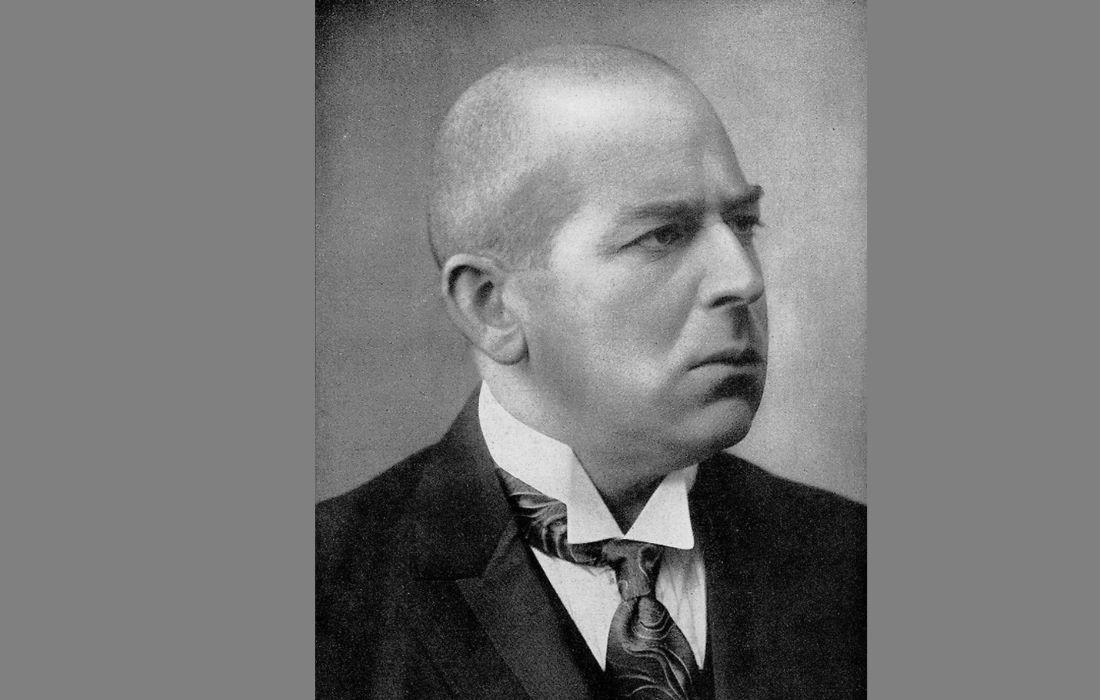
Oswald Spengler’s The Decline of the West (1918–1922) remains one of the most provocative works of 20th-century philosophy of history. Rejecting linear progress, Spengler viewed civilizations as living organisms with fixed life cycles: birth, growth, maturity, and inevitable decline into “civilization” — a petrified, materialistic final phase. He saw the West (“Faustian” culture) as entering its winter stage, just as the Classical (Apollonian) civilization of Greece and Rome had done centuries earlier.
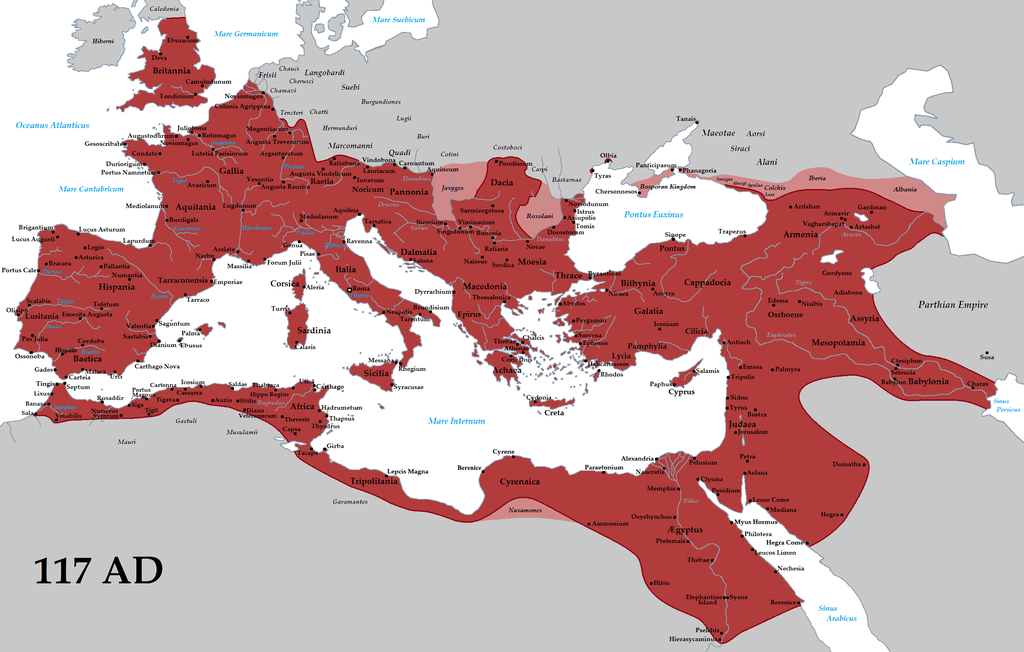
One of the most haunting parallels Spengler and later thinkers drew is between the fall of the Western Roman Empire (5th century CE) and the trajectory of modern Western civilization. Both periods feature massive migrations, demographic crises, economic strain, and a perceived loss of vital energy (what Spengler called “decadence”). This article examines those parallels objectively, using historical evidence and demographic data, while acknowledging where the analogy holds and where it breaks down.
The Fall of Rome – A Perfect Storm of Migration, Demography, and Decadence
The Western Roman Empire did not collapse in a single dramatic event in 476 CE. It disintegrated gradually through a combination of internal weaknesses and external pressures:
- Mass Migrations (“Barbarian Invasions”): From the late 4th century onward, large groups of Germanic tribes (Visigoths, Vandals, Ostrogoths, Franks) and later Huns crossed the Rhine and Danube frontiers. The sack of Rome by the Visigoths in 410 CE and the Vandal conquest of North Africa (429–439 CE) were devastating. These were not purely military invasions — many were refugee movements triggered by climate shifts and pressure from the Huns.
- Demographic Decline: The Roman elite experienced falling birth rates as early as the 1st–2nd centuries CE. Wealthy families practiced contraception, abortion, and childlessness; lead poisoning from water pipes and wine vessels may have contributed. Meanwhile, the empire relied increasingly on barbarian recruits for its legions. By the 5th century, the native Italian and provincial population was shrinking while non-Roman groups grew.
- Economic and Cultural Decadence: Heavy taxation, inflation, depopulation of rural areas, and the concentration of wealth in the hands of large landowners weakened the state. Spengler and earlier historians like Edward Gibbon pointed to moral and civic decay — loss of republican virtue, hedonism among the elite, and reliance on bread and circuses. Christianity’s rise (while providing new cohesion) shifted focus from civic duty to otherworldly salvation in the eyes of some critics.
The result was a slow hollowing out: the empire could no longer sustain its borders, army, or administrative apparatus. The Western half fragmented into barbarian kingdoms; the Eastern (Byzantine) half survived for another millennium.
The Modern West – Parallel Pressures in the 21st Century?
Spengler argued that Western civilization had entered its “civilization” phase by the 19th–20th centuries — marked by materialism, megacities, democracy turning into plutocracy, and loss of creative vitality. Contemporary data shows several unsettling parallels:
- Demographic Crisis: Fertility rates across Europe and North America have fallen well below the replacement level of 2.1 children per woman. In 2024–2025, the EU average hovers around 1.4–1.5, with countries like Italy, Spain, and Germany below 1.3. The United States stands at approximately 1.6. This native population decline is projected to accelerate aging and shrink the working-age population dramatically by 2050–2100.
- Mass Migration: Since the 1960s (and especially after 2015), Europe and North America have experienced large-scale immigration from Africa, the Middle East, Latin America, and Asia. These inflows have altered the ethnic and cultural composition of Western societies. In many European countries, non-European origin populations now form significant and growing minorities in major cities. This mirrors the barbarian migrations that gradually transformed Roman demographics and culture.
- Cultural and Moral Decadence: Spengler described the final phase as one of “Caesarism” (strongman rule), materialism, declining birth rates among the creative classes, and the triumph of money over organic culture. Critics today point to falling trust in institutions, declining religiosity and family formation among native populations, elite detachment, and a consumerist, hedonistic culture that discourages long-term investment in the future (children, community, tradition).

Crucial Differences – Why History Is Not Destiny
While the parallels are striking, important distinctions exist:
- Rome lacked modern technology, medicine, and institutions. Today’s West has unprecedented wealth, scientific knowledge, and democratic resilience.
- Rome faced existential military threats from unified barbarian confederations. Modern migration is largely economic and humanitarian, not conquest by armies.
- The Roman elite largely failed to integrate newcomers culturally. Contemporary Western societies have far greater capacity for assimilation, though success varies widely.
- Spengler himself did not frame decline in purely racial terms. He spoke of the “Faustian soul” — a cultural-spiritual force — not skin color. Later interpretations sometimes twisted his ideas into biological determinism.
Civilizations do not simply “die” and disappear; they transform. The Roman legacy survived in law, language, Christianity, and governance across Europe. Similarly, Western values (individual rights, science, rule of law) have spread globally and may persist even as demographic majorities shift.
Spengler’s organic model of history offers a powerful lens: civilizations rise through vital creativity and decline through exhaustion and external pressures. The Roman Empire’s fall shows how unchecked migration, elite demographic decline, and cultural decadence can erode a once-mighty system. The modern West displays similar symptoms — sub-replacement fertility among native populations, large-scale demographic change through immigration, and a sense of civilizational fatigue in parts of the elite.
Yet history is not predetermined. Rome’s collapse was accelerated by its inability to adapt. Whether the West repeats that fate or renews itself through innovation, cultural confidence, and realistic demographic policies remains an open question — and one of the defining challenges of our age.
The Roman Empire fell. The question is whether the West will learn from that fall — or simply relive it in slower motion.
Currently Reading
Historical Challenge: Can You Conquer the Past?
Answer more than 18 questions correctly, and you will win a copy of History Chronicles Magazine Vol 1! Take our interactive history quiz now and put your knowledge to the test!