
 By istorija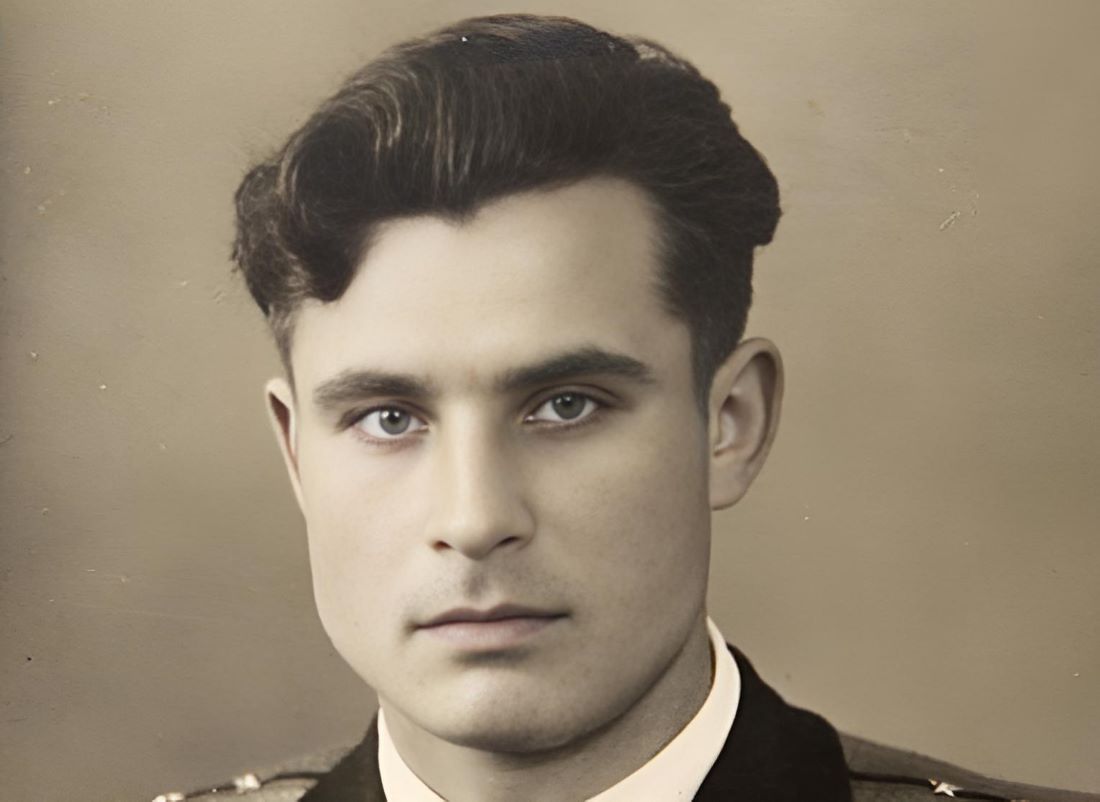
On October 27, 1962, at the height of the Cuban Missile Crisis, the world stood closer to nuclear war than at any other moment in human history. While President Kennedy and Premier Khrushchev were engaged in tense diplomatic negotiations, a single decision made thousands of miles away, deep beneath the surface of the Atlantic Ocean, may have prevented the destruction of civilization.
That decision was made by a quiet, disciplined Soviet naval officer named Vasily Aleksandrovich Arkhipov.
The Most Dangerous Day of the Cold War
By late October 1962, the United States had imposed a naval quarantine around Cuba. Soviet ships carrying missiles and nuclear warheads were turning back, but several Soviet submarines had already slipped through and were operating in the Caribbean.
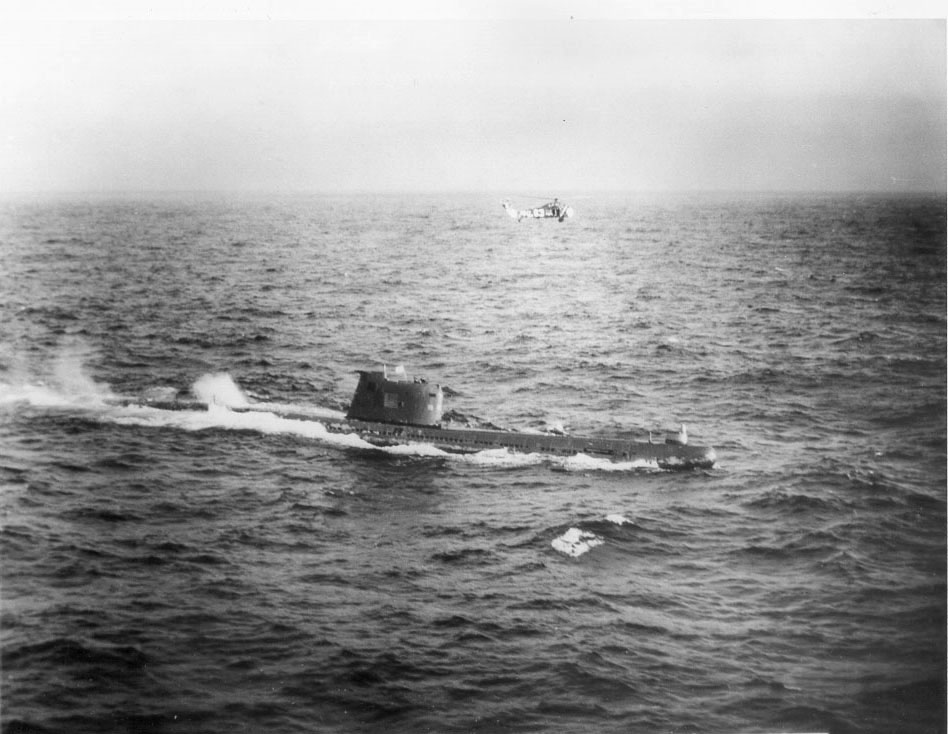
One of those submarines was B-59, a Foxtrot-class diesel-electric submarine commanded by Captain Valentin Savitsky. The B-59 was armed with a nuclear torpedo — a weapon with a yield comparable to the bomb dropped on Hiroshima.
On October 27, American destroyers began dropping practice depth charges to force the submarine to surface and identify itself. The crew of B-59, cut off from communication with Moscow for days, was exhausted, overheated (the temperature inside the submarine had reached over 45°C), and operating under the assumption that war might have already begun.
The Critical Moment
According to Soviet naval regulations at the time, launching a nuclear torpedo required the unanimous agreement of three officers: the captain, the political officer, and the chief of staff (second-in-command).
- Captain Valentin Savitsky, believing war had broken out, wanted to fire the nuclear torpedo at the American ships.
- The political officer agreed.
- Only Vasily Arkhipov, the flotilla chief of staff who was aboard B-59 as the senior officer, refused.
Arkhipov calmly argued that the depth charges were likely practice signals, not an act of war. He insisted they should surface and contact Moscow before making such an irreversible decision. After a heated discussion, his view prevailed.
The submarine surfaced, was identified by the Americans, and the immediate crisis passed.
Who Was Vasily Arkhipov?
Vasily Aleksandrovich Arkhipov (1926–1998) was a highly respected Soviet naval officer with an impeccable record. He had previously distinguished himself during the K-19 submarine accident in 1961, where he helped prevent a nuclear reactor meltdown — an event later dramatized in the film K-19: The Widowmaker.
He was known among his peers as a calm, level-headed, and principled officer who prioritized duty and reason over emotion. His wife, Olga, later recalled that he rarely spoke about the Cuban Missile Crisis, even after the Soviet Union collapsed.
Why This Moment Mattered
Historians who have studied the newly declassified Soviet and American documents agree on one point: if the B-59 had fired its nuclear torpedo, the United States would almost certainly have responded with nuclear weapons. This would likely have triggered a full-scale nuclear exchange between the two superpowers.
Former U.S. Secretary of Defense Robert McNamara later stated that the world came “within a hair’s breadth” of nuclear war. Thomas Blanton, director of the National Security Archive, has described Arkhipov’s decision as “the most important moment in human history.”
Without Arkhipov’s calm intervention, the Cuban Missile Crisis might not have ended peacefully. The consequences — potentially hundreds of millions dead, nuclear winter, and the collapse of modern civilization — are almost unimaginable.
Recognition and Legacy
For decades, Arkhipov’s role remained largely unknown outside a small circle of Cold War historians. It was only after the end of the Soviet Union and the gradual declassification of documents that his story emerged.
In 2002, former Soviet officer Vadim Orlov publicly revealed the details of the B-59 incident. In recent years, Arkhipov has received increasing recognition:
- He has been called “the man who saved the world.”
- In 2017, a documentary and several books brought his story to a wider audience.
- Historians now rank his decision alongside other pivotal moments where individual courage prevented global catastrophe.
Vasily Arkhipov never sought fame. He lived a quiet life after retiring from the navy and died in 1998. His widow later said he simply did what he believed was right.
Final Reflection
The Cuban Missile Crisis is often remembered as a triumph of diplomacy. While Kennedy and Khrushchev deserve credit for ultimately stepping back from the brink, it was a single Soviet officer’s refusal to authorize a nuclear strike — against pressure from his superiors on the submarine — that may have prevented Armageddon.
In an age still haunted by the threat of nuclear weapons, Vasily Aleksandrovich Arkhipov stands as a powerful reminder that history can turn on the moral courage of one individual.
Currently Reading


Historical Challenge: Can You Conquer the Past?
Answer more than 18 questions correctly, and you will win a copy of History Chronicles Magazine Vol 1! Take our interactive history quiz now and put your knowledge to the test!