
 By istorija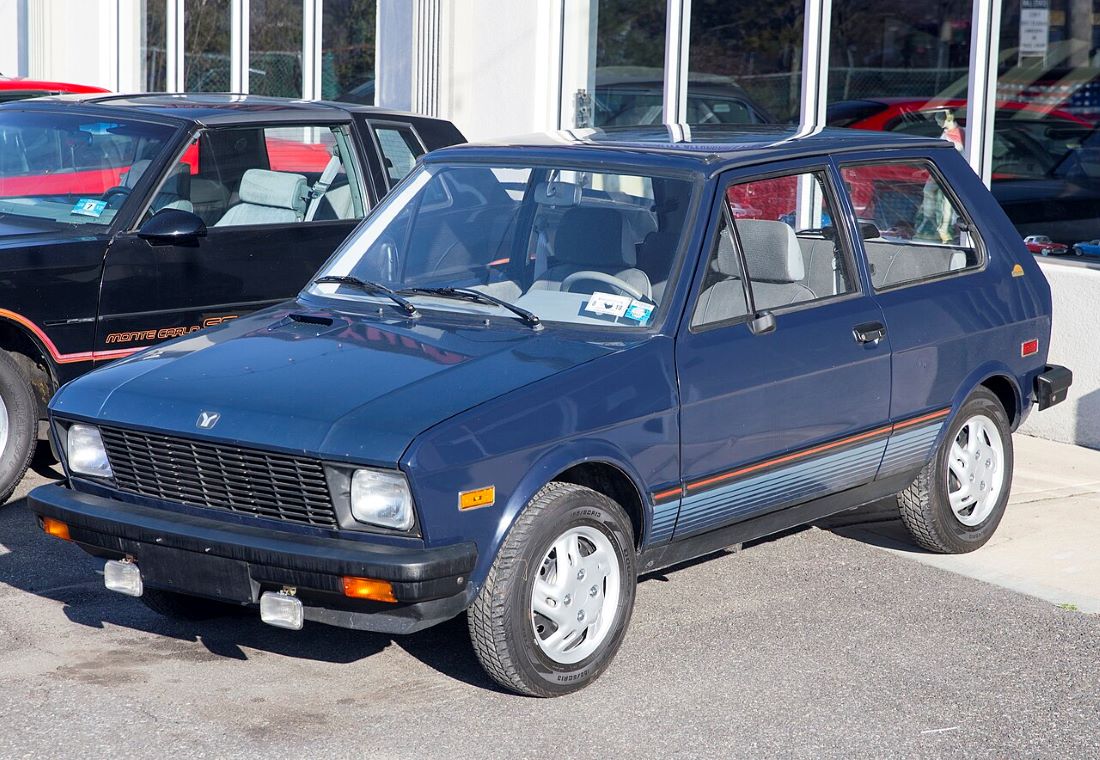
In the mid-1980s, a small, cheap, and oddly charming car from socialist Yugoslavia arrived on American shores with big ambitions. Its name was Yugo 45 (later simply called Yugo), and for a brief moment, it became one of the most talked-about automobiles in the United States — not always for the right reasons.
What began as a bold attempt by a communist country to break into the capitalist car market ended as one of the most infamous automotive stories of the 20th century. Yet behind the jokes and the “worst car ever” label lies a fascinating tale of ambition, economics, politics, and pop culture.
The Birth of the Yugo
The Yugo was based on the Fiat 127, a successful small car from Italy. In 1980, the Yugoslav car manufacturer Zastava (based in Kragujevac, Serbia) signed a licensing agreement with Fiat to produce a version of the 127 for the domestic and export markets.
The car was officially named Yugo 45 (the number referred to its 45 hp engine). It was simple, inexpensive, and designed for the needs of ordinary Yugoslav families. Production began in 1980, and by the mid-1980s, Zastava was looking for new markets to expand.
The American Dream – or Nightmare?
In 1985, entrepreneur Malcolm Bricklin (the man who previously brought Subaru to America) secured the rights to import the Yugo into the United States. His pitch was simple and powerful: the cheapest new car in America.
- Base price in 1985: $3,990 (roughly equivalent to about $11,500 today).
- It was significantly cheaper than any other new car on the U.S. market.
The Yugo was marketed as a no-frills, fuel-efficient city car for young buyers and budget-conscious families. Initial sales were surprisingly strong — over 40,000 units were sold in the first two years.
The Reality Hits Hard
Unfortunately, the Yugo quickly earned a reputation for poor quality and reliability. American consumers and automotive journalists were brutal in their assessments:
- The car was underpowered, noisy, and had a harsh ride.
- Build quality was inconsistent — doors didn’t always close properly, paint peeled, and electrical problems were common.
- Safety standards were low by American regulations (it failed several crash tests).
- Spare parts were often unavailable.
By 1988–1989, sales collapsed. Bricklin’s company filed for bankruptcy, and imports effectively stopped. The Yugo earned a permanent place on “worst cars of all time” lists published by Car and Driver, Motor Trend, and Consumer Reports.
Yugo in Pop Culture and Hollywood
Despite its failures, the Yugo gained a strange cult status in American popular culture. It became a symbol of cheapness, failure, and ironic cool.
Notable movie appearances include:
- Die Hard with a Vengeance (1995) — Bruce Willis and Samuel L. Jackson steal a battered Yugo during a high-speed chase in New York. The car is memorably described as “built for economy, not speed.”
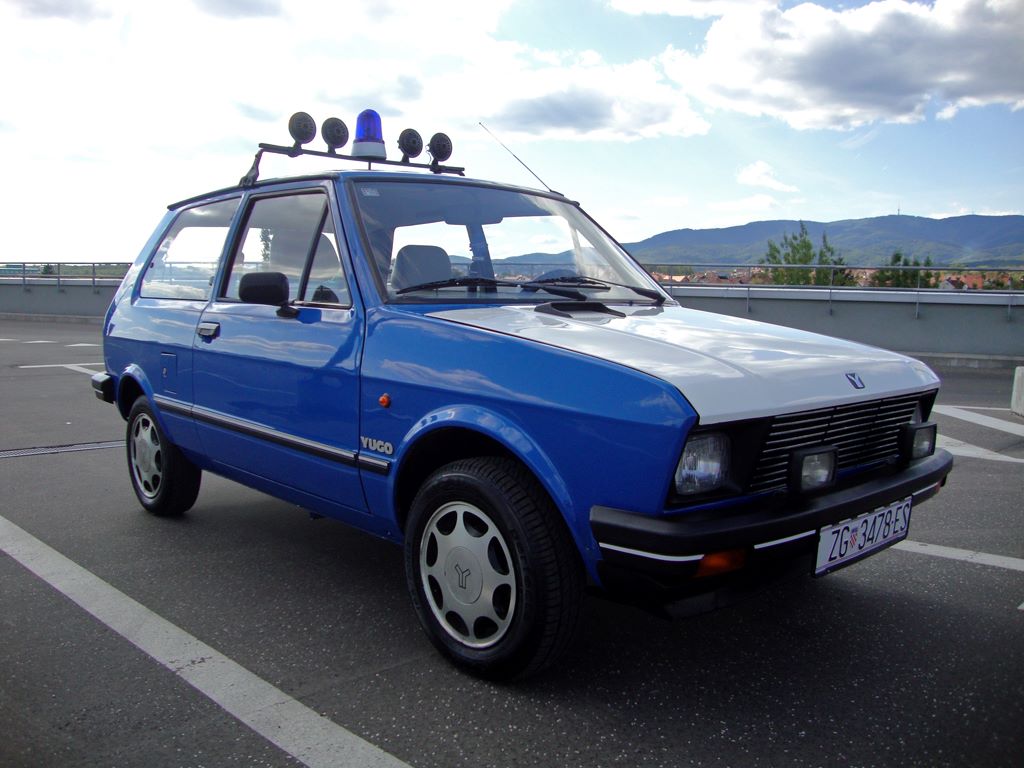
- Dragnet (1987) — Dan Aykroyd’s character is assigned a Yugo as an unmarked police car, with a sarcastic voice-over calling it “the cutting edge of Serbo-Croatian technology.”
- Drowning Mona (2000) — Almost every character in the film drives a Yugo, turning the car into a running joke about the town.
- Various indie films and comedies used the Yugo as a visual shorthand for struggling or eccentric characters.
On YouTube, owners still proudly (or ironically) showcase their surviving Yugos, restoration projects, and road trips. The car has developed a dedicated, albeit small, fan base among enthusiasts who appreciate its quirky history and simple mechanics.
Why the Yugo Failed in America
The failure was not solely due to poor quality. Several factors contributed:
- Unrealistic expectations — Americans expected Western European quality at an Eastern European price.
- Inadequate preparation for the U.S. market (safety standards, emissions, parts supply).
- The economic and political crisis in Yugoslavia in the late 1980s hurt production quality and spare parts availability.
- Intense competition from Japanese manufacturers (Honda Civic, Toyota Corolla) who offered better reliability at similar prices.
A Bittersweet Legacy
Today, the Yugo is remembered with a strange mix of nostalgia and mockery. In former Yugoslavia, it is still viewed with affection by many who grew up with it — a symbol of modest but functional mobility in a socialist society.
Surviving examples have become rare collector items in the Balkans and among enthusiasts in the United States. Some owners even participate in “Yugo meets” and restoration projects.
The Yugo’s American adventure lasted only a few years, but it left a permanent mark on automotive history as a cautionary tale about bringing a budget car to a market that demanded quality, safety, and reliability.
It was never meant to be a luxury vehicle. It was meant to be simple, affordable transportation — and for millions in Yugoslavia, it delivered exactly that. In America, however, it became the ultimate underdog story: the little car that tried… and failed spectacularly.
Currently Reading


Historical Challenge: Can You Conquer the Past?
Answer more than 18 questions correctly, and you will win a copy of History Chronicles Magazine Vol 1! Take our interactive history quiz now and put your knowledge to the test!