
 By istorija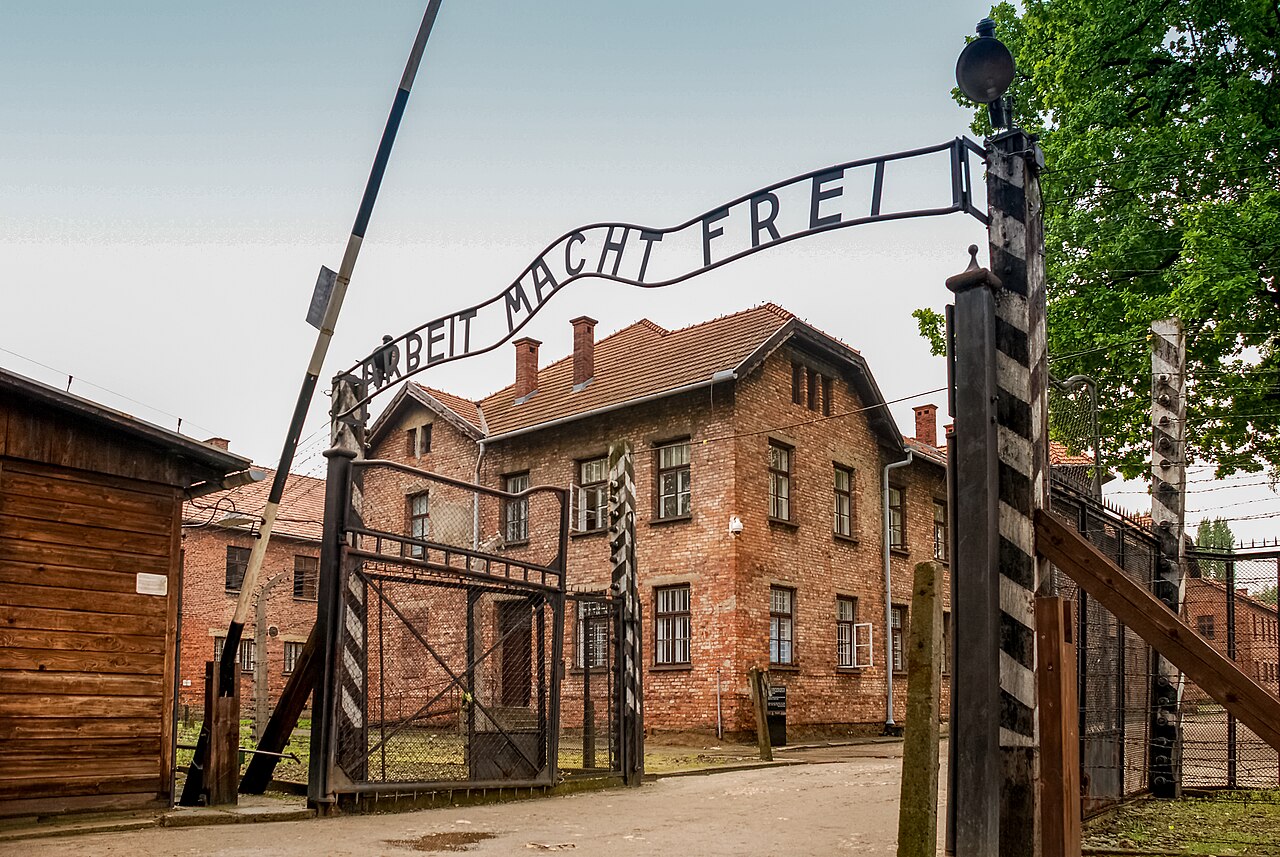
The Second World War was not only the deadliest conflict in human history but also the setting for the most systematic campaign of mass murder ever conceived — the Holocaust. Between 1941 and 1945, Nazi Germany and its collaborators murdered approximately six million Jews in an industrialized genocide that has come to define the moral abyss of the 20th century. Yet the Holocaust, horrific as it was, did not occur in isolation. It was part of a broader Nazi vision of racial restructuring that also targeted other groups for extermination or extreme persecution. Among the most significant were the Porajmos (the genocide of the Roma and Sinti) and the genocide against Serbs in the Independent State of Croatia (NDH).
This study examines these three genocides — the Holocaust, the Porajmos, and the mass murder of Serbs in the NDH — offering a comparative analysis of their origins, methods, scale, and ideological foundations. While each had unique characteristics, they shared common threads: racial ideology, state-sponsored bureaucracy, and the dehumanization of entire populations.
The Holocaust: The Industrialization of Death
The Holocaust represents the most meticulously planned and executed genocide in history. Nazi racial ideology, rooted in pseudoscientific antisemitism, viewed Jews as an existential threat to the Aryan race. What began with discrimination and exclusion escalated into mass shootings by Einsatzgruppen in the East, and ultimately into the industrialized killing centers of Auschwitz-Birkenau, Treblinka, Sobibor, Belzec, Chelmno, and Majdanek.
Between 1941 and 1945, approximately six million Jews were murdered — about two-thirds of European Jewry. The methods evolved from mobile killing squads to gas chambers using Zyklon B and carbon monoxide. The Wannsee Conference in January 1942 formalized the “Final Solution,” coordinating the logistics of genocide across occupied Europe.
The Holocaust was unique in its bureaucratic efficiency, its use of modern technology for mass murder, and its explicit aim of total biological extermination. It was not merely about conquest or revenge — it was about erasing an entire people from existence.
The Porajmos: The Forgotten Genocide of the Roma
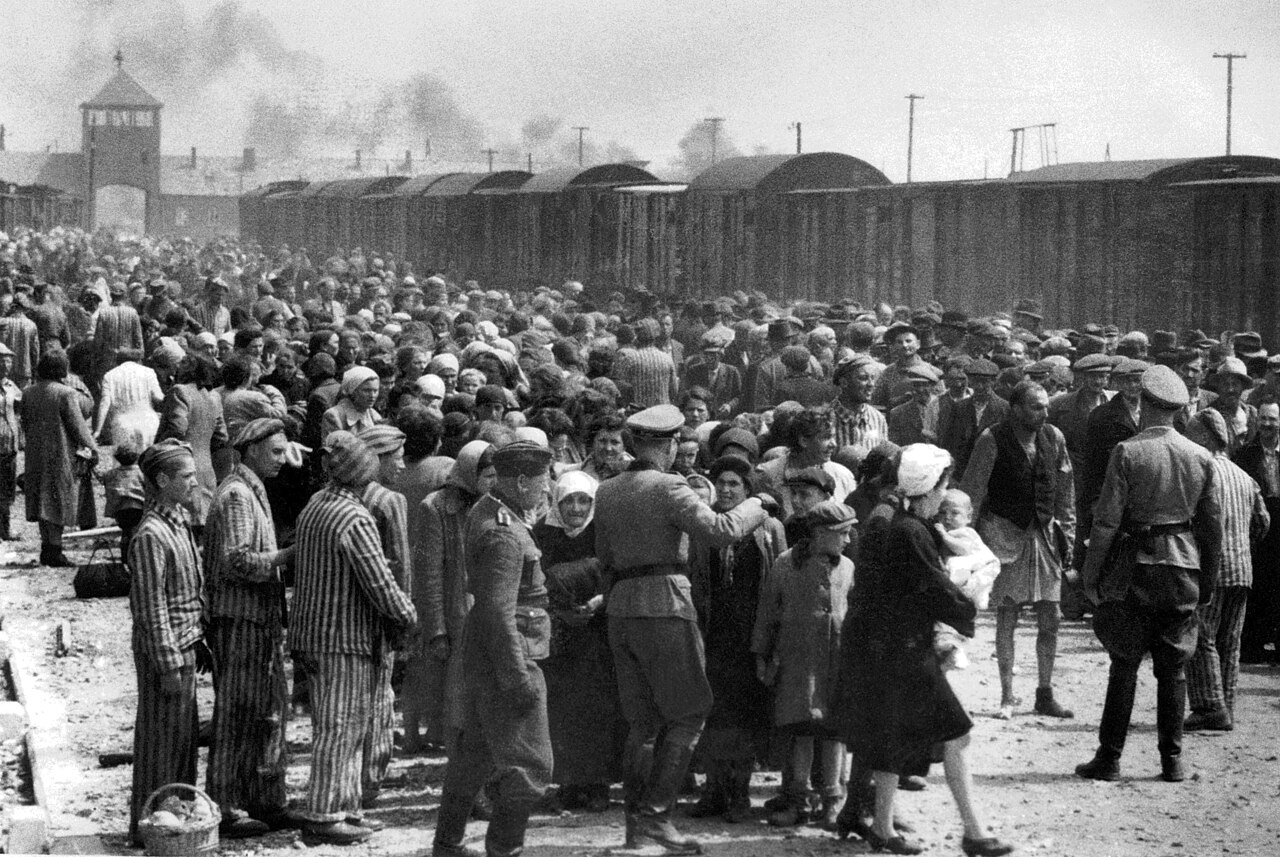
Often overshadowed by the Holocaust, the Porajmos (“Devouring”) was the Nazi attempt to eradicate the Roma and Sinti peoples of Europe. Like Jews, Roma were classified as racially inferior and “asocial” in Nazi ideology. They were targeted for sterilization, forced labor, and extermination.
Estimates of Roma victims vary widely due to poor documentation, but serious scholars place the death toll between 220,000 and 500,000 — up to 25–50% of the pre-war Roma population in Nazi-occupied Europe. Many were murdered in Auschwitz-Birkenau (where a special “Gypsy camp” was established), in mass shootings in the East, or through starvation and disease in labor camps.
The Porajmos differed from the Holocaust in important ways. It was less centralized and less “industrialized.” Roma were often killed locally or sent to concentration camps where they suffered extremely high mortality rates. Post-war recognition was slow; many European countries did not formally acknowledge the Porajmos until decades later. Even today, the genocide against the Roma remains less known and less commemorated than the Holocaust.
The Genocide Against Serbs in the Independent State of Croatia (NDH)
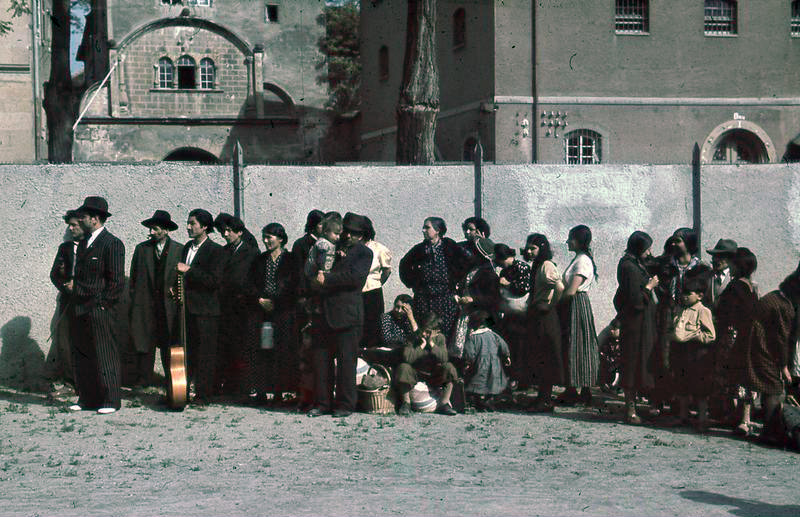
In the territory of the Nazi puppet state known as the Independent State of Croatia (NDH, 1941–1945), another horrific genocide unfolded. Led by the Ustaše movement under Ante Pavelić, the regime pursued a policy of creating an ethnically pure Greater Croatia through the systematic extermination, expulsion, or forced conversion of Serbs, Jews, and Roma.
The Ustaše established a network of concentration camps, most notoriously Jasenovac, where hundreds of thousands of people were murdered through mass shootings, starvation, disease, and brutal torture. The Ustaše developed their own methods of killing, including the infamous “Srbosjek” (Serb-cutter) knife.
Estimates of Serbian victims in the NDH range from 500,000 to 700,000. The genocide was driven by extreme nationalist ideology combined with Catholic clerical fascism. Unlike the highly bureaucratic Nazi Holocaust, the Ustaše violence was often more primitive and sadistic, though no less deadly.
The genocide against Serbs was part of a broader campaign that also claimed the lives of most of Croatia’s Jewish population and thousands of Roma. It remains one of the most contested and emotionally charged chapters of World War II in the Balkans.
Comparative Analysis
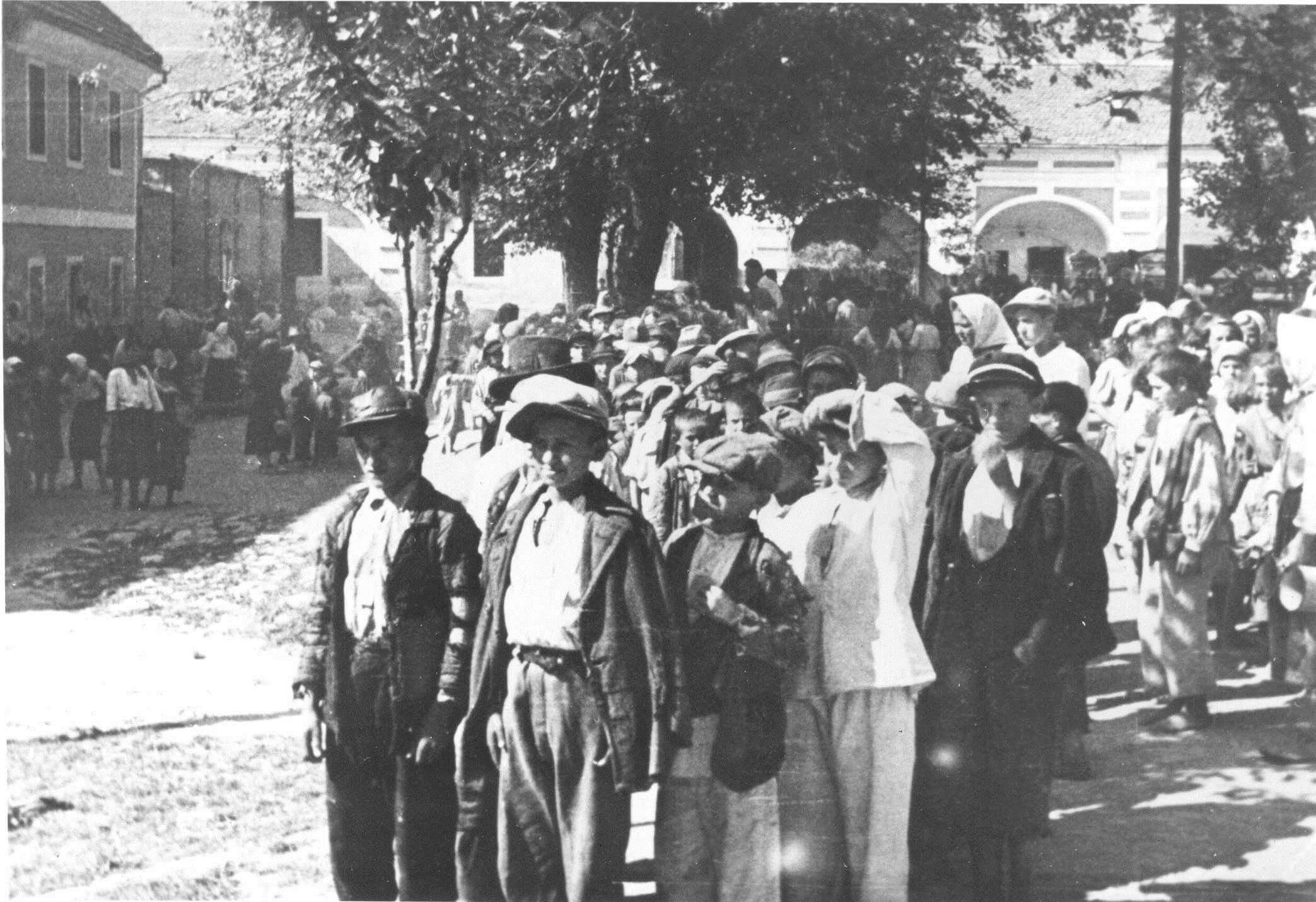
While all three genocides were driven by ideologies of racial or ethnic purity, important differences emerge:
- Ideological Foundation: The Holocaust was rooted in pseudoscientific racial antisemitism aimed at total biological elimination. The Porajmos shared the racial dimension but was less systematically organized. The genocide in the NDH combined extreme nationalism with religious (Catholic) zealotry and was more openly sadistic.
- Methods: Nazi Germany industrialized murder through gas chambers and death camps. The Ustaše relied more on direct violence, knives, and primitive camps. The Porajmos involved both mass shootings and death through neglect in camps.
- Scale and Efficiency: The Holocaust was the most efficient and largest in absolute numbers. The NDH genocide was proportionally devastating for the Serbian population in Croatia and Bosnia. The Porajmos, while smaller in scale, represented a catastrophic loss for the Roma people.
- International Context: All occurred under the umbrella of Axis occupation, but the NDH enjoyed significant autonomy in carrying out its crimes, while the Porajmos and Holocaust were more directly directed from Berlin.
What unites them is the dehumanization of entire groups, the use of state power to organize mass murder, and the long-term refusal (in some cases) to fully acknowledge the crimes.
Memory, Denial, and Historical Responsibility
Seventy years after the end of the war, these genocides continue to shape collective memory in Europe. The Holocaust is extensively commemorated and studied. The Porajmos has only recently begun to receive wider recognition. The genocide against Serbs in the NDH remains highly politicized in the former Yugoslavia, with denial and revisionism persisting in some circles.
True historical reckoning requires acknowledging the full scope of suffering without competitive victimhood. Each genocide was unique in its horror, yet all were products of the same toxic mixture of ultranationalism, racial ideology, and wartime radicalization.
Remembering these crimes is not only an act of respect for the victims. It is a warning. When societies begin to classify human beings by race, ethnicity, or religion as inherently inferior or dangerous, the path to genocide becomes tragically short.
Only by confronting these histories with honesty, nuance, and moral clarity can we hope to prevent their repetition in any form.
Currently Reading
Historical Challenge: Can You Conquer the Past?
Answer more than 18 questions correctly, and you will win a copy of History Chronicles Magazine Vol 1! Take our interactive history quiz now and put your knowledge to the test!