
 By istorija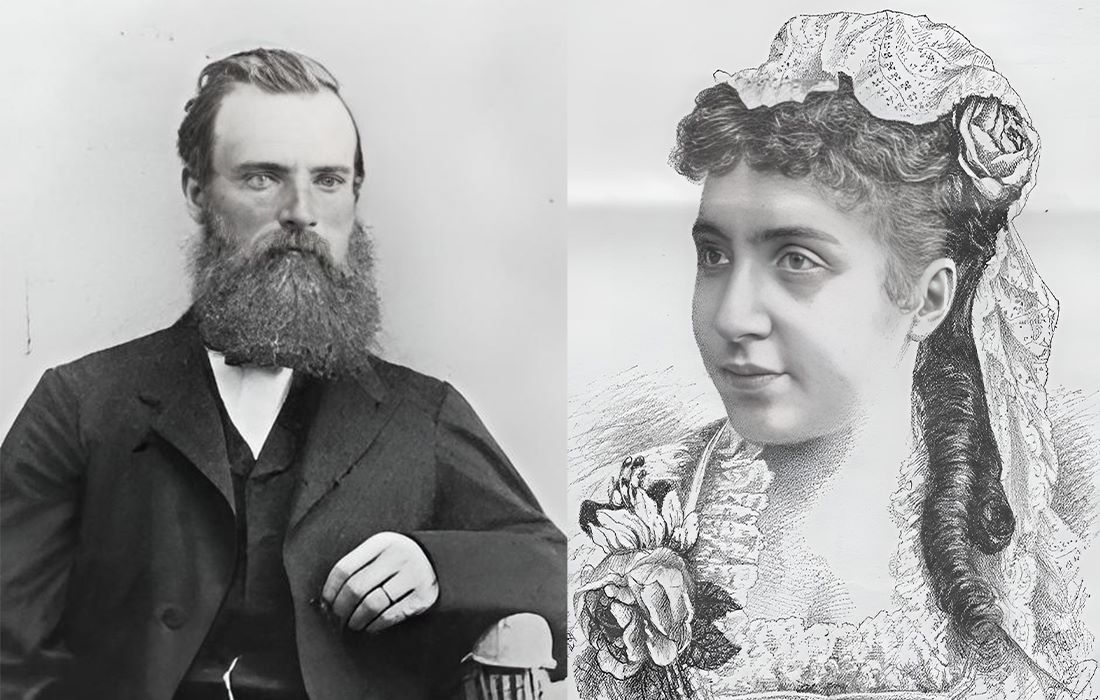
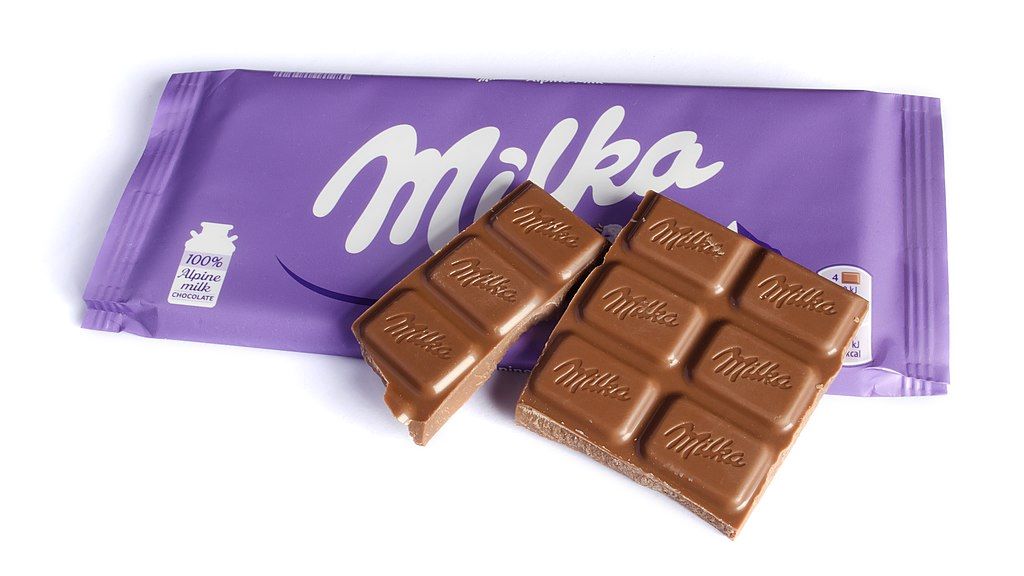
Milka is a popular chocolate brand in Europe, originating in Switzerland when Swiss confectioner Philippe Suchard founded a confectionery factory in Neuchâtel in 1825. The production of chocolate under the name Milka was initiated by Carl Russ-Suchard in 1901. The name ‘Milka’ cleverly combines the first letters of its two main ingredients: “Milch” (milk) and “Kakao” (cocoa). However, in Croatia, there’s an urban legend suggesting that the famous chocolate might have been named in a completely different way. Let’s explore this intriguing story.
Milka Trnina
At the time when the popular Milka chocolate was being named, the world stage was graced by an opera diva of the same name, Milka Trnina. Born Katarina Milka Trnina in 1863 in Vezišće, Croatia, she was a dramatic soprano renowned across major American and European opera houses. Celebrated for her electrifying acting and vocal excellence, Trnina’s career reached its zenith when she was afflicted by a medical condition in 1906, which paralyzed a nerve in her face and curtailed her performances.
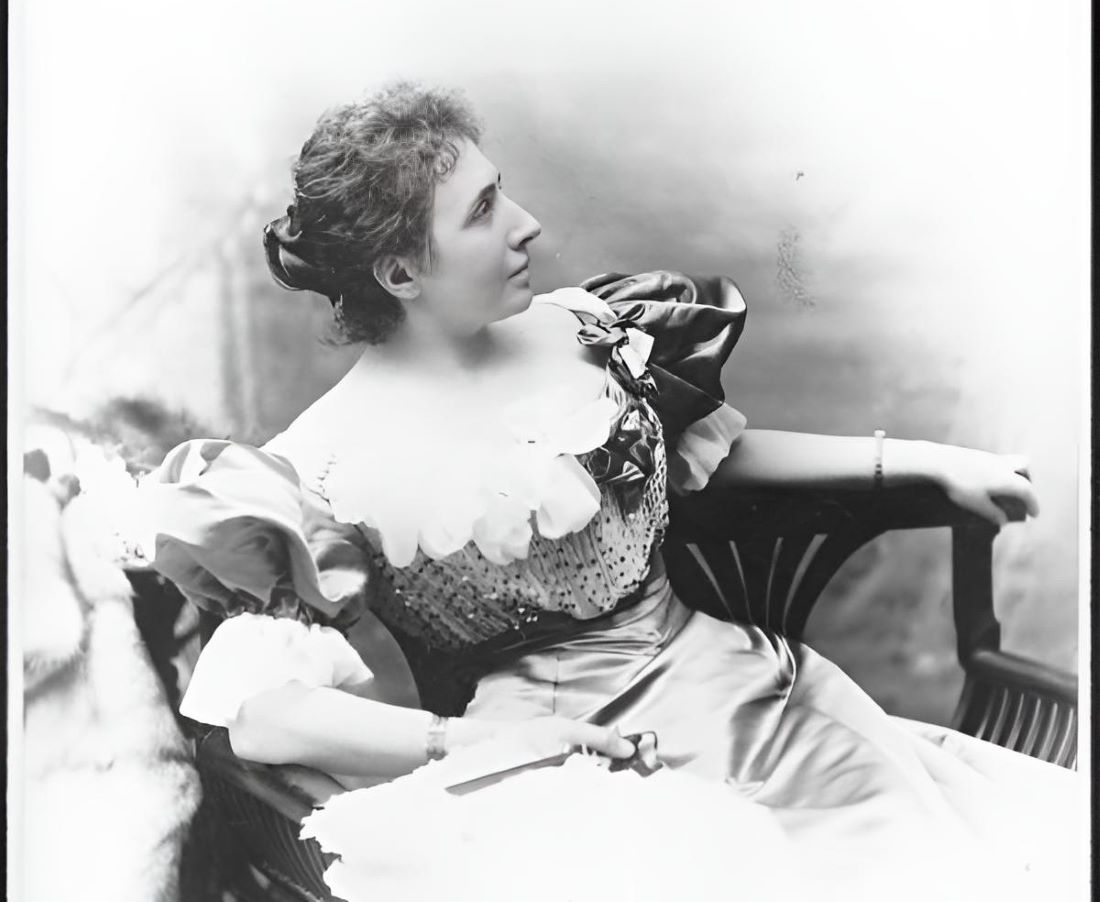
Milka Trnina’s operatic journey began in Zagreb and blossomed further in Vienna, where she was awarded a gold medal upon graduating from the conservatory in 1883. Her notable roles included appearances at the Metropolitan Opera in New York, where she debuted as Elisabeth in “Tannhäuser” in 1900 and later enchanted audiences as Tosca in Puccini’s opera. Despite her sudden retirement due to health issues in 1906, Trnina’s influence continued through her teaching, passing on her art to the next generation of opera singers. She returned to Zagreb after her retirement, where she lived until her passing in 1941, leaving behind a legacy celebrated in the world of opera but not captured on commercial recordings.
Urban legend
Milka Trnina, renowned as one of the finest interpreters of Wagner’s tragic heroines, captivated audiences around the world. Her portrayals were so authentically delivered that they were often said to capture the essence of Wagner’s vision. This extraordinary talent won her numerous admirers, including Carl Russ-Suchard, a Swiss chocolatier and the son-in-law of Philippe Suchard, the founder of the Suchard company. Moved by her performances, Russ-Suchard’s deep appreciation for Wagner’s works and his personal fondness for Trnina spurred a captivating urban legend: he supposedly named his new chocolate brand “Milka” in honor of the opera diva.
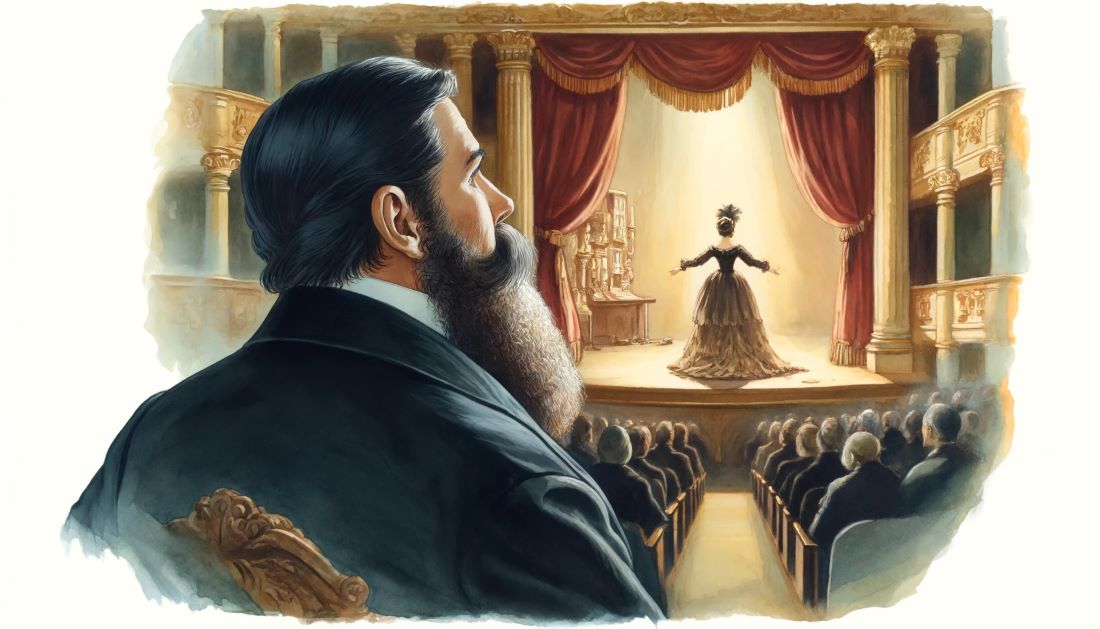
While this narrative paints a romantic picture of artistic inspiration crossing the boundaries between music and confectionery, it remains unverified, existing only as a charming piece of folklore. Despite the lack of historical evidence, the legacies of both Milkas—the opera singer and the chocolate—have flourished, each becoming a symbol of excellence and a legend in its own field, celebrated for their respective contributions to culture and indulgence.
Currently Reading


Historical Challenge: Can You Conquer the Past?
Answer more than 18 questions correctly, and you will win a copy of History Chronicles Magazine Vol 1! Take our interactive history quiz now and put your knowledge to the test!