
 By istorija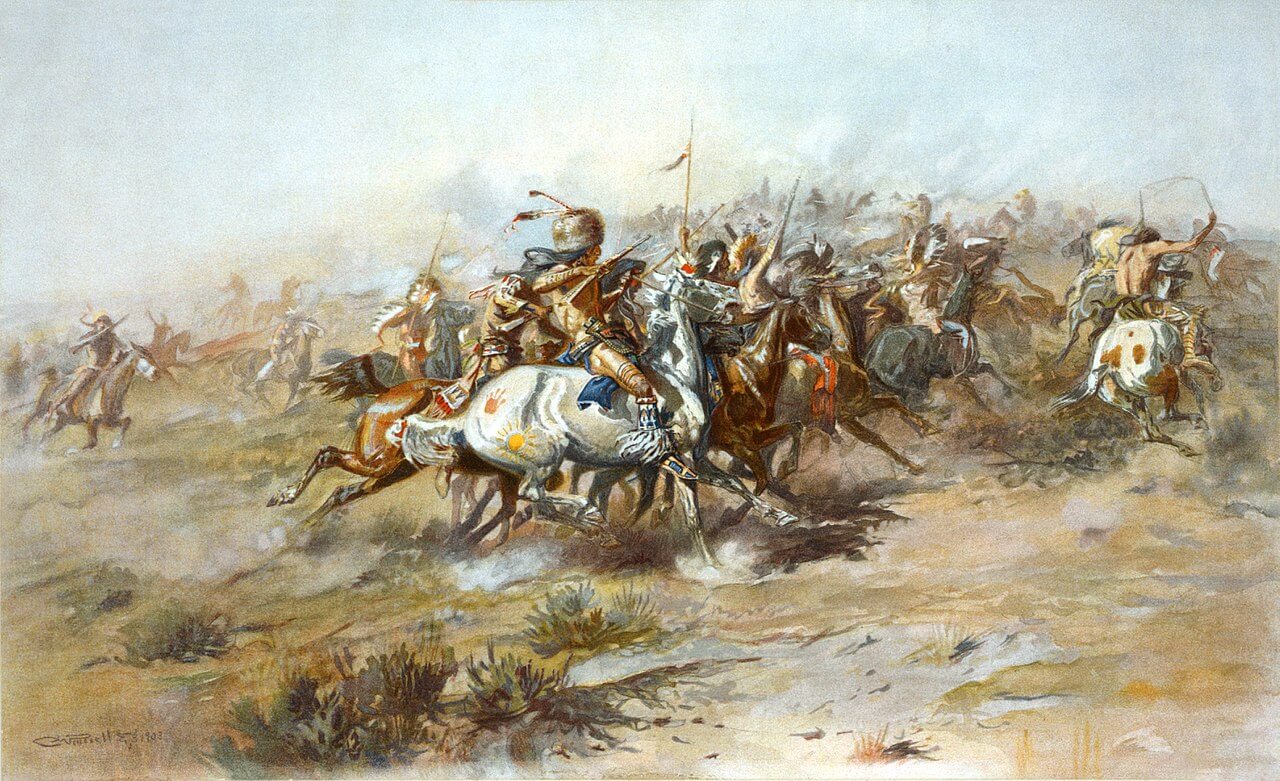
On June 25, 1876, along the winding course of the river the invaders called the Little Bighorn—but which the Lakota, Cheyenne, and Arapaho have long known as the Greasy Grass—a massive encampment of these Plains nations faced a sudden assault by elements of the U.S. 7th Cavalry. For the Native peoples involved, this was not the dramatic “last stand” of a vainglorious officer. It was a desperate, successful defense of families, homes, and the last remnants of a free life on the vast grasslands. Warriors fought to protect women gathering chokecherries, children playing near the tipis, elders resting in the shade, and the vast herds of horses that sustained their mobility and survival.
This event is remembered among the Lakota (including Hunkpapa, Oglala, Minneconjou, and other bands), Northern Cheyenne, and Arapaho not as a triumph over one man named Custer, but as a rare moment when unity, courage, and spiritual guidance turned back an aggressor intent on forcing them onto reservations and stripping away their sovereignty.
The Encampment and the Looming Danger
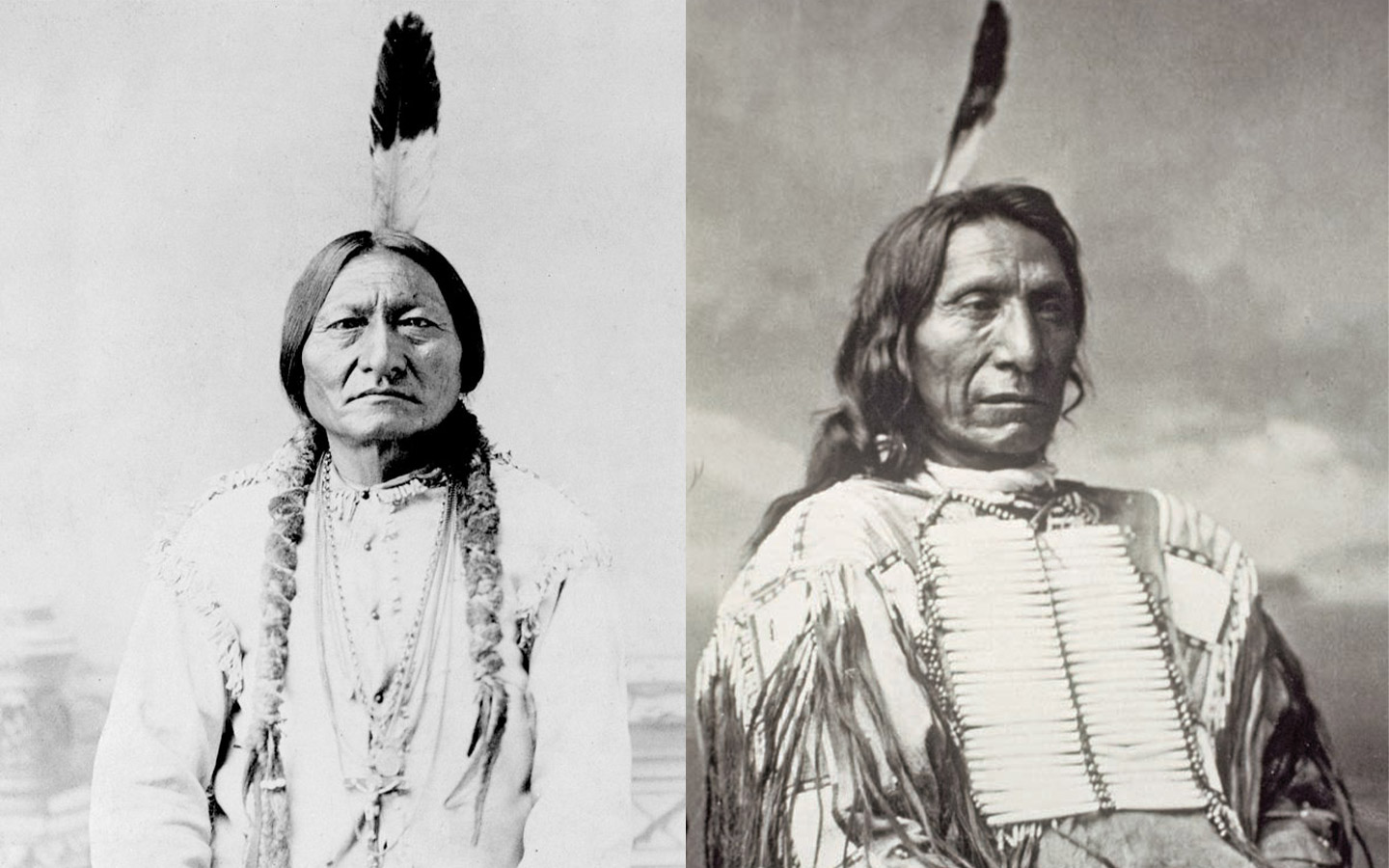
By mid-1876, the village along the Greasy Grass had grown to one of the largest ever assembled on the Plains—perhaps 6,000 to 8,000 people from multiple bands. The Lakota under leaders like Sitting Bull (Hunkpapa spiritual leader) and Crazy Horse (Oglala war chief), the Northern Cheyenne, and Arapaho allies had converged for ceremonies, trade, family reunions, and to escape the relentless encroachment.
The Black Hills—sacred Paha Sapa—had been overrun by gold prospectors despite the 1868 Fort Laramie Treaty guaranteeing the land. The U.S. government responded with an ultimatum: report to reservations by January 31, 1876, or be labeled “hostiles” and hunted down. When the deadline passed, soldiers marched to enforce compliance.
Sitting Bull’s Sun Dance vision foretold soldiers tumbling into the camp “like grasshoppers falling upside down.” This prophecy strengthened resolve: the people were not seeking war, but they would defend their right to live as their ancestors had—following the buffalo, honoring the land, and maintaining their ceremonies.
The morning of June 25 was ordinary: women digging wild turnips, children swimming, warriors resting or tending horses. Then scouts brought word: bluecoats approaching from the south.
The Defense of the Village
The attack began with Major Marcus Reno charging the southern end of the camp. Warriors—many hastily armed with bows, lances, rifles, and clubs—rushed to meet him, forcing his disorganized retreat across the river with heavy losses. The village erupted in alarm; families fled northward while fighters mounted up.
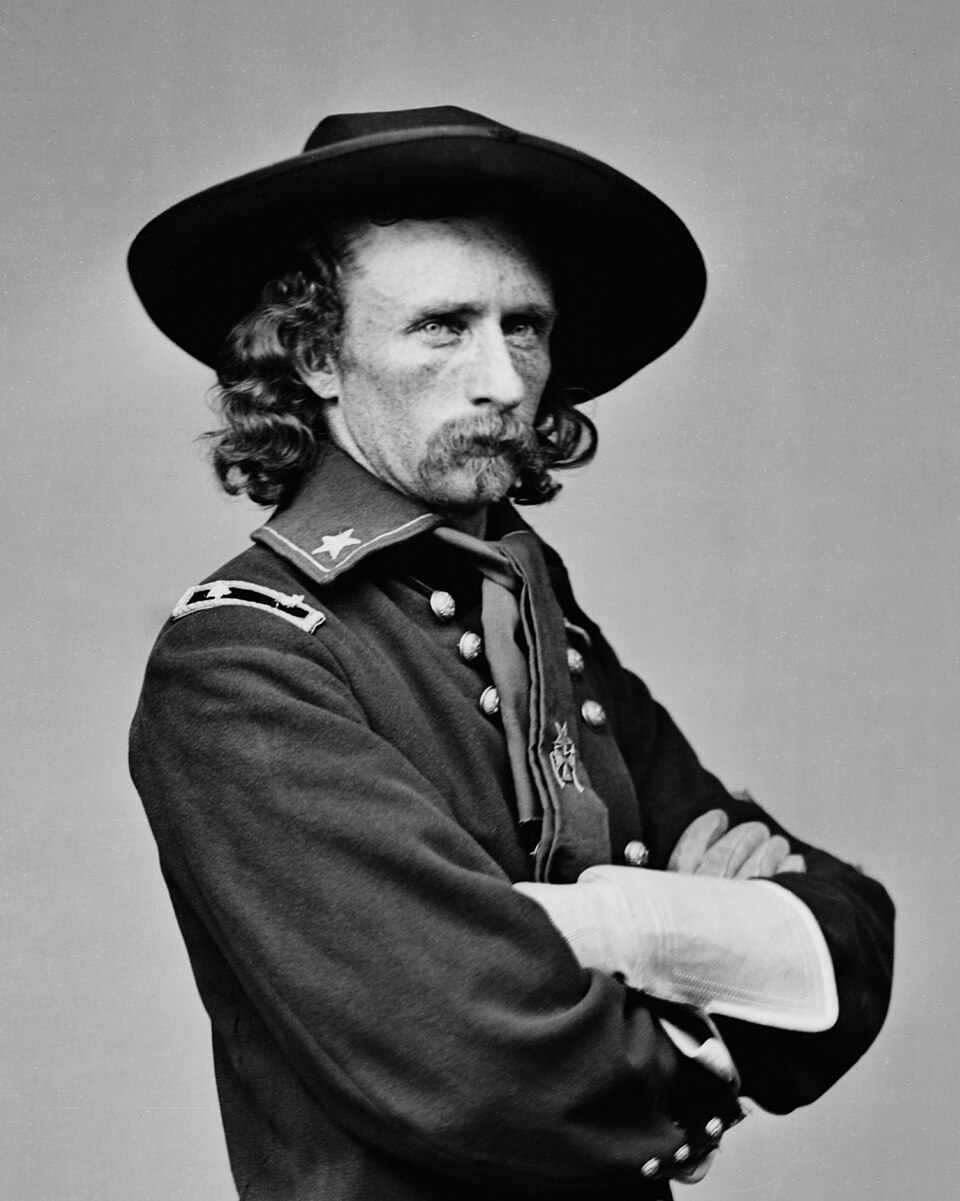
Lt. Col. George Armstrong Custer then divided his command and advanced toward the northern village with roughly 210 men. To the defenders, this seemed foolhardy arrogance. Custer—known among some as Pahuska or Long Hair—had a reputation for surprise attacks on villages (notably Washita in 1868, where Cheyenne women and children died). His men expected another rout.
But the village was enormous, the warriors numerous (1,500–2,500 fighting men), and the response swift. Crazy Horse led Oglala and others in a bold charge downriver, then crossed to hit Custer’s flank. Leaders like Gall (Hunkpapa), Low Dog (Oglala), Two Moons (Cheyenne), and Rain-in-the-Face pressed from multiple directions. The soldiers were fragmented, exposed on ridges, and overwhelmed by converging attacks.
Survivor accounts from Native participants describe the scene: dust clouds rising, gunfire cracking, arrows whistling, horses thundering. Many closed for hand-to-hand combat. The fighting lasted perhaps one to two hours. By late afternoon, Custer’s battalion was annihilated; the village remained intact.
Casualties were heavy on both sides—around 40–60 Native warriors killed, a significant loss given the smaller population—but the families were safe. The people mourned their dead, tended the wounded, and prepared to move camp, knowing retaliation would follow.
Immediate Reception Among the Lakota, Cheyenne, and Arapaho
Victory songs and dances followed, but caution prevailed. Sitting Bull warned that the soldiers would return in greater force. The camp dispersed: some bands headed north toward Canada for refuge, others scattered to evade pursuit. Starvation tactics and broken treaties soon forced many onto reservations.
For warriors like Crazy Horse, the battle proved that coordinated resistance could succeed. Yet it also signaled the accelerating end of the free buffalo-hunting life. The U.S. intensified military campaigns, burned villages, and confiscated the Black Hills.
Contemporary Views Among Indigenous Descendants
Today, among descendants of the Lakota, Northern Cheyenne, Arapaho, and other Plains nations, the Battle of the Greasy Grass (or the Victory at Greasy Grass) symbolizes resistance and the defense of homeland and culture. It stands as the last major military success against U.S. expansion before the full imposition of reservation life.
Oral histories—passed through generations and recorded in accounts like those of Red Horse (Minneconjou ledger drawings and testimony), Kate Bighead (Cheyenne witness), and Standing Bear—emphasize protection of non-combatants, tactical brilliance, and spiritual preparation rather than conquest.
Modern Indigenous perspectives often highlight:
- The context of broken treaties and land theft.
- The heroism of leaders like Sitting Bull and Crazy Horse as guardians of their people.
- The tragedy: a temporary victory that accelerated confinement, cultural suppression, boarding schools, and loss of traditional lifeways.
- Ongoing pride: evidence that ancestors fought valiantly with inferior arms against a powerful enemy.
The battlefield, now Little Bighorn Battlefield National Monument, includes an Indian Memorial (dedicated 2003) honoring Native warriors. The 1991 renaming from “Custer Battlefield” to “Little Bighorn” acknowledges broader Indigenous viewpoints.
For many descendants, Greasy Grass remains relevant—echoing in fights for treaty rights, land return, cultural revitalization, and recognition of sovereignty. It is not distant history; it is part of the unbroken story of Indigenous resilience.
Currently Reading
Historical Challenge: Can You Conquer the Past?
Answer more than 18 questions correctly, and you will win a copy of History Chronicles Magazine Vol 1! Take our interactive history quiz now and put your knowledge to the test!