
 By istorija
The Battle of Kozara, also known as the Kozara Offensive, was one of the largest and most brutal anti-Partisan operations launched by Axis forces during World War II in Yugoslavia. Fought in the summer of 1942 on and around Mount Kozara in western Bosnia, it pitted roughly 7,000 Yugoslav Partisans against a combined German and Independent State of Croatia (NDH) force numbering over 30,000 troops. The battle is remembered not only for its military intensity but also for the immense suffering inflicted upon the civilian population of the Potkozarje region.
Strategic Background and Planning
The offensive was planned at a high-level Axis conference held in Opatija on March 2–3, 1942. Senior German, Italian, and NDH officers, including General Vittorio Ambrosio and General Vladimir Laxa, agreed on a coordinated campaign to crush the growing Partisan movement in the Independent State of Croatia.
Two main insurgent strongholds were identified: one in eastern Bosnia (between the Bosna and Drina rivers) and the other in western Bosnia (between Banja Luka and Petrova Gora). The decision was made to first target eastern Bosnia and then shift northwest toward Kozara.
The Germans were particularly interested in securing the Ljubija iron ore mine near Prijedor, which was vital for their war industry. When Partisans liberated Prijedor and the mine in late April 1942, the German response was swift. A new combat group called “Western Bosnia” was formed under General Friedrich Stahl with the explicit task of destroying the Partisan forces on Kozara and regaining control of the mine and surrounding transport routes.
The Forces Involved
- Axis forces: Approximately 30,000–35,000 troops at the height of the operation, including German units, the NDH army, Ustaše militias, and Croatian Home Guard. The force was reinforced during July with additional units, including the Borovsky combat group.
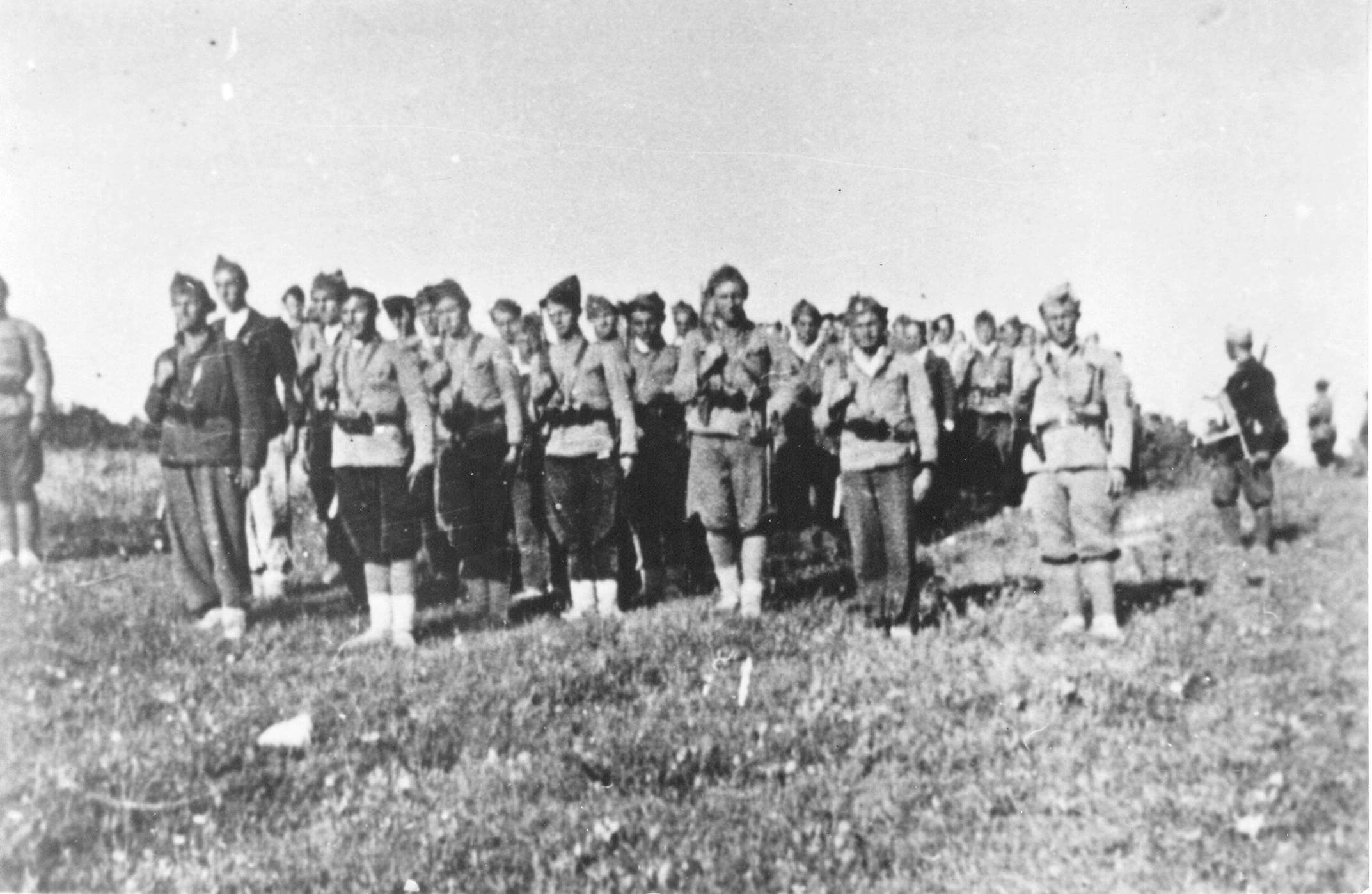
- Partisan forces: At the beginning of the offensive, the Partisan forces in the Kozara region numbered between 6,000 and 7,000 fighters. The main unit was the Second Krajina Partisan Detachment, supported by the newly formed First Krajina Brigade and several smaller units. However, shortly after the offensive began, the German and NDH forces managed to isolate the Second Krajina Detachment. From that moment on, this detachment, numbering around 3,500 fighters, was forced to fight almost entirely alone, bearing the brunt of the remaining battle against a vastly superior and better-equipped enemy.
The Course of the Battle
The offensive, codenamed “Western Bosnia” (also referred to as Operation “Xaver”), began on June 10, 1942. German and Croatian forces advanced from multiple directions, quickly capturing Prijedor and establishing a tight encirclement around Mount Kozara.
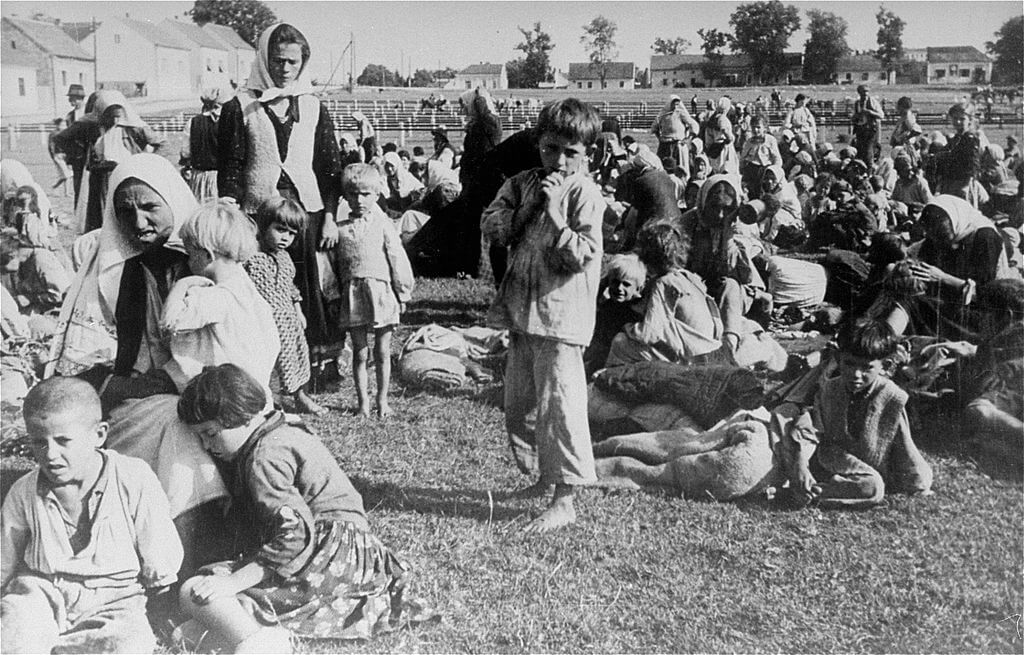
The Partisans initially underestimated the scale of the operation. When the noose tightened, they found themselves trapped with tens of thousands of civilians who had fled to the mountain for safety. By early July, the situation became desperate: food supplies were exhausted, disease was spreading, and casualties were mounting.
On the night of July 3–4, the Partisans attempted a major breakout. Some units, including the First and Assault Battalions, managed to fight their way through with around 10,000 civilians. However, subsequent breakout attempts by other battalions were largely unsuccessful. Only small groups escaped. The majority of the Second Krajina Detachment and the civilian population remained trapped.
By mid-July, organized Partisan resistance on Kozara had effectively collapsed. On July 17, General Stahl declared the operation a success. The remaining fighters and civilians were hunted down or captured.
The Human Cost and the Tragedy of Kozara
The suffering of the civilian population was immense. At the beginning of the offensive, approximately 80,000 people had sought refuge on Kozara. After the Partisan units were broken, most men returned to their families hiding in the forests and caves.
Around 68,500 civilians from the Kozara region were deported to concentration camps across the NDH, primarily Jasenovac, where a large number perished. The exact death toll among civilians and Partisans is still debated, but it is clear that the Kozara Offensive resulted in one of the greatest tragedies of the war in Bosnia and Herzegovina.
Axis losses were also significant: German forces reported 69 dead, 160 wounded, and 7 missing, while NDH forces suffered 445 killed, 654 wounded, and 498 missing between June 5 and July 31.
Historical Significance
The Battle of Kozara holds a special place in the history of the Yugoslav Partisan movement. Despite the heavy losses and the temporary destruction of the Second Krajina Detachment, the Kozara fighters demonstrated extraordinary resilience and fighting spirit. Many of those who survived the breakout later rejoined the struggle and contributed to the eventual liberation of the region.
The offensive also highlighted the brutality of the NDH regime and its collaboration with Nazi Germany. The mass deportation of civilians, particularly Serbs, was part of a wider policy of ethnic cleansing and genocide in the Independent State of Croatia.
Conclusion
The Battle of Kozara was a military defeat for the Partisans but a moral victory for the resistance. It showed both the determination of the local population to defend their homes and the savage nature of the occupation forces. The tragedy of Kozara remains a powerful symbol of suffering, resistance, and resilience in the history of World War II in Yugoslavia.
Today, the Kozara Memorial Complex and the annual commemorations serve as reminders of the heavy price paid by the people of this region during the summer of 1942.
Currently Reading


Historical Challenge: Can You Conquer the Past?
Answer more than 18 questions correctly, and you will win a copy of History Chronicles Magazine Vol 1! Take our interactive history quiz now and put your knowledge to the test!