
 By istorija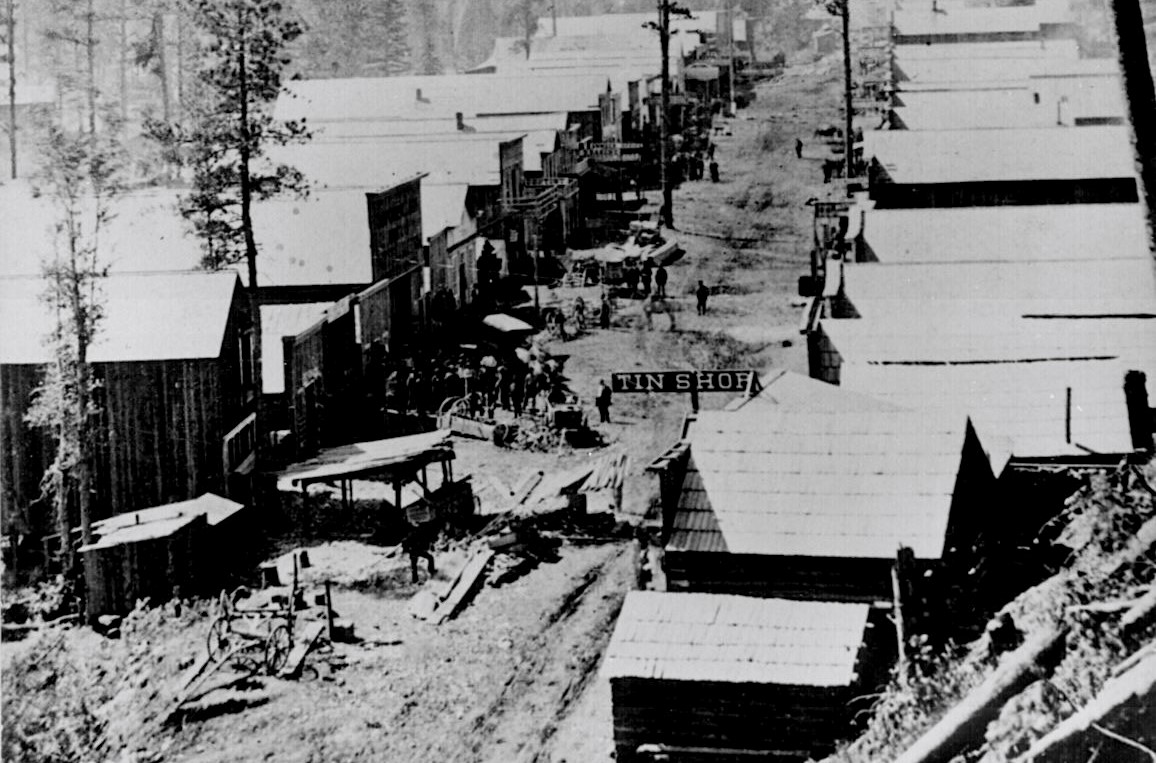
Deadwood (2004–2006), David Milch’s HBO masterpiece, is widely regarded as one of the greatest Western television series ever made. Set in the lawless Black Hills gold-rush town of Deadwood, Dakota Territory, in 1876–1877, it portrays a raw, profane, Shakespearean world of greed, violence, power struggles, and fragile civilization. Characters like Al Swearengen, Seth Bullock, Calamity Jane, Wild Bill Hickok, and Charlie Utter feel larger than life—yet many are based on real people.
The show is celebrated for its historical texture: filthy streets, period dialogue (though deliberately anachronistic), and unflinching depiction of frontier brutality. But how much is history, and how much is dramatic invention? This article compares the real Deadwood of 1876–1877 with Milch’s fictionalized version, separating fact from artistic license while highlighting what the series captured brilliantly and where it took creative liberties.
The Real Deadwood in 1876 – A Boomtown Born in Illegality
Deadwood sprang up illegally in 1876 after gold was discovered in the Black Hills—land guaranteed to the Lakota by the 1868 Fort Laramie Treaty. The U.S. government had failed to keep miners out, and by summer 1876 the gulch was packed with 5,000–10,000 fortune-seekers, gamblers, prostitutes, saloonkeepers, and outlaws.
Key realities:
- No formal law existed until late 1876. The town was outside U.S. jurisdiction until the Black Hills were seized.
- Main Street was a chaotic strip of saloons, brothels, theaters, and tents.
- Fires, floods, claim-jumping, and vigilante justice were routine.
- The population was overwhelmingly male, transient, and violent.
The Show’s Central Characters – Real People vs. Fictionalized Portrayals
- Al Swearengen (Ian McShane)
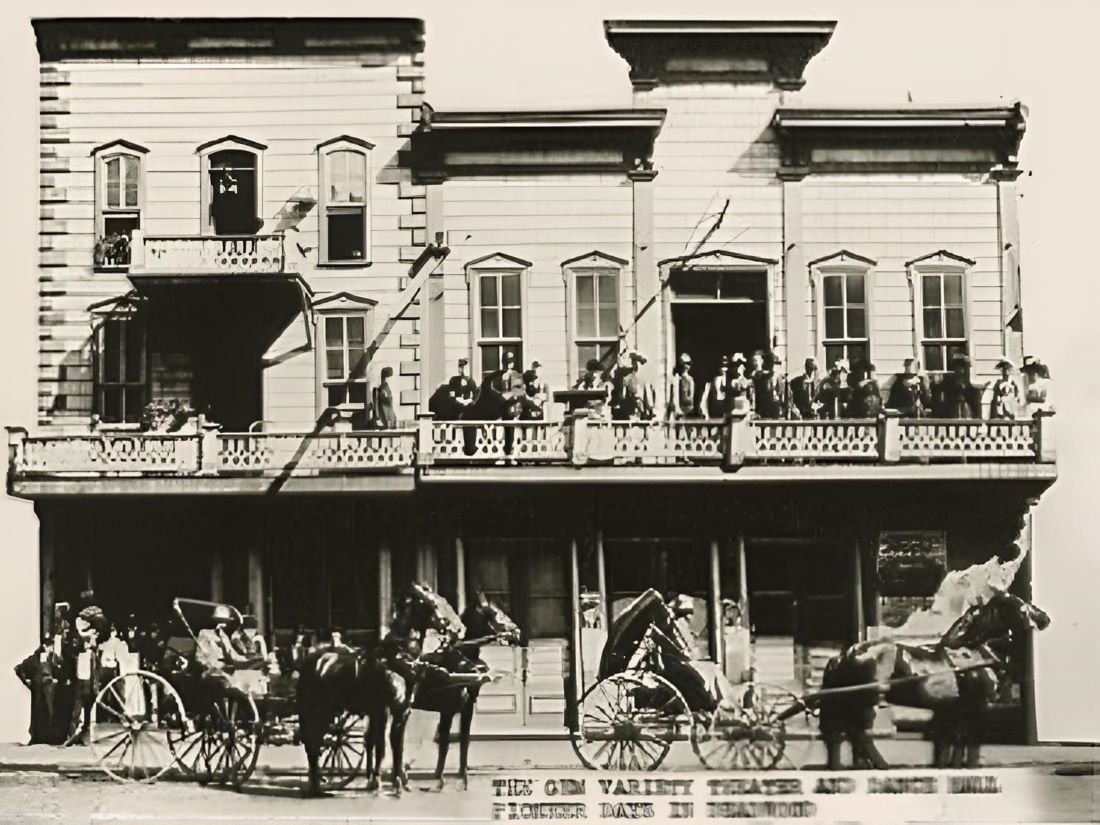
- Real: Proprietor of the Gem Theater saloon and brothel; ruthless businessman, involved in prostitution and opium trade.
- Show: Genius manipulator, profane philosopher, surprisingly loyal to his “family.”
- Verdict: The series captures Swearengen’s brutality and cunning, but greatly enlarges his intelligence, wit, and moral complexity. The real Al was more thug than tragic anti-hero.
- Seth Bullock (Timothy Olyphant)
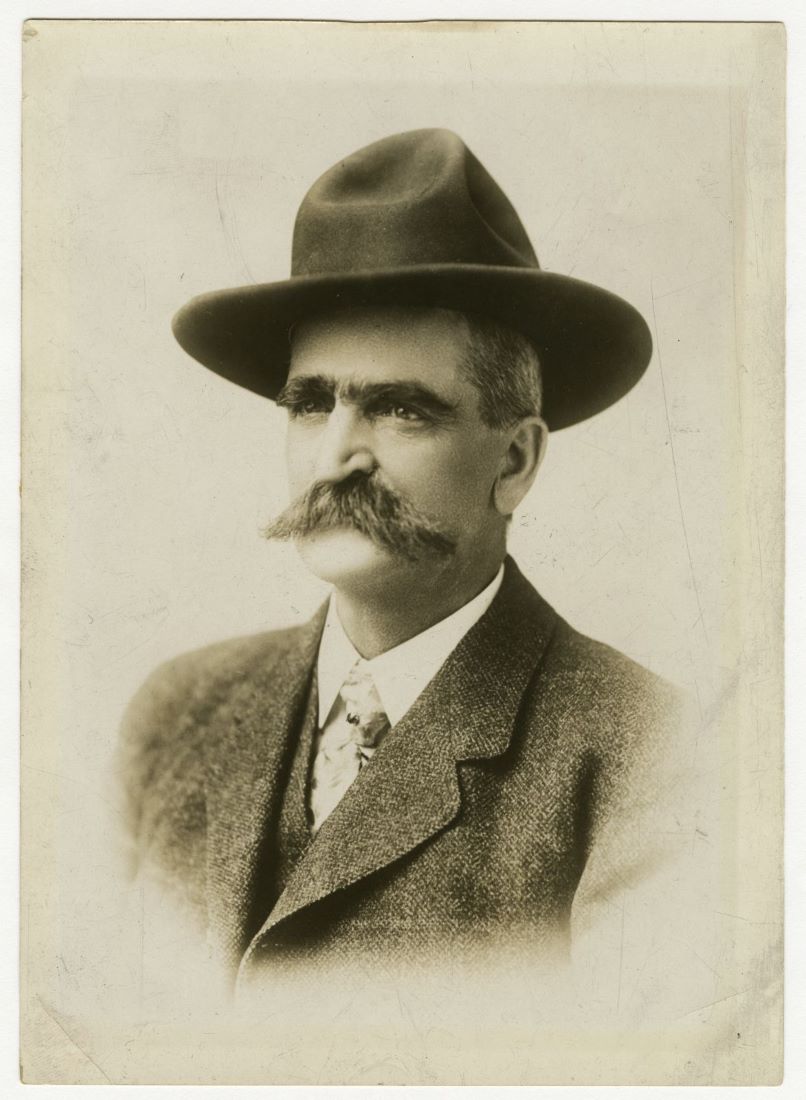
- Real: Hardware merchant, later sheriff and U.S. Marshal; respected civic leader.
- Show: Ex-lawman with a violent temper, torn between duty and vengeance.
- Verdict: Bullock was calmer and more establishment-oriented than the brooding, quick-to-draw version. His friendship with Swearengen is fictionalized for drama.
- Wild Bill Hickok (Keith Carradine)
- Real: Legendary gunfighter and scout; arrived in Deadwood August 1876; killed October 5, 1876, while playing poker (holding the “Dead Man’s Hand”: aces and eights).
- Show: Appears in Season 1 only; charismatic but doomed.
- Verdict: Accurate in broad strokes—Hickok was killed in Nuttal & Mann’s Saloon by Jack McCall. The show compresses his stay and death for narrative impact.
- Calamity Jane (Robin Weigert)
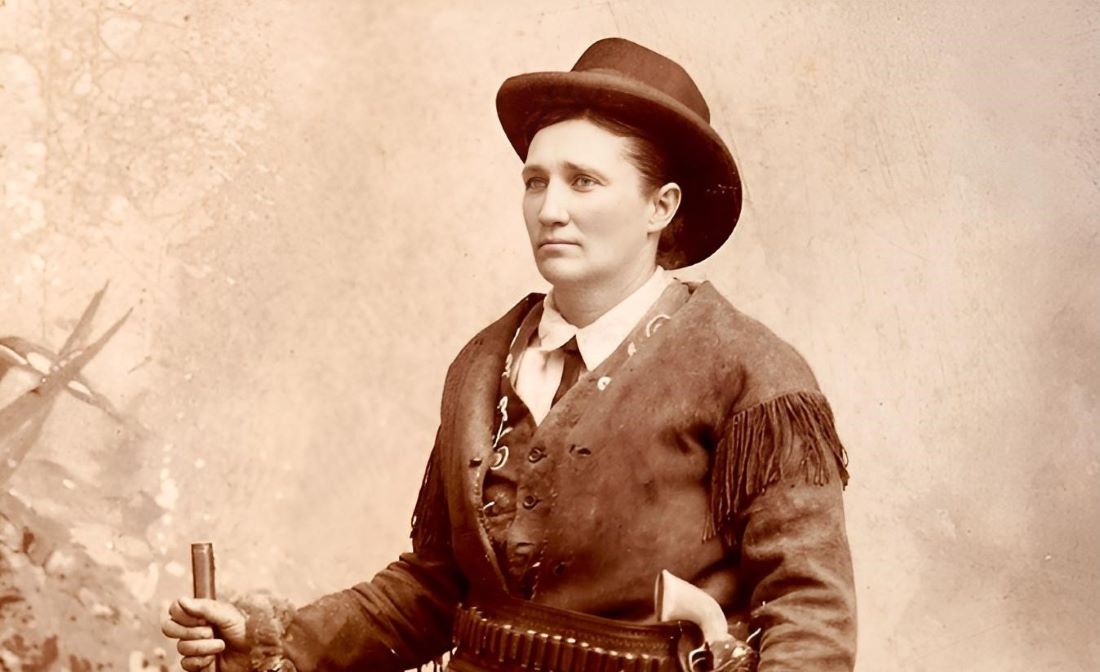
- Real: Martha Canary; frontierswoman, scout, alcoholic, storyteller who exaggerated her exploits.
- Show: Foul-mouthed, loyal, tragic figure with a soft heart.
- Verdict: The show romanticizes her; real Jane was more erratic and less heroic, though her self-mythologizing inspired the portrayal.
- Charlie Utter (Dayton Callie)
- Real: Hickok’s friend; ran freight and stage lines; helped organize Hickok’s funeral.
- Show: Loyal, principled sidekick.
- Verdict: Very accurate—Utter was indeed a steady, honorable man in a chaotic town.
Key Events – What the Series Captures and Changes
- The Arrival of Civilization Real: Deadwood quickly formed a miners’ court, vigilance committees, and later formal government.
- Show: Swearengen and Bullock represent competing visions of order.
- Verdict: The show brilliantly dramatizes the tension between anarchy and law, even if it condenses years into months.
- The Smallpox Epidemic Real: A real outbreak hit Deadwood in 1876–1877; vaccination efforts saved many.
- Show: Central to Season 1; Swearengen hides it to protect business.
- Verdict: Largely accurate, though dramatized for tension.
- The Murder of Hickok Real: Jack McCall shot Hickok in the back of the head over a poker debt (or revenge).
- Show: McCall is a pathetic figure manipulated by others.
- Verdict: McCall was likely acting alone; the show adds conspiracy for plot depth.
- The Trial of Jack McCall Real: First trial acquitted him (illegal court); second trial in Yankton convicted and hanged him.
- Show: Simplified into one chaotic hearing.
- Verdict: The show condenses for pacing but captures the lawlessness.
What the Show Gets Right (and Why It Feels Authentic)
- Filthy, dangerous streets and constant threat of violence.
- Mixing of races, nationalities, and social classes in a boomtown.
- Swearengen’s Gem and Nuttal & Mann’s Saloon as real power centers.
- The precariousness of law in a place with no formal government.
- Profane, Shakespearean dialogue that echoes 19th-century vernacular (though deliberately modernized).
Major Liberties and Fictional Elements
- Compressed timeline: Events spanning years are squeezed into months.
- Composite characters (e.g., EB Farnum, Cy Tolliver, Joanie Stubbs are invented or heavily fictionalized).
- Swearengen’s philosophical monologues and moral depth are artistic invention.
- Romantic subplots (Bullock–Martha, Jane–Joanie) are dramatized beyond evidence.
- The Chinese community and opium trade are exaggerated for story.
Legacy – Why Deadwood Still Matters
The HBO series is not a documentary—it’s a work of art that uses history as raw material to explore power, morality, community, and civilization’s thin veneer. It gets the feel of Deadwood right: a place where order was fragile, violence was currency, and every man had to decide how far he would go to survive.
The real Deadwood of 1876–1877 was even wilder than the show, but also more mundane—less poetic speeches, more dysentery and claim disputes. Milch’s version remains the definitive artistic portrait of the town, even if it sacrifices strict accuracy for truth.
Currently Reading
Historical Challenge: Can You Conquer the Past?
Answer more than 18 questions correctly, and you will win a copy of History Chronicles Magazine Vol 1! Take our interactive history quiz now and put your knowledge to the test!