 By istorija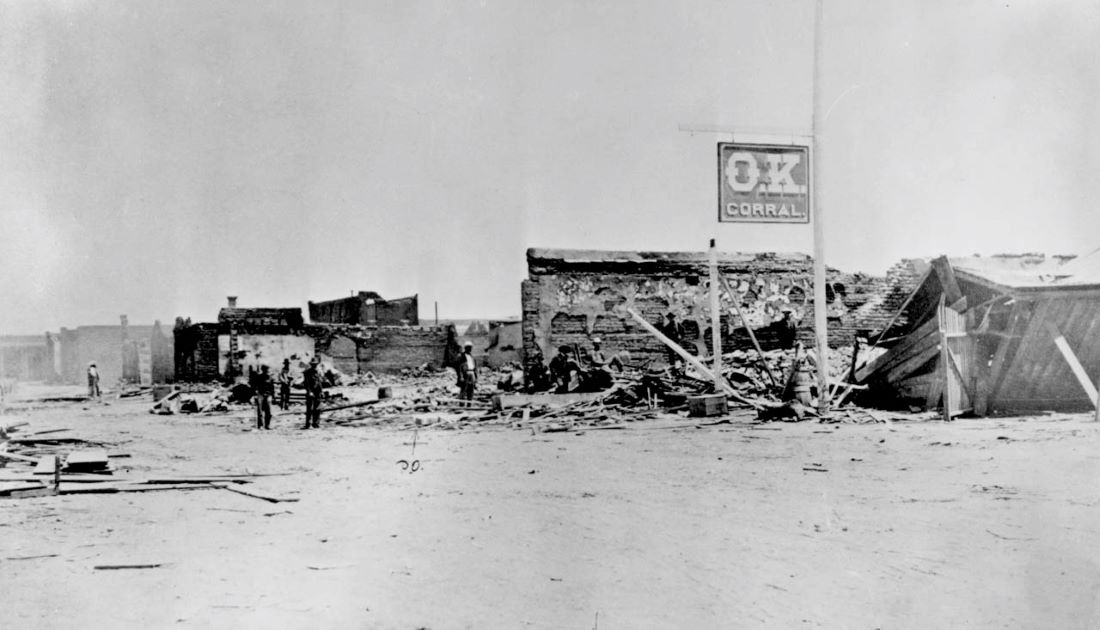
The Gunfight at the O.K. Corral on October 26, 1881, in Tombstone, Arizona Territory, remains the most iconic 30 seconds in Wild West history. It has been immortalized in countless films (from Gunfight at the O.K. Corral in 1957 to Tombstone in 1993), TV shows, and books as the ultimate showdown between lawmen and outlaws. Yet almost everything the popular imagination believes about the event is wrong.
The shootout did not take place inside the O.K. Corral. It lasted roughly 30 seconds. It was not a fair “high noon” duel. And the participants were far more complex than the black-hat-versus-white-hat legend suggests. Drawing on court records from the 1881 Spicer hearing, eyewitness testimony, and modern historical analysis, this article separates fact from Hollywood myth and reveals what actually happened on that dusty afternoon in Fremont Street.
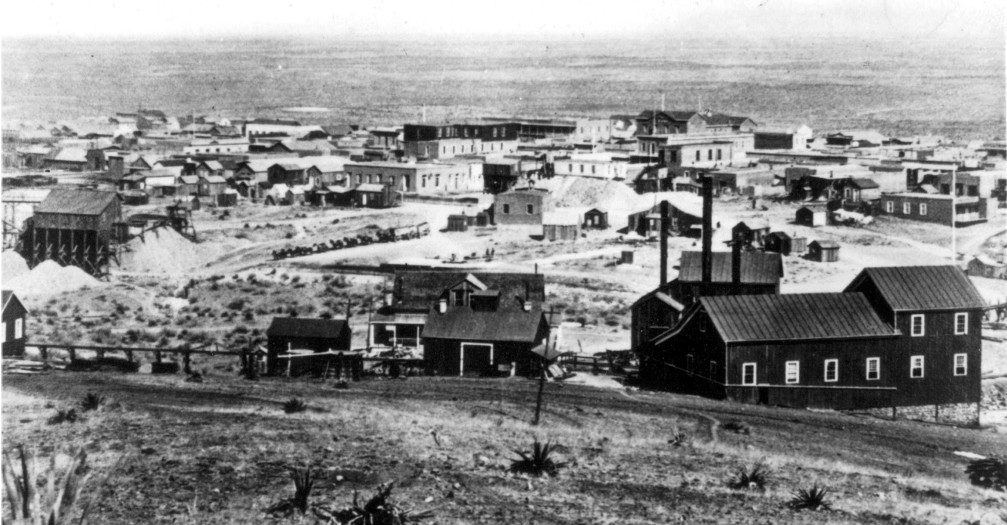
Tombstone in 1881 – A Boomtown on the Edge
Tombstone exploded into existence after silver was discovered in 1877. By 1881 it was a rough, lawless mining town of 7,000 people with saloons, gambling halls, and constant tension between two groups:
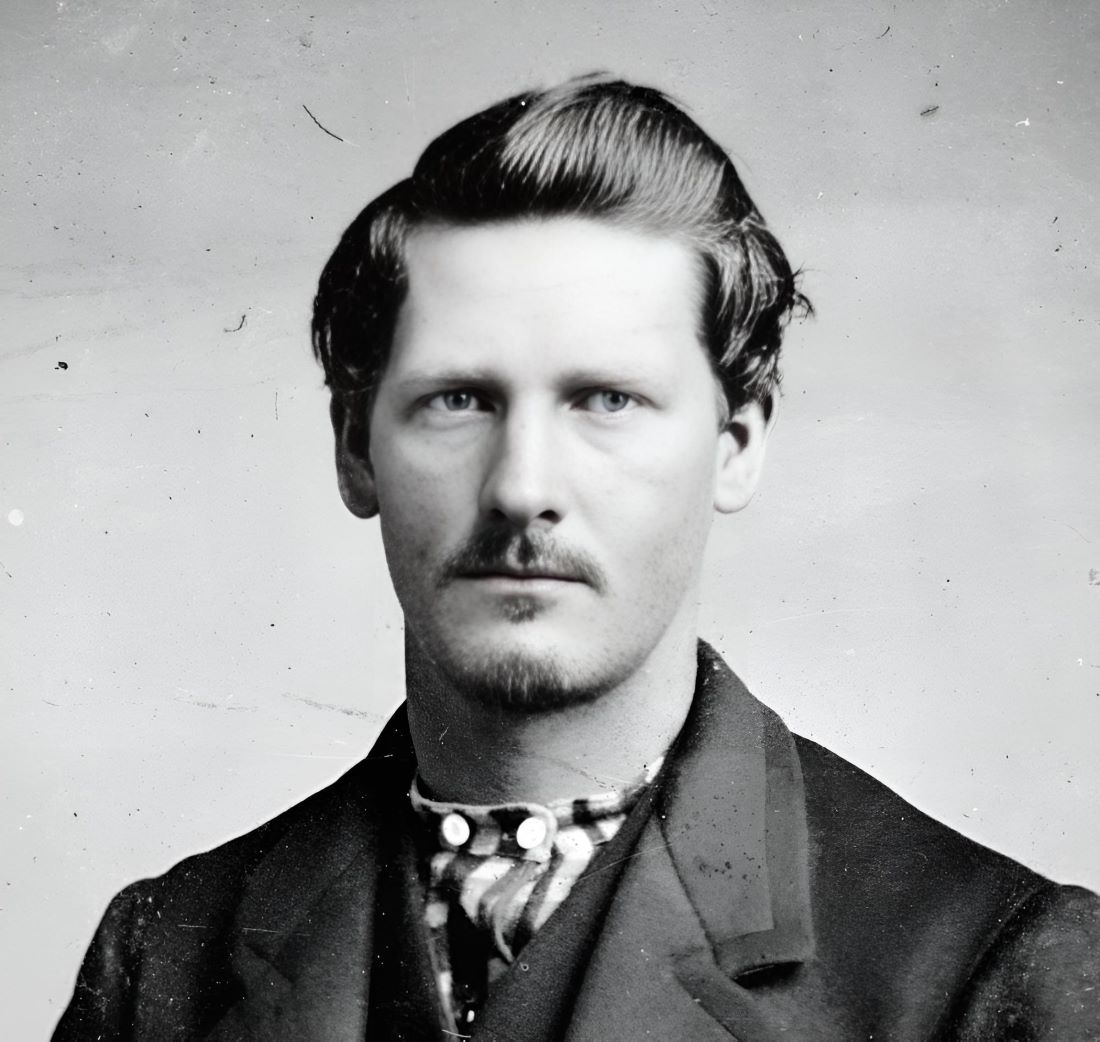
- The Earp brothers (Virgil, Wyatt, and Morgan) — appointed lawmen who represented order, mining interests, and the Republican establishment.
- The Cowboys — a loose confederation of cattle rustlers, ranchers, and gunmen (including the Clanton and McLaury families) who resented the Earps’ enforcement of gun-carrying ordinances and their political influence.
Tensions had been building for months. The Cowboys had threatened the Earps repeatedly, and a disarmament ordinance in Tombstone made carrying guns inside city limits illegal. On the morning of October 26, the stage was set for confrontation.
What Really Happened – The 30-Second Shootout
The gunfight did not occur at the O.K. Corral itself. It took place in a narrow vacant lot on Fremont Street, roughly 50–80 feet west of the corral’s rear entrance, between C.S. Fly’s boarding house and photography studio and the Harwood house.
Timeline (based on court testimony and the Spicer hearing):
- Around 2:30 p.m., Virgil Earp (Town Marshal), Wyatt Earp (deputy), Morgan Earp (deputy), and Doc Holliday (temporary deputy) approached a group of Cowboys who were armed in violation of the ordinance.
- The Cowboys in the lot: Ike Clanton, Billy Clanton, Frank McLaury, Tom McLaury, and Billy Claiborne.
- Virgil Earp called out: “Throw up your hands!” or words to that effect.
- Shooting erupted almost immediately. In about 30 seconds, roughly 30 shots were fired at close range (10–20 feet).
Casualties:
- Killed: Billy Clanton, Frank McLaury, Tom McLaury.
- Wounded: Virgil Earp (arm/shoulder), Morgan Earp (shoulder), Doc Holliday (hip graze).
- Ike Clanton and Billy Claiborne fled; neither fired a shot.
The Earps and Holliday claimed they were enforcing the law and acting in self-defense. The Cowboys’ supporters claimed the Earps ambushed them. After a month-long preliminary hearing, Justice of the Peace Wells Spicer ruled the Earps and Holliday acted within their authority and discharged them.
Major Myths vs Historical Facts
Myth 1: The gunfight happened inside the O.K. Corral Fact: It took place in a vacant lot on Fremont Street, well outside the corral. The name “Gunfight at the O.K. Corral” was invented later for dramatic effect and stuck because it sounded better than “Gunfight in the vacant lot behind the O.K. Corral.”
Myth 2: It was a classic fair duel at high noon Fact: It happened at approximately 2:30–3:00 p.m. on a cloudy afternoon. There was no formal challenge or pacing off distances. It was a chaotic, close-range brawl triggered by an attempt to disarm the Cowboys.
Myth 3: Wyatt Earp was the lone hero and fastest gun Fact: Virgil Earp was the marshal and gave the orders. All four men (Virgil, Wyatt, Morgan, and Holliday) fired. Wyatt emerged unscathed, which later helped build his legend, but the fight was a team effort.
Myth 4: The Cowboys were all hardened outlaws Fact: The Clantons and McLaurys were cattle rustlers and ranchers who frequently clashed with the law, but they were not professional gunfighters. Ike Clanton was known more for bluster than skill. Billy Clanton and the McLaury brothers were young ranch hands caught in a feud.
Myth 5: It was the bloodiest or longest gunfight in the West Fact: It was extremely brief and relatively contained. Far deadlier shootouts occurred in the West, but none captured the public imagination like this one.
Aftermath and the Vendetta Ride
The gunfight did not end the feud. In the following months:
- Virgil Earp was ambushed and crippled.
- Morgan Earp was assassinated while playing billiards.
- Wyatt Earp led a federal posse on the famous Vendetta Ride, killing several men he held responsible.
Wyatt and Doc Holliday eventually left Arizona. The event cemented Tombstone’s reputation as the “Town Too Tough to Die.”
Why the Legend Endures
The Gunfight at the O.K. Corral became the defining symbol of the Wild West because it perfectly combined real violence, larger-than-life characters, and a clear (if simplified) narrative of law versus chaos. Hollywood, starting with Stuart Lake’s heavily fictionalized 1931 biography of Wyatt Earp, turned the 30-second brawl into an enduring American myth.
The real story is more nuanced: a messy confrontation between rival factions in a silver boomtown, where personal grudges, politics, and the struggle for control played out in a dusty lot.
Currently Reading
Historical Challenge: Can You Conquer the Past?
Answer more than 18 questions correctly, and you will win a copy of History Chronicles Magazine Vol 1! Take our interactive history quiz now and put your knowledge to the test!