
 By istorija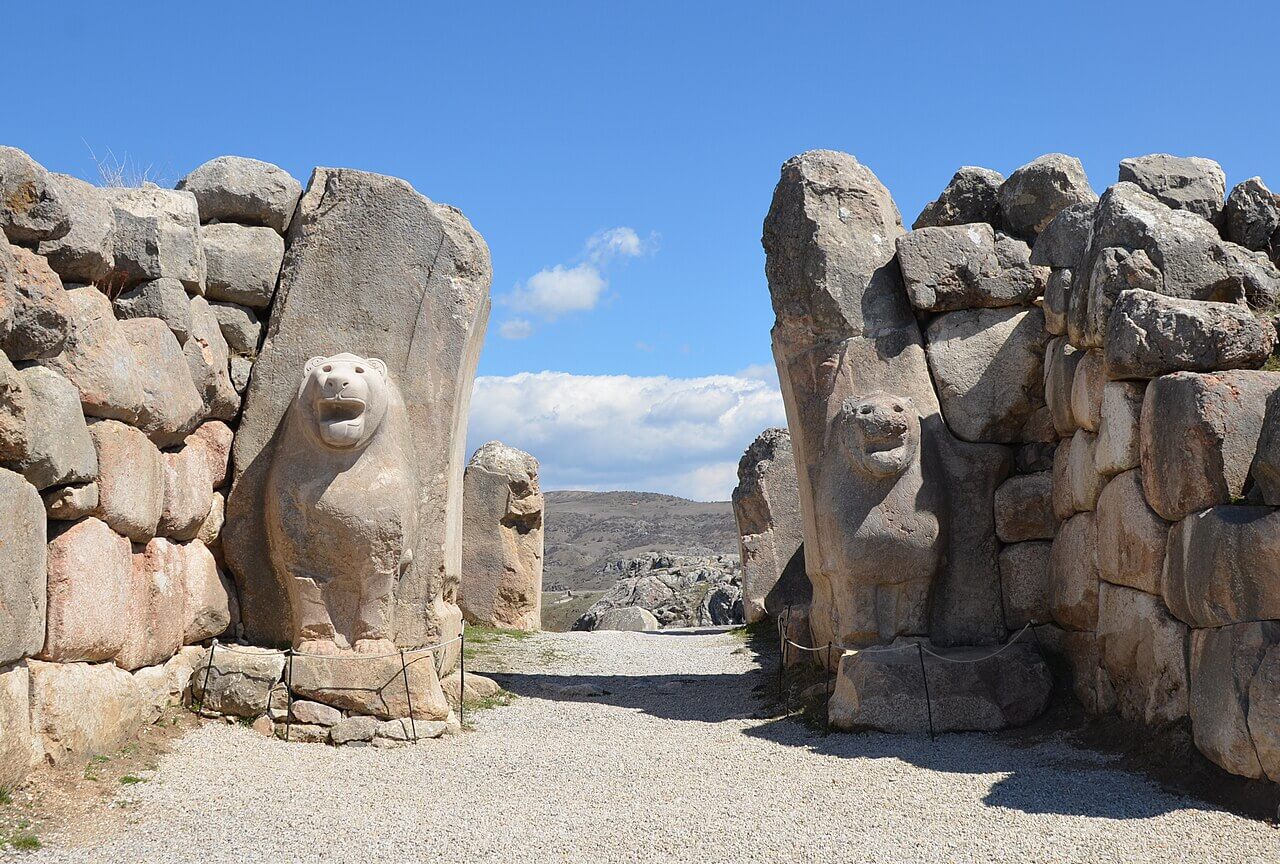
Between roughly 1200 and 1150 BCE, the eastern Mediterranean and Near East experienced one of the most dramatic societal breakdowns in recorded history. The Bronze Age Collapse saw the sudden or rapid decline of several advanced civilizations: Mycenaean Greece, the Hittite Empire, Ugarit, Troy, many Canaanite city-states, and even a near-collapse of New Kingdom Egypt. Writing systems vanished in some regions, trade networks disintegrated, monumental architecture ceased, cities were abandoned or destroyed, and literacy dropped sharply—ushering in the so-called Greek “Dark Ages” (c. 1100–800 BCE).
For centuries historians spoke of a single “catastrophe,” often blaming invading “Sea Peoples.” Modern scholarship rejects simple explanations. The collapse was a multifactorial systems failure: a perfect storm of interconnected stresses that pushed fragile Late Bronze Age societies beyond their tipping point. This article examines the evidence, the major contributing factors, the role of the Sea Peoples, and why the collapse was not total everywhere.
The World Before the Collapse – A Fragile Golden Age
The Late Bronze Age (c. 1550–1200 BCE) was an era of unprecedented interconnectedness:
- Diplomatic correspondence (Amarna Letters) shows kings of Egypt, Babylon, Assyria, Hatti (Hittites), Mitanni, and Mycenaean palaces exchanging gifts, marriages, and treaties.
- Long-distance trade in tin (essential for bronze), copper, ivory, glass, and luxury goods linked the Aegean, Anatolia, Levant, Mesopotamia, and Egypt.
- Palatial economies (redistributive centers like Mycenae, Knossos, Hattusa, Ugarit) controlled production, storage, and elite consumption.
- Literacy (Linear B in Greece, cuneiform in the Near East) was confined to palace scribes.
This system was highly efficient but brittle—dependent on stable climate, trade routes, elite alliances, and the absence of major disruptions.
Timeline of the Collapse – A Cascade of Destruction
c. 1200–1190 BCE: Major destructions begin.
- Mycenaean palaces (Pylos, Mycenae, Tiryns) burned; Linear B writing disappears.
- Hattusa (Hittite capital) abandoned and sacked.
- Ugarit, Alalakh, Emar, and many Levantine cities destroyed by fire.
- Troy VIIa (likely the “Trojan War” layer) destroyed around this time.
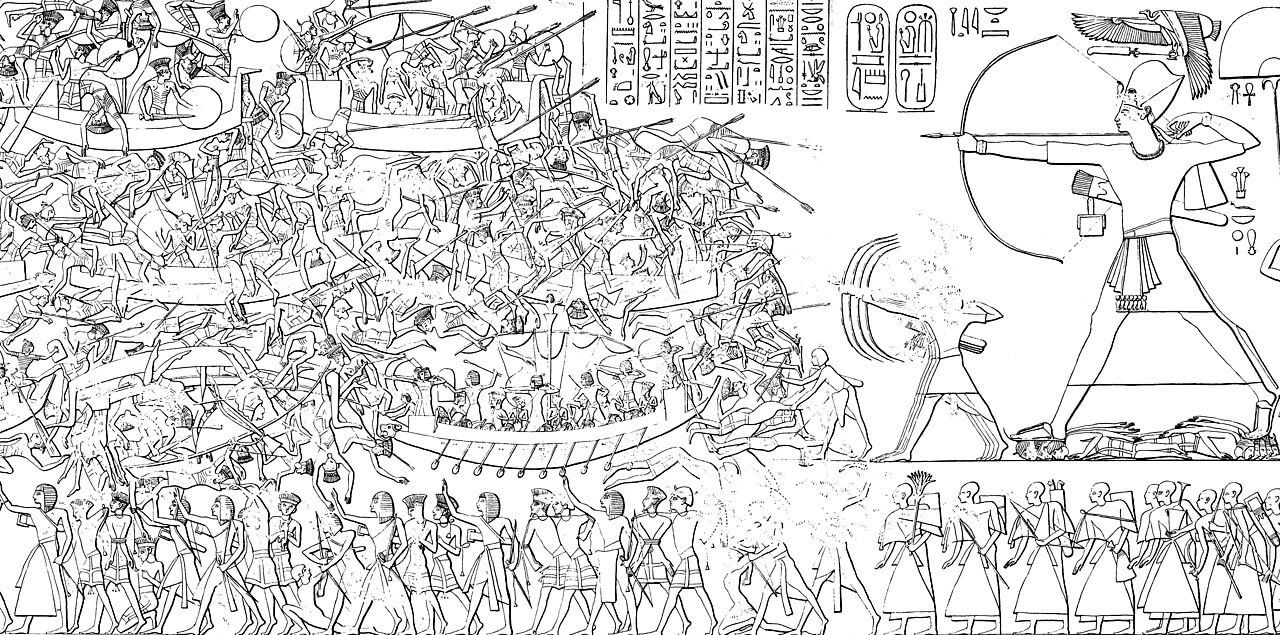
c. 1180–1150 BCE: Egypt repels two major invasions (Sea Peoples) under Ramesses III, but suffers internal decline.
- Trade dries up; bronze becomes scarce (leading to widespread adoption of iron).
By 1100 BCE: Most palatial centers gone; population drops in many areas; regionalism and small-scale societies emerge.
Primary Causes – A Multifactorial Collapse
No single factor explains the Bronze Age Collapse; it was a systems collapse where multiple stressors reinforced each other:
- Climate Change and Drought Paleoclimatic data (tree rings, lake sediments, speleothems) show a prolonged megadrought c. 1200–1100 BCE across the eastern Mediterranean and Near East—the “4.2 kiloyear event” extended or a new arid phase. Reduced rainfall devastated agriculture in rain-fed regions (Anatolia, Greece, Levant), leading to crop failures, famine, and migration.
- Earthquakes and Natural Disasters The “Earthquake Storm” hypothesis (Eric Cline): clusters of seismic activity damaged cities already stressed by drought. Many destruction layers show evidence of earthquakes followed by fire (arson or accidental).
- Systems Overload and Internal Fragility Palatial economies were top-heavy—dependent on tribute, trade monopolies, and elite redistribution. Drought disrupted grain surpluses; debt and inequality grew. Palace bureaucracies could not adapt quickly to crisis.
- Disruption of International Trade Tin (from Afghanistan or Cornwall) and copper (Cyprus) supplies faltered. Without bronze, armies and elites lost technological edge; societies shifted to locally available iron.
- The Sea Peoples – Raiders or Refugees? Egyptian records (Medinet Habu inscriptions of Ramesses III) describe “Sea Peoples” (Peleset/Philistines, Sherden, Shekelesh, Denyen, Weshesh, etc.) attacking in coalitions by land and sea around 1208 and 1177 BCE. They destroyed Ugarit, settled in Canaan (Philistines), and threatened Egypt. Were they invaders causing collapse, or displaced groups (refugees from drought/war) exploiting weakened states? Most scholars now favor the latter: opportunistic raiders amid systemic breakdown.
- Internal Revolts and Social Unrest Texts from Ugarit and Hattusa show palace officials fleeing, slaves rebelling, and food shortages. In some cases, lower classes or marginalized groups may have turned against elites.
Why Some Regions Survived
- Egypt endured (though weakened) thanks to Nile irrigation (less drought-sensitive) and strong military under Ramesses III.
- Assyria (Middle Assyrian period) and Elam persisted in Mesopotamia.
- Phoenician cities (Byblos, Tyre, Sidon) adapted quickly to new trade realities.
The collapse was regional, not global—most severe in the Aegean, Anatolia, and Levant.
Legacy – From Bronze Age to Iron Age
The Dark Ages that followed saw:
- Loss of writing in Greece (until Phoenician alphabet adoption c. 800 BCE).
- Smaller, decentralized societies.
- Technological shift to iron (cheaper, locally available).
- Cultural memory preserved in oral epic traditions (Homer’s Iliad and Odyssey likely reflect collapsed Mycenaean world).
The Bronze Age Collapse reminds us how interconnected, complex societies can unravel when multiple stressors hit simultaneously—relevant to discussions of modern climate, supply-chain fragility, and systemic risk.
Currently Reading
Historical Challenge: Can You Conquer the Past?
Answer more than 18 questions correctly, and you will win a copy of History Chronicles Magazine Vol 1! Take our interactive history quiz now and put your knowledge to the test!