
 By istorija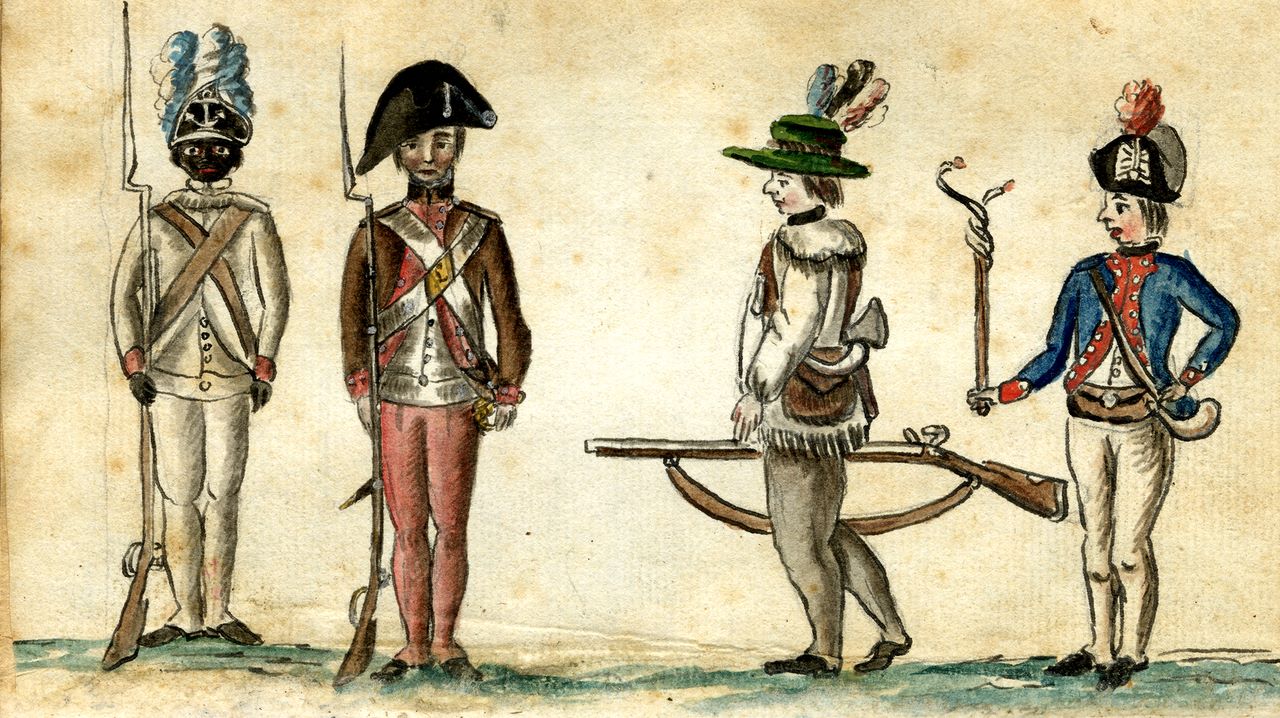
The American Revolution (1775–1783) is often celebrated as a fight for liberty and self-government, yet the participation of African Americans—both enslaved and free—reveals a far more complicated story. Between 5,000 and 10,000 Black men fought for the Patriot cause, while thousands more served the British, many in hopes of gaining freedom. Their involvement was not peripheral: African Americans were soldiers, sailors, spies, laborers, and even informants in one of the most pivotal conflicts in world history. Yet their contributions have long been marginalized in traditional narratives, overshadowed by the paradox that many fought for “liberty” while remaining enslaved.
This article examines the real roles African Americans played in the Revolution—on both sides—focusing on the promises of freedom that motivated them, the key individuals who emerged, and the tragic aftermath that saw most promises broken. Drawing on primary sources, muster rolls, pension records, and modern scholarship, it separates myth from documented fact.
The Paradox of Liberty – Enslaved People and the Revolutionary Cause
In 1775, approximately 500,000 African Americans lived in the colonies—about 20% of the total population, the vast majority enslaved. The rhetoric of “no taxation without representation” and “all men are created equal” clashed sharply with the reality of chattel slavery. Yet both sides quickly recognized the military potential of Black manpower.
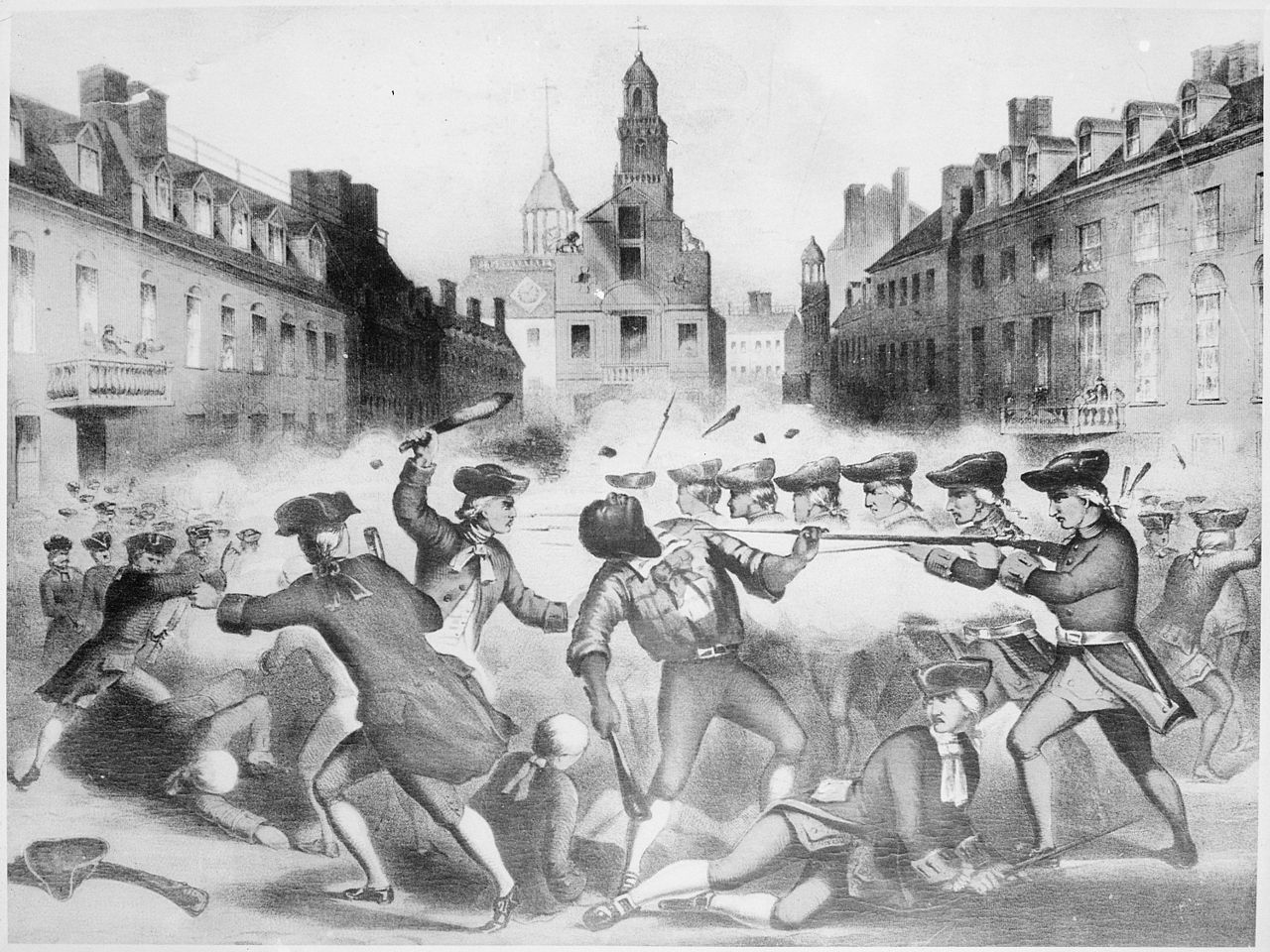
British Offers of Freedom Lord Dunmore, Royal Governor of Virginia, issued the first formal offer on November 7, 1775: the Dunmore’s Proclamation promised freedom to any enslaved person who joined British forces and fought against the rebels. Thousands responded—estimates range from 800 to 2,000 in Virginia alone. These men formed the Ethiopian Regiment, wearing sashes inscribed “Liberty to Slaves.” Many died in battle or from disease, but those who survived were evacuated to Nova Scotia, London, or the Caribbean after the war. For the British, it was a pragmatic military tactic; for the enslaved, it was often the only path to freedom.
Patriot Recruitment and Promises Patriots were initially reluctant to arm Black men. Most states banned Black enlistment early in the war. But manpower shortages changed that. Rhode Island (1778) formed the 1st Rhode Island Regiment, a majority-Black unit that fought at Yorktown. Massachusetts, Connecticut, New York, and New Hampshire also recruited enslaved men, promising freedom upon service (often to the master, not the individual).
Key Figures and Contributions
Soldiers
- Salem Poor (Massachusetts): Fought at Bunker Hill (1775), praised by 14 officers for “distinguished bravery.”
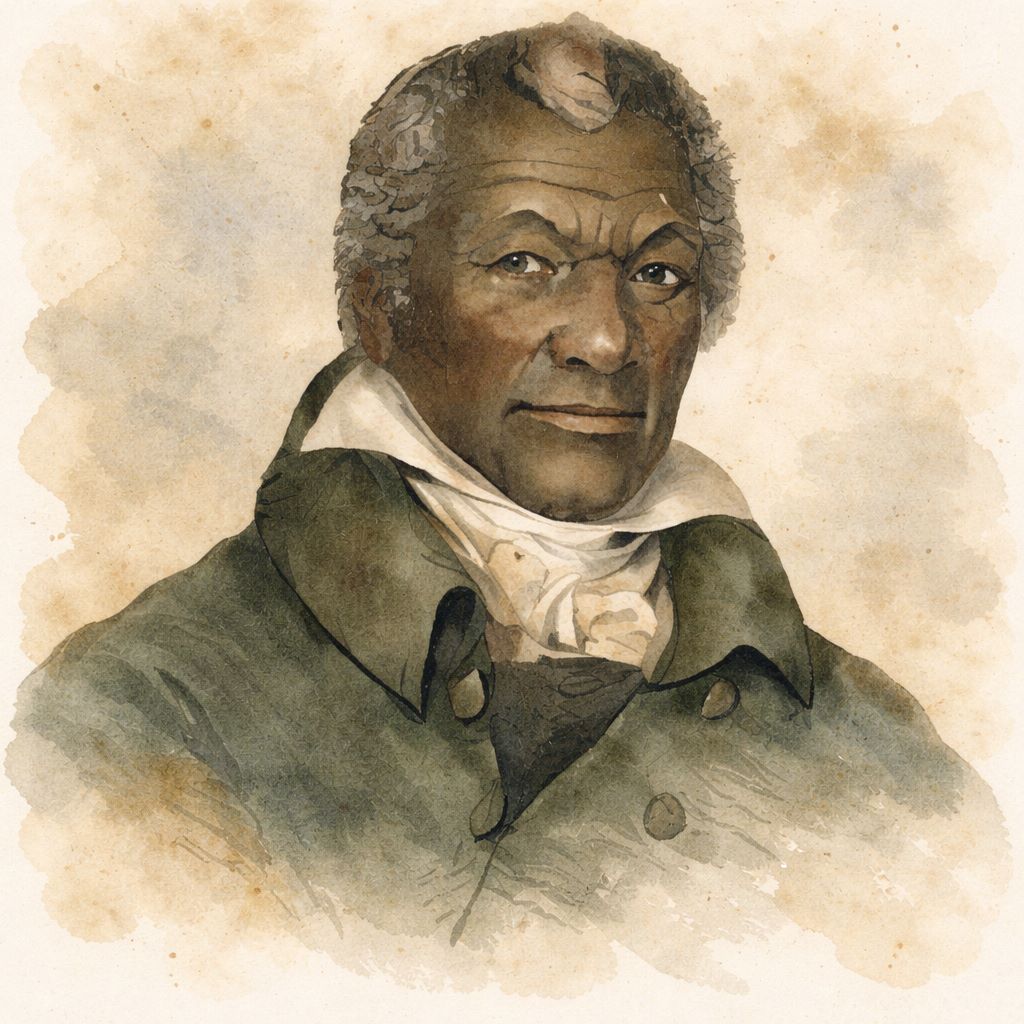
- James Armistead Lafayette (Virginia): Enslaved man who served as a double agent. Posing as a runaway, he infiltrated British lines under Benedict Arnold and Lord Cornwallis, feeding crucial intelligence to the Marquis de Lafayette and George Washington. His information helped trap Cornwallis at Yorktown (1781).
- 1st Rhode Island Regiment: Fought with distinction at the Battle of Rhode Island (1778) and Yorktown. Many were freed after the war.
The Promises of Freedom – Delivered and Broken
For many enslaved men, military service was a calculated gamble for liberty:
- Northern states (especially New England) largely honored freedom promises; gradual emancipation began in the 1780s.
- Southern states often resisted. Virginia promised freedom but frequently returned men to masters. South Carolina and Georgia refused to arm Black men at all.
After Yorktown (1781), the British evacuated thousands of Black Loyalists to Nova Scotia, London, and Sierra Leone. The Book of Negroes (1783 British evacuation list) records over 3,000 formerly enslaved people who left with the British—many gained freedom in Canada or Britain.
Patriot Black veterans faced mixed fates: some received pensions or land bounties (rarely honored), others were re-enslaved. The Revolution did not end slavery; it intensified debates that led to the Constitution’s compromises (3/5 clause, fugitive slave law) and eventual Civil War.
Legacy – A Revolution Half-Fought
African Americans fought on both sides for the same reason: freedom. The British offered it more consistently, while Patriot promises were often conditional or ignored. Their service challenged the hypocrisy of a slaveholding republic fighting for liberty, laying early groundwork for abolitionist arguments.
Today, the contributions of Black Patriots are increasingly recognized in museums (e.g., Museum of the American Revolution), National Park Service sites, and revised textbooks. Yet the full story remains under-told compared to white founding fathers.
Currently Reading
Historical Challenge: Can You Conquer the Past?
Answer more than 18 questions correctly, and you will win a copy of History Chronicles Magazine Vol 1! Take our interactive history quiz now and put your knowledge to the test!