
 By istorija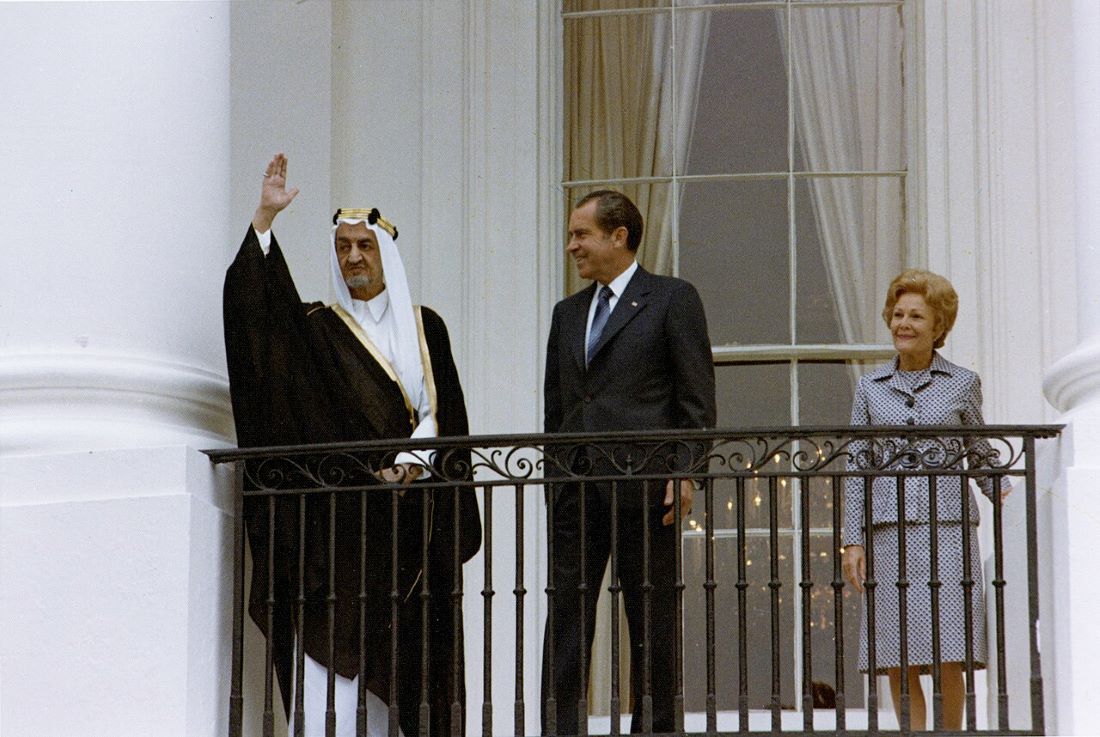
The petrodollar system is one of the most important, and least understood, pillars of American economic dominance since World War II. At its core, it is the global arrangement in which the U.S. dollar is the primary currency used for buying and selling oil on the international market. This system has given the United States enormous advantages: cheaper borrowing costs, stronger demand for the dollar, and significant geopolitical leverage.
But after more than 50 years, the petrodollar is facing growing challenges. This article explains how the system was created, why it has been so powerful, how vulnerable it has become, and what the consequences for the United States would be if it were to collapse or significantly weaken.
The Birth of the Petrodollar (1971–1975)
In 1971, President Richard Nixon ended the direct convertibility of the U.S. dollar into gold (the end of the Bretton Woods system). This created a major problem: without gold backing, what would support the dollar’s value and global demand?
The answer came through a series of secret agreements between the United States and Saudi Arabia:
- In 1974–1975, the U.S. and Saudi Arabia reached an understanding: Saudi Arabia would price all its oil exports in U.S. dollars and invest its surplus oil revenues in U.S. Treasury securities.
- In return, the United States offered military protection, arms sales, and technical support to the Saudi regime.
- Other OPEC nations gradually followed suit, making the dollar the dominant currency for global oil trade.
This arrangement was a brilliant strategic move. Even after losing the gold standard, the dollar retained its status as the world’s reserve currency because everyone needed dollars to buy oil.
Why the Petrodollar Was So Powerful
The system created several massive advantages for the United States:
- Constant global demand for dollars: Every country that imports oil must hold or acquire U.S. dollars.
- Lower borrowing costs: High demand for Treasuries allows the U.S. to finance large deficits at relatively low interest rates.
- Exorbitant privilege: The U.S. can print dollars to pay for imports (including oil) while the rest of the world holds those dollars as reserves.
- Geopolitical leverage: Control over the dollar-based oil trade gives Washington enormous influence over global energy flows and sanctions power.
For decades, this system helped the U.S. maintain its economic supremacy even as its share of global GDP declined.
Growing Vulnerabilities of the Petrodollar
In recent years, the petrodollar system has come under increasing pressure:
- De-dollarization efforts: China, Russia, India, and several BRICS nations have been actively reducing their reliance on the U.S. dollar for oil trade. They are using yuan, rupees, rubles, and even gold in bilateral deals.
- Saudi Arabia’s shifting stance: In 2023–2024, Saudi Arabia openly discussed accepting yuan for oil sales to China and joined the BRICS group. While the petrodollar is still dominant, cracks are visible.
- Rise of alternative payment systems: China’s CIPS, Russia’s SPFS, and cryptocurrency experiments are slowly offering alternatives to SWIFT and dollar clearing.
- Weaponization of the dollar: Excessive use of sanctions (Iran, Russia, Venezuela) has encouraged countries to seek ways around the dollar system to avoid U.S. financial power.
As of 2026, the dollar still accounts for the vast majority of global oil transactions, but its share has been slowly declining.
What Would Happen if the Petrodollar Collapses or Weakens Significantly?
A full collapse is unlikely in the short term, but a gradual erosion is already underway. The consequences for the United States would be severe:
- Higher borrowing costs: Reduced global demand for dollars and Treasuries would push up U.S. interest rates, making it much more expensive for the government and households to borrow.
- Weaker dollar: A sustained decline in dollar demand would lead to depreciation, making imports (including oil) more expensive and fueling inflation.
- Loss of “exorbitant privilege”: The U.S. would no longer be able to run large trade and budget deficits as easily. Fiscal discipline would be forced upon Washington.
- Reduced geopolitical power: Sanctions would become far less effective if countries could bypass the dollar system.
- Economic pain: Higher energy prices, inflation, and slower growth could trigger a painful adjustment period — potentially leading to recession or stagflation.
In the worst-case scenario, a rapid unraveling could resemble a slower version of the 1970s oil shocks combined with a loss of confidence in U.S. debt.
The Bottom Line
The petrodollar system has been one of the greatest sources of American strength since the 1970s. It allowed the U.S. to maintain global financial dominance long after its share of world manufacturing declined. However, no monetary arrangement lasts forever. The system is showing real signs of strain due to geopolitical shifts, the rise of alternative powers, and the weaponization of the dollar itself.
Whether the petrodollar collapses suddenly or slowly erodes over the coming decades, the United States will face a historic challenge: learning to live without the extraordinary advantages it has enjoyed for half a century.
The end of the petrodollar would not mean the end of America, but it would mark the end of an era of exceptional financial privilege — and force a painful but necessary adjustment to a more multipolar world.
Currently Reading


Historical Challenge: Can You Conquer the Past?
Answer more than 18 questions correctly, and you will win a copy of History Chronicles Magazine Vol 1! Take our interactive history quiz now and put your knowledge to the test!