
 By istorija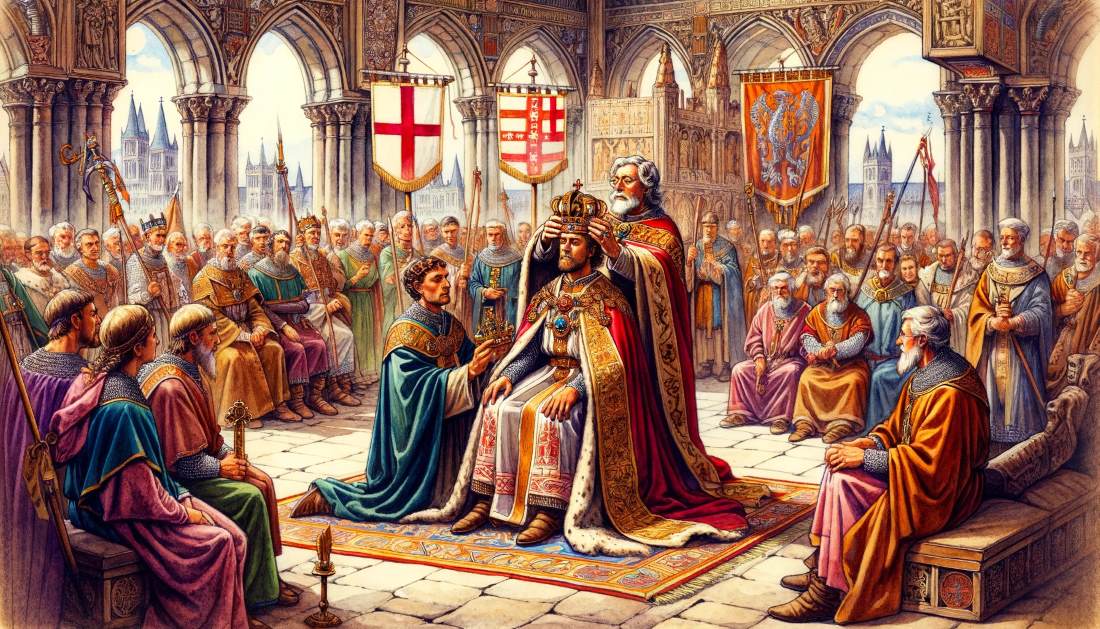
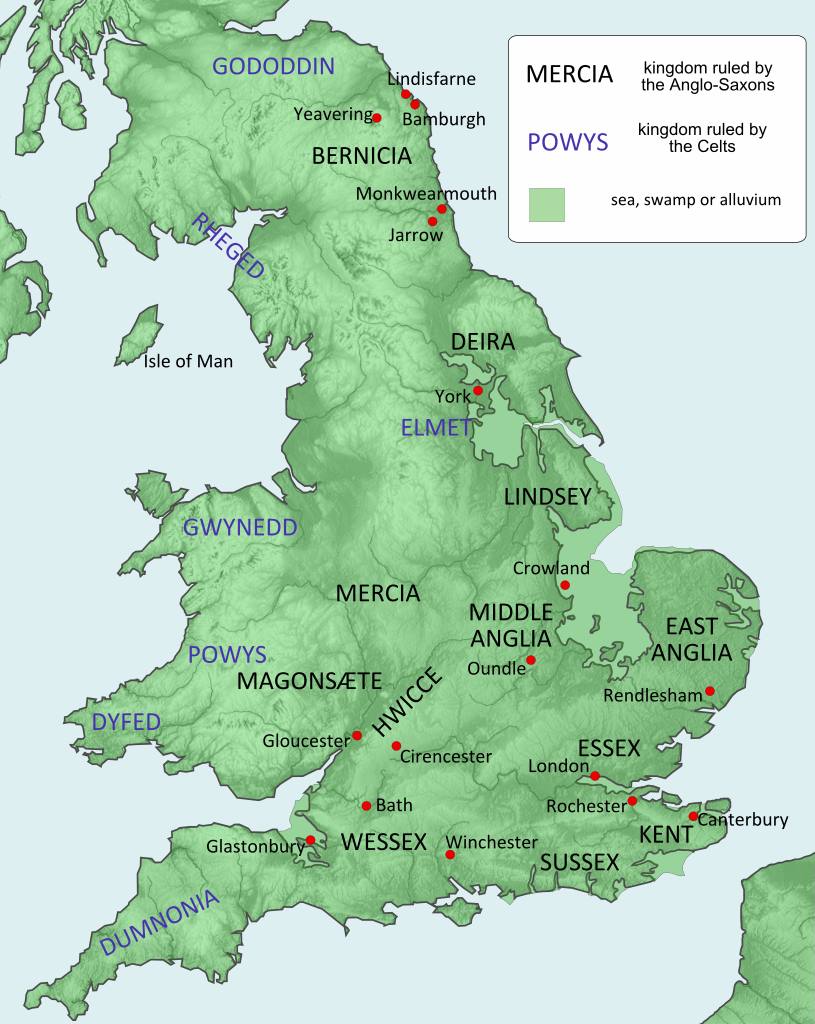
The Seven Kingdoms of England, often referred to as the Heptarchy, represent a significant period in early English history, which spanned approximately from the 5th to the 9th centuries. This era was marked by the emergence and dominance of seven principal kingdoms: Wessex, Essex, Sussex, Kent, East Anglia, Mercia, and Northumbria. Each of these kingdoms was ruled by its king and was established as Anglo-Saxon tribes settled and gained control over various regions of what is now England. The term ‘Heptarchy’, derived from Greek, translates to ‘rule of seven’, accurately depicting this fragmented yet crucial phase in the formation of England’s history. It was a time characterized by frequent conflicts, alliances, and shifts in power among these kingdoms, which played a foundational role in shaping the dynamics of medieval England.
The Origin of the Seven Kingdoms
The mid-5th century marked the genesis of a significant transformation in Britain with the decline of Roman rule. This power vacuum paved the way for the influx of Germanic tribes, notably the Angles, Saxons, Jutes, and Frisians. Initially arriving in small, disparate groups, these tribes gradually began to establish firm footholds, predominantly in southeastern Britain. Their integration into the British Isles was a multifaceted process, blending elements of conquest, cultural assimilation, and settlement.
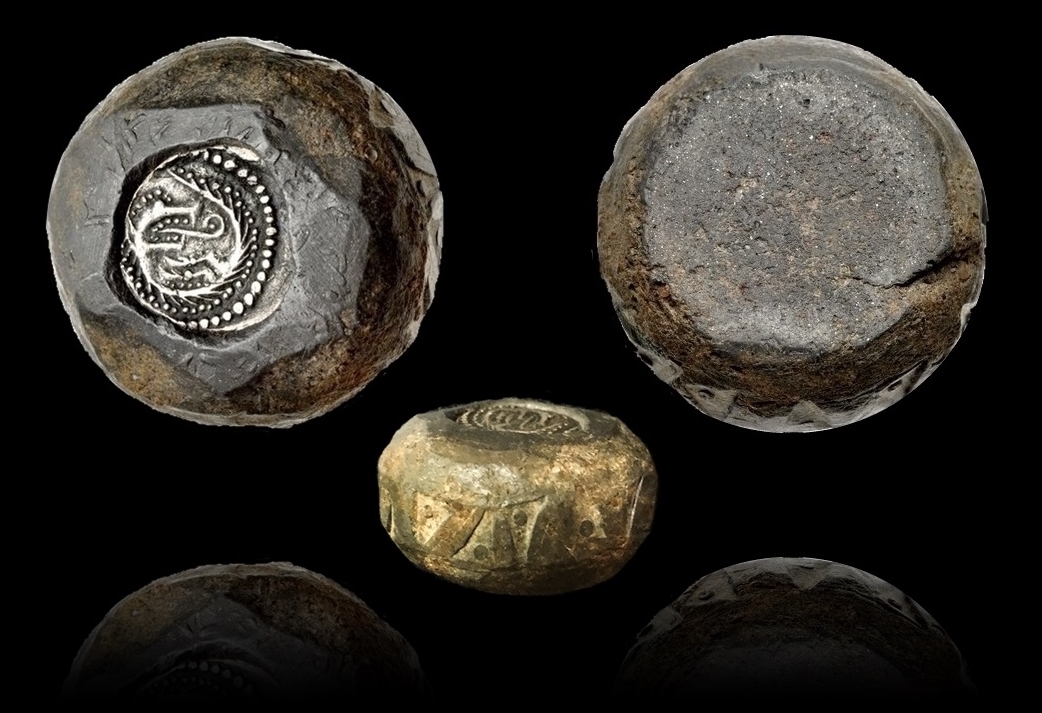
This era was characterized by its cultural shifts and frequent conflicts with the native Romano-British communities. Legendary figures such as Ambrosius Aurelianus and the possibly mythical King Arthur symbolize the resistance against these settlers. The Battle of Mons Badonicus around 500 AD exemplifies this resistance, marking a significant but temporary halt to the Germanic expansion. The nature of this Anglo-Saxon settlement, whether as a sweeping migration or a dominance by a smaller elite, remains a subject of debate among historians. However, archaeological findings suggest a nuanced blend of cultural continuity and change.
In this backdrop of migration and settlement, the Heptarchy, a collection of seven kingdoms, began to take shape. These were Northumbria, Mercia, East Anglia, Essex, Kent, Sussex, and Wessex. Each kingdom, evolving from smaller tribal communities, developed its unique cultural and political identity, yet they were united by a common Anglo-Saxon heritage. The formation of these kingdoms was a staggered process, evolving over several centuries from tribal settlements to centralized states.
The early medieval political landscape in England was dynamic, marked by frequent warfare, shifting alliances, and power struggles among the kingdoms of the Heptarchy. These interactions were not just mere power plays but also significantly influenced the cultural and political evolution of the region. The period saw the gradual conversion of these kingdoms to Christianity, a crucial factor that shaped their societal structures. By the end of the 7th century, these transformations fostered a nascent sense of an “English” identity, transcending individual kingdoms and laying the foundation for the future unification of England.
The Seven Kingdoms of England
Kent
Kent, settled by the Jutes, was one of the earliest Anglo-Saxon kingdoms. The kingdom, traditionally founded by Hengest and Horsa, thrived as a major trade center with Canterbury being a focal point. Æthelberht, a significant ruler of Kent, was notable for being the first Anglo-Saxon king to convert to Christianity, influenced by Saint Augustine, the first Archbishop of Canterbury. Kent’s decline began when it fell under Mercian control and then eventually became part of Wessex.
Essex
Essex, home of the East Saxons, had a royal house claiming descent from the Saxon god Seaxnet. This kingdom was known for its practice of joint kingships within the ruling family. Essex’s territory included important Roman provincial capitals, including Colchester and London. However, Essex often found itself under the sway of more powerful kingdoms, leading to a complex relationship with Christianity and eventually falling under Mercian and Wessex dominance.
Sussex
Sussex, according to legend, was founded by Ælle. This kingdom was culturally distinct due to a large forest in its northeast and was the last to convert to Christianity. It recognized Mercian dominance before being conquered by Wessex in the 680s, briefly regained independence but was eventually subdued by Mercia and then Wessex.
Northumbria
Northumbria, at its peak, spanned from the Humber and Mersey rivers to the Firth of Forth in Scotland, formed from the union of Bernicia and Deira. It was a center of art and learning, home to Bede, the famous Anglo-Saxon author. The kingdom experienced political instability in the 8th century, leading to its decline due to conflicts with the Picts and Viking invasions, ultimately falling under Viking control.
East Anglia
East Anglia, known for the Sutton Hoo ship burial, was significant during the reign of King Rædwald. The kingdom was influential in the development of Anglo-Saxon culture and society, including the composition of the epic poem “Beowulf”. East Anglia, like other kingdoms, came under Mercian influence and eventually fell to Viking control.
Mercia
Mercia emerged as one of the most powerful Anglo-Saxon kingdoms during the 8th century. It was known for its military strength and wealth, as evidenced by artifacts like those found in the Staffordshire Hoard. Penda and later kings like Offa were significant rulers who extended Mercian influence over other kingdoms. However, it eventually came under the control of Wessex.
Wessex
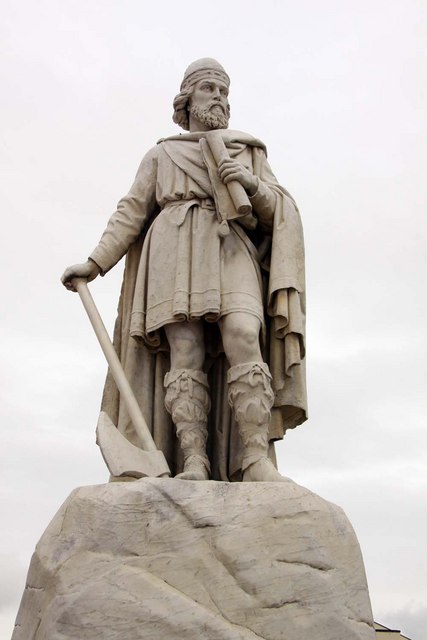
Wessex, under King Alfred the Great, played a pivotal role in defending against Viking invasions and laid the groundwork for the unification of England. It expanded its hegemony over time, absorbing other kingdoms and culminating in the reign of Æthelstan, credited as the first King of all England.
Each of these kingdoms played a pivotal role in the early medieval history of England, contributing to the cultural, political, and religious landscape that would eventually coalesce into a unified England. Their individual histories reflect a period of significant transition, marked by warfare, religious shifts, and the gradual emergence of a unified English identity.
Currently Reading
Historical Challenge: Can You Conquer the Past?
Answer more than 18 questions correctly, and you will win a copy of History Chronicles Magazine Vol 1! Take our interactive history quiz now and put your knowledge to the test!