
 By istorija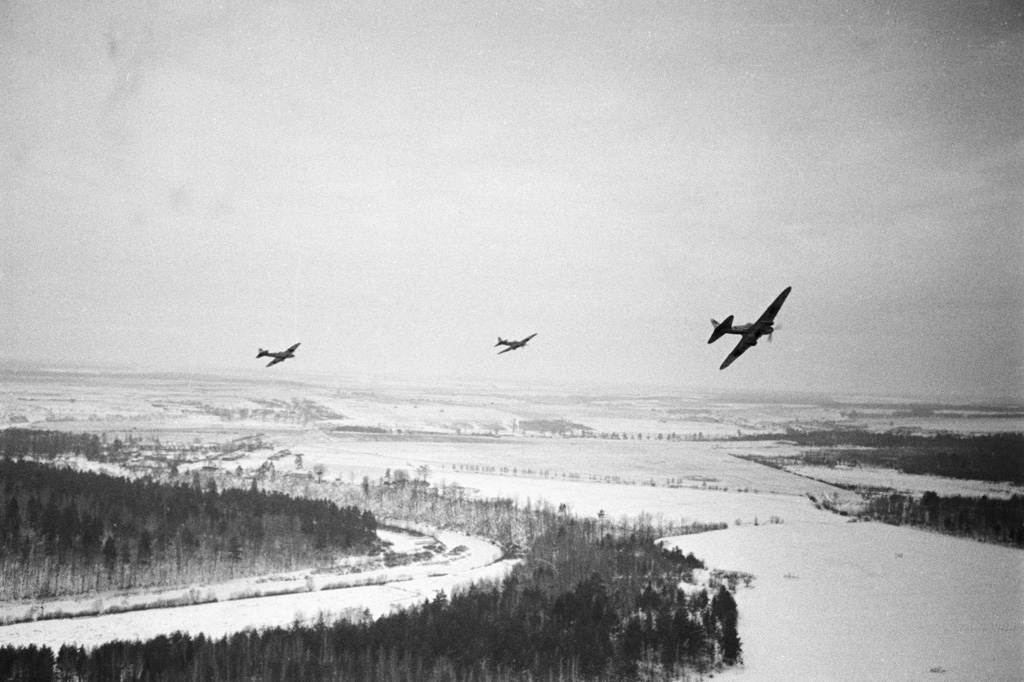
While reading the latest issue of Bringing History to Life, devoted to the Eastern Front, I came across an article by military historian Christer Bergström examining several persistent myths about Operation Barbarossa. One claim particularly caught my attention: the widespread assertion that the Red Army lost twenty soldiers for every German soldier killed.
Bergström challenges this myth by examining the actual figures and comparing Soviet and German losses. His argument inspired me to look more closely at the statistics and explore how such an exaggerated ratio became part of the popular image of the Eastern Front.
There is no doubt that Soviet losses were catastrophic, especially during the first months of the German invasion. But enormous losses do not automatically translate into a twenty-to-one ratio. To understand what happened, we must distinguish between soldiers killed, wounded, missing, and captured.
The Catastrophe of 1941
On 22 June 1941, Nazi Germany and its allies launched Operation Barbarossa, the invasion of the Soviet Union. The Red Army was unprepared in many sectors, its command structure had been weakened by Stalin’s purges, and its forces struggled to respond to the German advance.
The Wehrmacht achieved enormous encirclements at Minsk, Smolensk, and Kyiv. Hundreds of thousands of Soviet soldiers were killed, wounded, or captured. By the end of 1941, the Soviet Union had suffered one of the greatest military disasters in modern history.
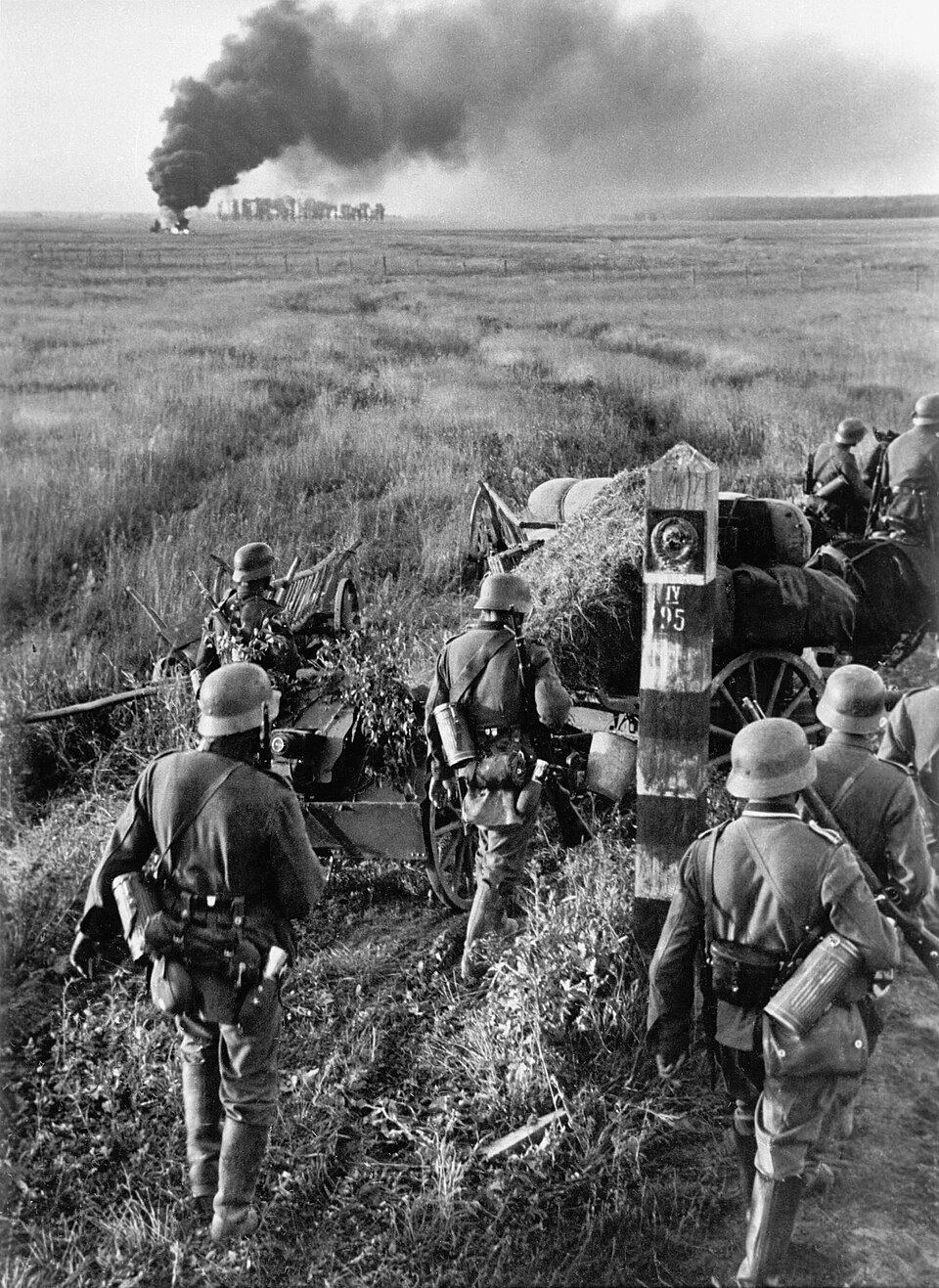
German forces frequently surrounded entire Soviet formations, cutting off their supply routes and escape paths. Millions of Soviet servicemen were captured during the invasion, and a large proportion died in captivity from starvation, disease, exposure, and deliberate mistreatment.
The scale of this catastrophe is beyond dispute. But it does not, by itself, establish that twenty Soviet soldiers died for every German.
What Do the Numbers Actually Show?
Bergström cites approximately 3.4 million Soviet dead or missing by the turn of 1941–42, compared with roughly 900,000 to one million German and allied losses.
These figures suggest a disparity of roughly three to one, not twenty to one. However, they must be treated cautiously because the categories being compared are not necessarily identical.
In military statistics, casualties can include killed, wounded, missing, and captured personnel. Soviet figures for dead and missing could include soldiers who had been taken prisoner but whose fate had not yet been established. German casualty totals, meanwhile, often include wounded soldiers who later returned to service.
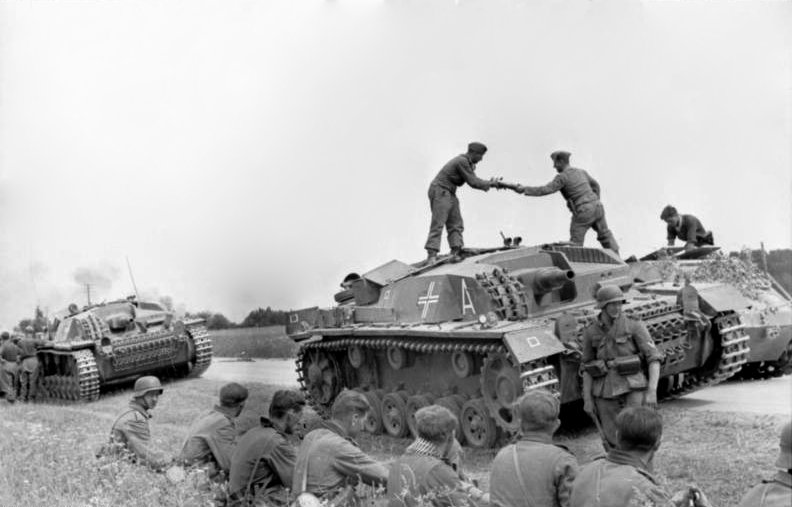
A wounded soldier is a casualty, but not necessarily a permanent loss. A missing soldier may be dead, captured, or eventually reunited with his unit. Comparing these categories as though they mean the same thing can produce misleading ratios.
This problem is particularly important for 1941, when the destruction of Soviet formations and the chaos of retreat made accurate reporting exceptionally difficult. Nevertheless, the available figures do not support the claim that the Red Army generally lost twenty soldiers for every German during Barbarossa.
Why Were Soviet Losses So High?
Several factors explain the enormous Soviet losses during the early stages of the war.
German operational superiority. The Wehrmacht had considerable combat experience from its campaigns in Poland and Western Europe. Its effective use of armour, air support, mobile formations, and coordinated attacks helped it defeat Soviet forces in a series of devastating encirclements.
The capture of Soviet armies. Entire formations were surrounded, and enormous numbers of soldiers became prisoners rather than being killed directly in battle. Many subsequently died in German captivity, where Soviet prisoners were subjected to starvation, exposure, and brutal treatment.
Soviet military weaknesses. The Red Army was expanding rapidly and undergoing reorganization. Training, communications, leadership, and coordination varied considerably, leaving many units unable to respond effectively to the German offensive.
The nature of the war. Nazi Germany’s invasion was an ideological war involving mass murder, occupation, and the deliberate destruction of civilian communities. The resulting devastation extended far beyond the battlefield.
These factors help explain the disparity in losses without reducing the war to a simplistic story of German superiority and Soviet incompetence. The Red Army gradually learned from its defeats, improved its operational methods, and became increasingly effective as the war progressed.
Were German Soldiers Better Than Soviet Soldiers?
The twenty-to-one claim often supports a broader narrative: that German soldiers were inherently superior and that the Soviet Union won mainly through numerical strength and a willingness to sacrifice its men.
The Wehrmacht certainly possessed important advantages in 1941. Its experienced commanders and effective tactics contributed to spectacular early victories. But these advantages were neither permanent nor sufficient to win the war.
The Red Army adapted its tactics, improved coordination between its forces, and became more effective at conducting large-scale offensives. Soviet industry supplied enormous quantities of tanks, aircraft, artillery, and other equipment. Meanwhile, Germany faced growing logistical difficulties and the consequences of a war that its leaders had expected to win quickly.
Military effectiveness cannot be measured by deaths alone. Training, leadership, equipment, logistics, intelligence, and strategic decisions all mattered. The German army inflicted devastating losses on the Red Army, but the Red Army ultimately drove German forces back to Berlin.
The Eastern Front from 1941 to 1945
Looking at the entire war provides a broader perspective than focusing exclusively on the first months of Barbarossa.
The widely cited official postwar Soviet accounting, associated with historian Grigori Krivosheev, puts Soviet military deaths at approximately 8.7 million. Other researchers have challenged this figure, arguing that some deaths and missing personnel may have been inadequately accounted for.
German military deaths are also debated. Historian Rüdiger Overmans’s research, based on German personnel records, estimated approximately 2.7 million German military deaths on the Eastern Front during the main period of fighting, with additional deaths during the final battles of 1945.
These estimates are not perfectly comparable, since sources differ in their treatment of missing soldiers, prisoners who died in captivity, and late-war deaths. However, they show that Soviet military deaths were several times higher than German deaths on the Eastern Front—not twenty times higher.
The exact ratio depends on the figures and categories used. Including Germany’s allies, such as Romania, Hungary, Italy, and Finland, also changes the comparison. So does the distinction between deaths and total casualties.
The ratio also varied throughout the war. Soviet losses were particularly disastrous in 1941, while Germany suffered catastrophic defeats at Stalingrad and during the Soviet offensives of 1944 and 1945. No single ratio accurately describes every campaign from 1941 to 1945.
How Did the Myth Develop?
The claim of twenty Soviet deaths for every German can arise from mixing different categories of losses, treating prisoners and missing personnel inconsistently, or generalizing the figures from a particular battle to the entire war.
It also fits a persistent image of the German army as an exceptionally efficient fighting force overwhelmed only by Soviet numerical superiority. Although German forces achieved remarkable victories early in the war, this narrative overlooks the Red Army’s military development and the Wehrmacht’s own mounting losses.
A similar problem appears when comparing the German victory over France in 1940 with the invasion of the Soviet Union. The Western Allies suffered enormous losses, but millions of their servicemen were captured or reported missing. Counting all these men as dead would seriously distort the comparison.
The same principle applies to the Eastern Front: statistics are meaningful only when their definitions and limitations are understood.
Rejecting the twenty-to-one myth does not diminish Soviet suffering. Millions of Soviet soldiers died, millions more were wounded or captured, and Soviet civilians endured immense destruction. The human cost was extraordinary even without exaggerated ratios.
Conclusion: Enormous Losses, but Not 20 to 1
The Red Army suffered staggering losses during the Second World War, particularly in the opening months of the German invasion. German operational strengths, Soviet organizational weaknesses, mass encirclements, and the brutal treatment of prisoners all contributed to the disaster.
But the claim that the Soviet Union lost twenty soldiers for every German is not a credible general measure of the Eastern Front. A more defensible comparison places Soviet military deaths at several times the German total, although the exact ratio depends on the period, source, and categories counted.
The distinction matters. The Wehrmacht was a formidable military force, especially in 1941, but it was neither invincible nor capable of defeating the Soviet Union. The Red Army suffered terrible defeats, adapted, and eventually won the war in the East.
The real history is devastating enough without exaggeration. The Eastern Front was a conflict of immense destruction and extraordinary human sacrifice—one whose scale cannot be adequately explained by a simplistic ratio.
Interesting Facts
- Millions of Soviet soldiers were captured in 1941. Many died in German captivity from starvation, disease, and deliberate mistreatment.
- Casualties are not the same as deaths. Military casualty totals may include wounded, missing, and captured personnel.
- The loss ratio changed throughout the war. The early German victories and the later Soviet offensives produced very different military outcomes.
- Soviet military deaths were several times higher than German deaths on the Eastern Front. The precise ratio varies by source and methodology, but the evidence does not support a general twenty-to-one ratio.
Currently Reading


Historical Challenge: Can You Conquer the Past?
Answer more than 18 questions correctly, and you will win a copy of History Chronicles Magazine Vol 1! Take our interactive history quiz now and put your knowledge to the test!