
 By istorija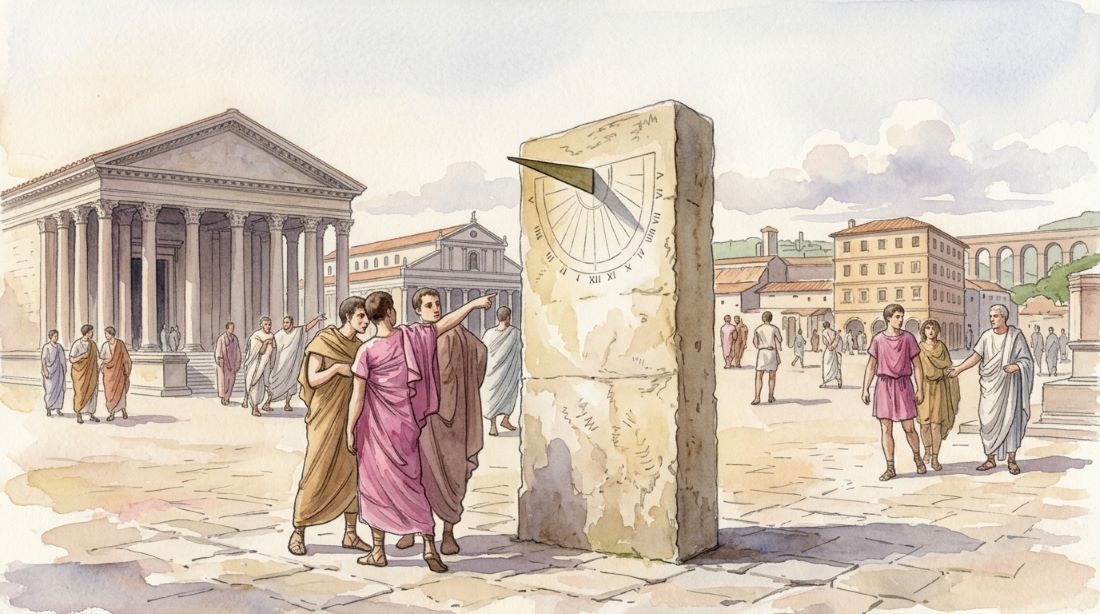
Today, knowing the time is almost effortless. We glance at a phone, a wristwatch, a computer screen, or a clock on the wall, and instantly know whether it is morning, noon, or midnight.
But for most of human history, none of these devices existed.
So how did people know when to wake up, when to work, when to meet someone, or when to begin a religious ceremony?
The answer is far more fascinating than simply “they looked at the Sun.”
For thousands of years, humans developed increasingly ingenious ways to measure and organize time: using shadows, water, candles, stars, bells, and eventually complex mechanical machines.
Life Before the Clock
For most of early human history, daily life was organized around the natural world.
Sunrise marked the beginning of the working day. Sunset brought most outdoor activity to an end. The changing position of the Sun provided a rough indication of the time, while the phases of the Moon helped people keep track of longer periods.
People did not usually need to know that it was exactly 2:17 in the afternoon.
They needed to know that it was dawn, midday, late afternoon, or approaching sunset.
This was sufficient for many agricultural societies, where daily routines were closely tied to daylight and the changing seasons.
But as cities grew, governments became more organized, trade expanded, and religious institutions developed increasingly complex schedules, the need to measure time more precisely became more important.
Humanity began building devices specifically designed to track the passage of time.
The Sun Was Humanity’s First Clock
One of the simplest ways to measure time was to observe the Sun’s shadow.
A vertical object, known as a gnomon, casts a shadow as the Sun moves across the sky. By observing the direction and length of that shadow, people could estimate the time of day.
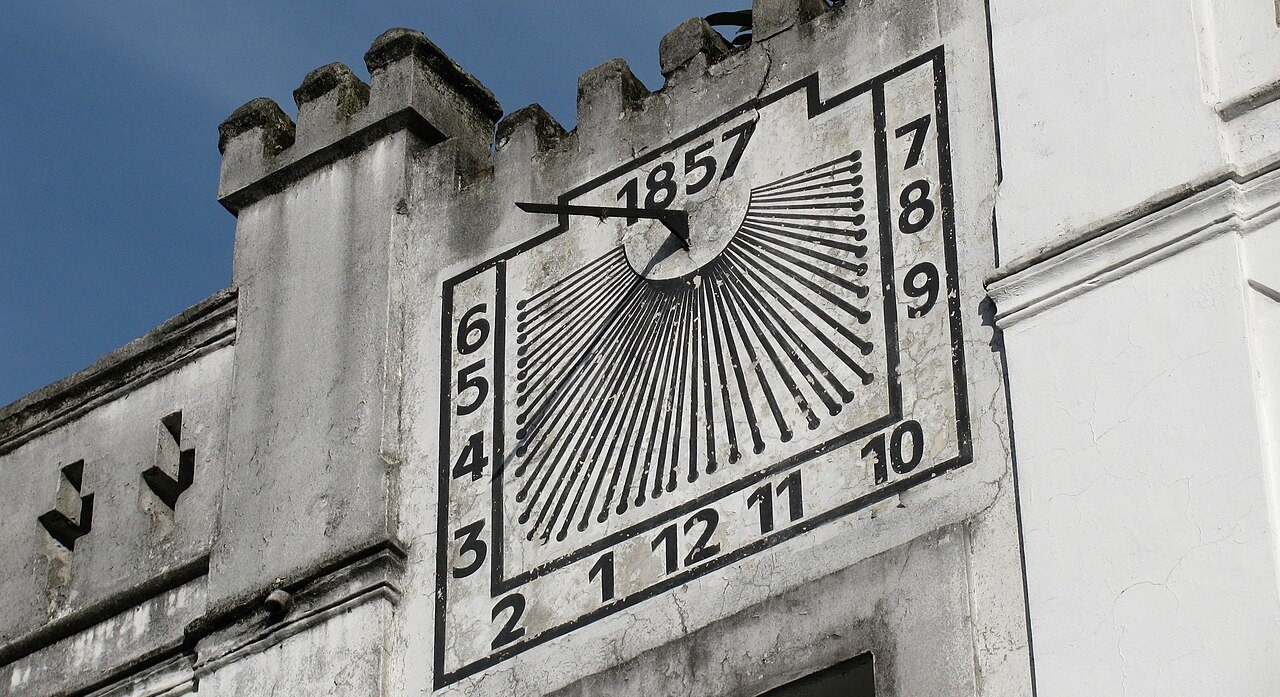
Ancient Egyptians developed early shadow clocks, while Greek and Roman societies produced increasingly sophisticated sundials.
The principle was simple but remarkably effective.
At midday, the Sun reached its highest point in the sky. Earlier and later in the day, the shadow moved across a marked surface.
There was, however, a major limitation.
A sundial could not tell you the time at night.
And if clouds covered the Sun, the world’s oldest clock suddenly became rather useless.
So people needed other methods.
The Water Clock Solved Part of the Problem
One of the most ingenious solutions was to measure time using water.
Water clocks, known as clepsydrae, were used in several ancient civilizations, including ancient Egypt and Greece.
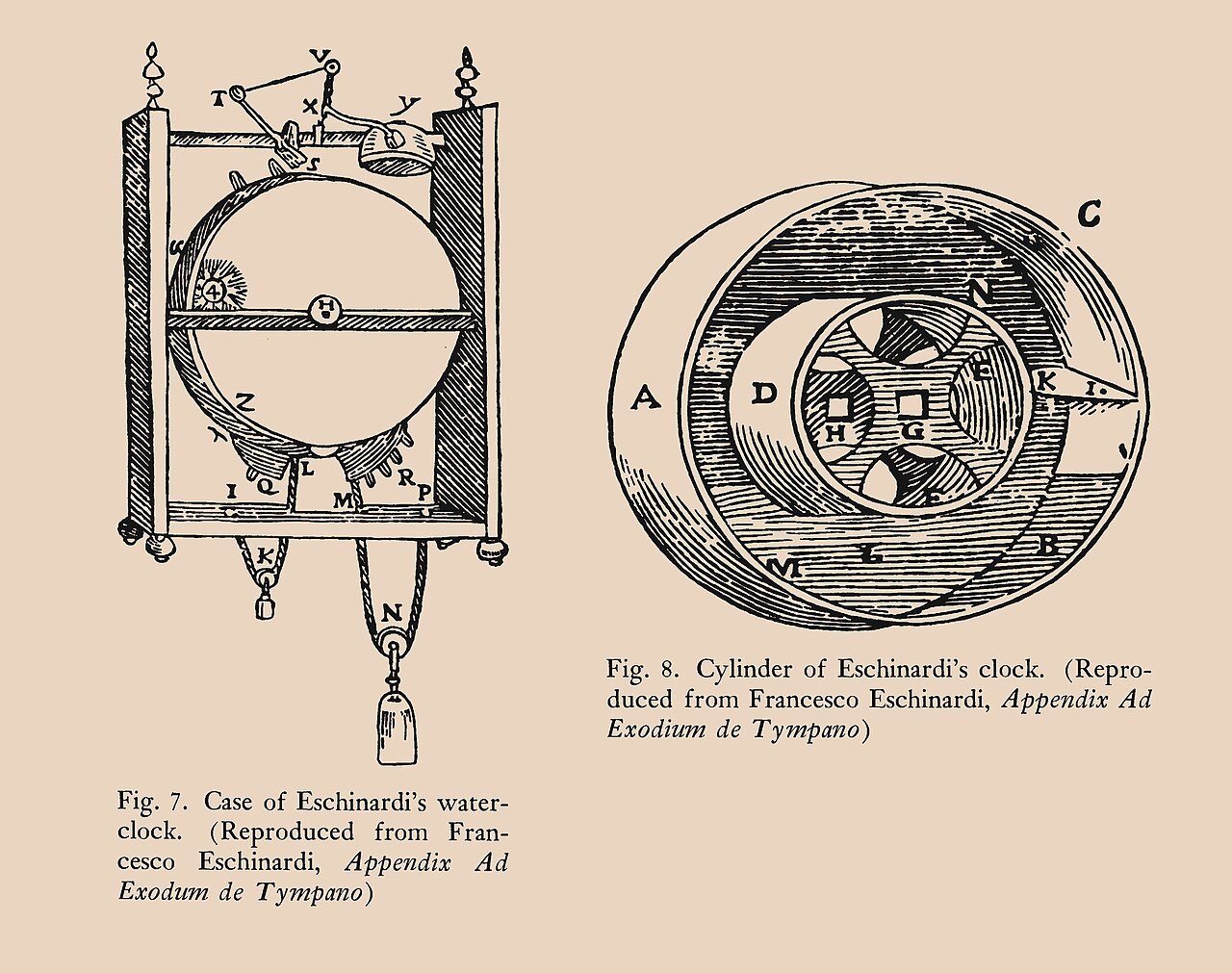
The basic principle was simple. Water slowly flowed into or out of a container through a small opening, and markings indicated how much time had passed.
Unlike a sundial, a water clock could work at night.
It could also operate indoors.
The ancient Greeks used water clocks for practical purposes, including regulating the length of speeches in legal proceedings.
Instead of a judge checking a modern courtroom clock and announcing that someone’s time was up, the passage of water could determine when a speaker had reached the end of the allotted period.
Some ancient water clocks became remarkably sophisticated. Later devices incorporated floats, gears, and other mechanisms to make the passage of time easier to observe.
But water clocks still had limitations. The flow of water was not perfectly constant, and changes in temperature could affect the rate at which water moved.
Humanity was still far from having a truly precise clock.
The Romans Had a Very Different Idea of an Hour
The Romans inherited and developed several ancient methods of measuring time.
They commonly divided the daylight period into twelve hours and the night into four watches.
But there was an important difference between a Roman hour and our modern hour.
A Roman daytime hour was not necessarily sixty minutes long.
The daylight period was divided into twelve parts regardless of the season. In summer, when daylight lasted longer, each daytime hour was therefore longer. In winter, when daylight was shorter, each hour was shorter.
An hour in June could consequently be considerably longer than an hour in December.
For modern people, accustomed to every hour containing exactly sixty minutes, this sounds strange.
But the system made sense in a society where time was closely connected to the natural cycle of daylight.
The idea of a universally fixed hour was not yet part of everyday life.
Time Could Be Measured by Fire
Water was not the only substance that could be used as a clock.
Candles could also provide a surprisingly useful way of measuring time.
A candle of a known size could be marked at intervals. As it burned down, the markings indicated approximately how much time had passed.
Candle clocks were particularly useful indoors and at night, when sundials were useless.
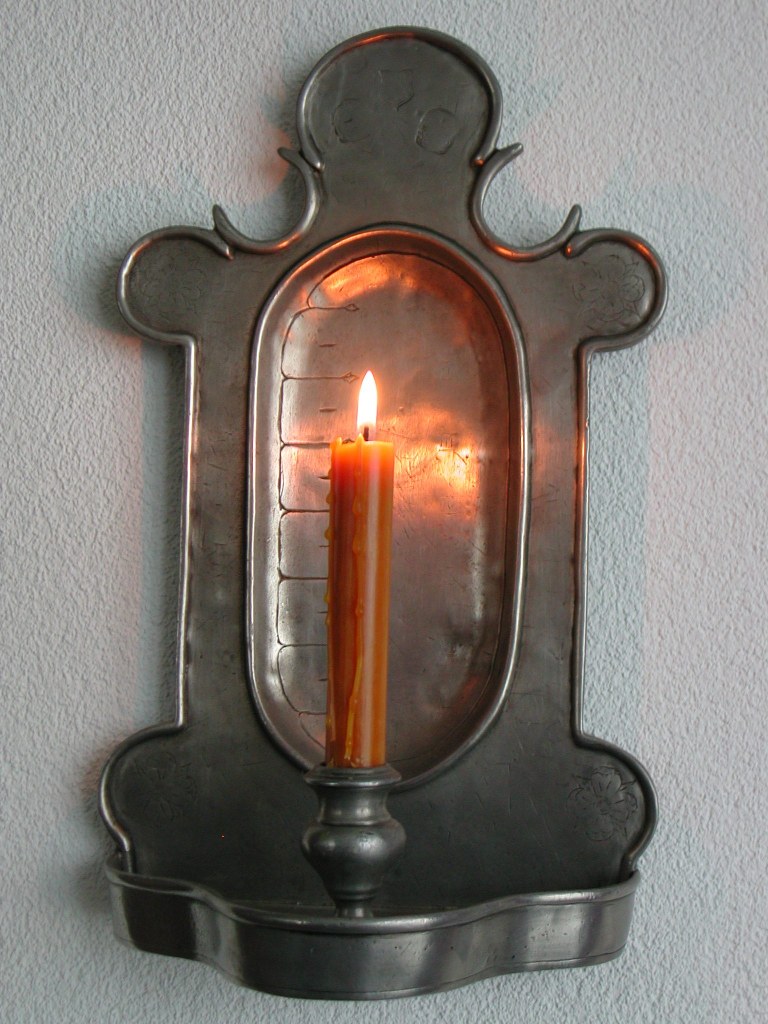
They were not perfectly accurate. Drafts, the quality of the wax, and the composition of the wick could all affect how quickly a candle burned.
But for many practical purposes, approximate time was enough.
The same principle was later used with oil lamps and other sources of steadily decreasing fuel.
Medieval Monasteries Changed the Rhythm of Time
One of the most important developments in European timekeeping came from an unexpected place: the medieval monastery.
Monks followed strict schedules of prayer throughout the day and night.
Religious services were expected to take place at particular times, and communities needed reliable ways to know when it was time to wake, pray, work, eat, and gather.
These schedules were traditionally organized around the canonical hours.
Before mechanical clocks became widespread, monasteries relied on a combination of natural observation and simple timekeeping devices, including sundials, water clocks, candles, and other methods.
But one of the most important inventions was much simpler.
The bell.
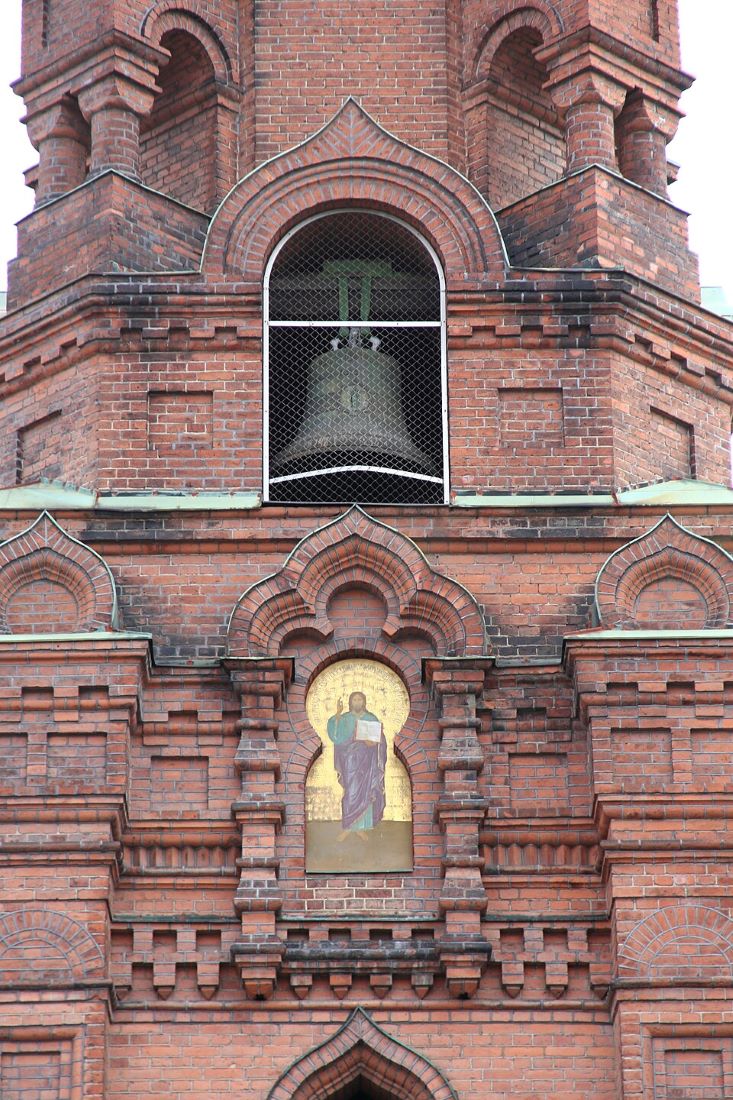
A monastery bell could turn time into a sound that everyone nearby could recognize.
You did not necessarily need to own a clock.
You simply needed to hear one.
This was an important change in the history of timekeeping because it made time public.
A person did not have to look at a device. The sound of a bell could tell an entire community that a particular moment had arrived.
How Did Ordinary People Know the Time?
This is perhaps the most interesting part of the story.
For most medieval people, knowing that it was precisely 2:17 in the afternoon was completely unnecessary.
Daily life generally operated according to broader periods of the day.
People knew when it was dawn, early morning, midday, afternoon, evening, or night.
Farmers worked according to daylight and the seasons. Markets operated during established periods. Church bells announced important moments. Travelers could estimate the time from the position of the Sun.
Even expressions such as “at sunrise,” “at midday,” or “at sunset” could be perfectly practical ways of arranging activities.
Time was something people experienced through recurring natural and social events rather than something they constantly read from a numerical display.
This does not mean that people were unaware of the passage of time.
Quite the opposite.
They were simply measuring it differently.
The Mechanical Clock Changed Society
The great transformation came with the development of mechanical clocks in medieval Europe.
By the late thirteenth and especially the fourteenth century, large mechanical clocks were appearing in European towns and cities.
These machines used gears and regulated mechanical movement to measure time without depending directly on sunlight or the continuous flow of water.
Early public mechanical clocks were not necessarily designed to provide everyone with a precise numerical display.
Their most important function was often to strike a bell.
A clock could therefore announce the passing of an hour to an entire town.
The clock tower became a symbol of an increasingly organized urban society.
Time was no longer simply something observed in nature.
It was becoming something that could be measured, announced, and shared by an entire community.
From Church Bells to Public Clocks
As mechanical clocks spread, the relationship between people and time gradually changed.
Work could be organized according to specific hours. Markets and public activities could be coordinated more precisely. Religious services could follow increasingly regular schedules.
Clocks also became important for astronomy and navigation, although accurate portable clocks capable of determining longitude at sea would not appear until much later.
Over time, increasingly precise timekeeping became essential to science, transportation, commerce, and eventually industrial production.
The modern world would be difficult to imagine without it.
But the transformation did not happen overnight.
For centuries, mechanical clocks themselves were expensive, large, and often inaccurate by modern standards. Ordinary people continued to rely heavily on sunlight, church bells, established routines, and other environmental clues.
The clock changed society gradually.
When Did an Hour Become 60 Minutes?
There is another surprising part of this story.
The division of an hour into 60 minutes, and a minute into 60 seconds, ultimately comes from the ancient Mesopotamian tradition of using a sexagesimal, or base-60, mathematical system.
But that does not mean ancient people everywhere were walking around with watches displaying 60 minutes per hour.
The mathematical divisions existed long before they became the everyday timekeeping system we use today.
As mechanical clocks became more accurate and precise timekeeping became increasingly important, these smaller units became much more useful.
The familiar hour of sixty minutes gradually became part of the modern system of measured time.
A World Without Minutes
Perhaps the strangest thing about the history of time is that for most of human existence, people simply did not need to know the exact minute.
There was no universal “8:30 AM” that everyone could check on a screen.
There was sunrise.
There was midday.
There was sunset.
There were seasons, shadows, stars, bells, candles, water clocks, and eventually mechanical clocks.
The biggest change was not simply the invention of a machine.
It was the gradual transformation of time itself into something that could be measured with increasing precision and shared by entire societies.
Today, we can know the exact time to the second almost anywhere and at almost any moment.
For most of human history, however, the question was not
“What time is it?”
It was simply:
“What part of the day are we in?”
The answer might come from the position of the Sun, the sound of a distant bell, the length of a shadow, or the fading light of evening.
And for thousands of years, that was enough.
Currently Reading


Historical Challenge: Can You Conquer the Past?
Answer more than 18 questions correctly, and you will win a copy of History Chronicles Magazine Vol 1! Take our interactive history quiz now and put your knowledge to the test!