
 By istorija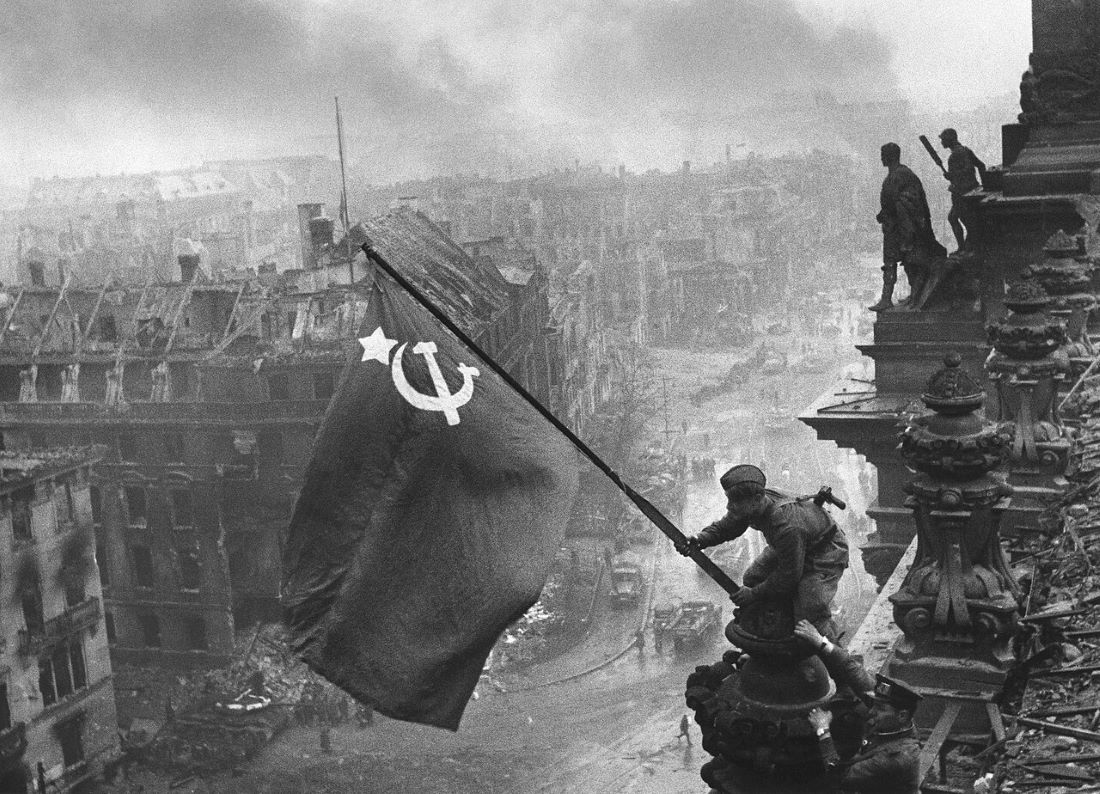
In the final weeks of World War II, the city of Berlin became the graveyard of the Nazi regime. What had once been the proud capital of a seemingly invincible empire was reduced to a smoldering ruin. The Battle of Berlin, fought between April 16 and May 2, 1945, was the violent, chaotic, and symbolic collapse of Adolf Hitler’s thousand-year Reich.
Far from the clean, heroic narrative often presented in popular culture, the fall of Berlin was a grim, bloody affair marked by desperate defense, massive civilian suffering, and the raw power of the Soviet war machine. New research based on declassified Soviet and German archives continues to refine our understanding of those apocalyptic days.
The Strategic Situation in Spring 1945
By April 1945, Germany was militarily finished. The Western Allies had crossed the Rhine and were advancing deep into the country. In the east, the Red Army had smashed through German lines on the Vistula and Oder rivers and stood ready to strike at the heart of the Reich.
Hitler, increasingly isolated in the Führerbunker beneath the Reich Chancellery, refused to accept reality. He issued frantic orders for counterattacks that existed only on paper, while German forces — a mixture of exhausted Wehrmacht units, SS fanatics, Hitler Youth, and poorly armed Volkssturm militias — prepared for a hopeless last stand.
The Soviet Offensive
The final assault began on April 16 with the massive Soviet offensive from the Oder River. More than 2.5 million Soviet soldiers, supported by tens of thousands of artillery pieces and thousands of tanks, attacked German positions along a wide front.
The fighting was ferocious. The Red Army paid a terrible price — estimates of Soviet dead and wounded in the Battle of Berlin range from 80,000 to over 100,000. German casualties, including civilians, were similarly catastrophic. Street-by-street combat turned Berlin into a nightmare of rubble, fire, and death.
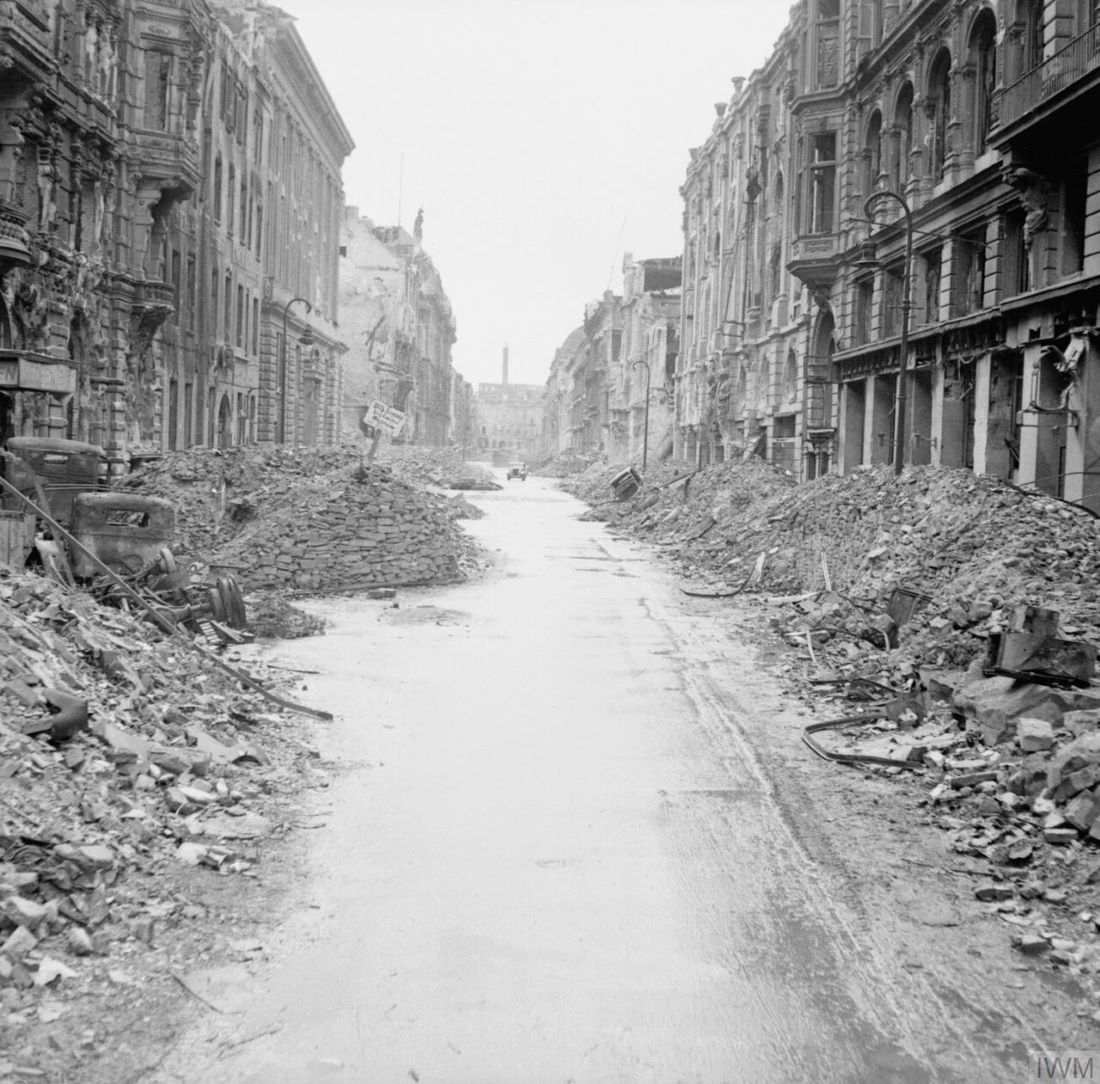
Contrary to the popular myth that the Soviets simply overwhelmed the Germans with sheer numbers, the battle was far more complex. Many German units fought with desperate determination, using the ruined city as a defensive fortress. However, they were hopelessly outmatched in manpower, artillery, and air support.
Inside the Führerbunker
Deep underground, Adolf Hitler’s world shrank to a concrete bunker. On April 29, he married Eva Braun. The next day, April 30, he committed suicide by gunshot while biting a cyanide capsule. Eva Braun died by cyanide poisoning. Their bodies were burned in the garden above the bunker as Soviet troops closed in.
The myth that Hitler escaped to Argentina or elsewhere has been thoroughly debunked by forensic evidence. French researchers in 2018 examined the dental remains held in Russian archives and confirmed they belonged to Hitler. Further studies in 2020–2025 have reinforced this conclusion.
With Hitler’s death, the last semblance of organized resistance crumbled. On May 2, General Helmuth Weidling, the commander of Berlin’s defense, surrendered the city to Soviet forces.
The Human Cost and the Breaking of Myths
The human suffering was immense. Tens of thousands of civilians died in the fighting and the subsequent chaos. Thousands of women suffered sexual violence as Soviet troops entered the city — a dark chapter that Soviet authorities long denied but is now well-documented.
Popular myths about the battle have also been challenged by recent research:
- The idea that the defense of Berlin was a unified, heroic stand by the German people is false. Many units fought fanatically, but others collapsed or surrendered quickly. Discipline broke down in the final days.
- The myth of the “clean Wehrmacht” versus the criminal SS has been largely dismantled. War crimes were committed by various German forces in the defense of the city.
- The Soviet victory was not simply a matter of overwhelming numbers. It came at a staggering cost and required immense logistical effort and determination after four years of brutal warfare.
The End of the Third Reich
The fall of Berlin effectively ended the war in Europe. On May 8, 1945 (May 9 in the Soviet Union), Germany signed an unconditional surrender. The Third Reich, which Hitler had promised would last a thousand years, survived barely twelve.
The battle marked the symbolic and practical end of Nazi Germany. The once-mighty regime that had conquered most of Europe died in the ruins of its own capital, surrounded by the armies it had provoked and underestimated.
Final Reflection
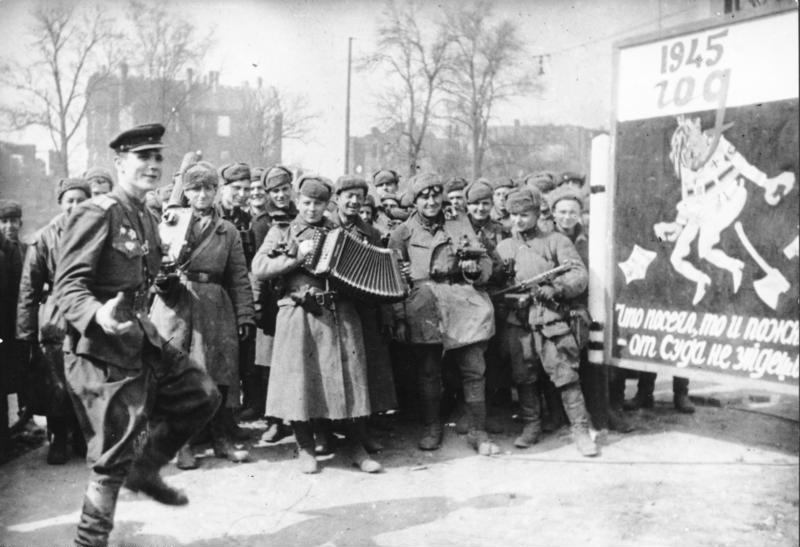
The fall of Berlin in 1945 was not a glorious victory or a romantic last stand. It was a brutal, costly, and necessary end to a criminal regime that had brought unimaginable suffering to the world. The Red Army bore the heaviest burden in the final battle, but the victory over Nazi Germany was a collective Allied achievement — paid for with millions of lives across many nations.
Today, the ruins of the Führerbunker lie buried beneath a nondescript parking lot in central Berlin. It serves as a quiet, unmarked reminder of how all dictatorships eventually end — often in the very place where they exercised their greatest power.
The lesson of Berlin 1945 is clear: aggressive wars of conquest ultimately bring destruction back to the aggressor’s own doorstep.
Currently Reading


Historical Challenge: Can You Conquer the Past?
Answer more than 18 questions correctly, and you will win a copy of History Chronicles Magazine Vol 1! Take our interactive history quiz now and put your knowledge to the test!