
 By istorija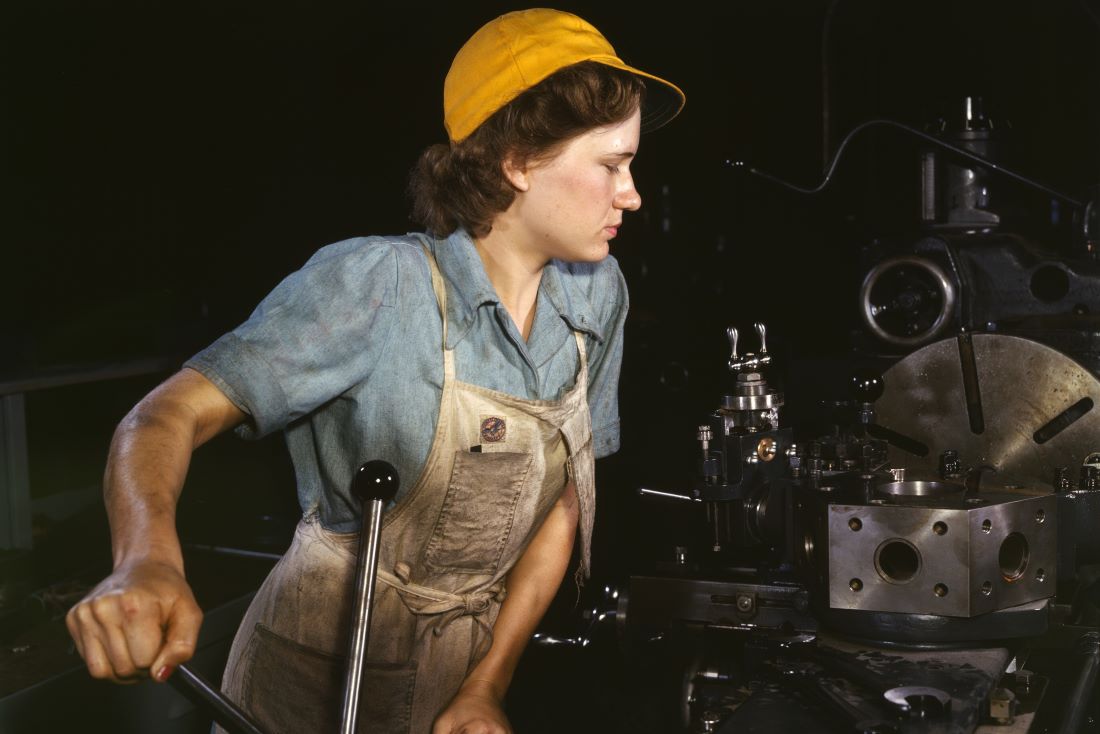
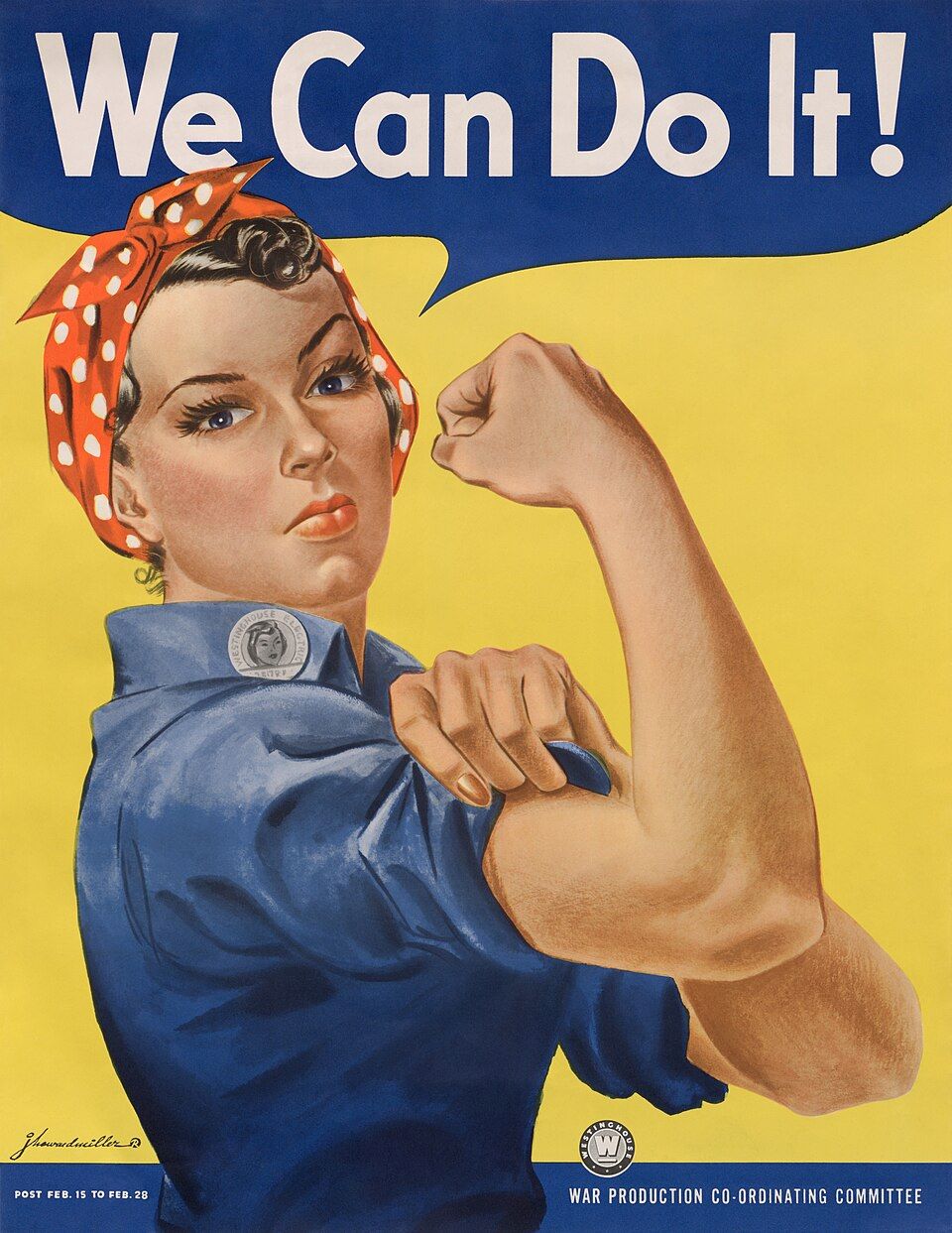
The famous “We Can Do It!” poster featuring a determined woman rolling up her sleeve has become one of the most recognizable symbols of World War II. Yet the real story of women during the war goes far beyond that single image. In the United States, millions of women entered the workforce in unprecedented numbers, taking on jobs previously considered “men’s work” to keep the country’s industrial machine running. Their contribution was essential to victory, but it was also temporary in the eyes of society and government. This article examines the American experience in depth, places it in a broader global context, and explores the lasting impact and limitations of this wartime mobilization.
The Icon and Its Origins
“Rosie the Riveter” began as a practical workplace poster created in 1942 by J. Howard Miller for Westinghouse Electric. The muscular woman in overalls and red bandana was designed to boost morale among factory workers, not to become a national emblem. The version most people recognize today comes from Norman Rockwell’s 1943 Saturday Evening Post cover, which showed a strong, lunchbox-carrying woman stepping on a copy of Mein Kampf. During the war itself, the image was not nearly as widespread as it became in later decades. The real “Rosies” were ordinary women—housewives, students, mothers—who answered the call when men were drafted and factories needed labor.
The Scale of Women’s Mobilization in the United States
Between 1940 and 1945, the female workforce in the U.S. grew by approximately 6 million, rising from about 14 million to over 19 million. Women filled roles across heavy industry:
- Riveting and welding on aircraft assembly lines
- Operating heavy machinery in shipyards
- Producing ammunition, tanks, and artillery
- Working in steel mills, rubber plants, and electronics factories
Many took jobs in non-traditional fields: driving trucks and taxis, delivering mail, farming, firefighting, and even playing professional baseball in the All-American Girls Professional Baseball League. African American women, despite facing segregation and lower pay, entered munitions plants, shipyards, and other critical industries in large numbers. Wages improved compared to pre-war levels, but women still earned 40–60% less than men for the same work. Shifts were long—often 10–12 hours—and conditions could be dangerous, with exposure to toxic chemicals, heavy lifting, and industrial accidents.
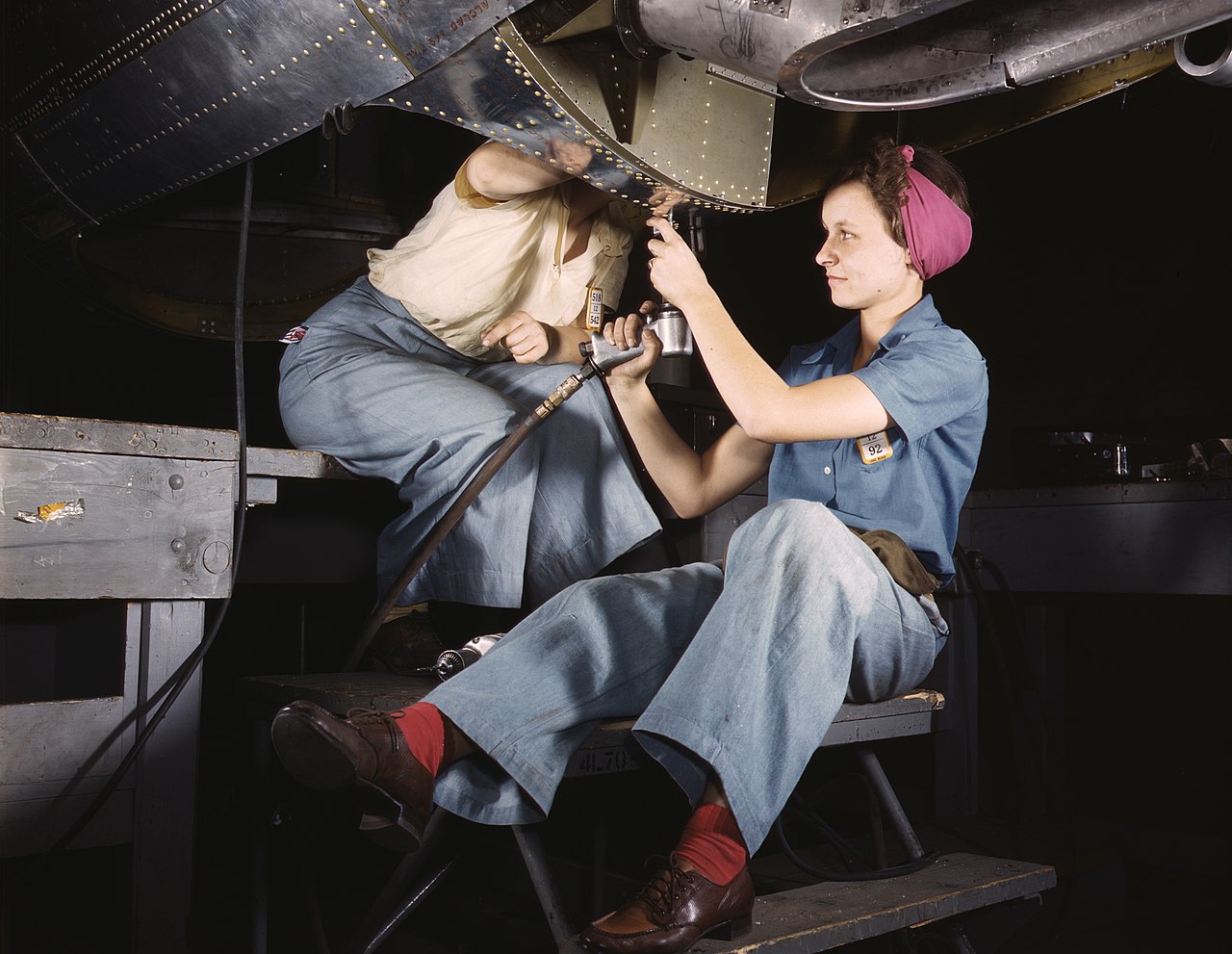
Government campaigns framed this labor as patriotic duty rather than a step toward permanent equality. Slogans like “We Can Do It!” and “Rosie the Riveter” emphasized that women were temporarily “releasing a man to fight.” Childcare was limited, and many women juggled factory shifts with domestic responsibilities.
A Global Perspective: Different Roles in Different Countries
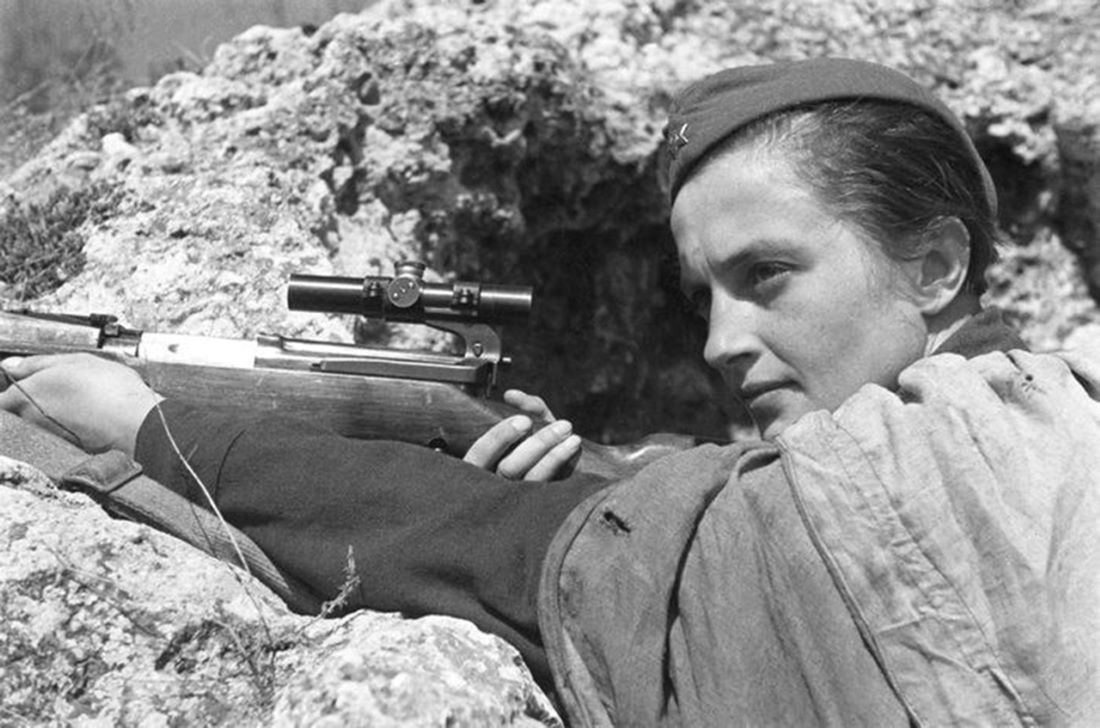
While the United States focused primarily on industrial and support roles, other nations pushed women into more direct military participation due to greater existential threats. In the Soviet Union, over 800,000 women served in the Red Army or as partisans. Thousands became snipers (with collective kills in the tens of thousands), pilots (including the legendary “Night Witches” night-bomber regiment), tank crew members, machine gunners, and anti-aircraft artillery operators. Heroes such as Lyudmila Pavlichenko (309 confirmed kills) and Roza Shanina were widely celebrated during the war. In Britain, women served in the Auxiliary Territorial Service, worked as codebreakers at Bletchley Park, and operated anti-aircraft guns. In occupied Europe, women joined resistance networks, often at great personal risk. Across the Allied and Axis powers, the scale of the conflict forced societies to redefine women’s roles far beyond traditional boundaries.
The Temporary Nature of the “Rosie” Experiment
The U.S. government and industry viewed women’s wartime employment as an emergency measure. When the war ended in 1945, millions of women were laid off to create openings for returning veterans. Many lost seniority, benefits, and high-paying jobs. Post-war propaganda and social pressure encouraged them to return to homemaking and raise families. Surveys conducted at the time showed that a significant portion of these women wanted to continue working, but economic policies, union rules, and cultural expectations pushed most back into domestic roles.
Lasting Impact and Legacy
Despite the rollback, the wartime experience left deep marks. Women gained new skills, financial independence, and confidence. Exposure to higher wages and industrial work challenged traditional gender norms for many. Historians argue that the “Rosie” generation helped lay groundwork for the women’s rights movements of the 1960s and 1970s, including demands for equal pay and workplace opportunities.
Today, Rosie the Riveter symbolizes female empowerment and resilience, even though the original message was explicitly temporary. The real women behind the poster—diverse in background, race, and motivation—proved that capability is not defined by gender. Their contribution was indispensable to Allied victory, yet their story also reveals the limits of wartime social change: doors opened under pressure can be closed again when the crisis ends.
Currently Reading


Historical Challenge: Can You Conquer the Past?
Answer more than 18 questions correctly, and you will win a copy of History Chronicles Magazine Vol 1! Take our interactive history quiz now and put your knowledge to the test!