
 By istorija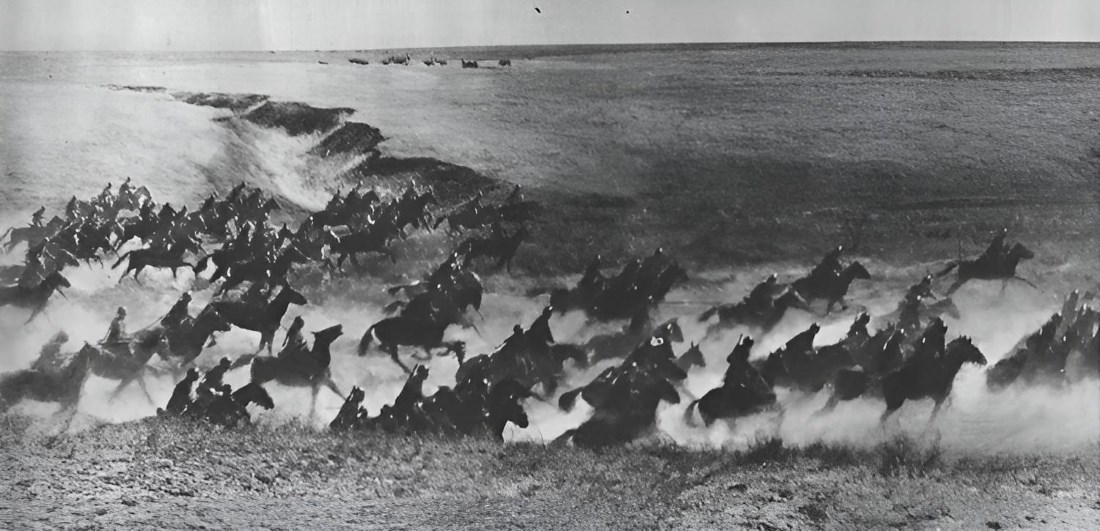
On August 24, 1942, one of the last great cavalry charges of modern warfare took place, carried out by the Italian Savoia Cavalleria (3rd) Regiment against Soviet forces at Izbushensky during World War II. This charge is significant as it exemplifies the bravery and tactical acumen of cavalry units even in the age of mechanized warfare. In a previous blog post, I discussed the Polish Cavalry vs. German Tanks, but through further reading and exploring World War II history, I discovered this equally fascinating event. The charge at Izbushensky highlights the enduring spirit of cavalry tradition amidst the transforming landscape of warfare.
History of the Savoia Cavalleria (3rd) Regiment
The Savoia Cavalleria Regiment, founded in 1692, is one of Italy’s oldest and most prestigious cavalry units. Initially serving in the Savoyard army, the regiment distinguished itself in numerous battles across Europe. By the 20th century, the Savoia Cavalleria had evolved into a symbol of Italian military heritage and valor, maintaining its elite status within the Italian army.
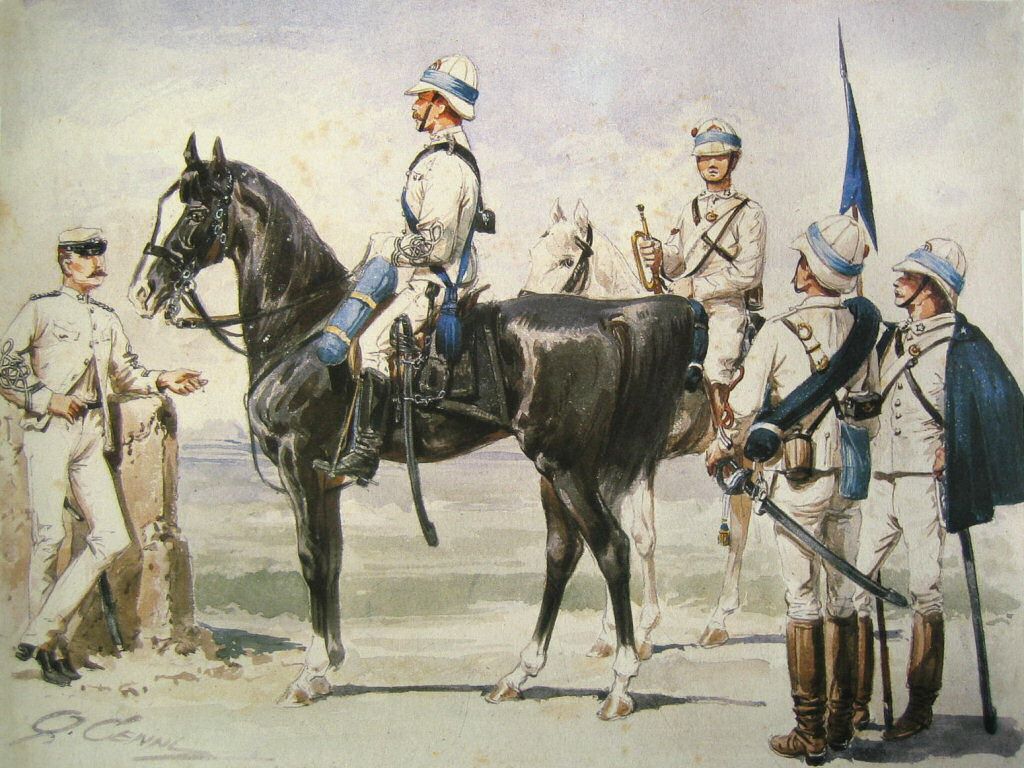
Throughout its history, the regiment participated in various significant military campaigns, including the Napoleonic Wars, the Italian Wars of Independence, and World War I. The regiment’s long-standing tradition of excellence and courage was a testament to its disciplined training and strategic versatility, adapting to the changing demands of warfare while preserving its cavalry heritage.
Participation in World War II and the Charge at Izbushensky
During World War II, the Savoia Cavalleria was deployed on the Eastern Front as part of the Italian Expeditionary Corps in Russia. In the summer of 1942, the regiment found itself near the village of Izbushensky, facing the formidable Soviet 812th Infantry Regiment. The situation was dire, with Italian forces needing to break through Soviet lines to avoid encirclement.
On August 24, 1942, Colonel Alessandro Bettoni led the Savoia Cavalleria in a daring charge against the entrenched Soviet forces. Despite the overwhelming odds and the modern weaponry of their opponents, the Italian cavalrymen executed a textbook cavalry maneuver. The charge resulted in a temporary breakthrough, causing significant disruption to the Soviet lines and demonstrating the enduring effectiveness of cavalry tactics under certain conditions.
Aftermath
The charge at Izbushensky came at a high cost. The Savoia Cavalleria suffered considerable casualties, with many brave soldiers losing their lives or being wounded. Despite these losses, the charge achieved its immediate tactical objective, allowing Italian forces to regroup and retreat in a more organized manner.
The media coverage and propaganda surrounding the charge at Izbushensky were substantial. Italian and Axis propaganda highlighted the event as a symbol of bravery and the indomitable spirit of the Italian military. The charge was romanticized and used to bolster morale on the home front, portraying the Savoia Cavalleria as heroes who upheld Italy’s proud martial traditions. This narrative, however, often glossed over the grim realities and the eventual strategic setbacks faced by Axis forces on the Eastern Front.
The charge of the Savoia Cavalleria at Izbushensky remains a poignant reminder of the valor and sacrifices of cavalry units in the face of overwhelming modern firepower. It stands as one of the last great cavalry charges in history, marking the end of an era and the relentless march of mechanized warfare.
Currently Reading


Historical Challenge: Can You Conquer the Past?
Answer more than 18 questions correctly, and you will win a copy of History Chronicles Magazine Vol 1! Take our interactive history quiz now and put your knowledge to the test!