
 By istorija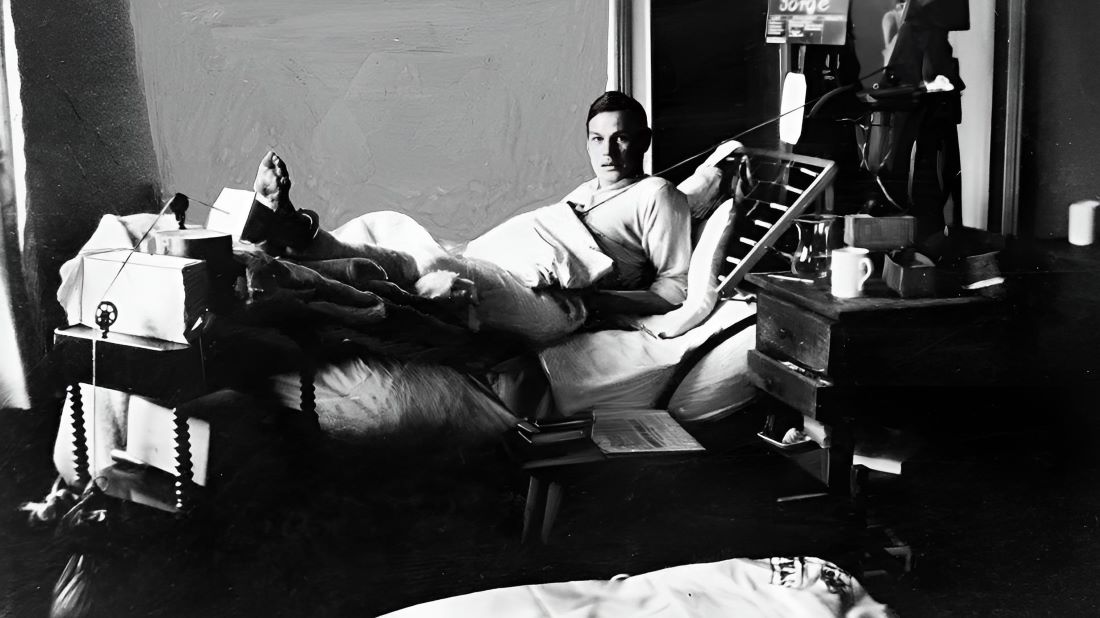
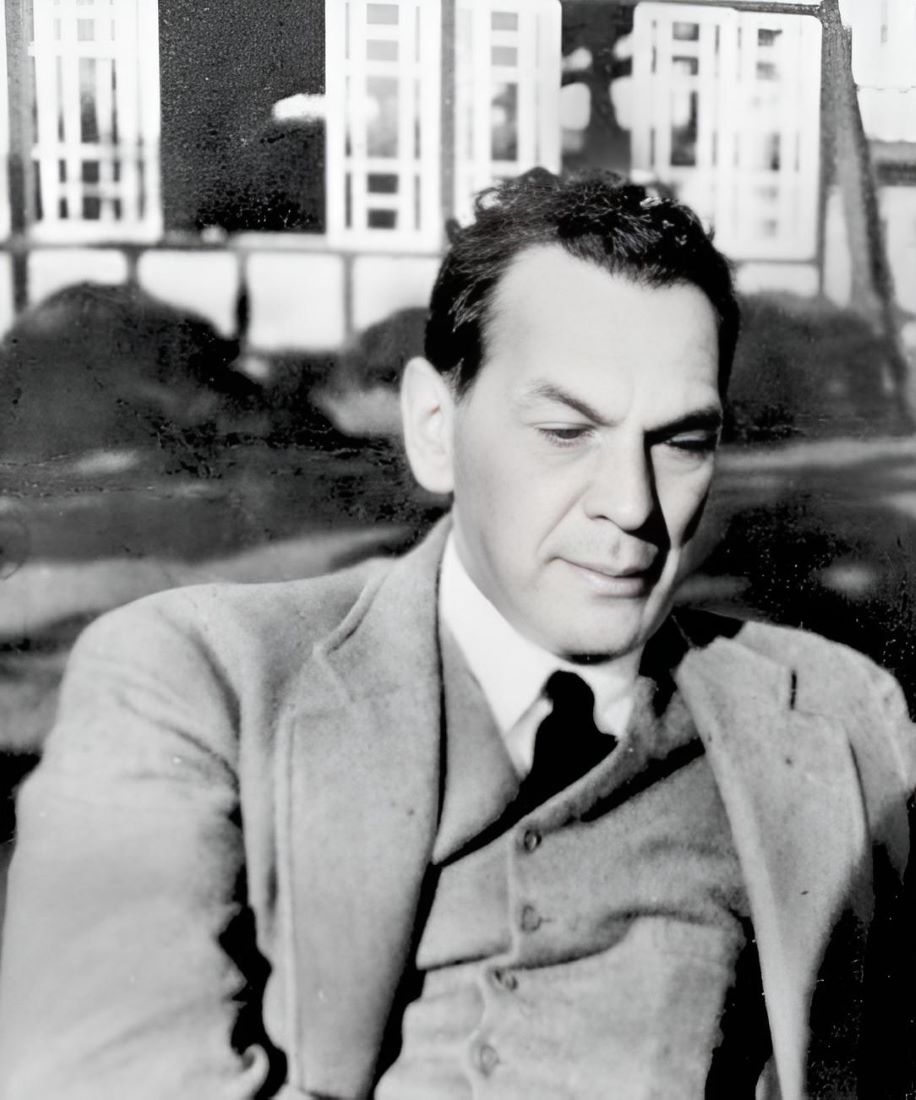
Richard Sorge was a master spy whose actions during World War II left an indelible mark on the course of history. As an undercover agent for the Soviet Union, Sorge provided critical intelligence that directly influenced the outcome of some of the most pivotal battles of the war. His work exemplifies the idea that individual actions can have far-reaching consequences, turning the tide of history in ways that are often only fully understood in retrospect. The information Sorge supplied to the Soviet Union, particularly regarding Japan’s military intentions, was crucial and allowed the Soviet Union to make strategic decisions that significantly impacted the outcome of the war, especially on the Eastern Front.
Early Life and Background
Richard Sorge was born on October 4, 1895, in Baku, which was then part of the Russian Empire. His father was a German engineer, and his mother was Russian, giving Sorge a unique cultural background that would later prove advantageous in his espionage career. After moving to Germany with his family at a young age, Sorge was exposed to the political turmoil that gripped the country in the early 20th century, which would shape his ideological beliefs.
Sorge served in the German Army during World War I, where he was severely wounded and developed a strong anti-war sentiment. This experience, coupled with the post-war instability in Germany, led him to embrace communism. By 1920, Sorge had joined the German Communist Party, and soon after, he was recruited by Soviet intelligence. His fluency in multiple languages and his understanding of both German and Russian cultures made him an ideal candidate for espionage.
World War II and Espionage in Japan
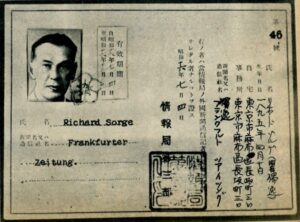
During World War II, Richard Sorge was stationed in Tokyo, where he operated under the cover of being a journalist for German newspapers, most notably the Frankfurter Zeitung. His position allowed him to access high-ranking circles within the German embassy and the Japanese government. Sorge developed a close relationship with Eugen Ott, the German ambassador to Japan, who unwittingly became one of his primary sources of information. Sorge’s ability to navigate these dangerous waters was a testament to his charm, intelligence, and understanding of both German and Japanese cultures.
His most significant achievement came in 1941 when he reported to Moscow that Japan would not attack the Soviet Union, allowing Stalin to redeploy crucial troops from the Far East to defend against the advancing German forces. This intelligence was a critical factor in the Soviet decision to bolster their defenses in the West, ultimately contributing to the Soviet victory at the Battle of Moscow. While this intelligence was vital, it was just one of many factors that influenced the outcome of the battle.
Beyond his espionage activities, Sorge’s personal life was marked by intense relationships, particularly with Japanese women who played significant roles in his life. One of the most notable figures was Hanako Ishii, a Japanese woman who remained devoted to him even after his arrest. Sorge was apprehended by the Japanese secret police on October 18, 1941, following a tip-off about his activities. Despite the brutal interrogation that followed, Hanako continued to visit him in prison and remained loyal until the end. Her loyalty was a rare constant in Sorge’s tumultuous life, and her visits provided him with much-needed emotional support during his imprisonment. Sorge’s complex love life and the loyalty he inspired in those close to him, even in the face of death, add a personal dimension to his otherwise strictly professional and secretive existence.
Capture, Execution, and Legacy
Sorge’s remarkable espionage career came to an abrupt end on October 18, 1941, when he was arrested by the Japanese secret police. His capture was the result of a betrayal by a member of his network, and despite intense interrogation, Sorge remained resolute, refusing to reveal any details about his contacts or his mission. On November 7, 1944, after enduring years of imprisonment and torture, Sorge was executed by hanging.
It was not until years after the war that Sorge’s contributions were fully recognized. In 1964, during a period of greater openness under Khrushchev, Sorge was posthumously awarded the title Hero of the Soviet Union, the country’s highest honor. The intelligence he provided had been invaluable; had it not reached Soviet leaders, the outcome of the Battle of Moscow—and indeed the entire Eastern Front—might have been very different. His work underscores the critical role that intelligence can play in wartime and raises the question of how history might have unfolded if not for the efforts of one man.
Richard Sorge’s legacy is a testament to the power of individual agency in shaping historical events. His life and work continue to be studied as an example of exceptional courage, intelligence, and dedication to a cause, reminding us that in the intricate web of history, even the actions of a single person can have profound and lasting consequences.
Currently Reading


Historical Challenge: Can You Conquer the Past?
Answer more than 18 questions correctly, and you will win a copy of History Chronicles Magazine Vol 1! Take our interactive history quiz now and put your knowledge to the test!