
 By istorija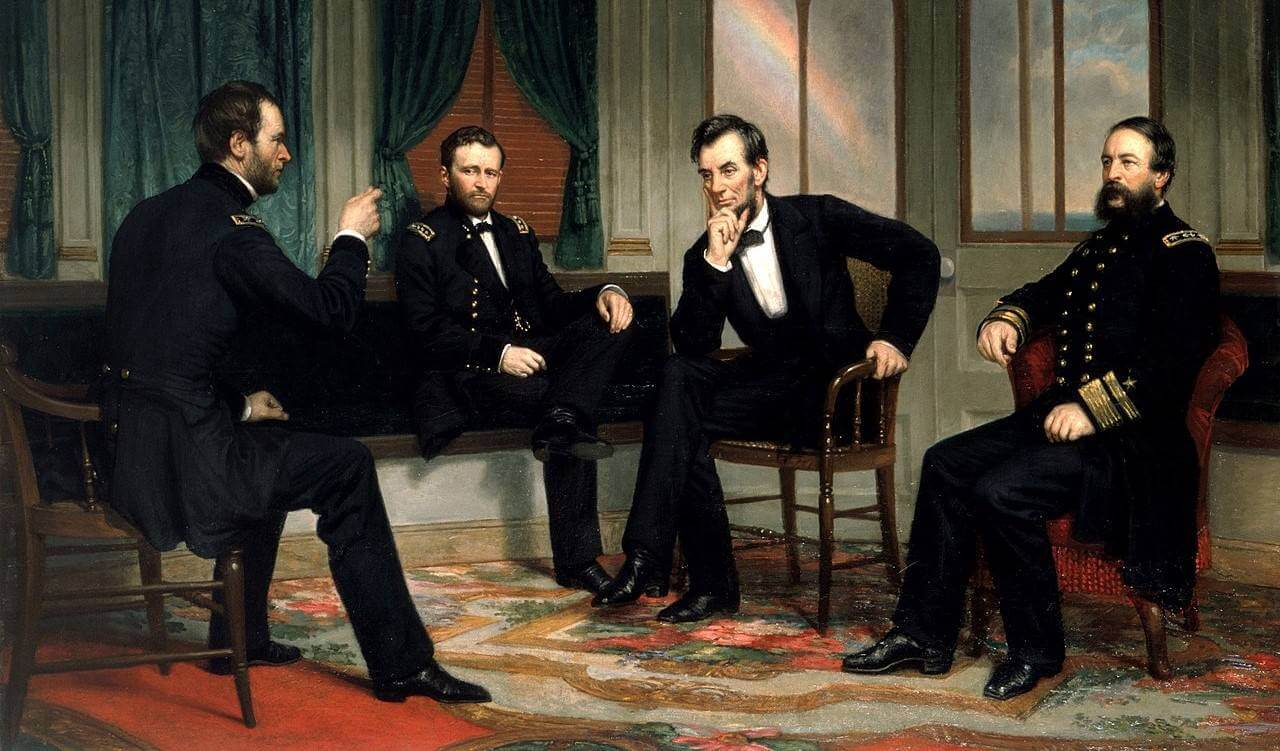
Union Commanders during the American Civil War were pivotal figures in shaping the course of one of the nation’s most defining conflicts. The Union, representing the Northern states, was characterized by its industrial strength, dense population, and a more centralized command structure compared to its Southern counterpart. These Union commanders led a vast army, benefitting from advanced infrastructure, efficient supply chains, and a well-organized military bureaucracy. Their leadership and strategic decisions would play a significant role in determining the outcome of the war and the future of the United States.
Military leaders such as Ulysses S. Grant, David Farragut, George B. McClellan, and George H. Thomas were not just names in history books, but the driving force behind the Union’s successes on the battlefield. Their tactical acumen, leadership qualities, and determination made them stand out as some of the most influential Union commanders of the American Civil War.
Ulysses S. Grant (1822-1885)
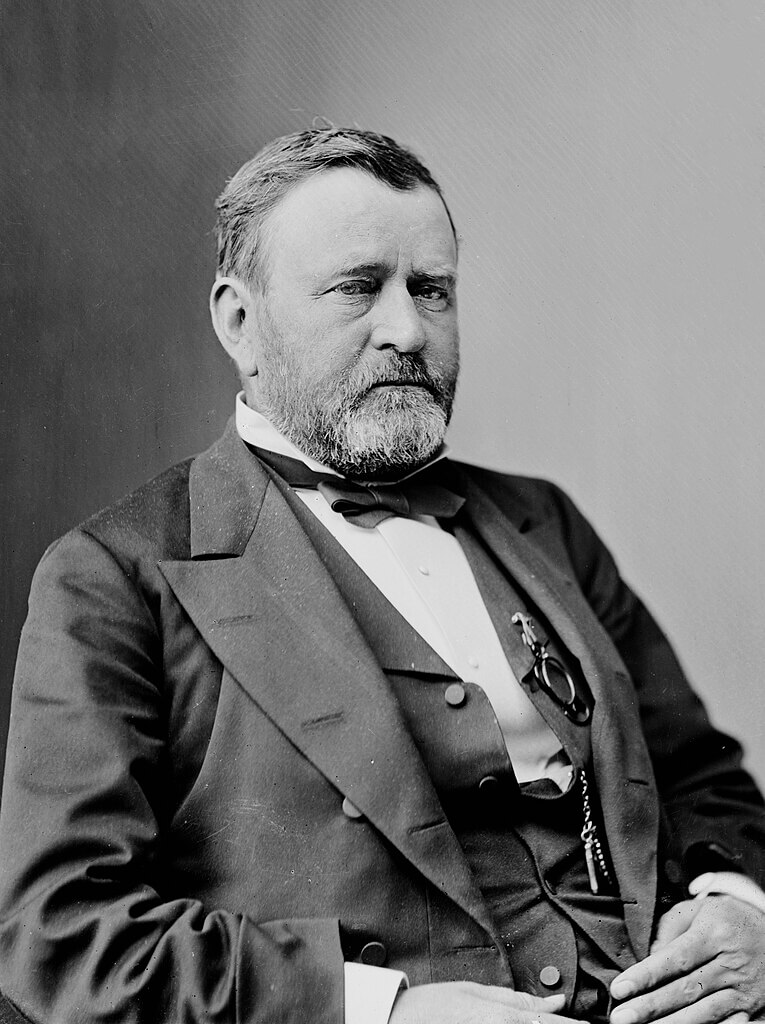
Ulysses S. Grant, often recognized as one of the most formidable Union commanders during the Civil War, left an indelible mark on the course of American military history. He played pivotal roles in key battles such as the Battle of Shiloh, the Siege of Vicksburg, and the Overland Campaign, culminating in the pivotal Battle of Appomattox Court House, where Confederate General Robert E. Lee surrendered.
On the battlefield, Grant was known for his tenacity and unwavering resolve. Unlike some commanders who hesitated under pressure, Grant was decisive and often pursued aggressive strategies, earning him the nickname “Unconditional Surrender” Grant. This aggressive stance, combined with his ability to adapt and learn from previous engagements, ensured that he was a constant thorn in the side of the Confederate forces. His leadership was characterized by his determination to push forward, even in the face of adversity, and his belief in the Union cause was unwavering.
David Farragut (1801-1870)
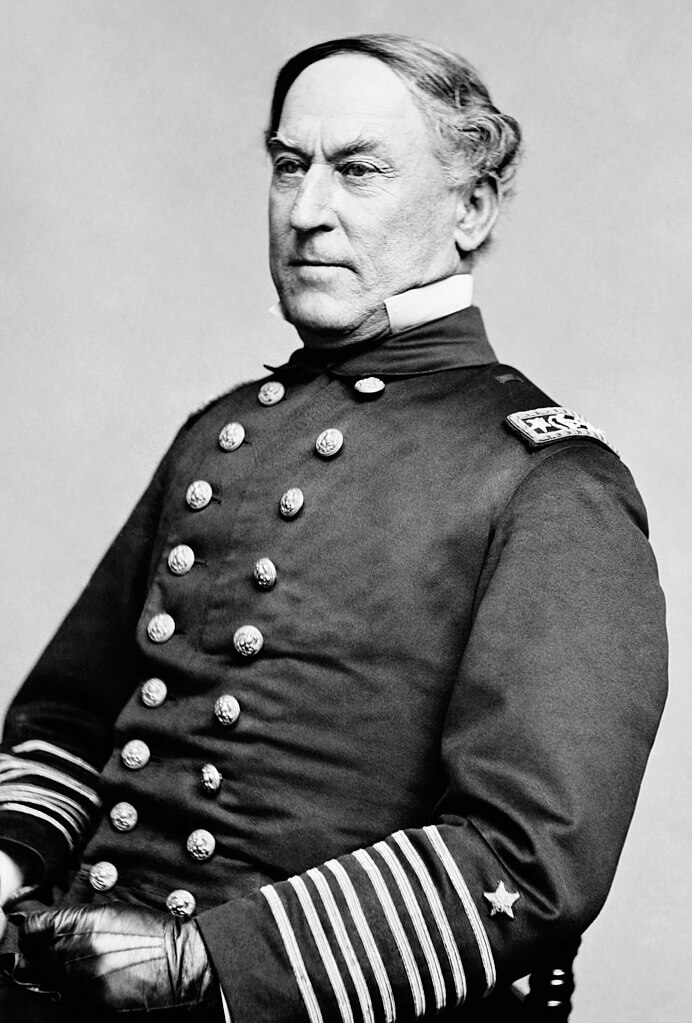
David Farragut stands out as one of the premier naval Union commanders in the annals of the American Civil War. Born into a world of seafaring, Farragut’s destiny on the water was practically preordained. He was instrumental during key naval confrontations such as the Battle of New Orleans, the Battle of Mobile Bay, and the Siege of Vicksburg, cementing his reputation as a naval tactician of the highest caliber.
In the heat of naval warfare, Farragut displayed a remarkable blend of courage and audacity. Known for his famous order, “Damn the torpedoes, full speed ahead!” during the Battle of Mobile Bay, he exemplified the spirit of taking risks when they mattered the most. His leadership wasn’t just about bravery; it was underscored by a profound understanding of naval strategy and an ability to inspire his men. Farragut’s legacy is that of a commander who never let adversity deter him and who recognized the critical importance of naval dominance in determining the outcome of the Civil War.
George B. McClellan (1826-1885)
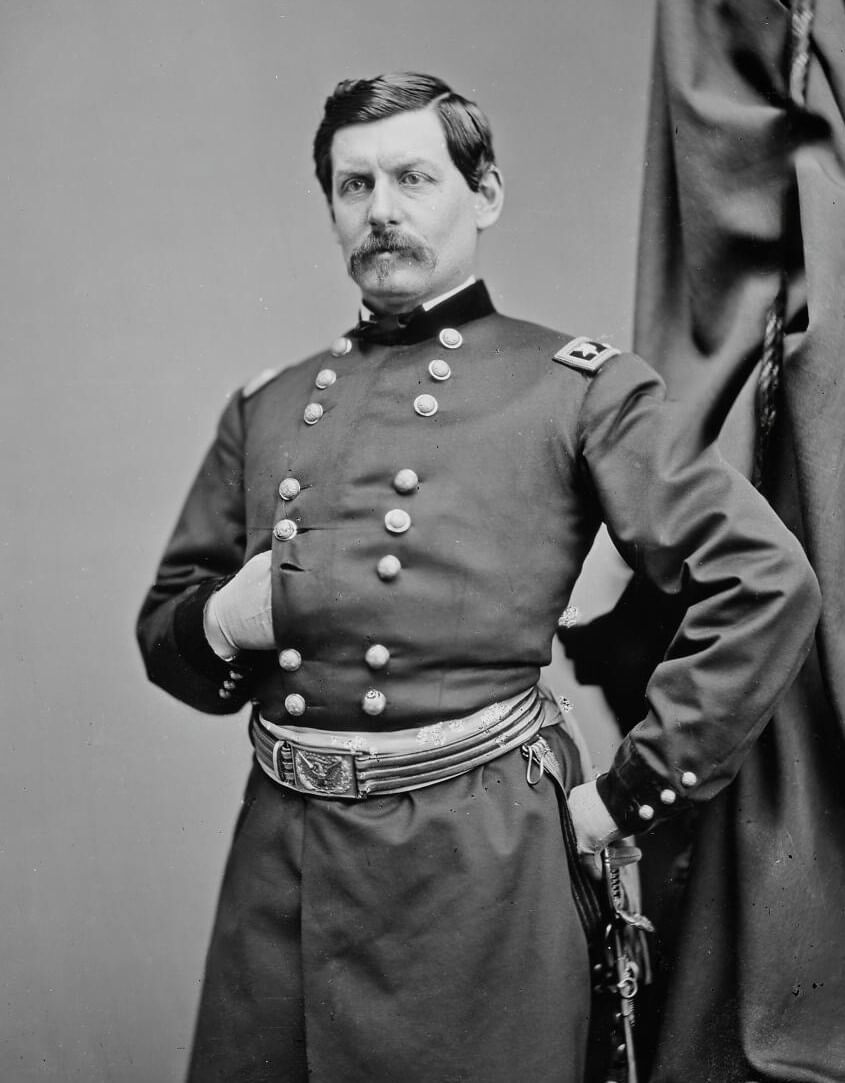
Stepping into the annals of the Civil War, George B. McClellan emerges as a divisive figure among the Union commanders. Initially touted as the “Young Napoleon”, McClellan’s military career was highlighted by his significant role in the Peninsular Campaign and the Battle of Antietam, the latter being one of the bloodiest single-day battles in American history.
However, McClellan’s approach to warfare was markedly different from some of his contemporaries. While he was an exceptional organizer and trainer of troops, earning the deep loyalty and affection of his men, he was often criticized for his overcautious tactics and reluctance to engage the enemy aggressively. His meticulous attention to logistical details and preparations sometimes came at the cost of swift action on the battlefield. Despite these criticisms, there’s no denying McClellan’s influence on the Army of the Potomac and his foundational role in shaping its early stages. While his battlefield hesitations drew ire from political figures and fellow military leaders, his organizational legacy and defense-oriented strategies played an essential role in the overall Union war effort.
George H. Thomas (1816-1870)
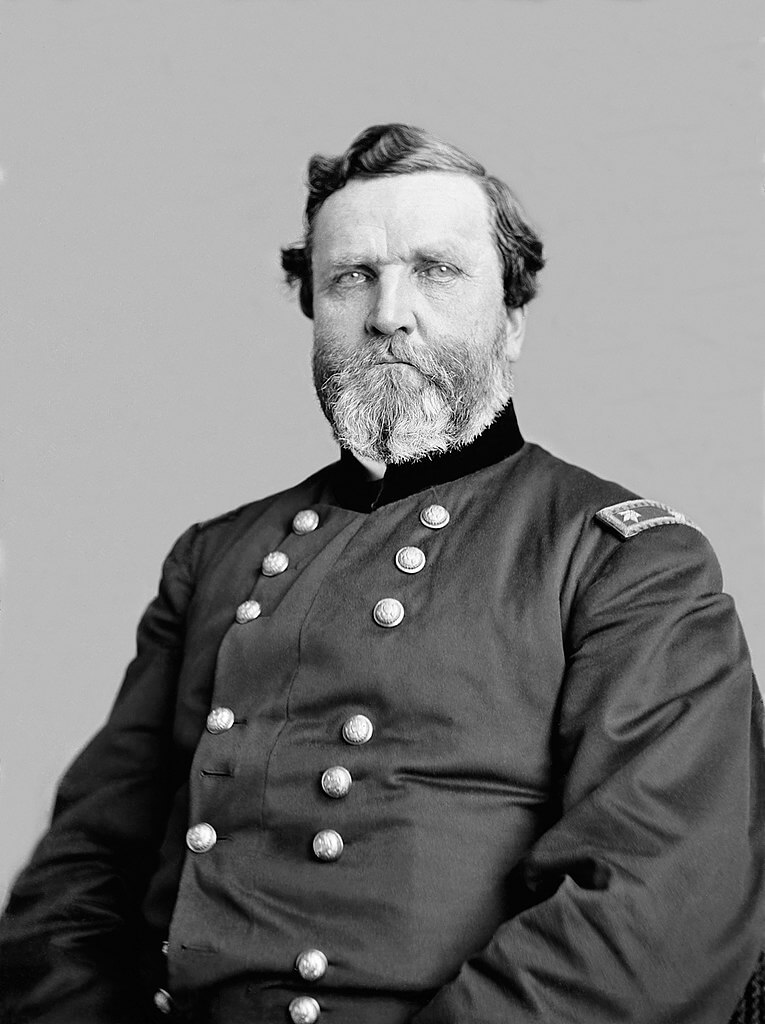
Among the pantheon of esteemed Union commanders, George H. Thomas, often referred to as the “Rock of Chickamauga,” occupies a distinguished place. This moniker was earned following his unyielding stand at the Battle of Chickamauga, preventing a complete Union rout and holding the line against Confederate forces. Other notable engagements under his command include the Battles of Mill Springs, Nashville, and the critical stages of the Atlanta Campaign.
Thomas was characterized by his deliberate style and unflappable demeanor. Unlike some commanders who were swayed by the tumult of war, Thomas exhibited a steadfastness that often proved pivotal in critical moments of battle. His ability to hold ground and organize defenses under extreme pressure was unparalleled. Moreover, Thomas was unique among many of his peers due to his Southern birth and decision to remain loyal to the Union, even when it meant being disowned by his own family. This profound loyalty to the Union cause, coupled with his tactical brilliance and stoic leadership, made him one of the most reliable and consistent Union generals of the Civil War. His contributions ensured not only pivotal victories on the battlefield but also boosted the morale and confidence of the troops under his command.
David Dixon Porter (1813-1891)
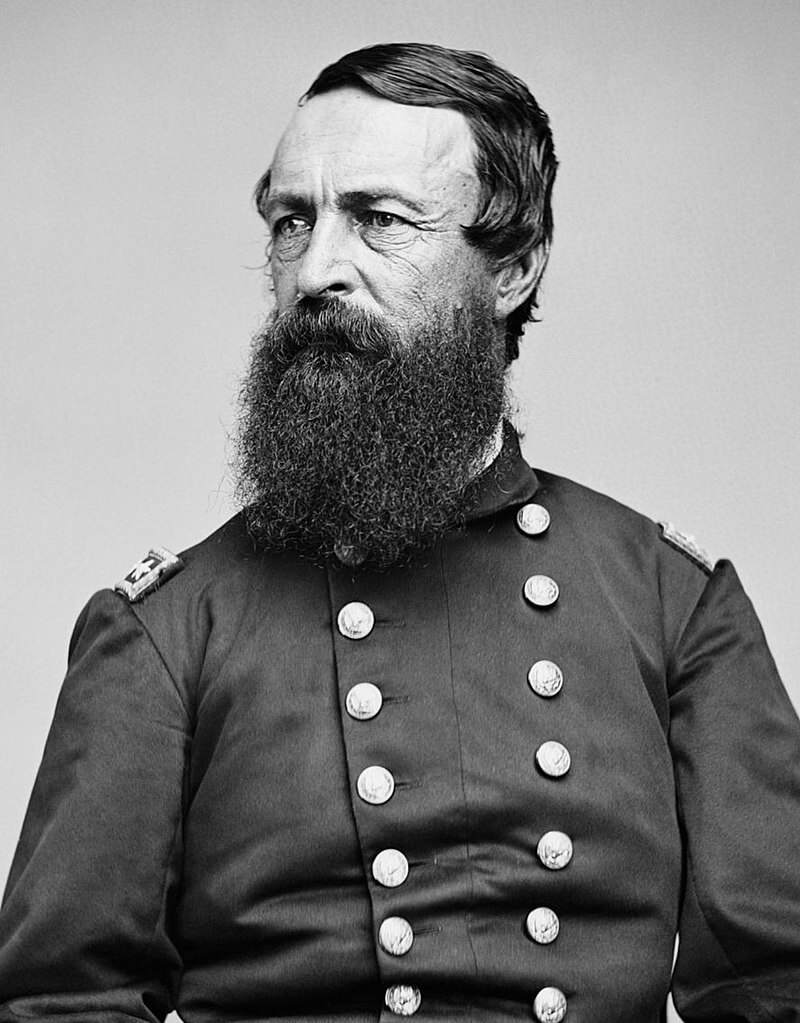
David Dixon Porter, often overshadowed by his contemporaries, was one of the most significant naval Union commanders during the American Civil War. Born into a family with a storied naval legacy, Porter’s path in maritime warfare was almost predestined. He played a pivotal role in some of the most strategic naval operations during the war, particularly in the Mississippi River campaigns, where he collaborated closely with General Ulysses S. Grant. Their combined efforts in operations like the Siege of Vicksburg were crucial in dividing and weakening the Confederacy.
Porter was known for his tenacious spirit and innovative naval strategies. He often embraced new technologies, understanding the importance of ironclads in modern naval warfare. His leadership was not only evident in direct combat but also in blockade strategies that hampered Southern trade and supply lines. Beyond the war, Porter’s dedication to duty and his keen understanding of naval warfare led to significant advancements in the U.S. Navy’s organization and training methods. His legacy is that of a stalwart defender of the Union and an influential figure in the evolution of naval warfare during a transformative period in American history.
Other Notable Union Commanders
Beyond the four distinguished Union commanders discussed, numerous others played significant roles, both in the limelight and behind the scenes, driving the Union’s efforts to victory during the Civil War. Their ranks spanned from high-ranking generals to lower-level officers, each contributing their unique skills and valor to the cause.
General William Tecumseh Sherman, for instance, is often remembered for his March to the Sea, a bold campaign that devastated the Southern war economy and crushed the spirit of the Confederate populace. His scorched earth tactics were controversial but undeniably effective in hastening the end of the war.
Major General Philip Sheridan’s relentless pursuits in the Shenandoah Valley were also instrumental. His raids disrupted Confederate supply lines, and his victories at battles such as Cedar Creek showcased his tactical prowess and ability to rally troops under dire circumstances.
Brigadier General Joshua Lawrence Chamberlain’s acts of heroism at Gettysburg, particularly on Little Round Top, exemplified the kind of bravery and leadership that often turned the tide of individual battles. His refusal to retreat and his unit’s bayonet charge became emblematic of the determination of Union forces.
Finally, officers like Major General Ambrose Burnside, despite experiencing mixed results in battles like Fredericksburg, demonstrated commendable dedication and determination, with many making the ultimate sacrifice for their nation.
While it’s the more renowned commanders who frequently garner historical attention, the combined efforts, courage, and leadership of countless others, both recognized and unsung, were paramount in shaping the outcome of the American Civil War.
Currently Reading
Historical Challenge: Can You Conquer the Past?
Answer more than 18 questions correctly, and you will win a copy of History Chronicles Magazine Vol 1! Take our interactive history quiz now and put your knowledge to the test!