
 By istorija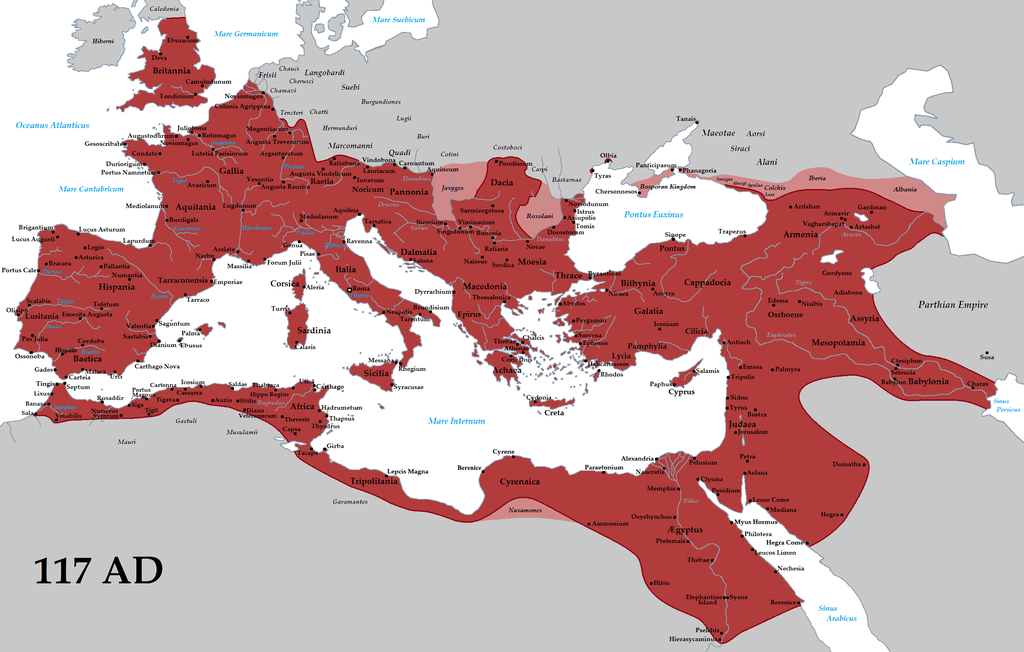
The question “Were there any Black Roman Emperors?” appears frequently in online discussions and classrooms. It reflects a genuine curiosity about the ethnic diversity of one of history’s greatest empires. However, applying modern racial categories to the ancient Roman world is highly problematic and often leads to misunderstanding.
The Roman Empire was one of the most ethnically and culturally diverse states in human history. It stretched from Britain to Syria, from the Atlantic to the Euphrates. Its population included people from Europe, North Africa, the Middle East, and beyond. Roman identity was based on citizenship, culture, and loyalty to Rome — not on skin color or modern notions of race. The concept of “race” as we understand it today simply did not exist in antiquity.
With that important clarification in mind, let’s examine the emperors most often mentioned in these discussions and what the historical evidence actually tells us.
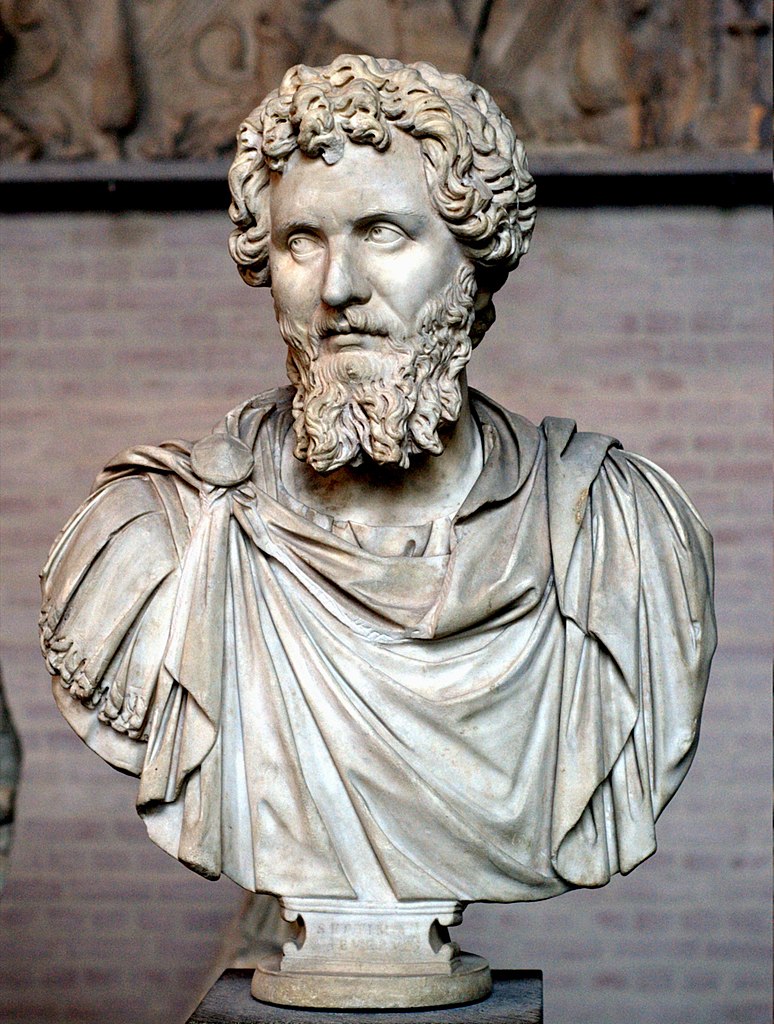
Septimius Severus (r. 193–211 AD) – The “African” Emperor
Septimius Severus is the emperor most frequently cited as “Black” or “African.” He was born in Leptis Magna, in present-day Libya (North Africa). His family belonged to the local Punic (Phoenician) elite that had been Romanized for centuries.
- He spoke Latin with a Punic accent.
- His ancestors likely included Berber and Punic elements common in North Africa at the time.
- Contemporary Roman sources described him as having a “dark” or “swarthy” complexion, but such descriptions were common for anyone from the southern or eastern provinces.
Would Septimius Severus be considered “Black” by today’s standards? Almost certainly not. North Africa in Roman times was inhabited by a wide mix of Berber, Punic, Roman, and other Mediterranean peoples. Modern genetic studies show that the population of Roman North Africa was predominantly North African with varying degrees of Mediterranean and sub-Saharan admixture, but not what we would classify as sub-Saharan African in appearance.
Severus was a Roman citizen of provincial origin who rose through the military to become emperor. His “African” identity was geographical and cultural, not racial in the modern sense.
Philip the Arab (r. 244–249 AD)
Another emperor sometimes mentioned is Marcus Julius Philippus, known as Philip the Arab. He was born in what is now southern Syria (then the province of Arabia Petraea).
While his nickname “the Arab” refers to his place of birth, there is no evidence that he had sub-Saharan African ancestry. He came from a Romanized Arab family in the Near East. Labeling him “Black” would be a significant historical misrepresentation.
The Broader Picture: Diversity Without Modern Race
The Roman Empire was remarkably diverse. Emperors came from Spain (Trajan, Hadrian), Gaul, Illyria (many “soldier emperors” of the 3rd century), North Africa, and the Middle East. Several emperors had dark hair, dark eyes, and olive or brown skin — features common across the Mediterranean.
However, none of the emperors whose origins we know well would be classified as “Black” or sub-Saharan African by contemporary standards. The Roman elite and military were drawn overwhelmingly from Mediterranean populations.
Roman society was hierarchical and status-oriented, but it was not structured around race. Citizenship, wealth, and military service were the main paths to power. Slavery existed, but slaves came from many ethnic backgrounds, including Europeans, North Africans, and Middle Easterners.
Why This Question Matters Today
The debate over “Black Roman Emperors” often says more about our own time than about ancient Rome. Modern audiences naturally look for representation in history. While it is important to acknowledge the empire’s diversity, we should be careful not to impose 21st-century racial categories onto a world that thought in very different terms.
The real strength of the Roman Empire lay in its ability to integrate people from vastly different backgrounds into a single political and cultural system — something that remains impressive even today.
Final Thoughts
There were no “Black Roman Emperors” in the modern understanding of the term. The emperors who came from North Africa or the Middle East, such as Septimius Severus and Philip the Arab, were products of Mediterranean and Near Eastern societies, not sub-Saharan Africa.
The Roman Empire was extraordinarily diverse, but its diversity was expressed through geography, culture, language, and citizenship — not through the racial lens we apply today. Recognizing this distinction allows us to appreciate the true complexity of Roman history without forcing it into contemporary identity frameworks.
Currently Reading

Historical Challenge: Can You Conquer the Past?
Answer more than 18 questions correctly, and you will win a copy of History Chronicles Magazine Vol 1! Take our interactive history quiz now and put your knowledge to the test!