
 By istorija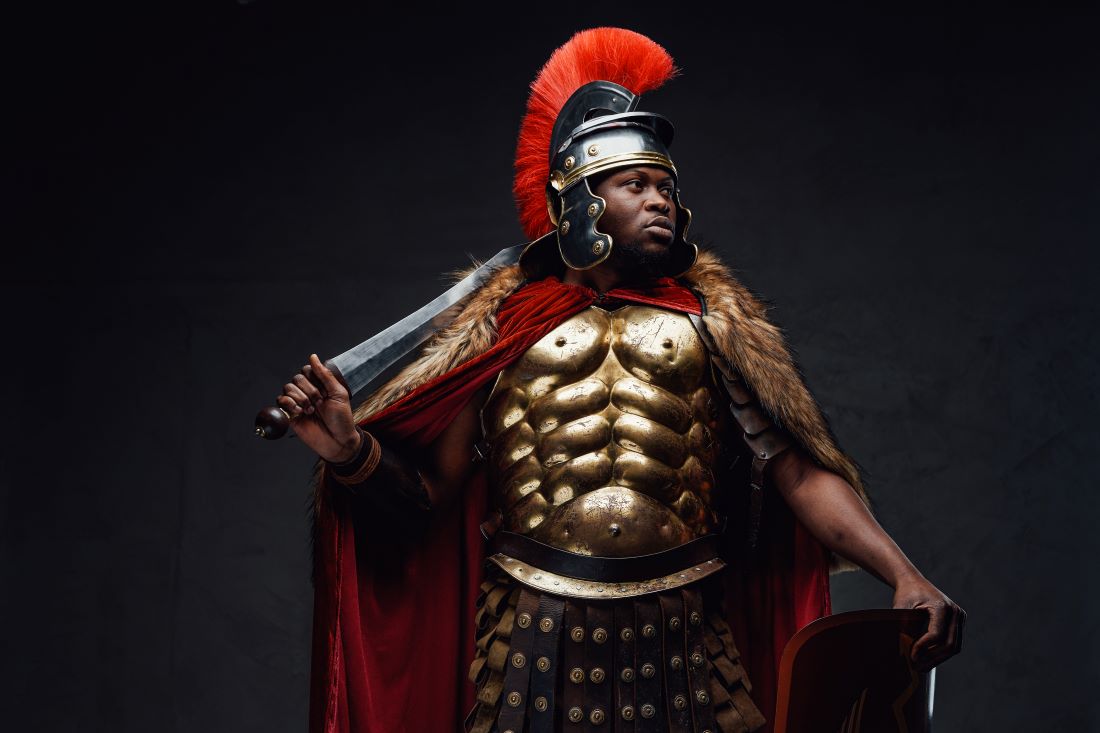
Africans in Ancient Roman Society is a captivating topic that has long intrigued historians and researchers alike. As a testament to Rome’s vast and diverse cultural landscape, individuals of African descent played significant roles, enriching the fabric of this ancient civilization. From renowned playwrights to soldiers and officials, their stories illuminate the inclusive nature of the Roman Empire, showcasing its celebrated mosaic of cultures and backgrounds.
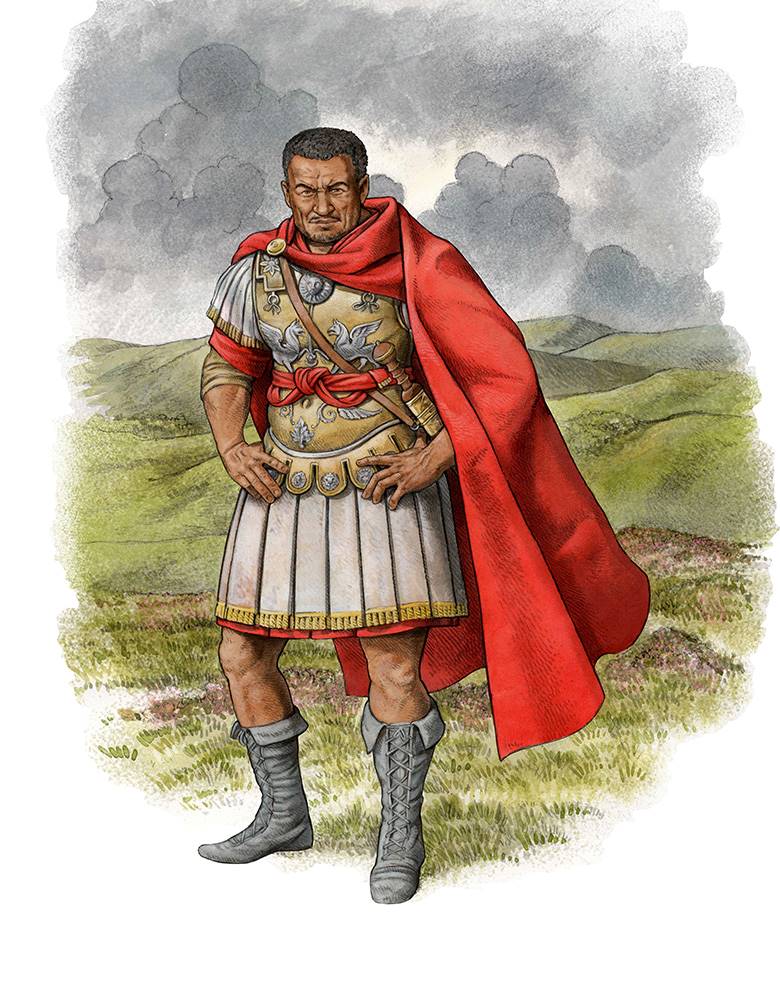
Quintus Lollius Urbicus
Hailing from the North African region of Timgad (present-day Algeria), Quintus Lollius Urbicus rose to prominence within the Roman Empire. His illustrious career included serving as the governor of Roman Britain and achieving the high rank of consul. While Urbicus’s exact ethnicity remains a subject of debate, his North African roots align him with the broader African presence in the empire. His rise to such prominent positions speaks volumes about the permeability of racial and ethnic boundaries in Rome.
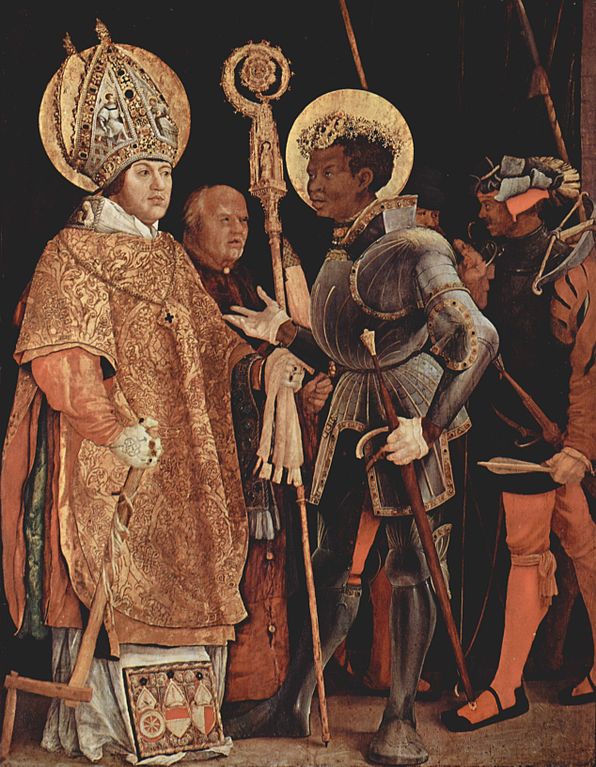
Saint Maurice
The figure of Saint Maurice stands tall in the annals of early Christian history. As the leader of the Theban Legion, a unit comprised primarily of Christians, he and his legionnaires were martyred for refusing to renounce their faith. Saint Maurice is frequently depicted in medieval European art with distinct Sub-Saharan African features. This consistent representation across centuries underscores the lasting memory of his African heritage and his revered status in the Christian tradition.
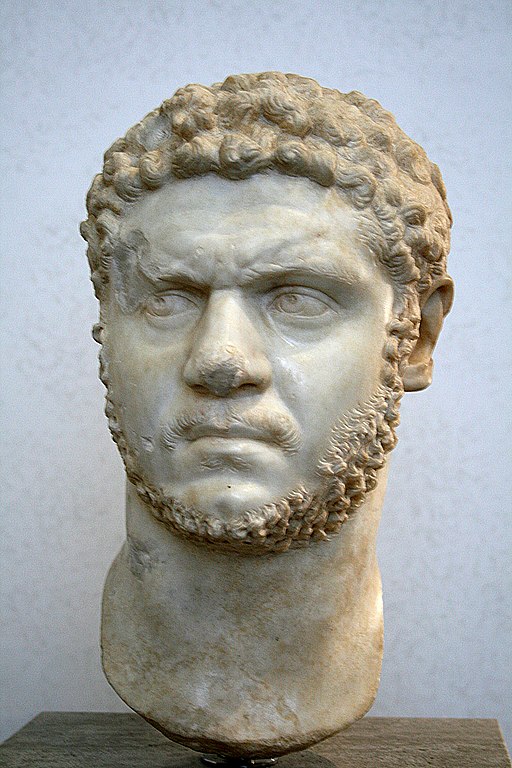
Lucius Septimius Bassianus (Caracalla)
Another noteworthy figure is Lucius Septimius Bassianus, better known as Emperor Caracalla. Son of the aforementioned Septimius Severus, Caracalla was co-emperor with his father and later ruled the empire in his own right. Born in Lugdunum (modern-day Lyon), his North African lineage from his father’s side makes him a representative of the African influence in the highest echelons of Roman power.
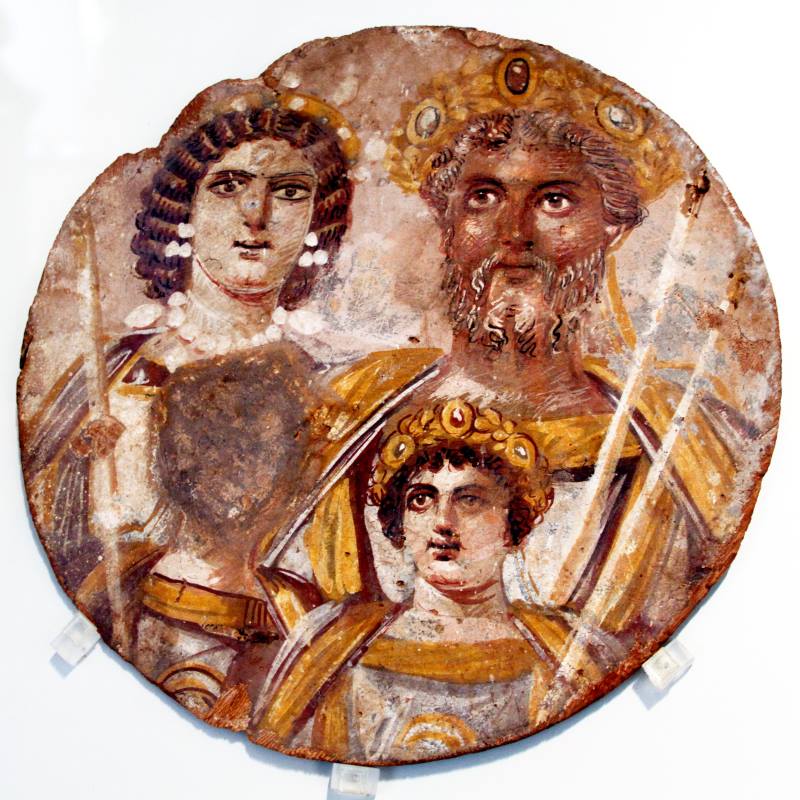
Septimius Severus
Septimius Severus, the esteemed Roman Emperor originating from Leptis Magna in modern-day Libya, has often piqued historical interest regarding his potential African descent. His rise to one of the most powerful positions in the ancient world serves as a testament to Rome’s inclusive nature. While the exact details of his ethnicity remain subjects of debate, several sources and artistic representations hint at his possible Sub-Saharan lineage. Regardless of the specifics, Severus’s prominence underscores the intricate tapestry of cultures and backgrounds that the Roman Empire encapsulated.
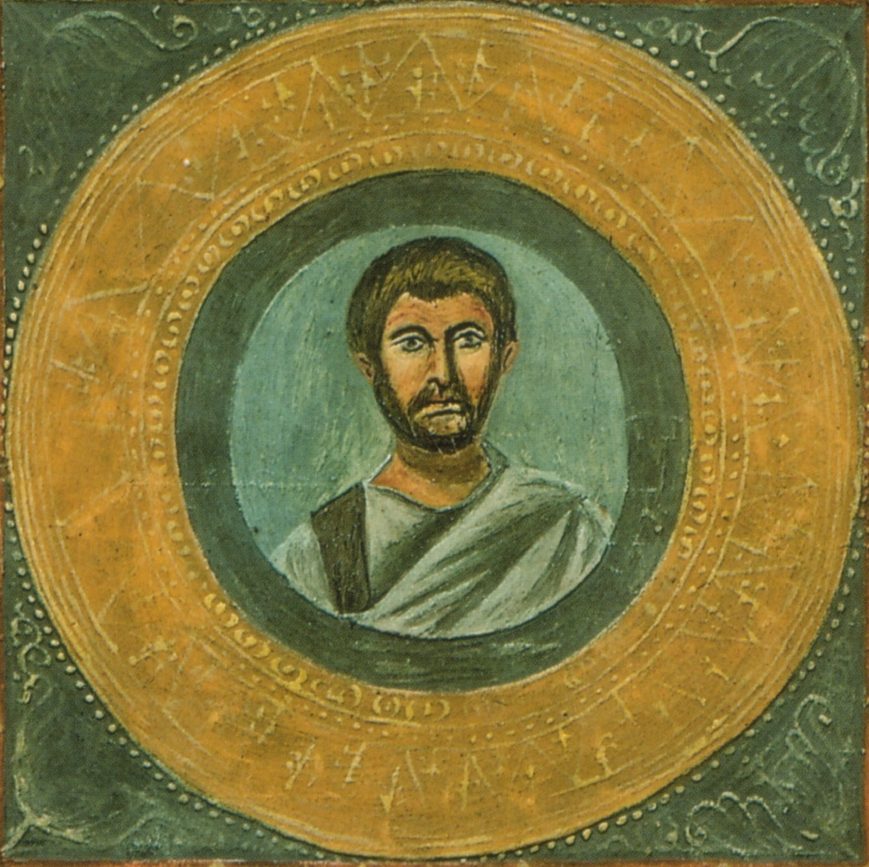
Terence (Publius Terentius Afer)
One of the luminaries of Roman theater, Terence’s roots in Carthage (modern-day Tunisia) have always intrigued historians. His surname “Afer,” signifying “African,” is a poignant testament to his ethnic background. Although there’s no definitive proof of his exact ancestry or skin color, the confluence of his name, birthplace, and the times he lived in suggests a possible Black lineage. Terence’s significance transcends his plays; he stands as a symbol of the rich cultural tapestry of the Roman Empire, demonstrating that talent and recognition knew no racial bounds in the cosmopolitan world of ancient Rome.
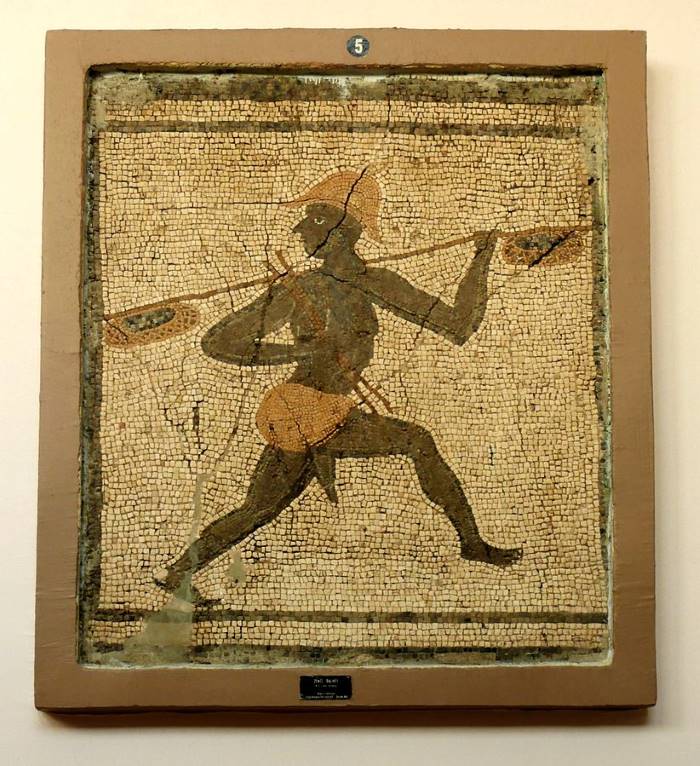
The mosaic arts, frescoes, and sculptures from regions like North Africa offer further insights into the presence of black individuals in Roman society. Whether as soldiers, servants, or free professionals, these depictions underscore the multifaceted roles that blacks occupied in the Roman world.
Roman views on race diverged significantly from modern perspectives. Identity was often linked more to culture, place of origin, language, and status rather than skin color. The Roman ideal of “universal citizenship” underlined the empire’s inclusivity, where being ‘Roman’ transcended racial and ethnic delineations.
In essence, the narrative of blacks in ancient Roman society is a testament to the empire’s cosmopolitan ethos. From Quintus Lollius Urbicus’s administrative prowess to Saint Maurice’s spiritual legacy and Caracalla’s imperial reign, these figures embody an era where the color of one’s skin was a mere detail in the grand mosaic of Roman civilization.
Additionally, for more insights on a related topic, check out this article:
Currently Reading

Historical Challenge: Can You Conquer the Past?
Answer more than 18 questions correctly, and you will win a copy of History Chronicles Magazine Vol 1! Take our interactive history quiz now and put your knowledge to the test!