
 By istorija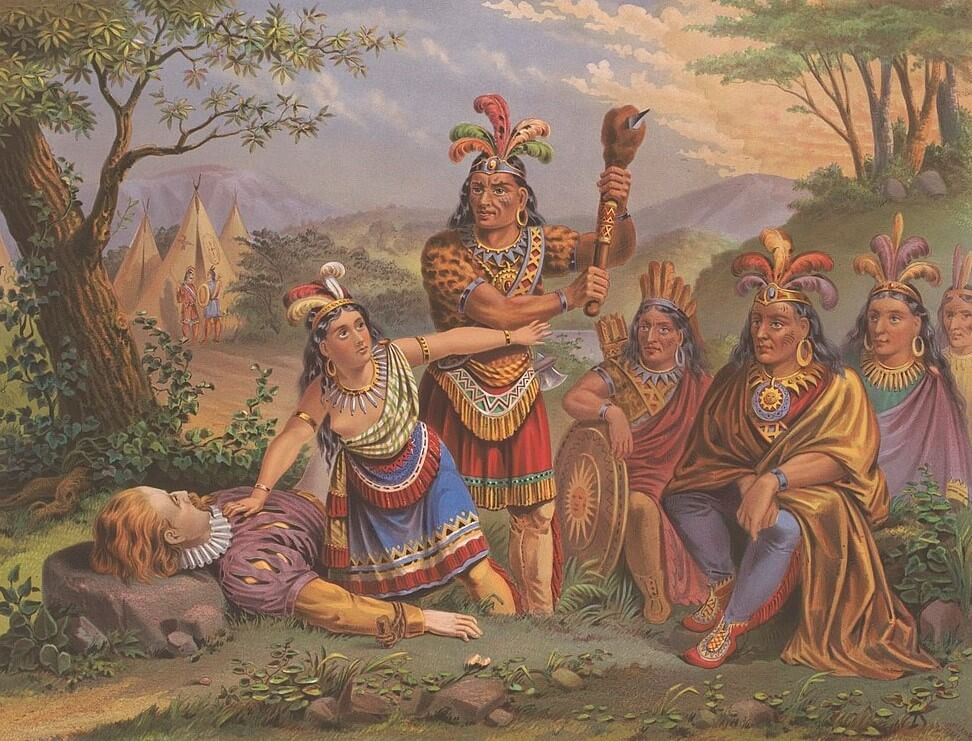
Pocahontas remains one of the most enigmatic and celebrated figures in American history. Born into the Powhatan tribe during a period of significant change, she became an emblem of peace during the early years of European colonization. Her interactions with the English settlers not only shaped the course of relations between indigenous tribes and colonists but also solidified her place in legend and lore. To better understand this legendary figure, let’s uncover a story of courage, diplomacy, and transformation that transcends centuries. Here are seven intriguing facts about Pocahontas that shed light on her real story.
Real Name & Tribe
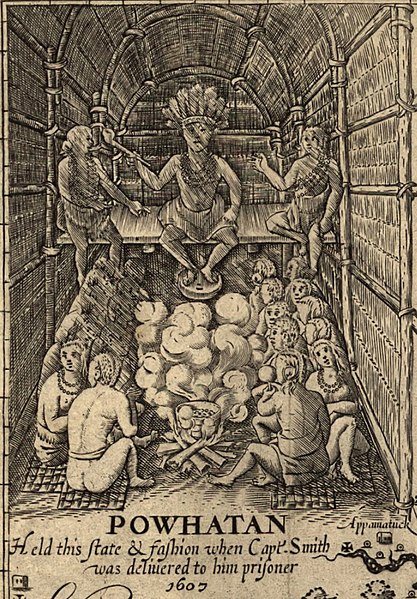
Pocahontas, whose real name was “Matoaka,” hailed from the Powhatan tribe. The moniker “Pocahontas” was a nickname meaning “playful” or “mischievous.” Following her conversion to Christianity, she adopted the name “Rebecca.” The Powhatan tribe, part of a confederation of around 30 Algonquian-speaking tribes, played a significant role in the early interactions between indigenous tribes and English settlers, setting the backdrop for many of the events in Pocahontas’s life.
Historical Significance
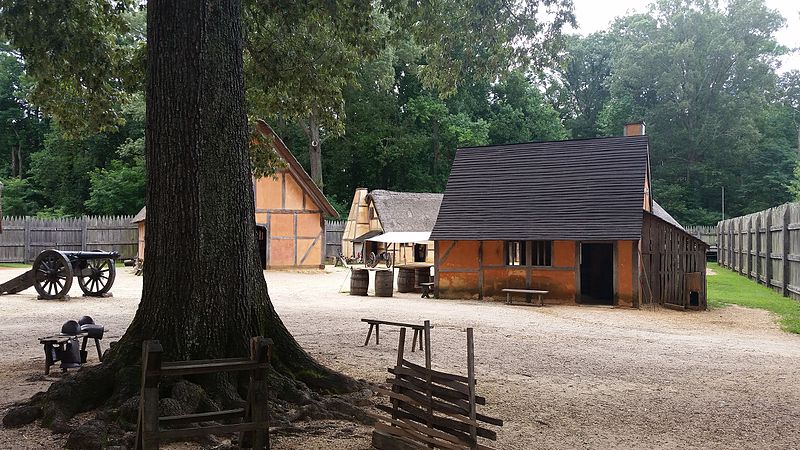
The history of Pocahontas is deeply intertwined with the early years of the Jamestown settlement, making her a pivotal figure in the establishment of English colonies in North America. As the daughter of Chief Powhatan, her relationships with the English, both friendly and confrontational, offered a unique lens through which to understand the complexities of colonial establishment and indigenous resistance.
Meeting John Smith
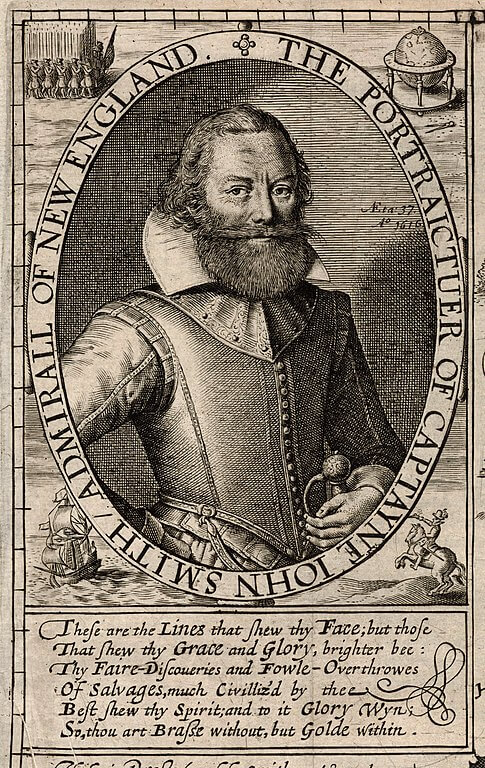
Pocahontas was around 12 or 13 years old when she first encountered the English explorer John Smith. Their relationship has been a subject of much debate and speculation, particularly the famed story of her saving him from execution—a tale some historians believe to be a symbolic ritual misunderstood by Smith. This event, whether fact or fiction, has become emblematic of the encounters between Native Americans and English settlers.
Marriage Facts
Contrary to popular belief and many romanticized tales, Pocahontas did not marry John Smith. Instead, she wedded an English settler named John Rolfe in 1614, marking a significant union that brought a brief period of peace between the English settlers and the Powhatan tribes. Their marriage bore fruit in the form of a son, Thomas Rolfe, who symbolized the merging of two cultures and would later play his own role in the history of the Virginia colony.

Age and Life Events
Pocahontas had a short but eventful life. She was only around 21 years old when she died, having experienced abduction, conversion to Christianity, and a transatlantic voyage to England within that time. Her life, though brief, was marked by pivotal moments that would shape the narrative of early American history.
Visit to England
Representing the “successful” conversion and colonization efforts of the English, Pocahontas traveled to England in 1616. Here, she was introduced to English society, attending events and meeting royalty, including King James I and Queen Anne. Her visit wasn’t just a cultural exchange; it was also a promotional effort by the Virginia Company to attract more settlers and investors to the New World.
Death and Legacy
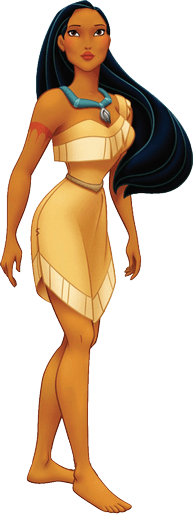
Pocahontas passed away in Gravesend, England, in 1617. While the exact cause of her death remains a topic of speculation, her legacy as a bridge between two vastly different cultures endures. This legacy has been further immortalized in popular culture, with films and notably, the Disney princess portrayal, which, while offering a romanticized version of her life, also keeps her story alive for new generations.
Currently Reading
Historical Challenge: Can You Conquer the Past?
Answer more than 18 questions correctly, and you will win a copy of History Chronicles Magazine Vol 1! Take our interactive history quiz now and put your knowledge to the test!