
 By istorija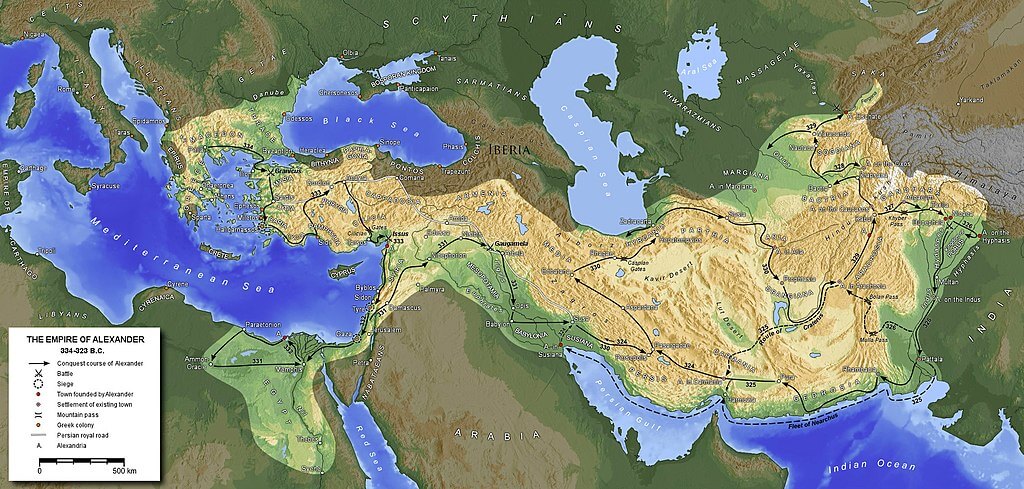
The Tomb of Alexander the Great: Unravel the mysteries surrounding the resting place of one of history’s greatest conquerors. Delve into archaeological discoveries, historical speculations, and the ongoing quest to locate this legendary site.
Alexander the Great, one of history’s greatest military commanders, was born in 356 BC in Pella, Macedonia. Trained under the guidance of the esteemed philosopher Aristotle, Alexander succeeded his father’s throne at a mere 20 years old. His empire spanned from Greece to Egypt and extended eastward to India, reflecting an exceptional reign that abruptly ended with his death in 323 BC.
An Empire Like No Other
Driven by an unquenchable thirst for conquest and distinguished by his extraordinary strategic prowess, Alexander the Great embarked on an unparalleled campaign of expansion. Consolidating his power in Greece after the assassination of his father, Philip II, he set his sights further afield, succeeding where his father could not by overcoming Persia. This victory enabled him to claim the Pharaoh’s throne in Egypt and the title of Great King from the Persian territories.
His empire, unique in its extensive geographical reach, cultural diversity, and rapid formation, spanned three continents, covering around 5.2 million square kilometers. Starting from Europe, it extended east to include Asia Minor, Egypt in Africa, Persia, and parts of India. This vast domain was characterized by Alexander’s policy of fusion, encouraging his Macedonian soldiers to marry native women from the conquered territories. He championed the proliferation of Greek culture and language, initiating the Hellenistic era during which Greek influence reached its zenith.
The Mysterious Disappearance of Alexander’s Tomb
After Alexander’s enigmatic death in Babylon in 323 BC, his body was transported to Memphis, Egypt. Given that Egypt was a crucial part of his empire, the esteemed city of Memphis was a fitting burial site for a ruler of Alexander’s stature.
Eventually, his remains were relocated to Alexandria, a city founded by and named after him. This decision was likely motivated by political reasons, as Ptolemy, one of Alexander’s generals turned ruler of Egypt, sought to cement his rule by associating himself with the iconic leader. However, the tomb’s exact location in Alexandria has remained elusive, giving rise to countless speculations and proposed locations over the centuries.
Unraveling the Mystery
A potential breakthrough came with the tireless work of Greek archaeologist Calliope Limneos-Papakosta. Having dedicated over two decades to extensive research and excavations in Alexandria, northern Egypt, she might have located Alexander’s long-lost tomb. Her team’s findings include a statue, an ancient Roman road, and the foundations of what could be the former royal quarter, purported to be the tomb’s site.
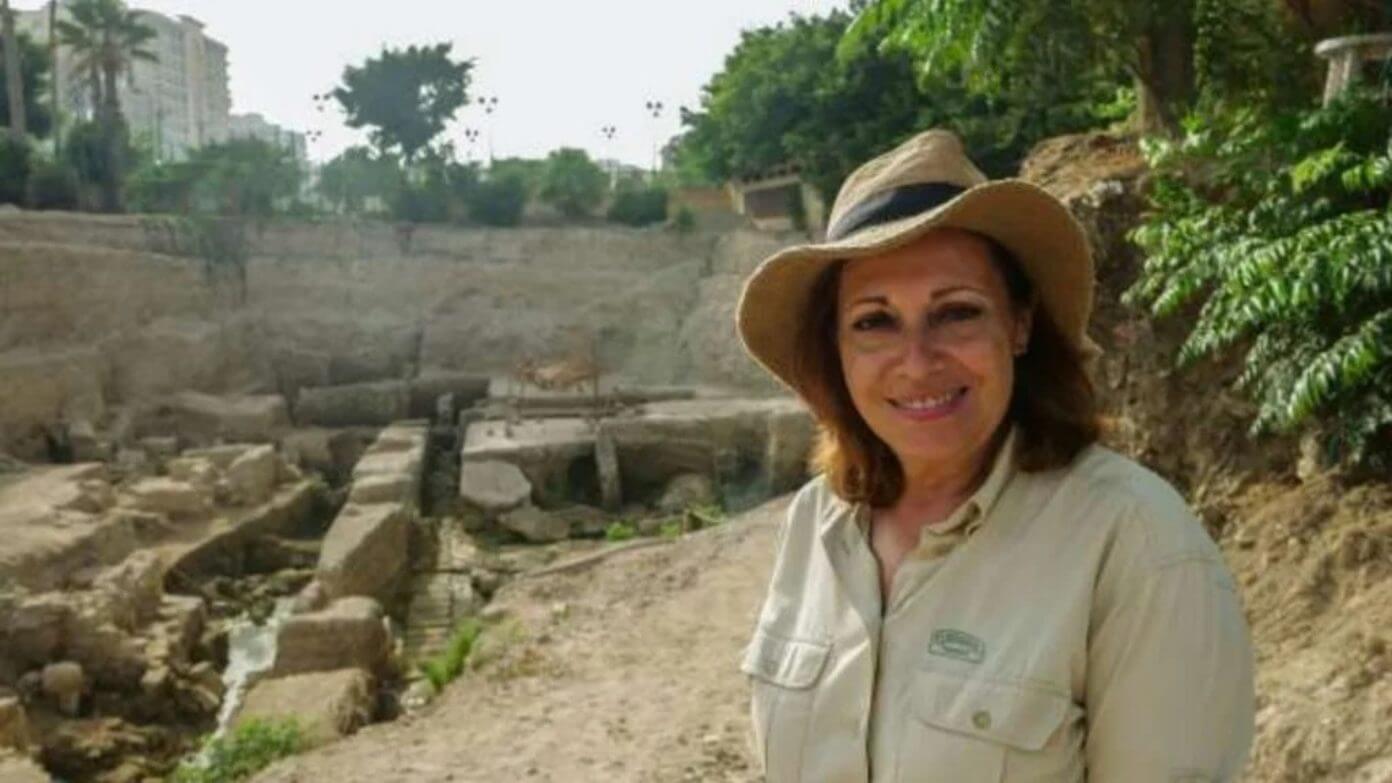
As per historical accounts, the tomb was lost due to an earthquake around 365 AD, which led to the mass evacuation of Alexandria. Regardless, Limneos-Papakosta remained resolute in her quest, employing ancient manuscripts, maps, and cutting-edge tomography to construct a 3D image of the area’s stratification. Her persistence might have finally unearthed Alexander’s final resting place, potentially ending decades of relentless research.
This potential discovery could significantly invigorate Egypt’s tourism sector, particularly with the impending inauguration of the Great Egyptian Museum. If verified, Limneos-Papakosta’s claim would undeniably enrich Egypt’s historical allure, adding yet another captivating chapter to the nation’s rich historical narrative.
Currently Reading

Historical Challenge: Can You Conquer the Past?
Answer more than 18 questions correctly, and you will win a copy of History Chronicles Magazine Vol 1! Take our interactive history quiz now and put your knowledge to the test!