
 By istorija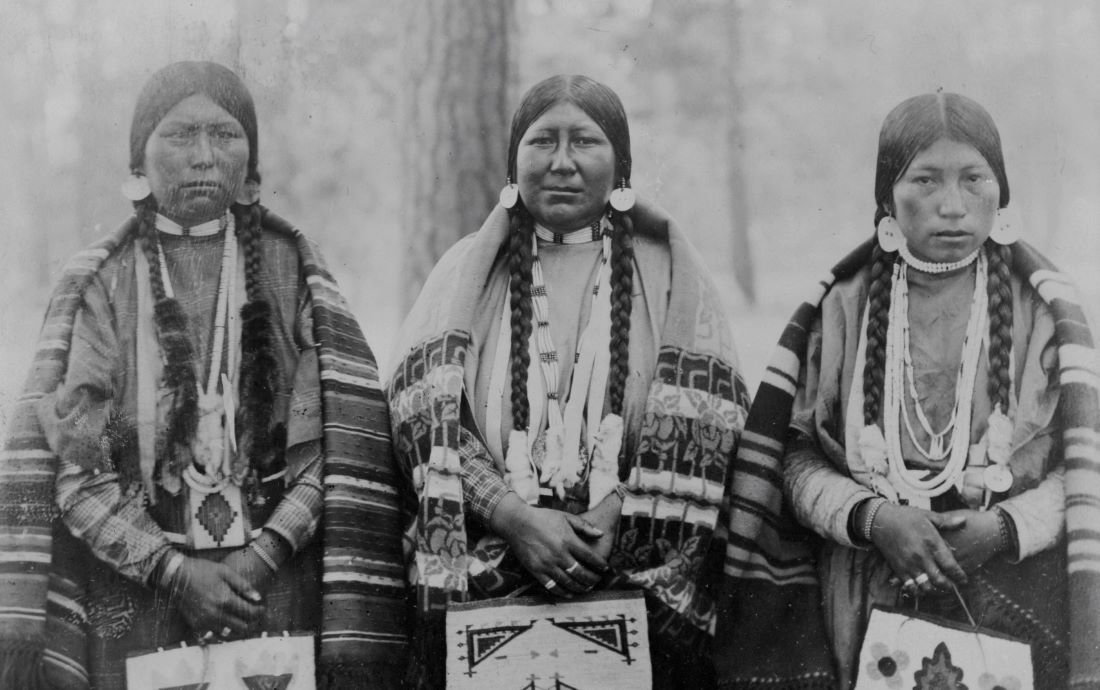
When European explorers and settlers arrived in the Americas after 1492, they brought more than ships, guns, and ambition. They brought invisible killers, diseases to which the Indigenous peoples of the Americas had no immunity. Among the most devastating was smallpox. The account written by William Bradford, governor of the Plymouth Colony, offers a harrowing firsthand glimpse into the catastrophic impact these diseases had on Native communities in New England in the early 17th century.
A World Without Immunity
For thousands of years, the peoples of the Americas had lived in relative isolation from the disease pools of Europe, Asia, and Africa. While they faced their own local illnesses, they had never been exposed to crowd diseases such as smallpox, measles, influenza, or plague. As a result, they lacked the immunological defenses that Europeans had gradually developed over centuries.
When these pathogens arrived with the newcomers, they spread with terrifying speed and lethality. Entire villages could be wiped out in a matter of weeks. Entire societies collapsed as the social fabric, elders, healers, parents, and knowledge keepers, was destroyed.
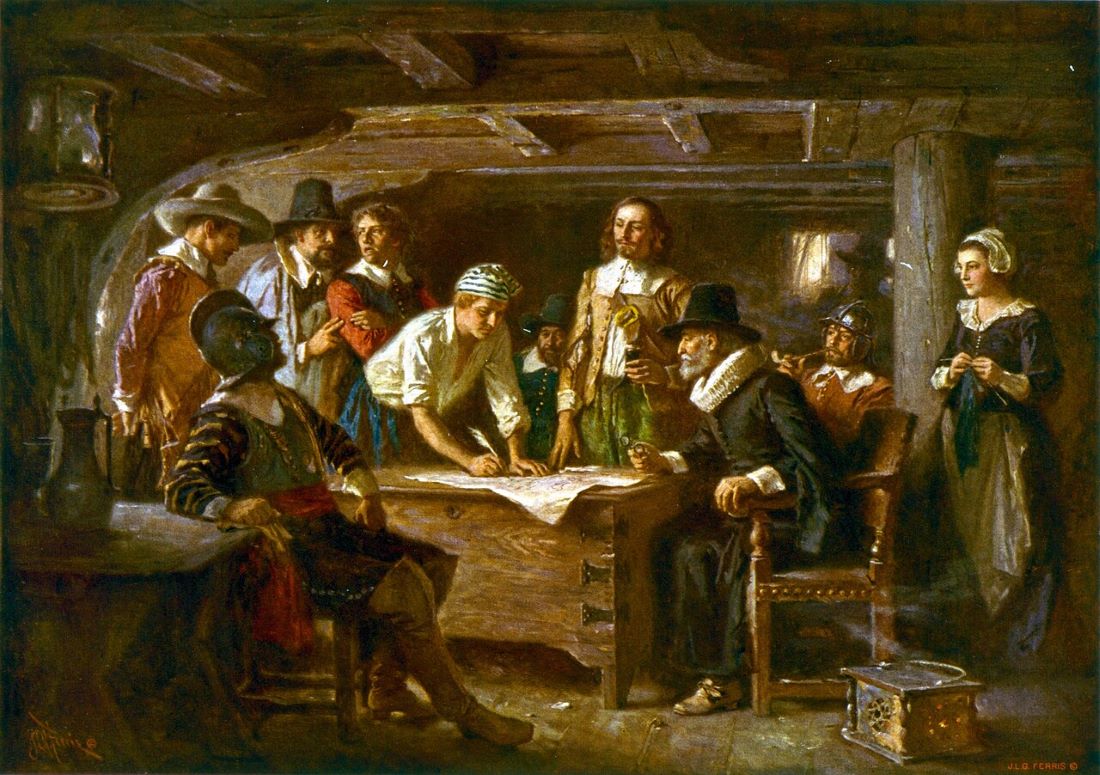
Bradford’s Account: Smallpox Among the New England Tribes
In his famous History of Plimouth Plantation, William Bradford described the devastating effect of smallpox on Native tribes near the Connecticut River and around the Plymouth colony in the 1630s.
He wrote of a group of Indians who had enclosed themselves in a fortified place for protection against their enemies. When disease struck, it killed over 900 out of 1,000 people. Bradford noted the gruesome details:
victims lay on their mats as the pox broke and ran together, their skin cleaving to the mats when they tried to move. Many died unable to help one another, too weak even to fetch water or bury the dead.
What struck Bradford most was the contrast:
while the Indians suffered horribly, not a single Englishman in the nearby trading house became sick, despite daily contact with the victims.
He interpreted this as divine providence and mercy, a sign that God was clearing the land for the English settlers.
Bradford’s account, while compassionate in describing the suffering, also reveals the 17th-century Puritan worldview:
the epidemic was seen not only as a tragedy but as part of God’s plan to make way for the new Christian settlement.
The Broader Catastrophe
The experience Bradford described was repeated across the Americas on a continental scale. Historians estimate that between 1492 and the early 1600s, the Indigenous population of the Americas declined in some regions, up to 90%, a demographic collapse without parallel in recorded history.
Smallpox was the deadliest, but it was joined by measles, influenza, typhus, and other diseases. These pathogens spread ahead of European settlement, often through Native trade networks, devastating communities before Europeans even arrived in person.
The consequences were profound:
- The collapse of sophisticated societies and agricultural systems.
- The breakdown of traditional knowledge and leadership structures.
- The psychological trauma of watching entire families and villages disappear.
- The relative ease with which small groups of Europeans could later conquer vast territories.
A Demographic and Civilizational Disaster
The introduction of Old World diseases was, in effect, the single greatest cause of death and cultural disruption for Native American peoples. While warfare, displacement, and exploitation played major roles, disease was the primary driver of the catastrophic population decline.
This hidden catastrophe fundamentally altered the balance of power in the Americas and shaped the course of European colonization. It explains, in large part, why relatively small numbers of Europeans were eventually able to dominate vast territories.
Final Reflection
William Bradford’s account is both a moving description of human suffering and a stark reminder of the unequal biological consequences of the Columbian Exchange. The “discovery” of the Americas was not a meeting of equals, it was a biological collision in which one side possessed deadly immunological weapons the other had never encountered.
The tragedy of Native American populations in the face of European diseases remains one of the darkest and most consequential chapters in human history, a silent holocaust that reshaped continents and civilizations.
Currently Reading
Historical Challenge: Can You Conquer the Past?
Answer more than 18 questions correctly, and you will win a copy of History Chronicles Magazine Vol 1! Take our interactive history quiz now and put your knowledge to the test!