
 By istorija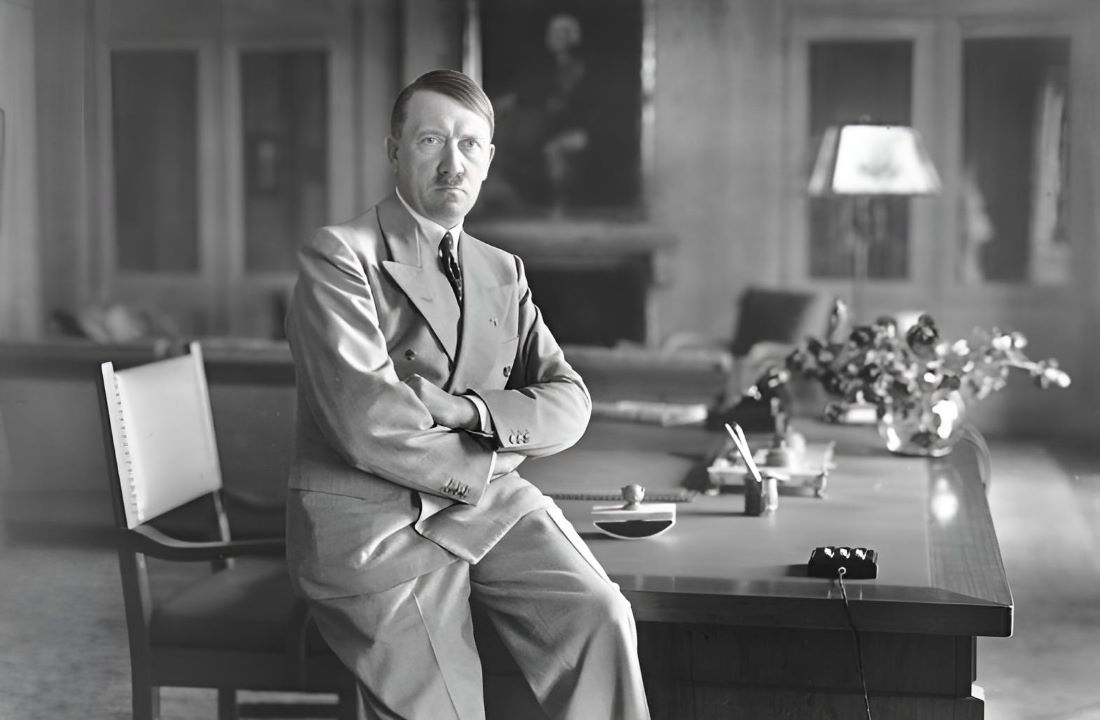
On 30 April 1945, as Soviet troops closed in on the centre of Berlin, Adolf Hitler and Eva Braun are said to have committed suicide in the Führerbunker beneath the Reich Chancellery. Their bodies were reportedly burned in the courtyard, and the remains later identified by the Soviets. This is the official historical account, accepted by the vast majority of historians.
Yet for decades, conspiracy theories have claimed that Hitler did not die in Berlin. The most persistent story is that he escaped to Argentina, lived under assumed identities for years, and died in old age in South America. Other versions place him in Antarctica, Spain, or even a secret base in the Himalayas. These theories have been fed by declassified FBI and CIA documents, alleged eyewitness sightings, and books that continue to sell well into the 21st century.
The Official Account: Suicide in Berlin
According to the testimony of those present in the bunker (including secretaries Traudl Junge and Gerda Christian, valet Heinz Linge, and adjutant Otto Günsche), Hitler shot himself in the temple with his Walther PPK pistol while simultaneously biting a cyanide capsule. Eva Braun took cyanide. Their bodies were carried to the Reich Chancellery garden, doused with gasoline, and burned.
The Soviets captured the bunker on 2 May 1945. They found charred remains and conducted autopsies. Dental fragments and a jawbone were matched to Hitler’s dental records by his dentist’s assistant, Käthe Heusermann. In 2017–2018, a French forensic team (led by Philippe Charlier) was allowed to examine the teeth and a skull fragment held in Russian archives. Their peer-reviewed study published in the European Journal of Internal Medicine (2018) confirmed the teeth belonged to Hitler, showed traces of cyanide, and ruled out any evidence of a gunshot wound to the skull fragment (consistent with the known method of suicide).
DNA analysis of the skull fragment in 2009 had already shown it belonged to a woman (likely Eva Braun or another female in the bunker), but the teeth study remains the strongest forensic confirmation of Hitler’s death.
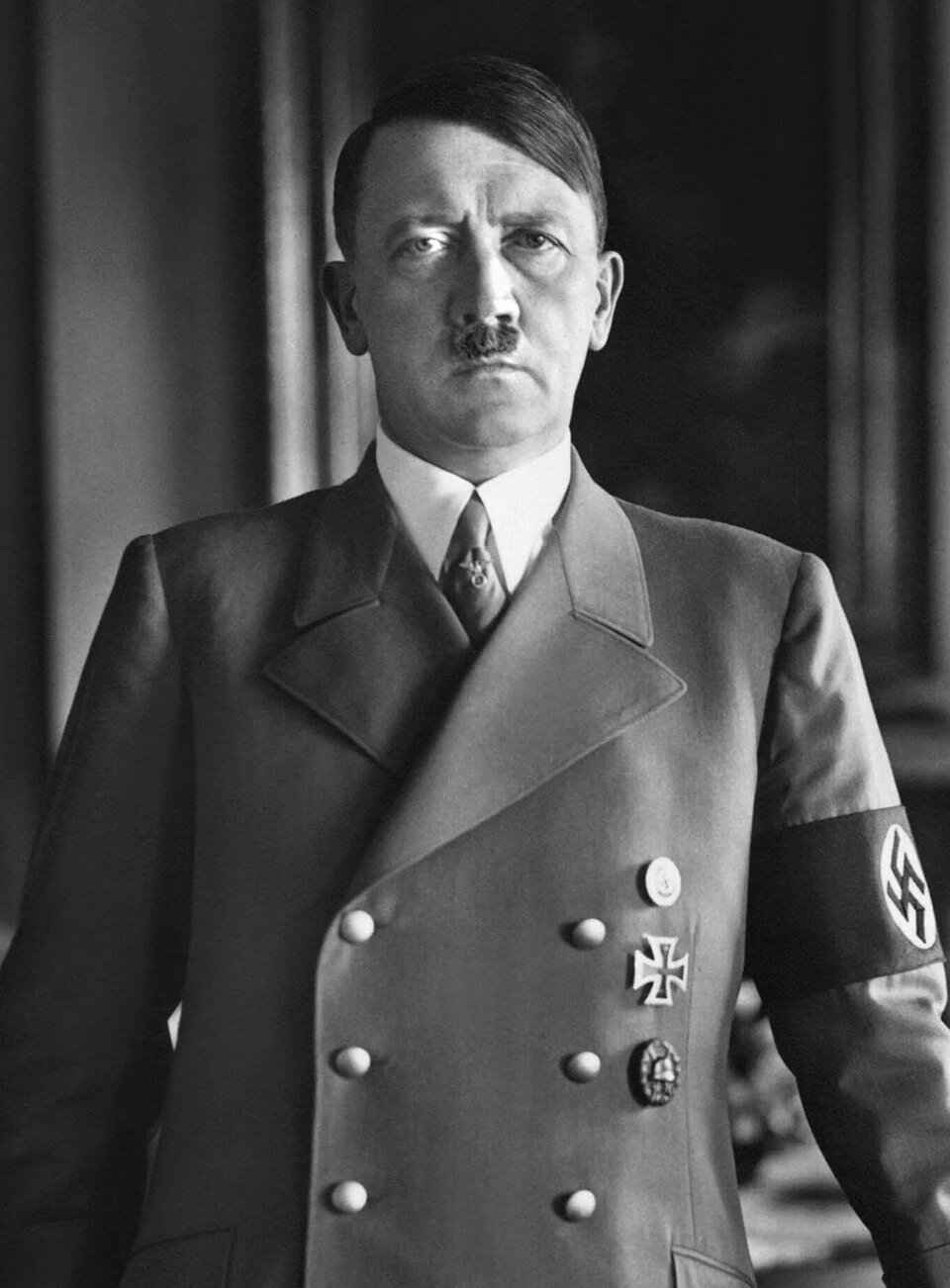
The Argentina Escape Theory – The Most Enduring Legend
The idea that Hitler fled to Argentina is the most detailed and persistent conspiracy theory. It rests on several pillars:
- Nazi ratlines: After 1945, thousands of Nazis escaped Europe through “ratlines” organised by sympathetic Catholic clergy, the ODESSA network, and Argentine dictator Juan Perón, who openly welcomed former Nazis. Figures like Adolf Eichmann, Josef Mengele, and Erich Priebke were confirmed to have reached Argentina.
- U-boat arrivals: German submarines U-530 and U-977 surrendered in Argentina in July and August 1945 — months after the war officially ended in Europe. Conspiracy researchers claim these subs carried Hitler, Eva Braun, and high-ranking Nazis.
- Declassified intelligence files: The FBI and CIA released hundreds of documents in the 2000s and 2010s containing alleged sightings of Hitler in Argentina from 1945 into the 1950s. Some reports describe a man resembling Hitler living in Patagonia or Bariloche under the name “Adolf Schüttelmayor” or similar aliases.
- Witness claims: Books such as Grey Wolf: The Escape of Adolf Hitler (Simon Dunstan & Gerrard Williams, 2011) and earlier works by Abel Basti cite supposed eyewitnesses, including pilots, servants, and local residents who claimed to have seen or served Hitler in remote estancias in Patagonia.
According to these theories, Hitler and Braun were flown or sailed out of Berlin in the final days, reached Spain or Denmark, then boarded a U-boat for Argentina. They supposedly lived quietly in Patagonia until the 1960s, with Hitler dying around 1962–1970.
Evidence Against the Escape Theories
Despite the colourful stories, mainstream historians and forensic experts overwhelmingly reject the idea that Hitler survived:
- No credible physical evidence (photographs, DNA, fingerprints, or documents) has ever surfaced proving Hitler lived after 1945.
- The 2018 French forensic study on the teeth remains the strongest scientific confirmation of his death in Berlin.
- Many of the FBI “sightings” were investigated at the time and dismissed as hoaxes, mistaken identity, or wishful thinking by anti-communist sources spreading rumours to embarrass the Soviets.
- The U-530 and U-977 captains were interrogated extensively; both confirmed they carried no passengers of importance and surrendered voluntarily.
- Stalin himself spread rumours in 1945 that Hitler had escaped, but this was widely understood as Soviet disinformation to keep the Allies off-balance.
Modern genetic and dental analysis, combined with the absence of any verifiable post-1945 trace, makes the escape theory extremely unlikely.
Other Conspiracy Theories
- Body double theory: Some claim a double was killed in the bunker while Hitler escaped. No evidence supports this.
- Antarctica / Base 211: Fringe theories allege Hitler fled to a secret Nazi base in Antarctica. These stem from post-war German Antarctic expeditions but lack any credible documentation.
- Soviet cover-up: A persistent claim is that the Soviets found Hitler alive or his body missing and deliberately lied. Declassified Soviet archives and the 2018 French study contradict this.
Why the Myths Refuse to Die
The Hitler-escaped theories endure for psychological and cultural reasons:
- The idea that the ultimate villain of the 20th century cheated justice is both terrifying and compelling.
- It fits the pattern of other high-profile “survival” conspiracies (Elvis, JFK, etc.).
- Declassified intelligence files give the theories an aura of official credibility, even when the documents themselves are inconclusive rumours.
- Books, documentaries, and internet forums keep the stories alive and profitable.
Final Assessment
The overwhelming weight of forensic, documentary, and historical evidence supports the conclusion that Adolf Hitler died by suicide in the Führerbunker on 30 April 1945. The Argentina and other escape theories, while fascinating and persistent, rely on hearsay, unverified sightings, and selective reading of declassified files. They have never produced a single piece of hard evidence that withstands scrutiny.
Currently Reading


Historical Challenge: Can You Conquer the Past?
Answer more than 18 questions correctly, and you will win a copy of History Chronicles Magazine Vol 1! Take our interactive history quiz now and put your knowledge to the test!