
 By istorija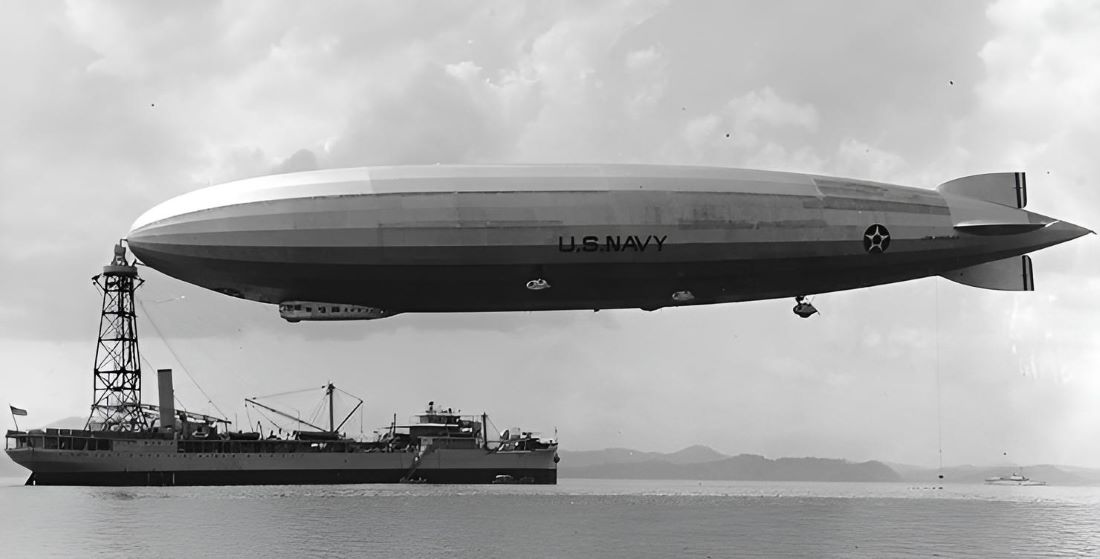
Zeppelins were once hailed as a monumental technological achievement, capturing the imaginations of people worldwide. These massive airships traversed the skies, ferrying passengers across long distances with a level of elegance and spectacle unmatched by other forms of travel at the time. Despite their initial promise and impressive presence in the sky, zeppelins faced numerous challenges. This introduction to their rise and subsequent decline explores the factors that led to their eventual fall from grace.
The Rise of Zeppelins
The rise of zeppelins marks a pivotal chapter in the annals of aviation, largely attributed to the pioneering efforts of Count Ferdinand von Zeppelin. In the late 19th century, Count Ferdinand von Zeppelin revolutionized air travel by developing the first successful rigid airship. While there were earlier concepts and designs for airships, Zeppelin’s innovation offered greater structural strength and paved the way for the future of airships.

Although Count Zeppelin was not the first to toy with the idea of lighter-than-air travel, he was the first to elevate it to a commendable level of functionality and safety. The first commercial zeppelin flight was launched in 1910, marking a new era of passenger air travel. During World War I, zeppelins were notably used by Germany to bomb Britain, showcasing their strategic military value as well as their capability to cover long distances.
Zeppelins – Passenger Era
Zeppelins captured the imaginations of people worldwide, not just for their technological marvel, but also for the awe-inspiring sight they presented as they majestically traversed the skies. These luxurious airships offered a sense of adventure and a glimpse into the future of travel. Passengers traveled in a gondola attached beneath the main structure, depending on the size of the airship. The Hindenburg, for example, boasted a passenger capacity of over 70. The interiors of these gondolas were often luxuriously outfitted, featuring plush leather seating, mahogany paneling, and even dedicated dining facilities where passengers could enjoy multi-course meals. Large windows provided breathtaking panoramic views, further adding to the grandeur of the Zeppelin travel experience.

By the 1930s, zeppelins had enjoyed two decades of dominance in the sky. However, despite their initial success and luxury, the inherent dangers of using hydrogen and the evolving capabilities of fixed-wing aircraft began to overshadow the practicality of zeppelin travel, setting the stage for their decline before the catastrophic Hindenburg disaster in 1937. This period highlighted the zenith of airship travel, just before its swift and dramatic decline.
The Hindenburg Catastrophe – The Fall of Zeppelins
The fall of the zeppelins was dramatically underscored by the tragic disaster of the Hindenburg, the largest airship ever constructed at the time. Built by the German Zeppelin Company, the Hindenburg stretched an impressive 803 feet in length and first took to the skies in March 1936. In its brief operational lifespan, this colossal airship completed ten transatlantic flights to the United States and seven to Brazil, along with numerous other voyages across Europe, including to Britain. However, its career ended in catastrophe on May 6, 1937, when it caught fire while attempting to dock at the Naval Air Station Lakehurst in New Jersey. This disaster claimed the lives of 36 people and marked a pivotal moment in the history of air travel.
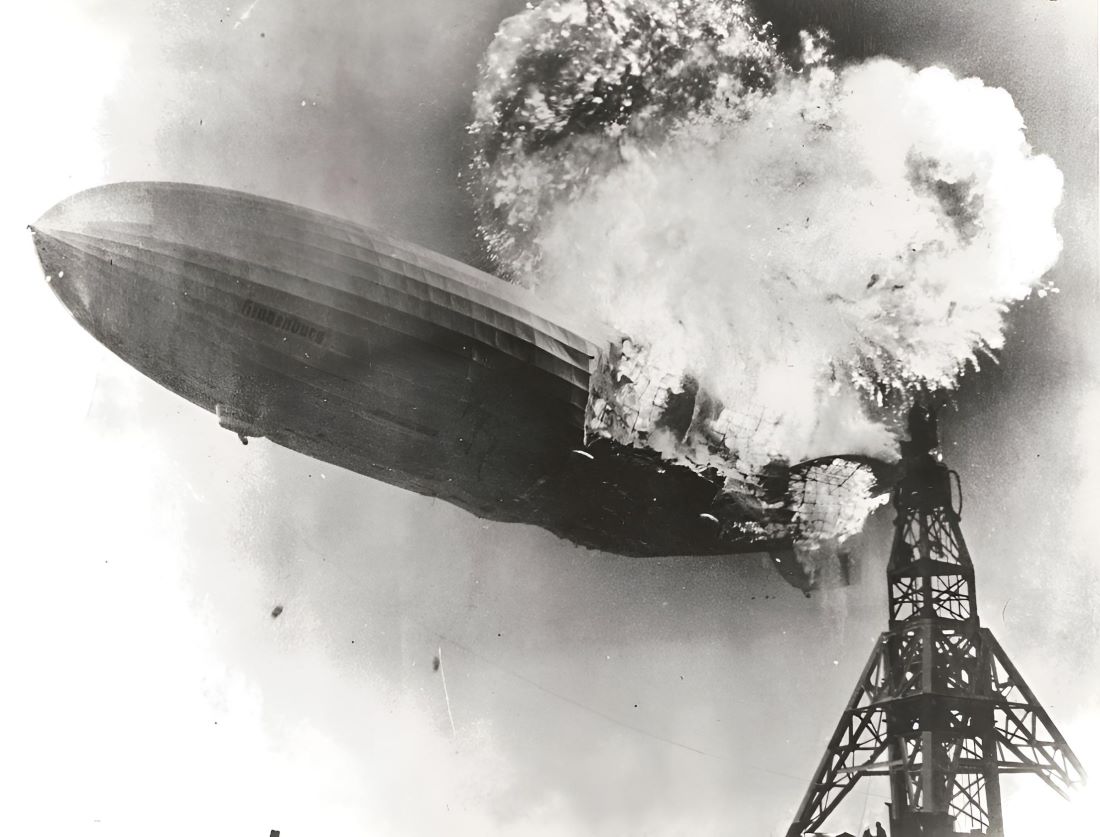
Theories about the cause of the Hindenburg disaster abound, with most evidence pointing to the highly flammable hydrogen used for lift, which ignited during the airship’s landing approach. Some speculate that a spark from the electrical storms in the area could have ignited leaking hydrogen, while others suggest sabotage or a failure in the airship’s structure as possible causes. Regardless of the specific trigger, the Hindenburg tragedy resonated deeply, broadcasting the risks of airship travel to the world through vivid, horrific images. The incident effectively ended public confidence in zeppelins, leading to their rapid decline in commercial and military use, as safer, more reliable airplane technologies advanced. This marked the end of the era of the great airships, a period characterized by both awe-inspiring achievements and stark reminders of the dangers of early aviation.
Zeppelins Today
Today, zeppelins are experiencing a resurgence in various roles, primarily driven by their sustainability benefits and technological advancements. Modern airships predominantly use helium instead of hydrogen, due to its nonflammable properties, enhancing their safety profile significantly. This shift to helium has enabled new uses for zeppelins, including environmental monitoring, advertising, broadcasting at sports and large events, and even roles in cargo transport due to their fuel efficiency and lower carbon emissions compared to traditional aircraft.
The recent revival of zeppelins is part of what some experts are calling an “airship renaissance,” focusing on their potential to offer more environmentally friendly alternatives in the aviation and transport sectors.
Currently Reading


Historical Challenge: Can You Conquer the Past?
Answer more than 18 questions correctly, and you will win a copy of History Chronicles Magazine Vol 1! Take our interactive history quiz now and put your knowledge to the test!