
 By istorija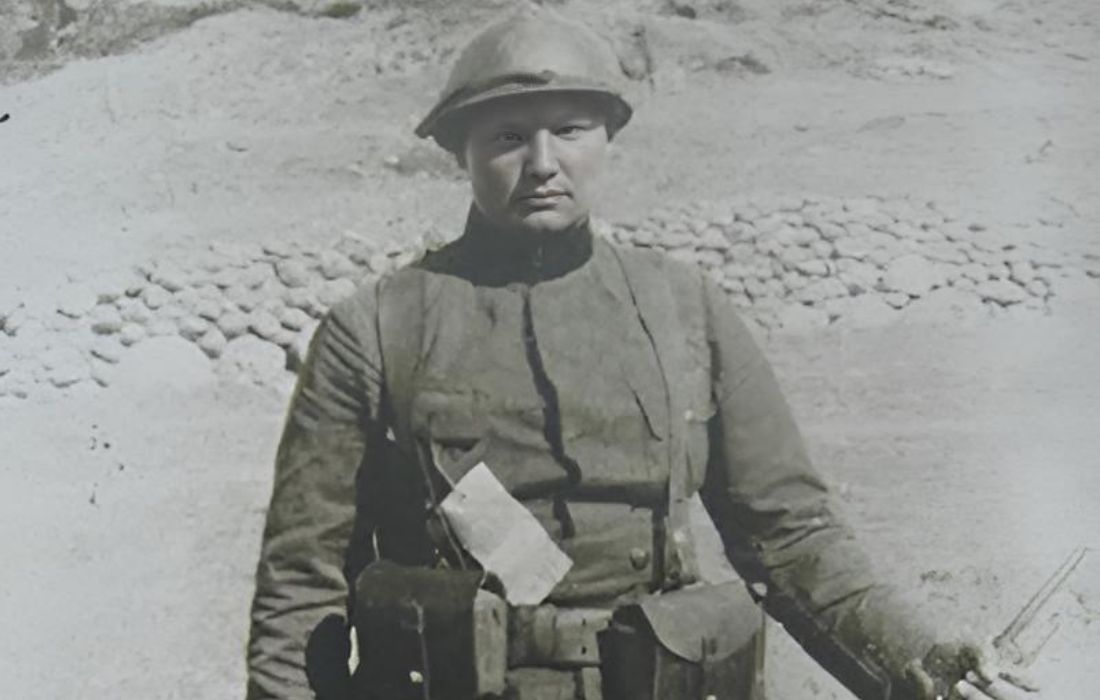
Throughout the last 250–300 years, a small but remarkable number of women defied strict gender norms by disguising themselves as men to fight in wars. They did so in eras when female combat service was unthinkable and often illegal. Their stories reveal extraordinary courage, determination, and the high personal cost of living a double life.
This comparative study focuses on three of the most documented cases from the modern era: Deborah Sampson (American Revolution), Sarah Emma Edmonds (American Civil War), and Milunka Savić (Balkan Wars and World War I). Despite coming from different continents, centuries, and social backgrounds, their experiences share striking similarities: patriotic or personal drive, prolonged successful disguise, combat wounds, eventual discovery (or partial revelation), and a lifelong struggle for recognition. Their stories challenge traditional narratives of warfare as an exclusively male domain.
Deborah Sampson – The Revolutionary Soldier (1782–1783)
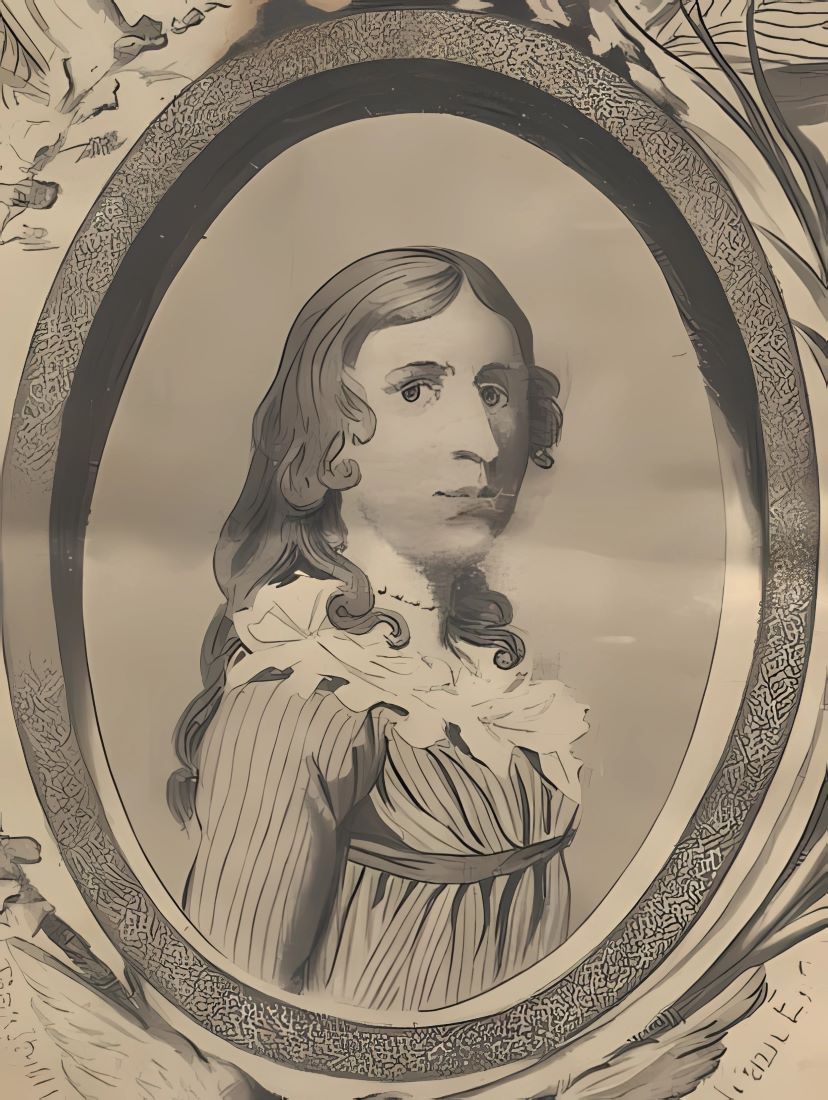
Born in 1760 in Plympton, Massachusetts, into a poor family, Deborah Sampson grew up indentured and later worked as a teacher and weaver. Motivated by patriotism and a desire for independence, she disguised herself as “Robert Shurtliff” in May 1782 and enlisted in the 4th Massachusetts Regiment of the Continental Army.
She served for 17 months, participating in skirmishes in New York, scouting British positions, and digging trenches. She was wounded twice—once in the thigh by musket fire and once in the head—yet removed the bullet herself with a penknife to avoid discovery. Her true identity was revealed only when she fell ill with fever in Philadelphia in 1783 and was examined by a doctor. She received an honorable discharge from General Henry Knox and later became one of the first women to earn a full military pension from the U.S. government (granted in 1805 after years of struggle). She also toured as a public speaker, performing military drills in uniform.
Sarah Emma Edmonds – The Union Spy and Soldier (1861–1863)
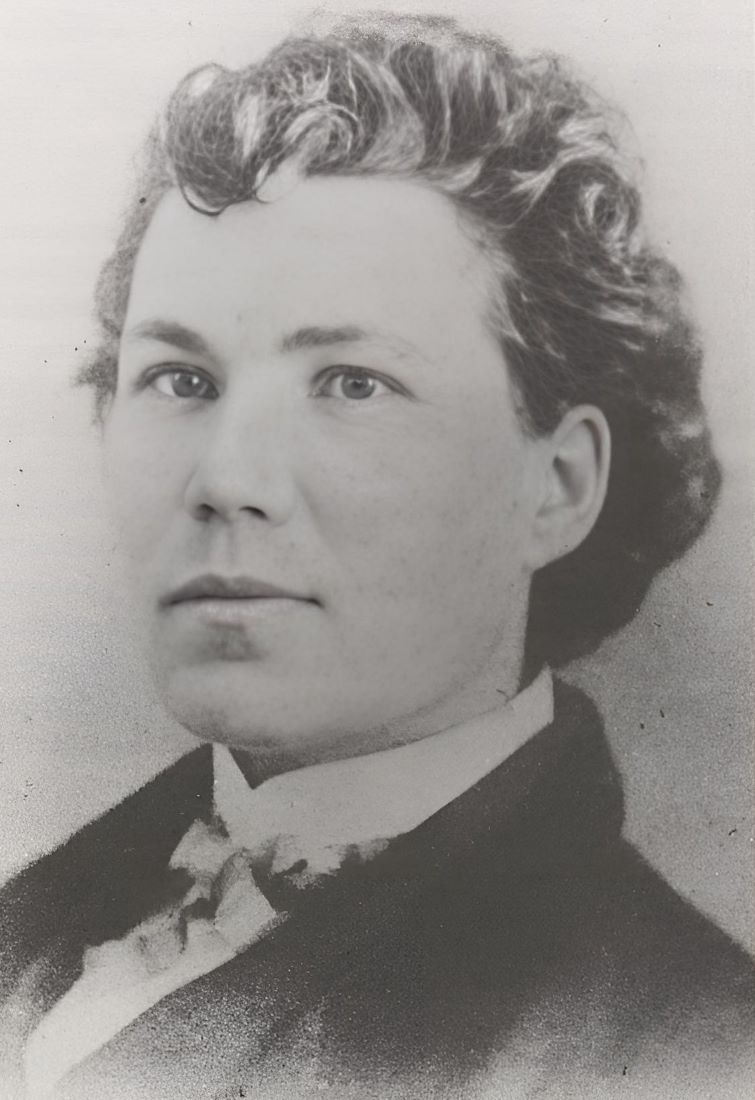
Born Sarah Emma Evelyn Edmondson in 1841 in New Brunswick, Canada, she fled an abusive father and arranged marriage, crossing into the United States and adopting the male identity of “Franklin Thompson.” When the Civil War broke out, she enlisted in the 2nd Michigan Infantry in May 1861.
Edmonds served for two years as a soldier, nurse, and spy. She fought at the First Battle of Bull Run and other engagements, then volunteered for dangerous espionage missions behind Confederate lines—disguising herself variously as a Black man, an Irish peddler, and a Southern sympathizer. She gathered critical intelligence and even helped treat wounded soldiers. In 1863, severe malaria forced her into hospital care, where her gender was discovered. Rather than face court-martial, she deserted and later lived under her real name. After the war she married, wrote a bestselling memoir (Nurse and Spy in the Union Army), and successfully fought for a pension, which was granted in 1884. She is one of the few documented female soldiers of the Civil War.
Milunka Savić – The Most Decorated Female Combatant in History (1912–1919)
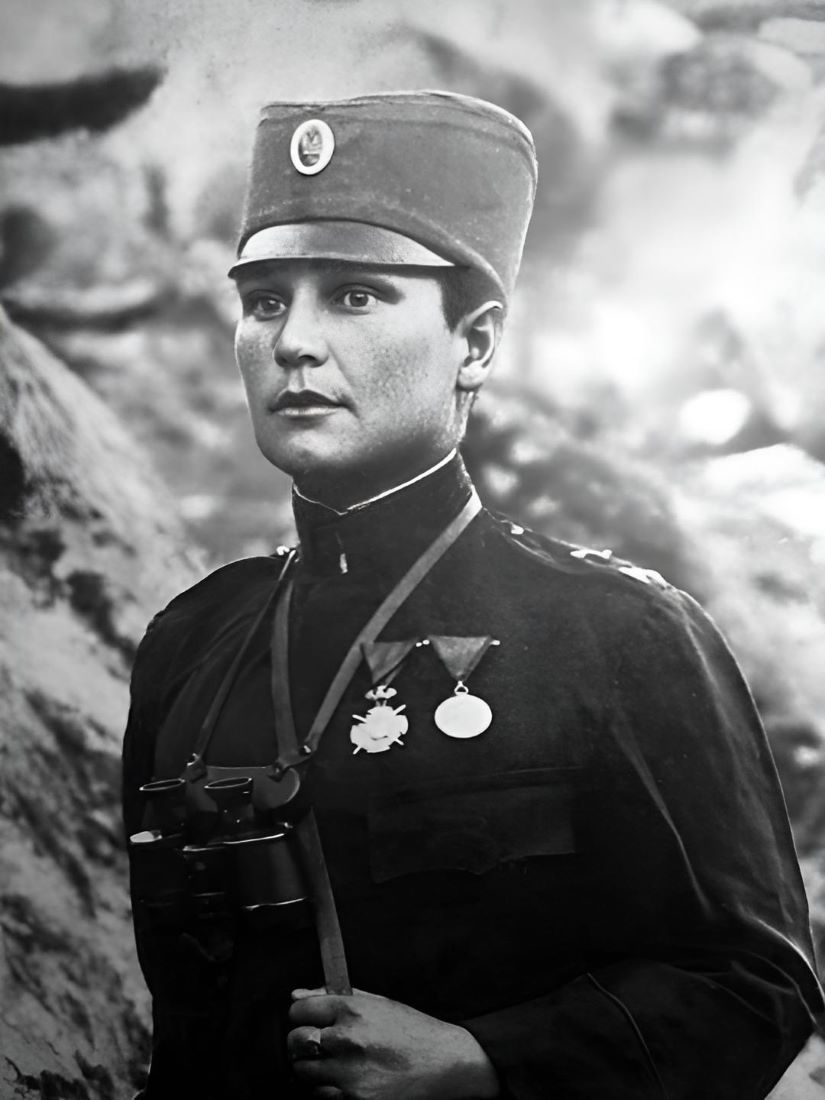
Born in 1888 or 1892 in rural Serbia, Milunka Savić was working as a maid when the First Balkan War broke out in 1912. When her brother was called up, she cut her hair, dressed as a man named “Milun,” and took his place in the Serbian Army.
She fought in the Balkan Wars and throughout World War I with the Serbian 2nd Infantry Regiment, earning a reputation as a fearless grenade-thrower and trench-clearer. Wounded nine times, she captured dozens of enemy soldiers single-handedly and refused to leave the front lines even after being discovered as a woman. Serbian commanders allowed her to continue fighting openly. She became the most decorated female soldier in history, receiving Serbia’s highest honor (the Karađorđe Star with Swords) twice, the French Légion d’Honneur twice, the Croix de Guerre with gold palm (the only woman to receive it in WWI), the Russian Cross of St. George, and the British Medal of St. Michael and St. George. After the war she lived modestly, worked in a factory, and raised children—including an adopted daughter—while refusing to exploit her fame. She died in poverty in Belgrade in 1973.
Striking Similarities – A Comparative View
Despite the 130+ years separating their service, these three women share remarkable parallels:
- Motivation: All were driven by a mix of patriotism, personal freedom, and a desire to escape restrictive gender roles or family circumstances.
- Prolonged Disguise and Combat Effectiveness: Each successfully passed as a man for extended periods (17 months for Sampson, 2 years for Edmonds, 1 years for Savić) and proved themselves in battle without raising suspicion for a long time.
- Physical Courage and Wounds: All were wounded in combat yet continued fighting or treated injuries themselves to protect their secret.
- Discovery and Aftermath: Their gender was eventually revealed. All faced initial shock from comrades but earned respect. Each struggled postwar for official recognition and financial stability, yet persisted.
- Legacy of Resilience: All three received some form of pension or honors later in life, toured or spoke publicly, and became symbols of female courage. They challenged societal norms without seeking fame.
Key Differences and Historical Context
- Era and Technology: Sampson fought in the musket-and-bayonet age; Edmonds in the rifle-and-cannon Civil War; Savić in the machine-gun and trench warfare of WWI.
- Discovery: Sampson and Edmonds were exposed involuntarily;Milunka Savić’s identity was revealed after she was wounded during the Second Balkan War, but her unwavering determination compelled the command to set a precedent and allow her to continue serving openly as a woman. .
- Outcome: Sampson and Edmonds lived in relative obscurity after the war; Savić became a national hero in Serbia but still died poor.
Their stories highlight how exceptional women could break through rigid gender barriers in times of national crisis—yet still faced enormous personal and societal costs.
These three extraordinary soldiers remind us that courage and patriotism have never been confined to one gender. Their disguised service was not a footnote in military history—it was a powerful statement that women could, and did, fight and die for their countries when given (or when they seized) the chance.
Historical Challenge: Can You Conquer the Past?
Answer more than 18 questions correctly, and you will win a copy of History Chronicles Magazine Vol 1! Take our interactive history quiz now and put your knowledge to the test!