
 By istorija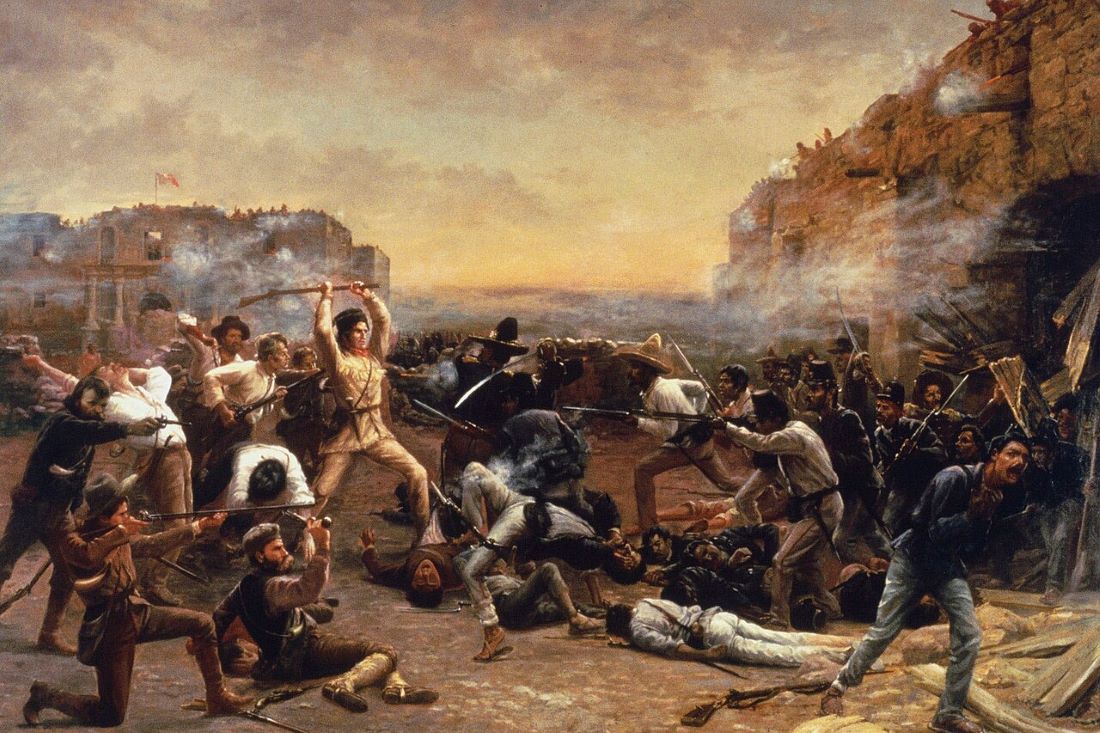
The Battle of the Alamo (February 23 – March 6, 1836) has been immortalized as a heroic last stand: fewer than 200 Texian defenders holding off thousands of Mexican troops for 13 days, buying time for Texas independence. Figures like William Barret Travis, Jim Bowie, and Davy Crockett became legends of courage and sacrifice. Yet much of this narrative—shaped by 19th-century Anglo-American accounts, Hollywood films (especially John Wayne’s 1960 The Alamo), and school textbooks—is a mix of exaggeration, omission, and outright myth.
From the Mexican perspective, the battle was a decisive (if costly) victory in suppressing a rebellion by Anglo settlers and Tejanos against the centralist government of President-General Antonio López de Santa Anna. The defenders were not freedom fighters against tyranny but insurgents who had seized Mexican territory, often motivated by land speculation and resistance to Mexico’s abolition of slavery. Modern scholarship—drawing on Mexican military reports, eyewitness accounts, and revisionist histories—challenges the “Heroic Anglo Narrative” and highlights the battle’s complexity, including the role of Tejanos (Texas Mexicans) who fought on both sides.
The Historical Context: Rebellion, Not Revolution
Texas was part of Mexico after independence from Spain in 1821. Anglo-American settlers (empresarios like Stephen F. Austin) were invited to populate the region under Mexican law, but tensions grew over cultural differences, slavery (banned in Mexico in 1829 but practiced illegally in Texas), and Santa Anna’s shift to centralism in 1835, which dissolved state legislatures and concentrated power in Mexico City.
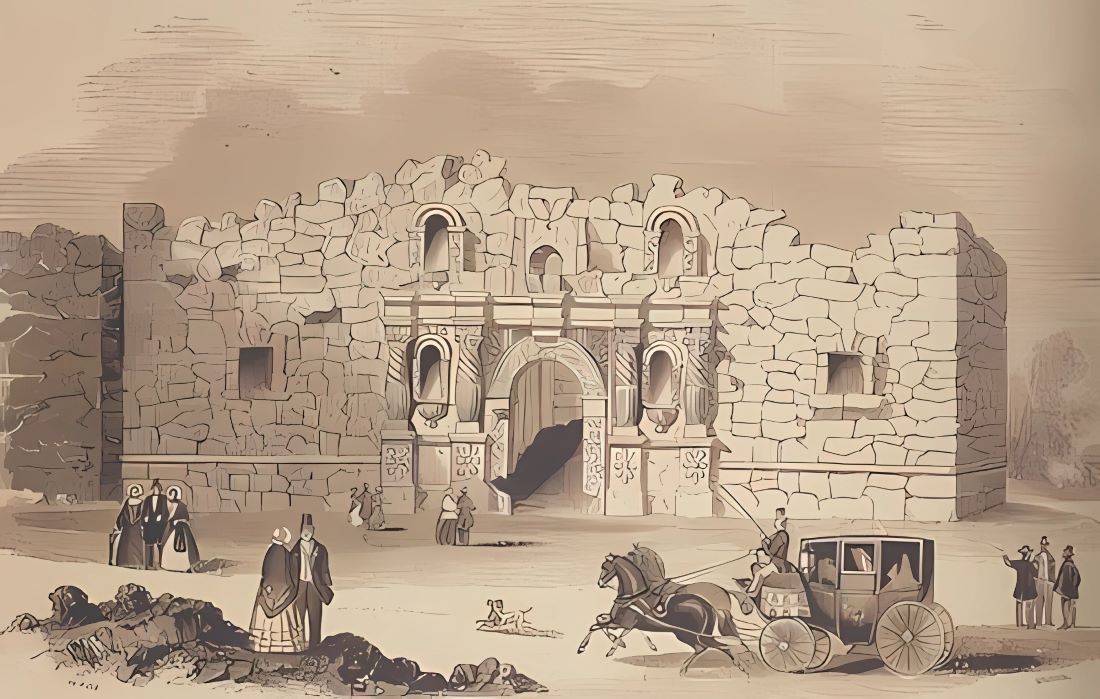
The Texas Revolution began in October 1835 with the Battle of Gonzales. Texian forces captured San Antonio de Béxar (including the Alamo mission) in December. Santa Anna marched north with about 6,000 troops to crush the uprising, viewing it as foreign invasion and treason. The Alamo garrison—around 180–250 men (including Tejanos like Juan Seguín)—was trapped when Santa Anna arrived unexpectedly early. Travis ignored warnings and pleas to retreat or reinforce.
Key Figures: Travis, Bowie, Crockett – Heroes or Flawed Men?
- William Barret Travis: Co-commander (after James Neill left). Famous for his “Victory or Death” letter (February 24, 1836). Myth portrays him as defiant leader; reality: he was a hot-headed lawyer with debts, who chose to stay despite orders to withdraw.
- Jim Bowie: Knife-fighter and land speculator. Ill with pneumonia or tuberculosis during the siege; died in his bed. Myth: heroic invalid fighting to the end; reality: likely killed early in the assault.
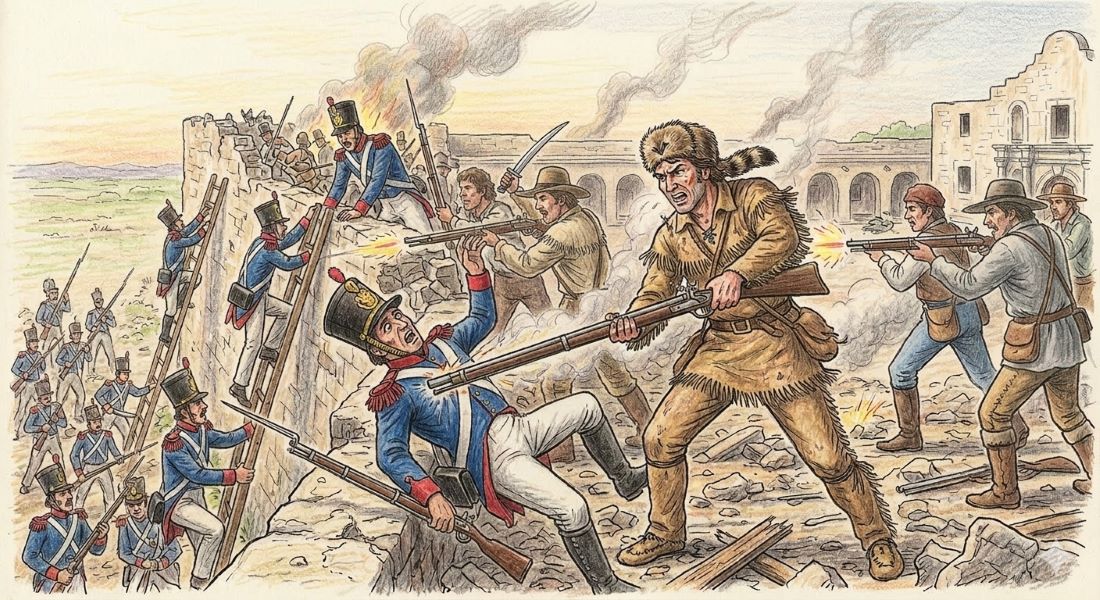
- Davy Crockett: Former U.S. congressman who arrived late (February 8). Myth: died swinging Old Betsy; Mexican accounts (including Lt. José Enrique de la Peña’s diary) say he surrendered and was executed on Santa Anna’s orders.
These men were brave but not superhuman. Many defenders were recent immigrants or adventurers seeking land, not pure patriots.
Major Myths vs Historical Reality
- Travis Drew a Line in the Sand Myth: Travis offered defenders a choice to stay or leave, drawing a line—those crossing stayed to fight. Reality: No contemporary evidence; story invented by amateur historian W.P. Zuber’s mother in 1870s. Travis did call for volunteers to stay, but no line existed.
- All Defenders Died Fighting to the Last Man Myth: Heroic stand with no surrender. Reality: Mexican accounts (de la Peña, Gen. Joaquín Ramírez y Sesma) describe many Texians fleeing over walls; lancers pursued and killed them outside. Perhaps half died outside the mission. No “last stand” on the walls for all.
- Davy Crockett Fought to the Death Myth: John Wayne-style finale. Reality: De la Peña’s authenticated diary (published 1955, verified 2001) states Crockett and six others surrendered; Santa Anna ordered execution. Other Mexican witnesses confirm. Some historians debate, but evidence leans toward execution.
- The Alamo Bought Critical Time for Sam Houston Myth: 13-day siege delayed Santa Anna, allowing Houston to win at San Jacinto. Reality: Santa Anna planned to take San Antonio by March 2; actual delay was only four days. Houston’s army was disorganized; San Jacinto victory came from Santa Anna’s tactical errors, not Alamo holdout.
- Santa Anna Was a Tyrannical Villain Perspective: From Mexican side, Santa Anna enforced national sovereignty against foreign-backed rebellion. His no-quarter policy was harsh but standard for suppressing insurrections.
The Mexican Perspective: Victory Over Insurgents
Mexican accounts (de la Peña’s diary, Santa Anna’s dispatches) portray the Alamo as a regrettable but necessary assault. Santa Anna criticized subordinates for high casualties (around 400–600 Mexican dead/wounded vs. ~189–257 Texian) but called it a “small affair.” He released non-combatant survivors (Susanna Dickinson, Joe the enslaved man, women/children) to spread fear. The battle was not seen as heroic resistance but as crushing a separatist threat fueled by U.S. expansionism and slavery interests (Mexico abolished slavery; many Texians wanted it preserved).
Tejanos fought on both sides: some with Texians (e.g., Juan Seguín, Gregorio Esparza), others with Mexico. Anglo histories often erased Tejano roles, framing the conflict as Anglo vs. Mexican.
Legacy and Modern Reassessment
The Alamo became a symbol of Manifest Destiny, rallying cry at San Jacinto (“Remember the Alamo!”). It fueled Anglo-Texan identity but also justified anti-Mexican sentiment. Recent scholarship (Forget the Alamo by Burrough, Tomlinson, Stanford, 2021; Time magazine 2021) highlights racism and slavery’s role in the revolt.
Today, the Alamo site (managed by Texas General Land Office) balances narratives with Tejano exhibits. For many Mexican Americans and Latinos in Texas, it symbolizes oppression rather than heroism.
Historical Challenge: Can You Conquer the Past?
Answer more than 18 questions correctly, and you will win a copy of History Chronicles Magazine Vol 1! Take our interactive history quiz now and put your knowledge to the test!