
 By istorija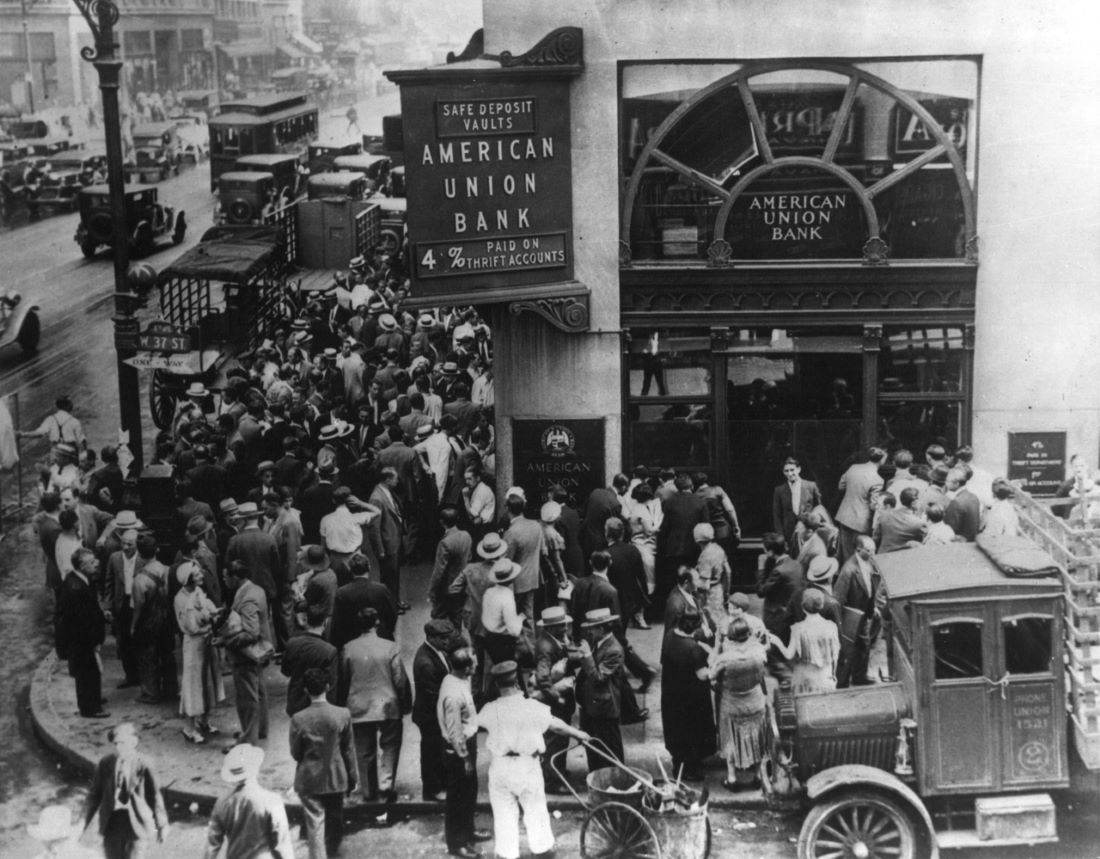
The Wall Street Crash of October 1929 is the most infamous financial collapse in modern history. In just a few weeks, the U.S. stock market lost nearly 90% of its value, triggering the Great Depression, a decade of mass unemployment, bank failures, and global economic misery that reshaped the world and helped pave the way for World War II.
But what exactly caused the 1929 crash, and more importantly — could something similar happen again today?
What Caused the 1929 Crash?
The crash was not caused by a single event, but by a dangerous combination of structural weaknesses and speculative excess:
- Speculative Bubble: Throughout the 1920s, stock prices soared far beyond the real value of companies. People bought stocks on margin (borrowing money), creating artificial demand.
- Overproduction and Weak Demand: American industry produced more goods than consumers could buy, especially after Europe recovered from World War I.
- Unequal Wealth Distribution: A tiny percentage of the population held most of the wealth, limiting broad-based consumption.
- Weak Banking System: Banks were poorly regulated and heavily invested in the stock market. When the market crashed, banks failed en masse.
- Tight Monetary Policy: The Federal Reserve raised interest rates in 1928–1929 to cool speculation, which helped trigger the panic.
On Black Thursday (October 24) and Black Tuesday (October 29), panic selling wiped out billions in wealth. The crash exposed how fragile the entire financial system had become.

Could It Happen Again? Lessons from 1929 and 2008
The short answer is yes — a major financial crisis could happen again. The long answer is more nuanced.
What has changed since 1929?
- Stronger banking regulations (Glass-Steagall Act, FDIC insurance, Basel accords).
- Central banks are more proactive (quantitative easing, bailouts).
- Better transparency and oversight of financial markets.
What has not changed — and what makes another crash possible?
The 2008 Global Financial Crisis proved that the system remains vulnerable. The causes were eerily similar to 1929:
- A massive asset bubble (this time in housing and mortgage-backed securities).
- Excessive leverage and risky financial instruments (CDOs, derivatives).
- Weak regulation and conflicts of interest (credit rating agencies).
- Moral hazard — banks knew they were “too big to fail.”
The 2008 crisis was stopped from becoming another Great Depression only because governments and central banks intervened on an unprecedented scale (trillions in bailouts and stimulus). That intervention prevented total collapse, but it also created new risks: enormous public debt, asset inflation, and growing inequality.
Where Are We in 2026?
As of early 2026, several warning signs echo both 1929 and 2008:
- Extreme asset valuations: Stock markets, especially in the U.S., are trading at historically high price-to-earnings ratios.
- High public and private debt levels: Many countries, including the U.S., carry debt burdens not seen since World War II.
- Geopolitical and energy risks: Rising tensions in the Middle East, particularly around the Strait of Hormuz (through which ~20% of global oil passes), could trigger an energy shock similar to the 1970s oil crises. Any major disruption in Iranian oil exports or a broader regional conflict would send oil prices soaring, hitting inflation and growth worldwide.
- Europe’s fragile state: The European economy is struggling with high energy costs, deindustrialization, low growth, and political instability. Several countries face recession risks.
- U.S. economic resilience vs vulnerabilities: The U.S. economy has shown remarkable strength, but it remains heavily dependent on consumer spending, tech valuations, and the dollar’s reserve status. A sudden loss of confidence in U.S. assets could trigger rapid capital flight.
Could a 1929-Style Crash Happen Again?
Yes — but it would likely look different. Modern central banks have powerful tools to intervene quickly. However, the systemic risks have evolved rather than disappeared:
- A severe oil shock from the Strait of Hormuz could combine with existing high debt levels and trigger a global recession.
- A collapse in overvalued tech/AI stocks could spread panic through highly interconnected financial markets.
- Loss of confidence in the U.S. dollar or government debt could create a sovereign debt crisis on a scale never seen before.
The greatest danger is not a single event, but a cascade — an external shock (energy crisis, geopolitical conflict, or sudden loss of confidence) hitting an already stretched financial system.
Final Thoughts
The 1929 Crash taught us that unchecked speculation, inequality, and weak regulation can bring even the strongest economy to its knees. The 2008 crisis showed that we learned some lessons, but not all.
Today, in 2026, the global economy is more interconnected, more indebted, and more exposed to geopolitical shocks than ever before. While a repeat of 1929 is not inevitable, the ingredients for a major crisis are clearly present.
The question is not whether another crash could happen. The question is whether we are willing to address the structural vulnerabilities before the next shock arrives.
Historical Challenge: Can You Conquer the Past?
Answer more than 18 questions correctly, and you will win a copy of History Chronicles Magazine Vol 1! Take our interactive history quiz now and put your knowledge to the test!