
 By istorija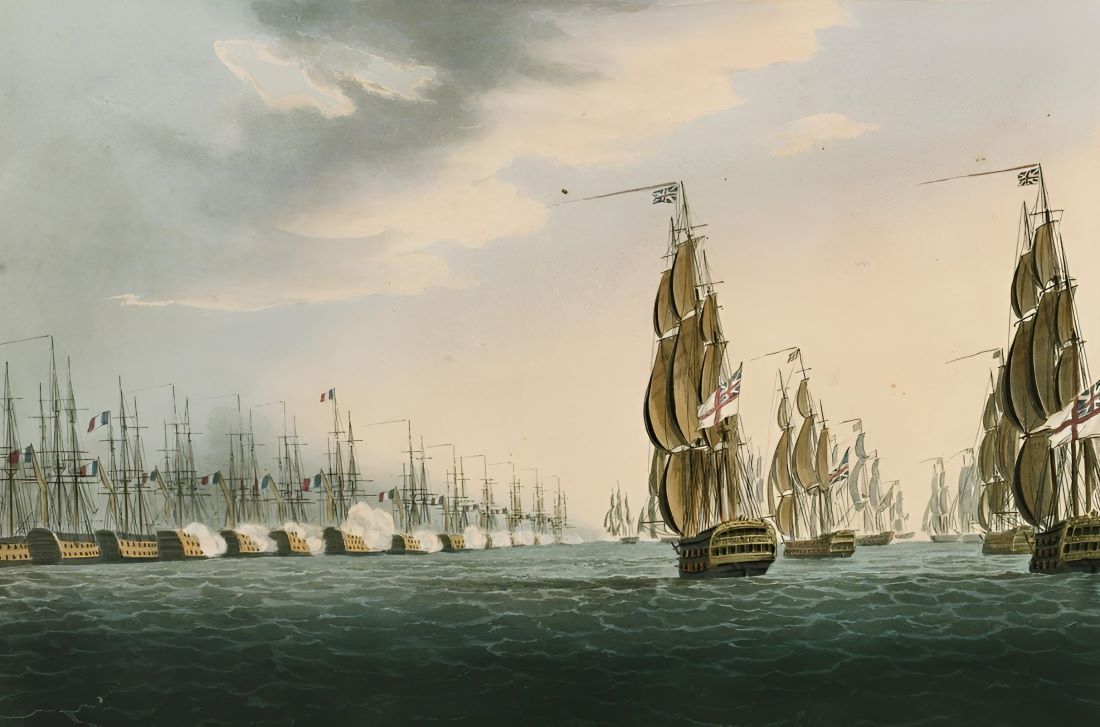
Dupetit-Thouars, fully known as Aristide Aubert Du Petit-Thouars, is a figure often celebrated for his heroic stature during the French Revolution. A time rife with upheaval and transformative ideas, the French Revolution is renowned for the myriad of heroes it brought to the fore, each playing a pivotal role in the fight for liberty, the dismantling of feudalism, and the pursuit of egalitarian principles. As we leaf through the pages of this tumultuous period in history, it becomes evident that figures like Dupetit-Thouars not only embodied the revolutionary spirit but also left an indelible mark through their acts of valor and sacrifice. His story is a testament to the bravery and resilience that defined this era, making him an enduring symbol of the revolutionary zeal that reshaped France.
Dupetit-Thouars: A Prelude to Heroism
The Battle of the Nile, also known as the Battle of Aboukir Bay, was a pivotal naval engagement during the French Revolutionary Wars, where the British Royal Navy, under Admiral Horatio Nelson, decisively defeated the French fleet in Egypt. This battle was crucial as it aimed to disrupt Napoleon’s ambitions in the East and was marked by strategic brilliance and fierce combat.
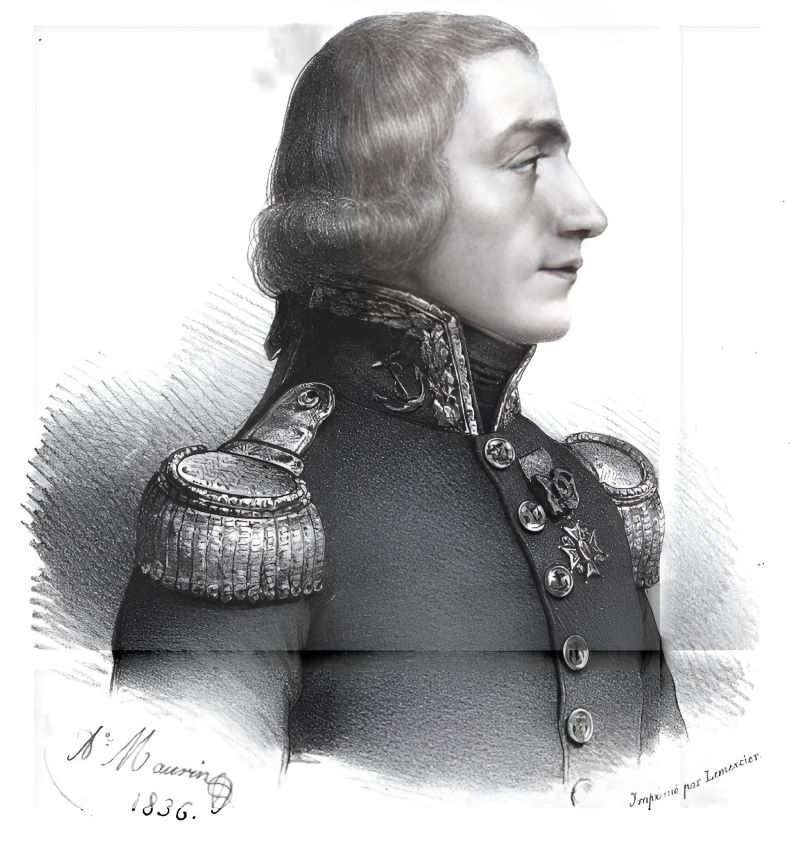
Dupetit-Thouars, or Aristide Aubert du Petit Thouars (31 August 1760 – 2 August 1798), is a celebrated figure in French naval history, particularly noted for his role in the Battle of the Nile. Born into a family with a rich naval tradition, he quickly rose through the ranks due to his exceptional skills and leadership. His career was distinguished by several notable assignments, including participation in the American Revolutionary War. This experience significantly shaped his naval command abilities, preparing him for his pivotal role in the Battle of the Nile. His leadership up to the moment of this historic battle exemplifies his dedication and bravery in service of France.
The Battle of the Nile and the Death of Dupetit-Thouar
The Battle of the Nile, fought in 1798, marked a significant victory for the British fleet over the French, resulting in the loss of 13 French ships. This naval battle was not only a strategic triumph for the British but also a scene of immense human tragedy and bravery.
Dupetit-Thouars, commanding the ship “Le Tonnant,” exhibited extraordinary heroism during the battle. Despite being severely wounded, he continued to issue commands to his crew. His ship, heavily damaged and on the verge of sinking, remained engaged in the fierce combat. In a devastating turn, Dupetit-Thouars suffered further grievous injuries, losing an arm and two legs to a cannonball. Undeterred, he ordered himself to be propped up on a barrel to continue leading his men, urging them to fight on. His final command was a testament to his indomitable spirit, insisting that the flag be nailed to the mast and the ship not surrender.
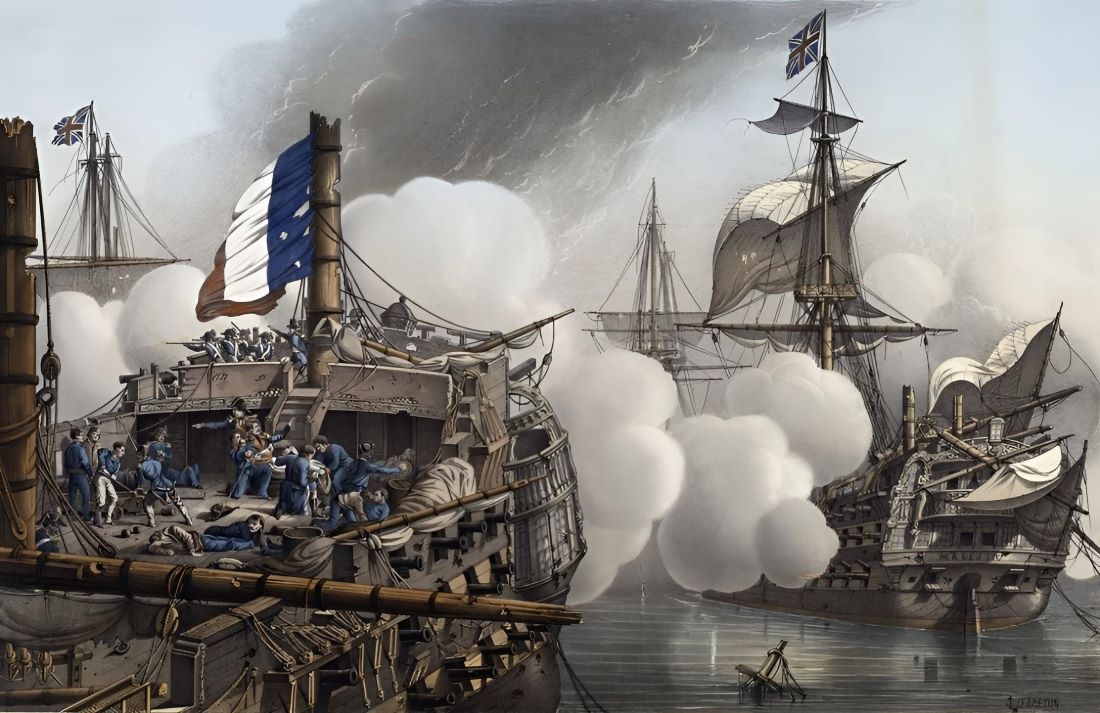
The unyielding courage and resilience exhibited by Dupetit-Thouars in the face of grave injuries speak volumes about his character. His insistence on fighting to the very end, even when physically incapacitated, demonstrates a profound sense of duty and an unwavering commitment to his nation and crew. These acts of valor not only immortalized Dupetit-Thouars as a hero of the French Navy but also served as a timeless example of extraordinary leadership and sacrifice in the face of overwhelming adversity.
Currently Reading


Historical Challenge: Can You Conquer the Past?
Answer more than 18 questions correctly, and you will win a copy of History Chronicles Magazine Vol 1! Take our interactive history quiz now and put your knowledge to the test!