
 By istorija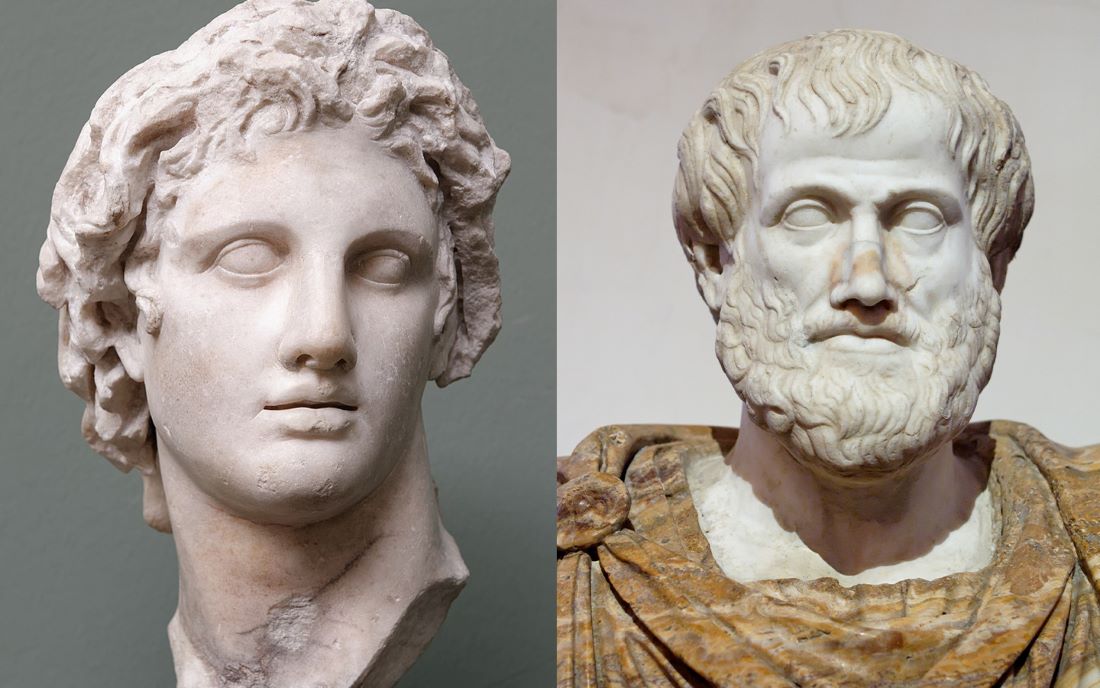
In the annals of history, few partnerships have been as influential as that of Alexander the Great, the young Macedonian prince, and Aristotle, the towering philosopher of ancient Greece. Their association was no mere accident, but a calculated move by King Philip II, Alexander’s father.
Philip II of Macedon, a shrewd strategist and diplomat, was acutely aware of the importance of education in shaping the minds of future leaders. Desiring the best for his son and heir, he sought out the most eminent scholar of his time, Aristotle, to mentor young Alexander. This decision was not solely based on the quest for knowledge. Philip was also concerned about the strong influence that Queen Olympias, Alexander’s mother, exerted over their son. He believed that by bringing Aristotle into Alexander’s life, he could counterbalance Olympias’ influence and ensure a more rounded education for the prince.
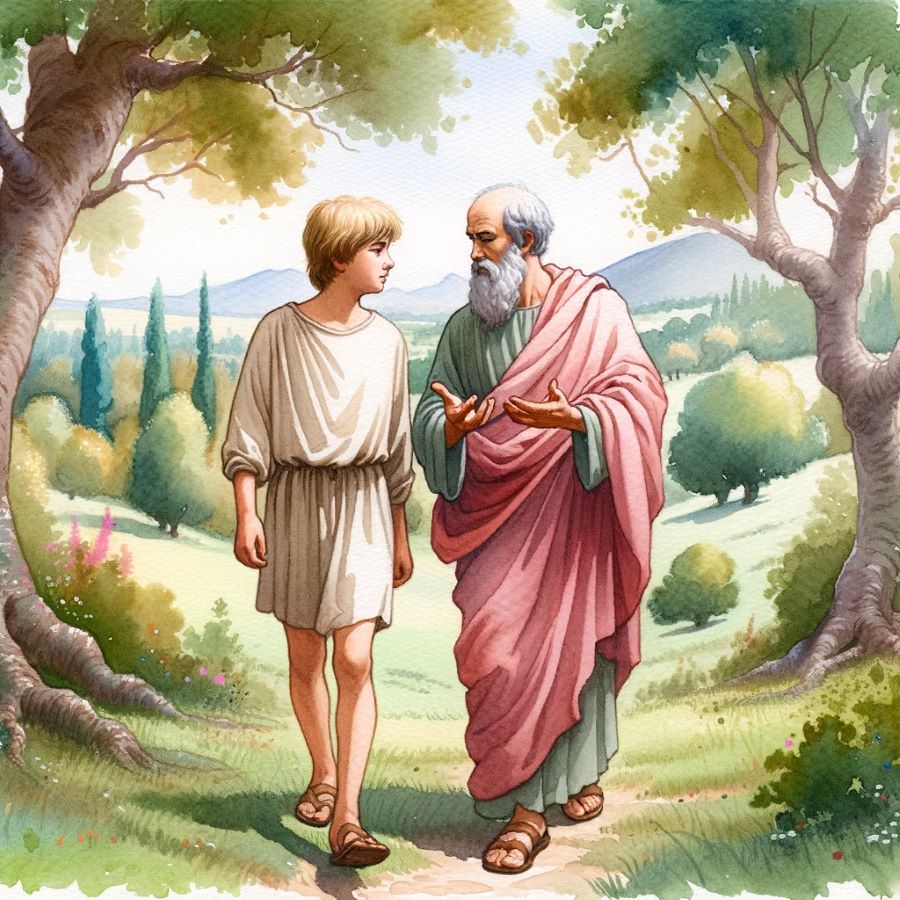
Aristotle, a student of Plato and a thinker of unparalleled intellect, was more than just a tutor to Alexander; he was a guiding force. Under his tutelage, Alexander was introduced to a wide array of subjects, from philosophy and ethics to science and arts. But more than academic knowledge, Aristotle imparted crucial lessons on leadership, governance, and the complexities of human nature.
It’s believed that Aristotle’s teachings profoundly influenced Alexander’s worldview. The philosopher emphasized the importance of reason, logic, and moderation. These lessons played a pivotal role in shaping Alexander’s strategies as he embarked on his ambitious campaigns to conquer vast territories. The blend of Macedonian military prowess with Greek intellectualism made Alexander not just a conqueror, but also a propagator of Hellenistic culture.
However, the influence was not one-sided. Aristotle, in his proximity to the Macedonian court, gained insights into the workings of politics and power. This experience enriched his philosophical treatises, adding depth and practicality to his theoretical musings.
Yet, as Alexander’s empire expanded, there were moments when he deviated from Aristotelian ideals, perhaps influenced by the diverse cultures he encountered or the absolute power he wielded. Some historians speculate that the two might have had disagreements, especially concerning Alexander’s deification in some regions, a concept alien to Greek thought.
In conclusion, the relationship between Alexander and Aristotle remains one of the most fascinating intersections of military ambition and philosophical thought. King Philip II’s decision to appoint Aristotle as Alexander’s tutor not only shaped the trajectory of his son’s life but also left an indelible mark on the tapestry of world history. Through their unique bond, two of history’s greatest figures learned, evolved, and, in turn, changed the course of civilizations.
Currently Reading

Historical Challenge: Can You Conquer the Past?
Answer more than 18 questions correctly, and you will win a copy of History Chronicles Magazine Vol 1! Take our interactive history quiz now and put your knowledge to the test!