
 By istorija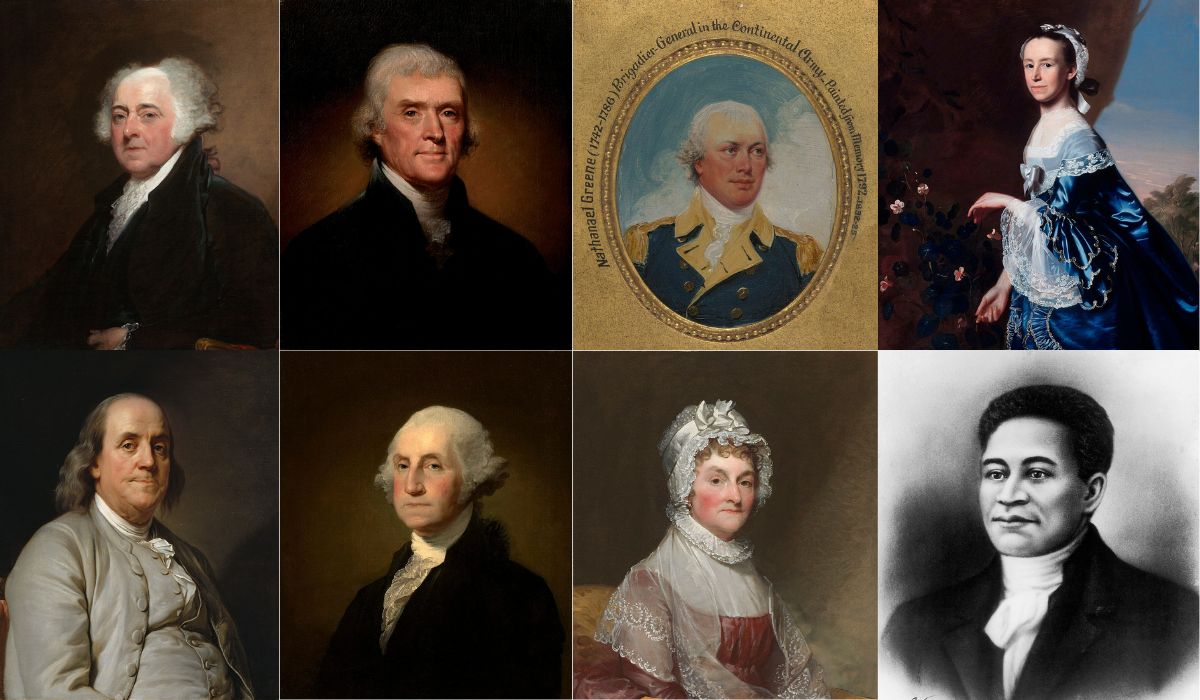
For centuries, popular history has painted the Patriots of the American Revolution in broad, heroic strokes. We visualize them as a unified body of idealistic farmers, eloquent statesmen, and brave soldiers rising up against British tyranny to forge a new world. The term “Patriot” itself was not an official military or civic title, but rather a political label adopted by supporters of colonial resistance to British imperial rule.
Yet, beneath the glossy veneer of standard textbook history lies a far more fractured, dangerous, and complex reality. In 1776, declaring oneself a “Patriot” was not a proud civic duty—it was an act of high treason punishable by death. Furthermore, the Patriots were not a monolithic social class, nor can they be defined solely by the elite political leaders who signed the documents. The revolutionary movement was a volatile coalition of wealthy merchants, regional artisans, deeply principled philosophers, and thousands of ordinary, often overlooked individuals who risked everything for a deeply contested future.
To understand who the Patriots truly were, we must look beyond the legends and examine both the intellectual elite and the diverse social fabric that sustained the rebellion.
The Architects of Independence: Intellectuals and Statesmen
The revolution did not begin on the battlefield; it was forged through political philosophy, intense congressional debate, and international diplomacy.
Thomas Jefferson: The Voice of Revolution and the Central Paradox
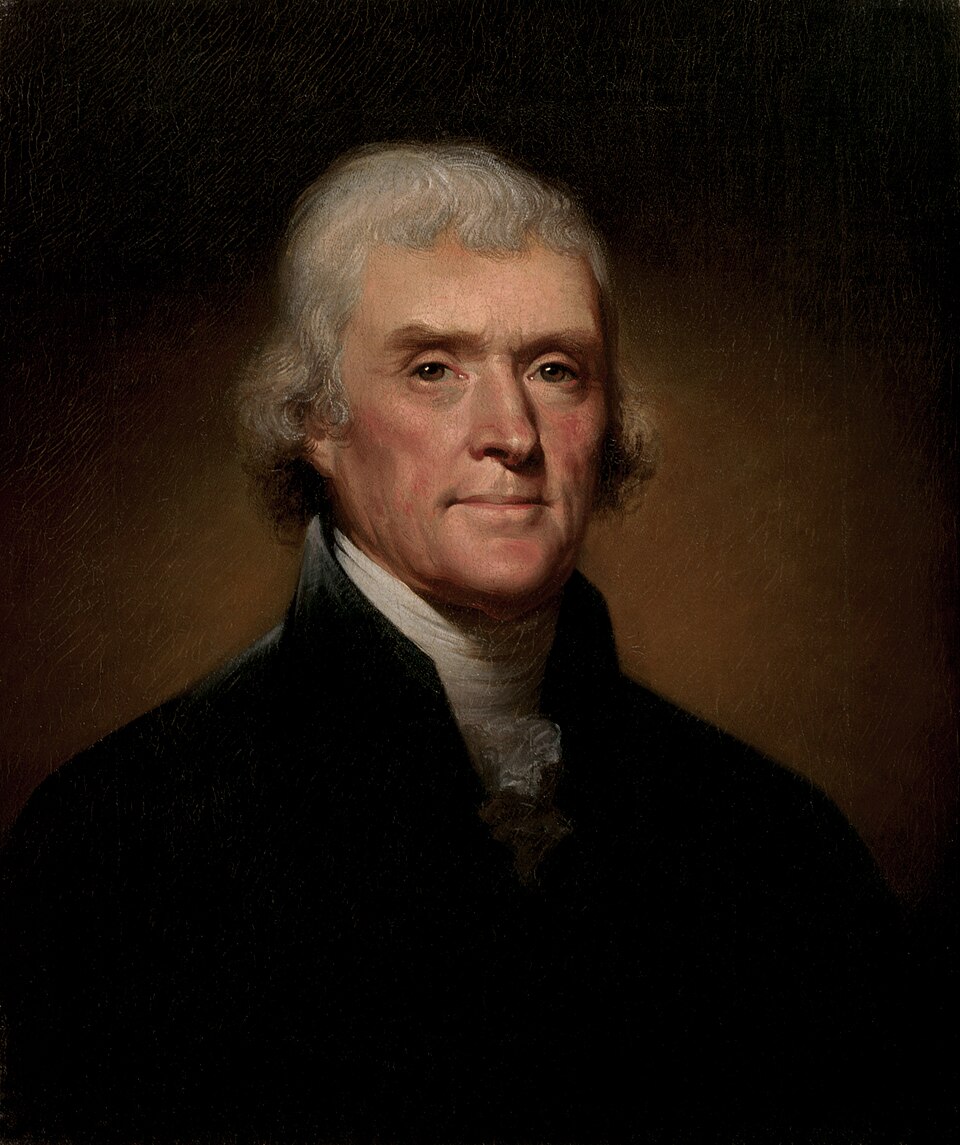
No analysis of the Patriots is complete without Thomas Jefferson. Tasked with drafting the Declaration of Independence in 1776, Jefferson adapted Enlightenment philosophy—particularly the works of John Locke—into a revolutionary political argument, transforming abstract concepts of “natural rights” into a foundational manifesto.
However, Jefferson also embodies a profound historical contradiction. He penned the immortal words that “all men are created equal” while simultaneously holding hundreds of human beings in chattel slavery. This reality underscores the selective nature of early American liberty—a revolutionary ideal that was theoretically universal but practically restrictive.
John Adams: The Engine of Congressional Independence
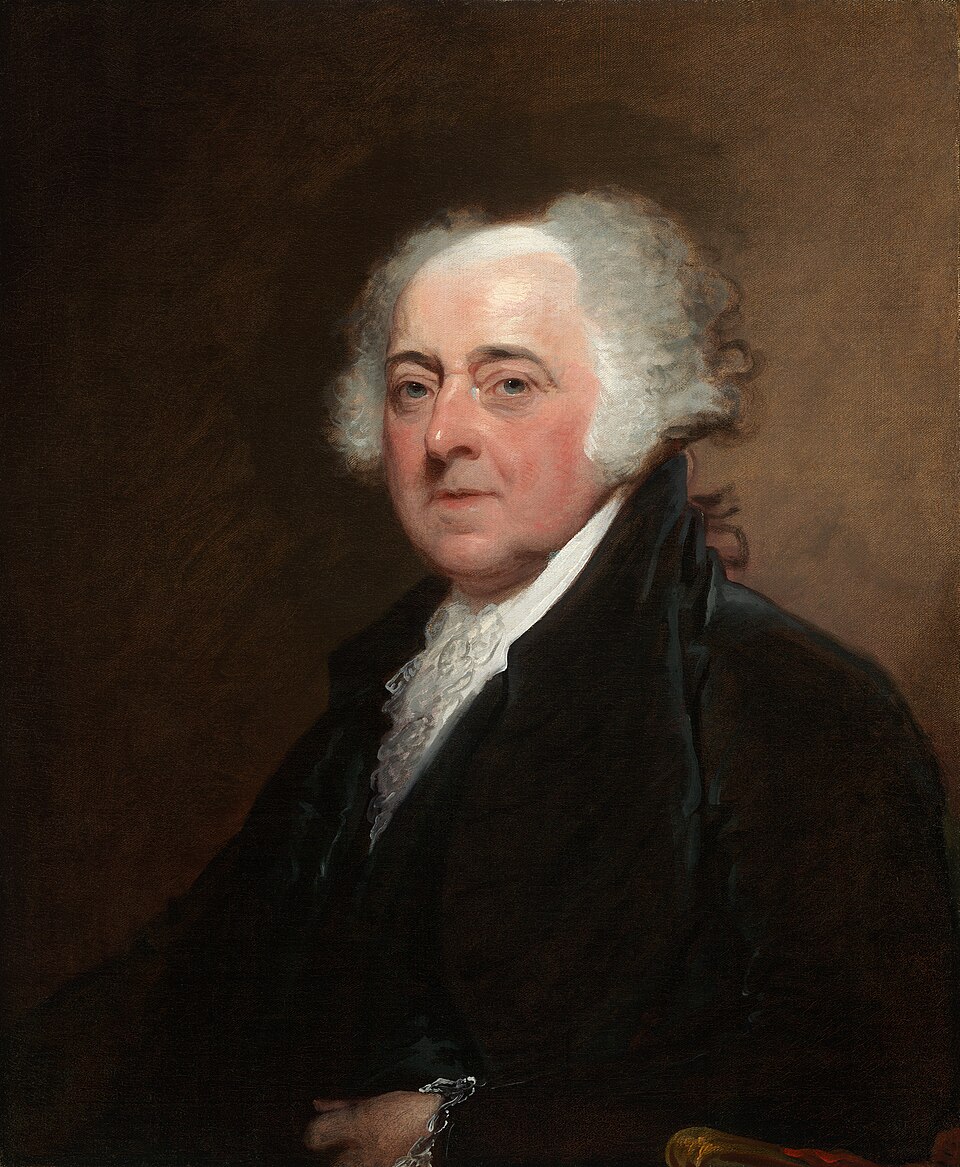
While others gained more popular fame, John Adams was the relentless political driver of the rebellion. A man of deep legal principle, Adams famously defended the British soldiers involved in the Boston Massacre to demonstrate that the colonies respected the rule of law.
Later, in the Continental Congress, it was Adams who consistently championed the cause of separation, persuaded his colleagues to appoint George Washington as Commander-in-Chief, and served on the committee to draft the Declaration. If Jefferson was the pen of the revolution, Adams was its voice on the floor of Congress.
Benjamin Franklin: The Diplomatic Linchpin
Benjamin Franklin’s patriotism was a late-stage evolution. For decades, he was a prominent imperialist who sought to reform the British Empire from within. However, after facing severe public condemnation by British officials in London, his allegiance permanently broke. Franklin understood that the Continental Army could not achieve victory in isolation; by securing a vital military alliance with France, he turned a localized colonial rebellion into a global war that Britain could no longer afford to sustain.
The Sword of the Republic: Military Commanders
A rebellion built entirely on philosophy would have been crushed within months. To survive, the movement required strategic leaders capable of fighting a war of attrition against the world’s foremost imperial power.
George Washington: The Indispensable Unifier
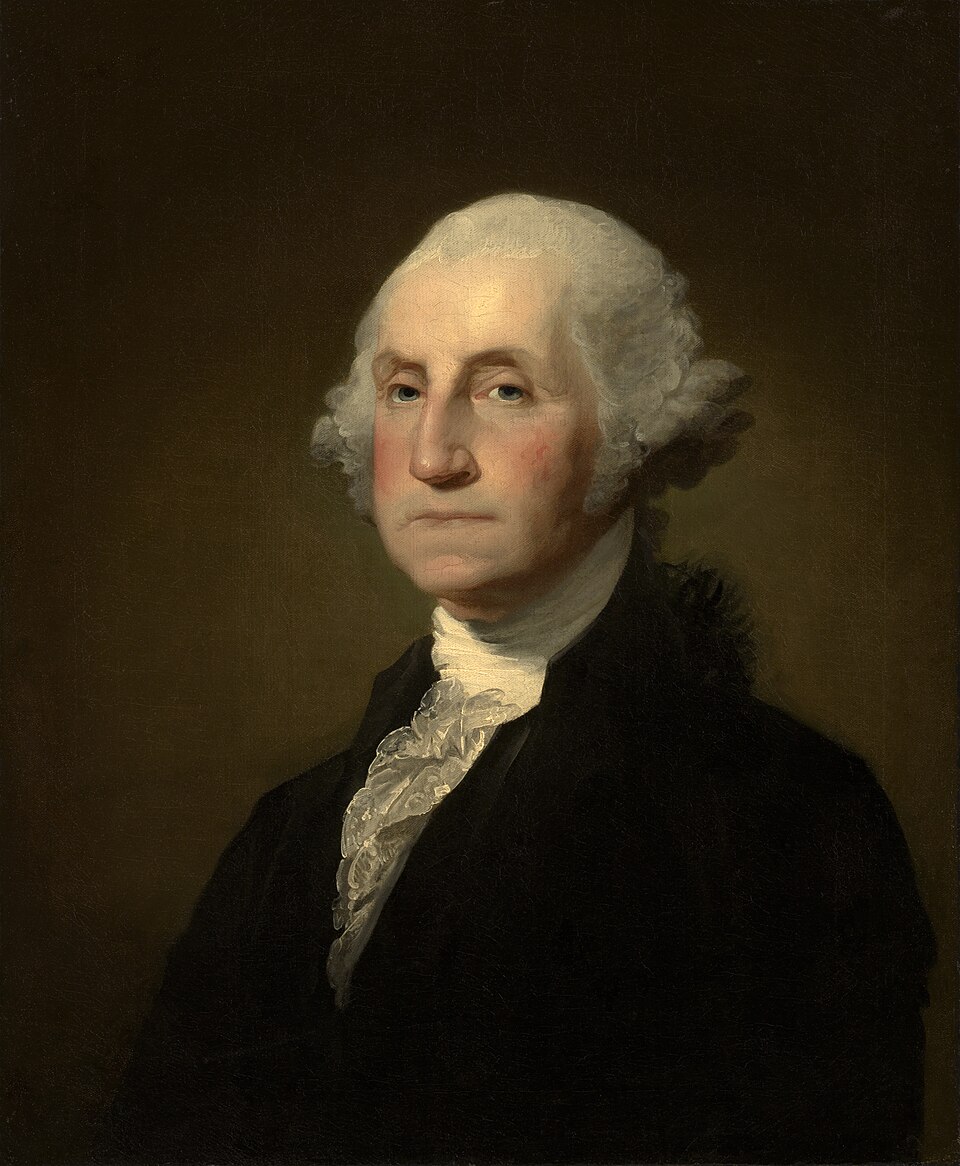
George Washington’s military record, purely in terms of tactical victories and defeats, was far from flawless; he lost more battles than he won. Yet, his strategic genius lay in a profound understanding of defensive warfare and preservation. He realized that the Continental Army did not need to decisively destroy the British military; it merely needed to survive. Washington’s absolute submission to civilian congressional control and his ability to maintain army cohesion through the brutal winter at Valley Forge established the enduring civic model of the American citizen-soldier.
Nathanael Greene: The Strategist of the South
While Washington held the northern theater, General Nathanael Greene saved the revolution in the South. A former Quaker who was expelled from his congregation for his military inclinations, Greene executed a brilliant campaign of mobile, guerrilla-style warfare. By constantly retreating, splitting his forces, and leading British General Cornwallis on an exhausting chase through the Carolina backcountry, Greene systematically broke the British military’s logistical capabilities, setting the direct stage for the final surrender at Yorktown.
The Ordinary Patriots: The Unseen Foundations of Rebellion
To truly answer who the Patriots were, history must look beyond the elite. The revolution was ultimately sustained by hundreds of thousands of ordinary citizens who formed the backbone of the movement.
New England farmers, urban artisans, blacksmiths, and merchant sailors formed the local militias that first resisted British regular forces at Lexington and Concord. For these ordinary individuals, patriotism was intimately tied to local autonomy, economic survival, and resistance to imperial taxation that threatened their daily livelihoods. Without their willingness to leave their fields and shops to face the premier military force of the era, the political rhetoric of Philadelphia would have remained meaningless.
The Forgotten Patriots: Women and African Americans
The revolutionary coalition extended far beyond white, property-owning males. Modern historiography increasingly recognizes the critical contributions of women and racial minorities to the Patriot cause.
Women of the Revolution
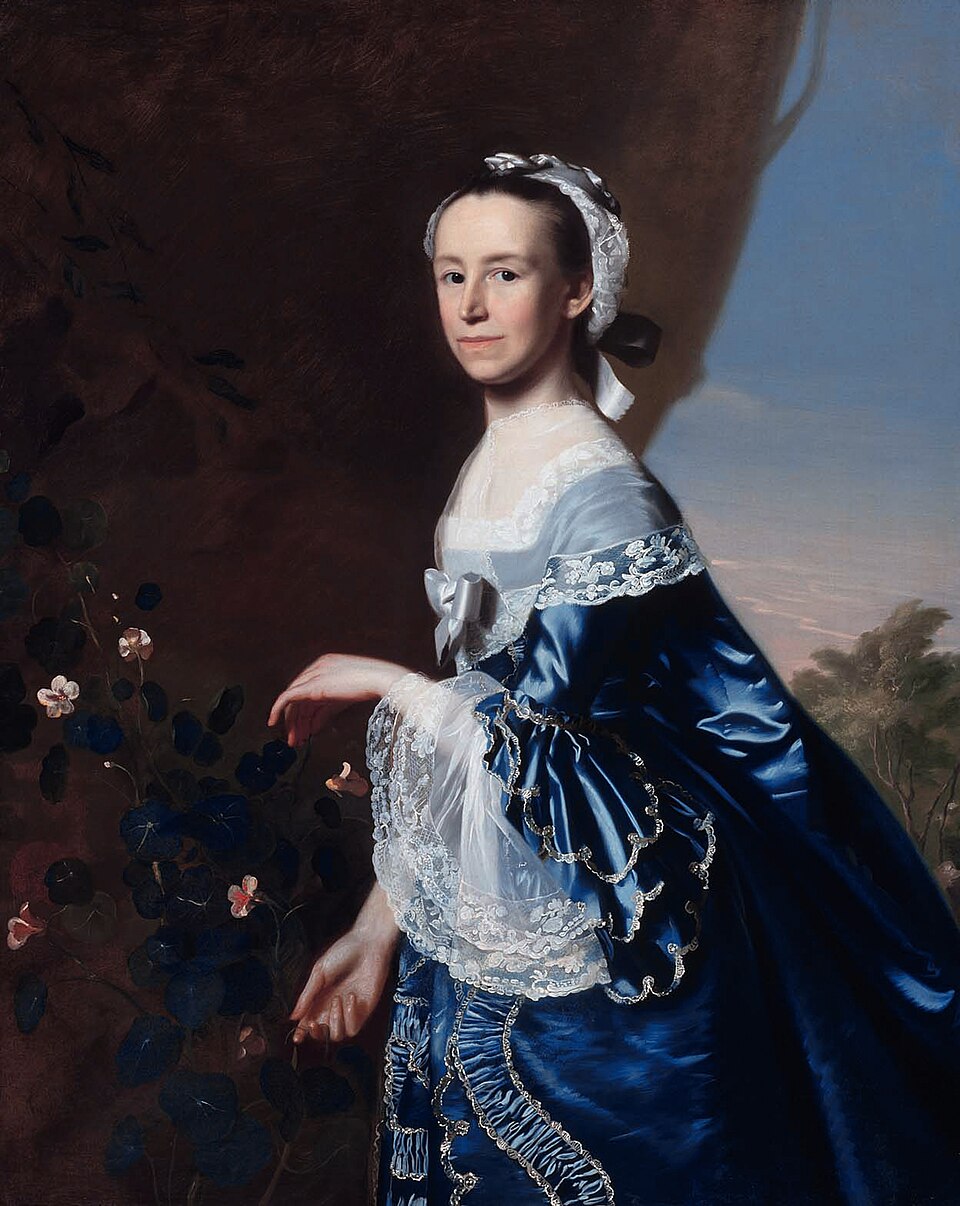
Patriot women played an indispensable role long before the outbreak of open hostilities by organizing and enforcing the boycotts of British goods. Figures like Mercy Otis Warren utilized the written word as a political tool, writing influential plays and satirical essays that challenged royal authority. Meanwhile, Abigail Adams managed the family estate under wartime duress, while intellectually pressuring her husband John to “remember the ladies” in the new legal code. Other unsung women served directly in military camps as nurses, cooks, and occasionally combatants on the front lines.
African American Patriots and the Search for Freedom
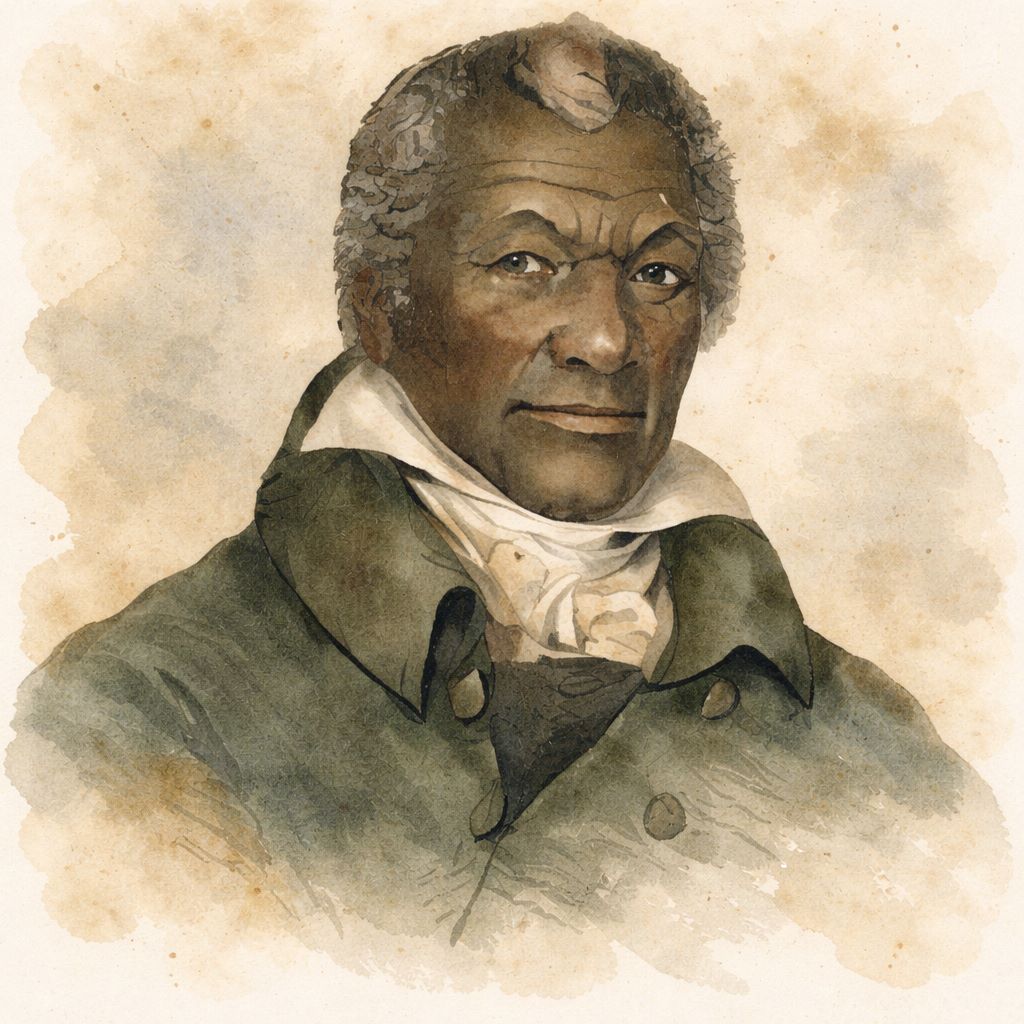
The Revolution forced many African Americans to make difficult choices between Patriot and British forces, both of which offered uncertain paths toward freedom. While Crispus Attucks, a man of African and Native American descent, became an early martyr of the movement during the Boston Massacre, thousands of enslaved and free Black men enlisted in the Continental Army.
Individuals like James Armistead Lafayette served as highly effective double agents, infiltrating British camps and providing critical intelligence. However, thousands of others fled to British lines following promises of emancipation from royal governors, proving that for African Americans, allegiance was dictated by the practical quest for personal freedom rather than colonial loyalty.
Native Americans and the Revolution: The Conflict of Territory
The definition of a Patriot becomes even more complex when viewed through the lens of indigenous history. For Native American nations, the conflict between the colonists and the Crown was a major geopolitical crisis.
The vast majority of Native tribes did not identify as Patriots; instead, many chose to support the British or remain neutral. The British Crown had previously attempted to limit colonial expansion past the Appalachian Mountains with the Proclamation of 1763. Consequently, indigenous nations recognized that the land-hungry American Patriots represented a direct threat to their sovereign territories.
However, the native response was not entirely uniform. While the majority of the Iroquois Confederacy aligned with the British, some nations, such as the Oneida and Tuscarora, supported the Patriots, causing deep internal fractures within ancient tribal alliances. Ultimately, for most Native American nations, the Patriot victory represented not liberation, but the beginning of intensified westward expansion and catastrophic territorial loss.
Patriots vs. Loyalists: What Was the Difference?
To fully understand the Patriot identity, it must be contrasted with its direct opposition. The American Revolution was, at its core, a deeply bitter civil war. Historians estimate that the colonial population was roughly divided into thirds: one-third Patriots, one-third Loyalists, and one-third remaining neutral or indifferent.
| Feature | The Patriots | The Loyalists |
|---|---|---|
| Primary Allegiance | The Continental Congress / Colonial Assemblies | The British Crown / King George III |
| Core Philosophy | Enlightenment principles of self-governance and direct representation | Belief that the British constitutional system offered the best protection of liberty and legal safety over revolutionary anarchy |
| Socioeconomic Base | Low-to-middle class farmers, urban artisans, select wealthy merchants | Royal officials, Anglican clergy, wealthy landowners with deep imperial trade ties |
| Geographic Strength | Heavily concentrated in New England and Virginia | Strong presence in New York, Pennsylvania, and parts of the backcountries of the South |
While Patriots viewed British taxation as an illegal assault on their rights as Englishmen, Loyalists viewed the rebellion as an unprincipled, treasonous conspiracy led by self-serving colonial elites. This profound division resulted in localized violence, neighbor turning against neighbor, and the eventual exile of tens of thousands of Loyalists after the war.
Benedict Arnold and the Fragility of Revolutionary Allegiance
The fluid and precarious nature of the Patriot identity is perhaps best illustrated by its most famous defection. Before his name became synonymous with treason, Benedict Arnold was arguably the most brilliant, aggressive, and effective field commander in the Continental Army. His tactical heroism at the Battle of Saratoga was the primary reason the Patriots secured that pivotal, turning-point victory.
Arnold’s subsequent transition from a passionate Patriot to a British operative highlights the internal instability of the revolution. Rife with intense political factionalism, crippling personal debts, and a Continental Congress that frequently favored political connections over battlefield merit, the revolutionary movement was highly fragile. Arnold’s trajectory is a stark historical reminder that the line between a praised Patriot and a condemned traitor was often remarkably thin.
Conclusion: A Weighted Spectrum of a Fractured Movement
When we look at the historical evidence, we find that the Patriots were not a monolithic council of like-minded saints. They were a diverse, often contradictory coalition of distinct social groups and individuals:
-
The Intellectuals and Diplomats: Figures like Jefferson, Adams, and Franklin, who provided the foundational ideology, legal arguments, and international alliances.
-
The Military Strategists: Leaders like Washington and Greene, who understood the brutal logistics of survival and fought a disciplined war of attrition.
-
The Diverse Masses: The ordinary farmers, women, and African Americans who translated abstract philosophical concepts into practical resistance, alongside the Native populations whose internal divisions highlighted the complex stakes of the conflict.
Ultimately, the Patriots were defined not by their ideological uniformity or moral perfection, but by their shared willingness to risk everything on a highly experimental political gamble—leaving the monumental task of defining, defending, and expanding American liberty to the generations that followed.
Currently Reading
Historical Challenge: Can You Conquer the Past?
Answer more than 18 questions correctly, and you will win a copy of History Chronicles Magazine Vol 1! Take our interactive history quiz now and put your knowledge to the test!