
 By istorija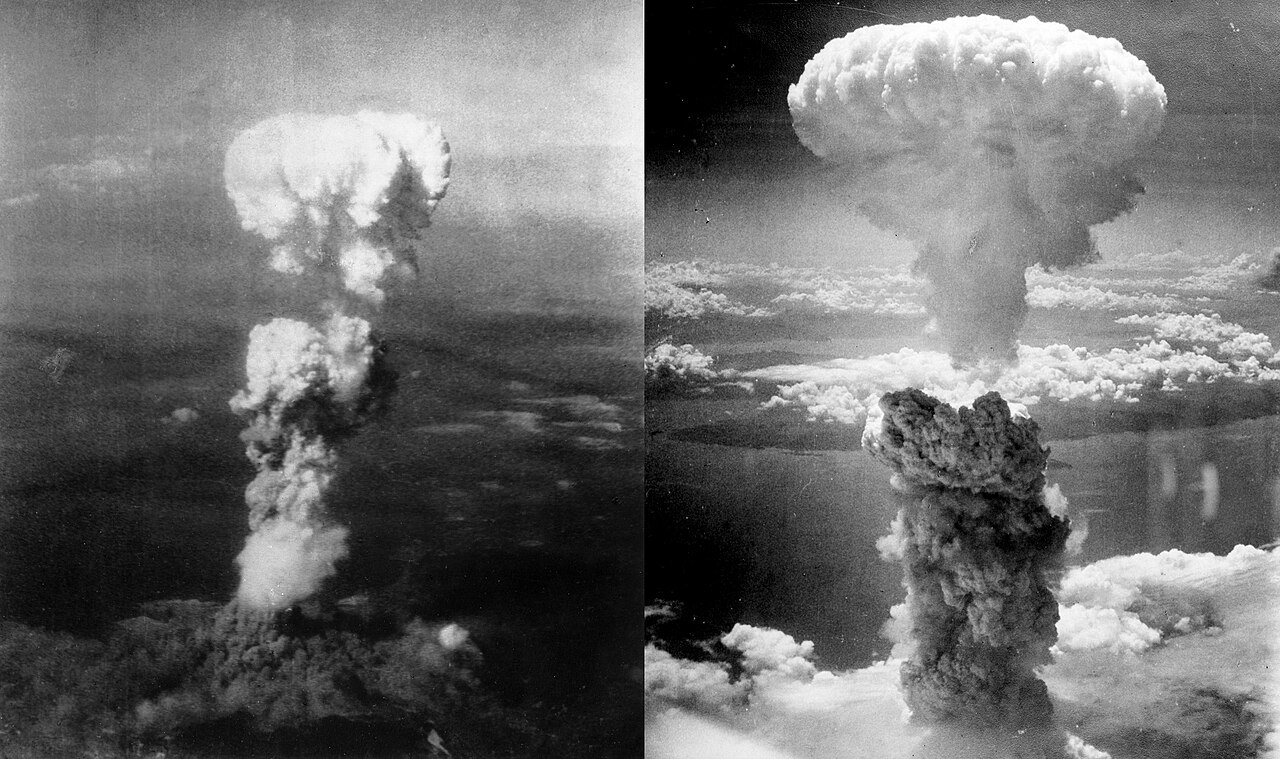
The atomic bombings of Hiroshima (August 6, 1945) and Nagasaki (August 9, 1945) remain among the most controversial and morally complex decisions in modern history. They ended World War II in the Pacific, but at a terrible human cost: approximately 200,000 people died by the end of 1945, with many more suffering from radiation-related illnesses for decades afterward.
The central question — Were they necessary? — has been debated by historians, military leaders, scientists, and ethicists for eighty years. The answer is neither simple nor comfortable.
The Geopolitical and Military Situation in Summer 1945
By mid-1945, Japan was clearly losing the war, but it was not yet ready to surrender unconditionally.
- Japan still controlled large parts of China, Southeast Asia, and many Pacific islands.
- The Imperial Japanese Army was preparing for a decisive homeland defense (Operation Ketsu-Go), planning to use kamikaze tactics, civilian militias, and every available weapon to make an invasion as bloody as possible.
- The Battle of Okinawa (April–June 1945) had shown the horrific cost of invading Japanese territory: over 12,000 American dead and more than 100,000 Japanese military and civilian deaths.
- American military planners estimated that a full invasion of the Japanese home islands (Operation Downfall) would cost between 500,000 and 1 million Allied casualties, plus millions of Japanese deaths.
At the same time, the Manhattan Project had succeeded. The first atomic bomb was tested on July 16, 1945 (Trinity Test). President Harry S. Truman, who had only recently become president after Roosevelt’s death, now faced a terrible choice: use the new weapon or launch a massive invasion.
The Decision-Making Process
Truman and his advisors considered several factors:
- Saving American lives — The primary motivation was to avoid the enormous casualties expected from invading Japan.
- Ending the war quickly — Every additional month of fighting meant more deaths across Asia (including tens of thousands of civilians dying monthly under Japanese occupation in China and elsewhere).
- Geopolitical calculations — The Soviet Union had promised to enter the war against Japan in August 1945. Truman wanted to end the war before the Soviets could occupy significant parts of Japan or gain too much influence in postwar Asia.
- Demonstrating the bomb’s power — Some advisors believed that using the bomb would also serve as a warning to the Soviet Union in the emerging Cold War.
On July 26, 1945, the Allies issued the Potsdam Declaration, demanding Japan’s unconditional surrender. Japan’s government responded with mokusatsu (“kill with silence”), which was interpreted as rejection.
The Bombs and Their Immediate Aftermath
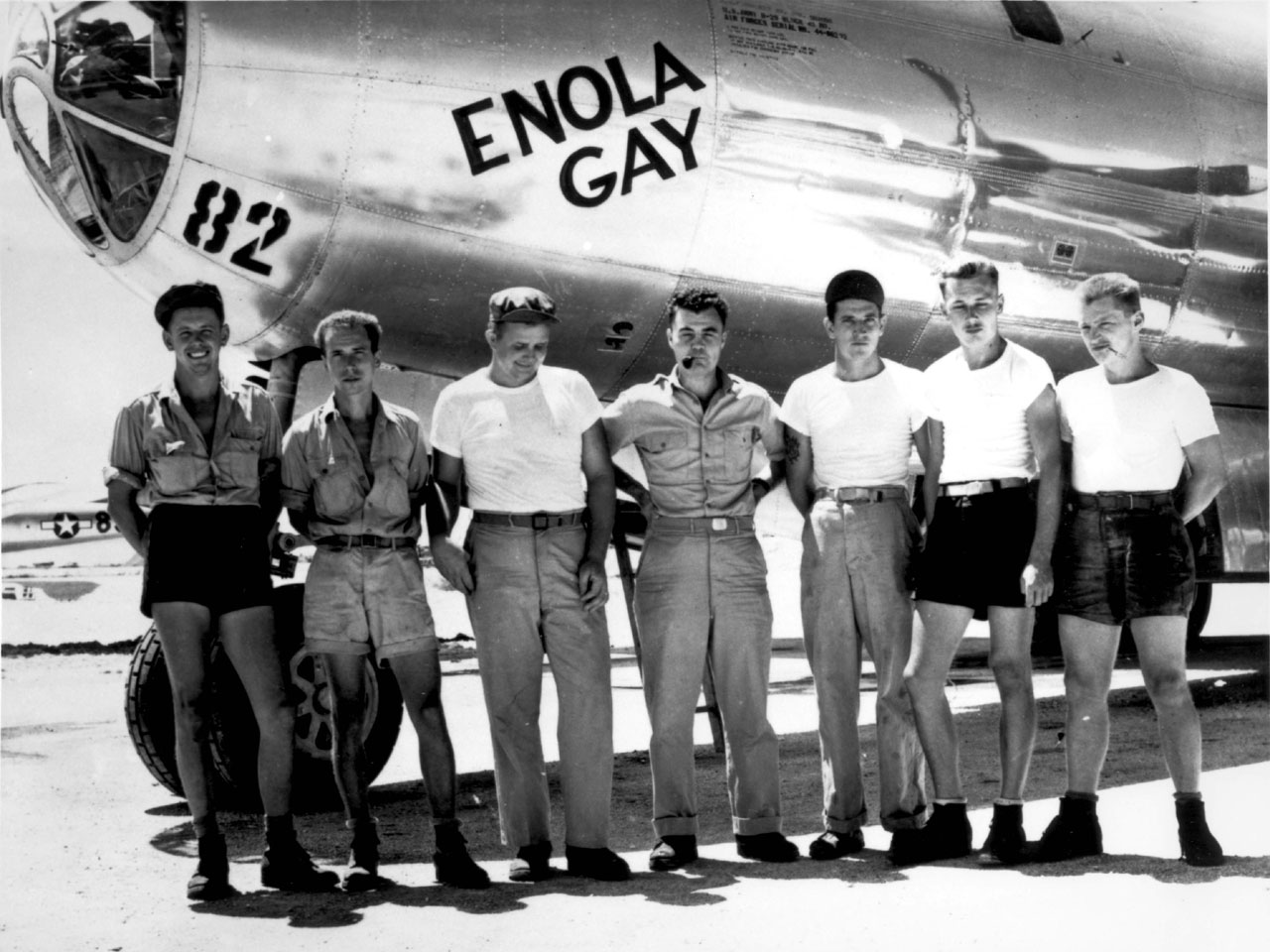
- Hiroshima (August 6): “Little Boy” (uranium bomb) killed approximately 70,000–80,000 people instantly. By the end of 1945, the death toll reached about 140,000.
- Nagasaki (August 9): “Fat Man” (plutonium bomb) killed around 40,000 instantly, with the total reaching about 70,000 by year’s end.
On August 15, Emperor Hirohito announced Japan’s surrender. The formal surrender ceremony took place on September 2 aboard the USS Missouri.
The Debate: Necessary or War Crime?
Arguments in favor of necessity:
- The invasion of Japan would likely have caused far higher casualties on both sides.
- Japan’s leadership showed no serious willingness to surrender unconditionally before the bombs.
- The bombs shocked the Japanese military into accepting defeat, preventing a prolonged and even bloodier end to the war.
Arguments against:
- Japan was already on the verge of collapse due to naval blockade, conventional bombing, and the Soviet invasion of Manchuria on August 8.
- Some historians argue that a demonstration of the bomb’s power on an uninhabited area, combined with a modified surrender offer (allowing the Emperor to remain), might have ended the war without using the weapons on cities.
- The targeting of civilian populations raised profound moral questions that continue to be debated.
What the Latest Research Says (2020–2026)
Recent scholarship, based on newly declassified Japanese and American documents, suggests a more nuanced picture:
- Japan’s leadership was deeply divided. Some factions were willing to negotiate, but hardliners insisted on fighting to the end.
- The Soviet invasion of Manchuria was a major shock and likely played a larger role in the surrender decision than previously acknowledged.
- The atomic bombs accelerated the end of the war, but it is difficult to prove they were the only factor that made surrender possible.
Most serious historians today agree that the bombs shortened the war and saved lives compared to a full invasion, but many also argue that alternatives (modified surrender terms or a demonstration) were not seriously explored.
Final Reflection
The atomic bombings of Hiroshima and Nagasaki were neither purely heroic nor purely criminal. They were a tragic necessity born of a brutal total war that Japan had started with its aggression in Asia. The decision reflected the grim reality that, by 1945, both sides had abandoned many moral constraints.
The bombs ended the war, but they also opened the nuclear age — an age in which humanity gained the power to destroy itself. That shadow still hangs over us today.
The real lesson of 1945 is not a simple judgment on Truman’s decision, but a sobering reminder of what happens when great powers allow conflicts to escalate to the point where such choices become thinkable.
Currently Reading


Historical Challenge: Can You Conquer the Past?
Answer more than 18 questions correctly, and you will win a copy of History Chronicles Magazine Vol 1! Take our interactive history quiz now and put your knowledge to the test!