
 By istorija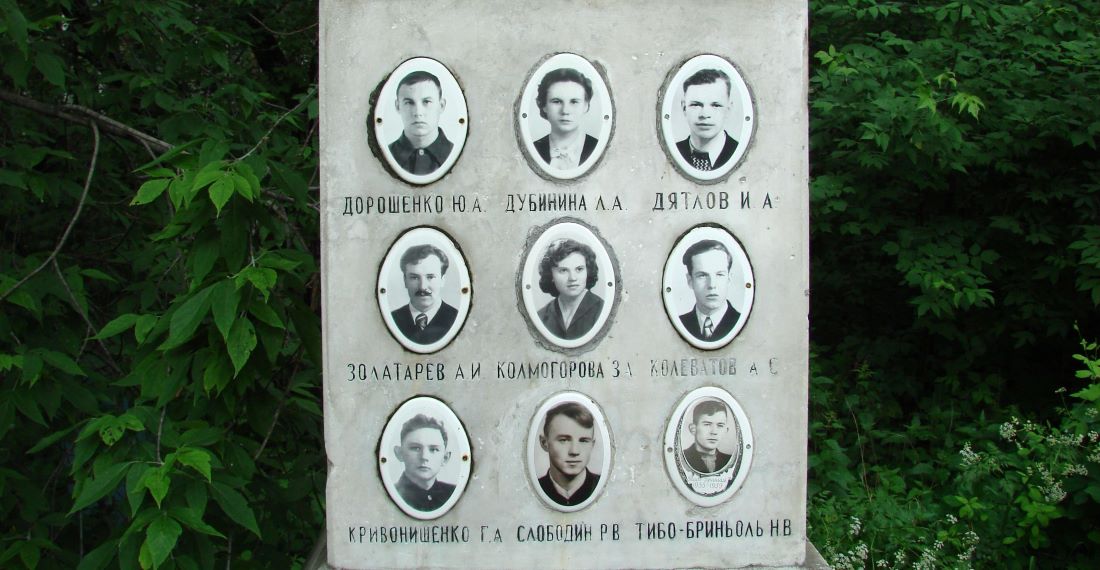
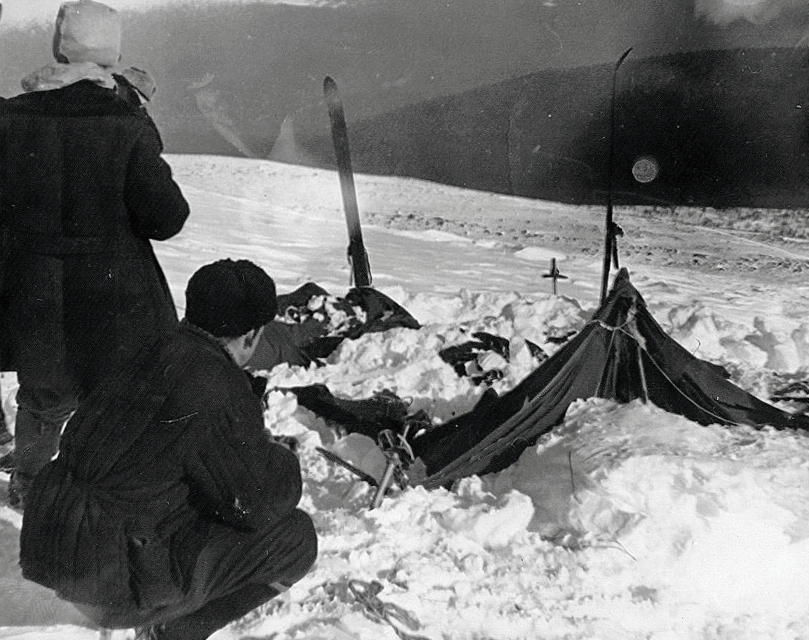
In the early hours of February 2, 1959, nine experienced Soviet hikers led by Igor Dyatlov died under mysterious and terrifying circumstances in the Ural Mountains. Their tent was found slashed open from the inside. The hikers had fled barefoot or in socks into -30°C (-22°F) temperatures. Some were found with severe injuries, crushed skulls, missing tongues, and one with eyes missing, while others appeared to have died from hypothermia. No signs of struggle with outsiders were present.
For over 65 years, the Dyatlov Pass Incident has remained one of the most haunting unsolved mysteries of the 20th century. Russian authorities officially closed the case in 1959, citing “an overwhelming force of nature.” But that explanation never satisfied the public, and new theories continue to emerge.
The Facts of the Case
- The group consisted of 10 hikers (nine died, one left early due to illness).
- They were all experienced mountaineers and students from Ural Polytechnical Institute.
- On the night of February 1–2, they cut their tent open from the inside and fled down the slope in panic.
- Searchers found the bodies over several months. Four died of hypothermia; the others had traumatic injuries inconsistent with a simple fall or avalanche.
- The tent was intact except for the cuts from inside. All belongings, food, and clothing were left behind.
- Radiation was later detected on some clothing (a detail that fueled many theories).
Major Theories Over the Decades
- Avalanche (Official and Most Supported Theory) The Russian government reopened the case in 2019 and officially concluded in 2020 that a slab avalanche was the cause. The hikers cut the tent and fled because they feared being buried. Some injuries were explained by falling into a ravine or being hit by snow. Latest development (2021–2025): Computer simulations and snow physics studies (published in Communications Earth & Environment) strongly support a small, localized slab avalanche triggered by wind and the tent’s placement on a slope. This theory explains the panic, the tent cuts, and the injuries without requiring external attackers.
- Military Involvement / Secret Weapons Test Theories of a missile test, parachute flare, or chemical weapon accident were popular for decades. Some hikers supposedly witnessed something they shouldn’t have. Current status: Largely debunked. No credible evidence of military activity in the area at that exact time has been found in declassified Soviet archives.
- Infrasound / Panic Attack Some scientists propose that wind patterns created powerful infrasound waves that caused extreme panic and disorientation. Status: Interesting but speculative. Infrasound can cause anxiety, but explaining the specific injuries remains difficult.
- Yeti / Paranormal Theories These remain popular in tabloids and documentaries but have zero credible evidence.
- New 2024–2026 Theory: Slab Avalanche + Hypothermia-Induced Paradoxical Undressing The most recent and widely accepted explanation among serious researchers combines:
- A small slab avalanche that partially buried the tent.
- The group’s panicked escape into deep snow.
- Hypothermia causing “paradoxical undressing” (victims removing clothes because they feel hot in the final stages).
- Some injuries caused by falling into a ravine while trying to find shelter.
This theory, supported by Swiss and Russian avalanche experts in 2021–2025 studies, best fits all known physical evidence without introducing unknown elements.
Which Theory Makes the Most Sense?
When all the evidence is considered — from declassified Soviet documents to modern avalanche simulations — the slab avalanche theory currently makes the most sense.
It explains:
- Why the tent was cut from the inside (to escape being buried).
- The lack of external footprints or attacker evidence.
- The distribution of injuries.
- Why some victims were lightly dressed (paradoxical undressing).
The military test and paranormal theories lack hard evidence and require too many assumptions.
Why the Mystery Endures
Even with the best current explanation, some details remain unsettling — the missing tongue (likely due to animals or decomposition), the radiation on clothing (possibly from thorium lantern mantles common at the time), and the sheer terror that made nine experienced hikers flee into a deadly blizzard.
The Dyatlov Pass Incident continues to fascinate because it touches on primal fears: being trapped in the wilderness, facing an invisible threat, and the limits of human endurance.
Final Thoughts
The Dyatlov Pass tragedy was most likely caused by a rare but natural avalanche combined with the brutal Arctic conditions and human error under extreme stress. The hikers were not victims of a government conspiracy, aliens, or a yeti — they were victims of nature’s indifference and the harsh realities of winter mountaineering in 1959.
Yet the mystery’s power lies in its ambiguity. Even the best scientific explanation cannot fully capture the terror those young people must have felt in their final moments.
Currently Reading


Historical Challenge: Can You Conquer the Past?
Answer more than 18 questions correctly, and you will win a copy of History Chronicles Magazine Vol 1! Take our interactive history quiz now and put your knowledge to the test!