
 By istorija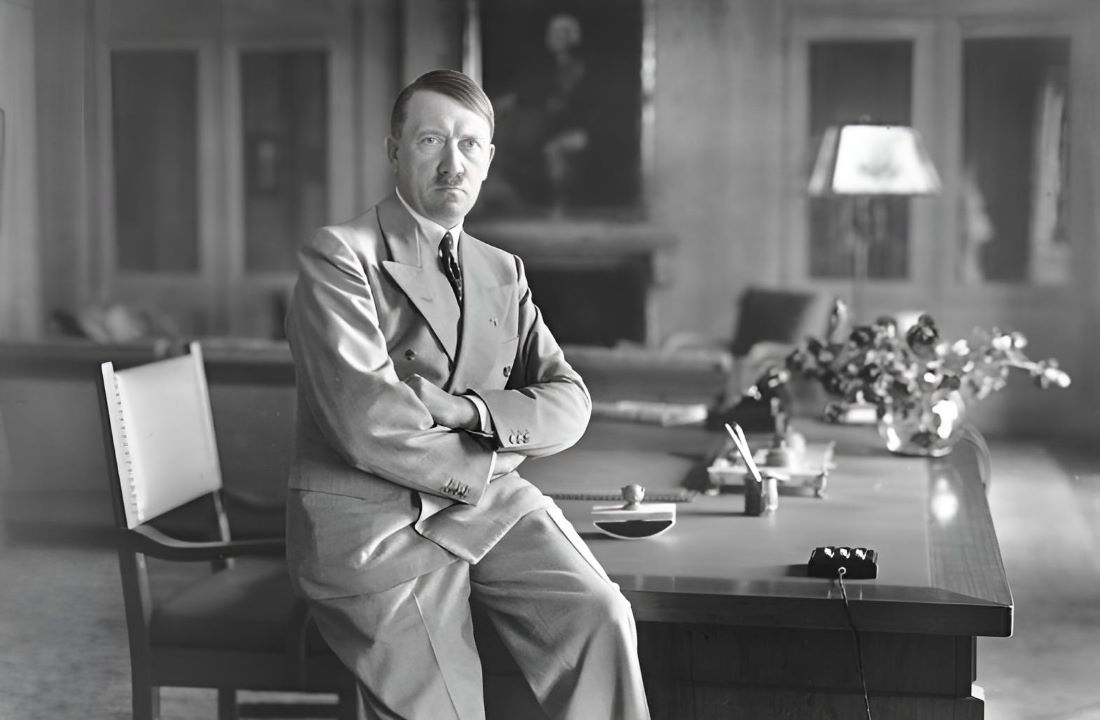
One of the most disturbing facts in modern history is that Adolf Hitler did not seize power through a violent coup or revolution. He was appointed Chancellor of Germany on January 30, 1933, through completely legal and constitutional means. He then used the democratic system itself to destroy democracy and establish a totalitarian dictatorship.
Understanding how Hitler rose to power legally, not through force, but through elections, backroom deals, and exploitation of crisis, remains essential for recognizing how fragile democratic institutions can be when faced with economic despair, political polarization, and charismatic authoritarianism.
The Aftermath of World War I and the Weimar Republic’s Weakness
Germany’s path to Hitler began with the trauma of defeat in 1918. The Treaty of Versailles imposed harsh reparations, territorial losses, military restrictions, and the humiliating “war guilt” clause. Many Germans felt betrayed by their own politicians (the “stab-in-the-back” myth).
The Weimar Republic, established in 1919, was a fragile democracy from the start:
- It faced hyperinflation in 1923.
- Political violence between communists and right-wing paramilitaries was common.
- The Great Depression hit Germany harder than almost any other country. By 1932, unemployment reached 6 million (over 40% of the workforce).
In this environment of economic collapse and national humiliation, extremist parties gained ground on both the left and the right.
Hitler’s Early Rise and the Nazi Party’s Strategy
Adolf Hitler joined the tiny German Workers’ Party in 1919 and quickly transformed it into the National Socialist German Workers’ Party (NSDAP) — the Nazis.
Key elements of his strategy:
- Masterful use of propaganda and oratory.
- Exploitation of resentment against Versailles, Jews, communists, and the Weimar “system.”
- Creation of the SA (Sturmabteilung) — brownshirts who provided street muscle and protection at rallies.
- A deliberate mix of revolutionary rhetoric and promises of order.
The Nazis remained a fringe party until the Depression. In the May 1928 elections, they won only 2.6% of the vote. By July 1932, in the depths of the economic crisis, they became the largest party in the Reichstag with 37.3% of the vote.
The Legal Path to Power (1932–1933)
Hitler never won an absolute majority in free elections. The Nazis peaked at 37.3% in July 1932 and actually lost seats in the November 1932 election (dropping to 33.1%). However, they were still the largest party.
The decisive moment came through traditional conservative elites who believed they could “control” Hitler:
- Conservative politicians, industrialists, and military leaders feared communism more than Nazism.
- They saw Hitler as a useful tool to destroy the left and restore order.
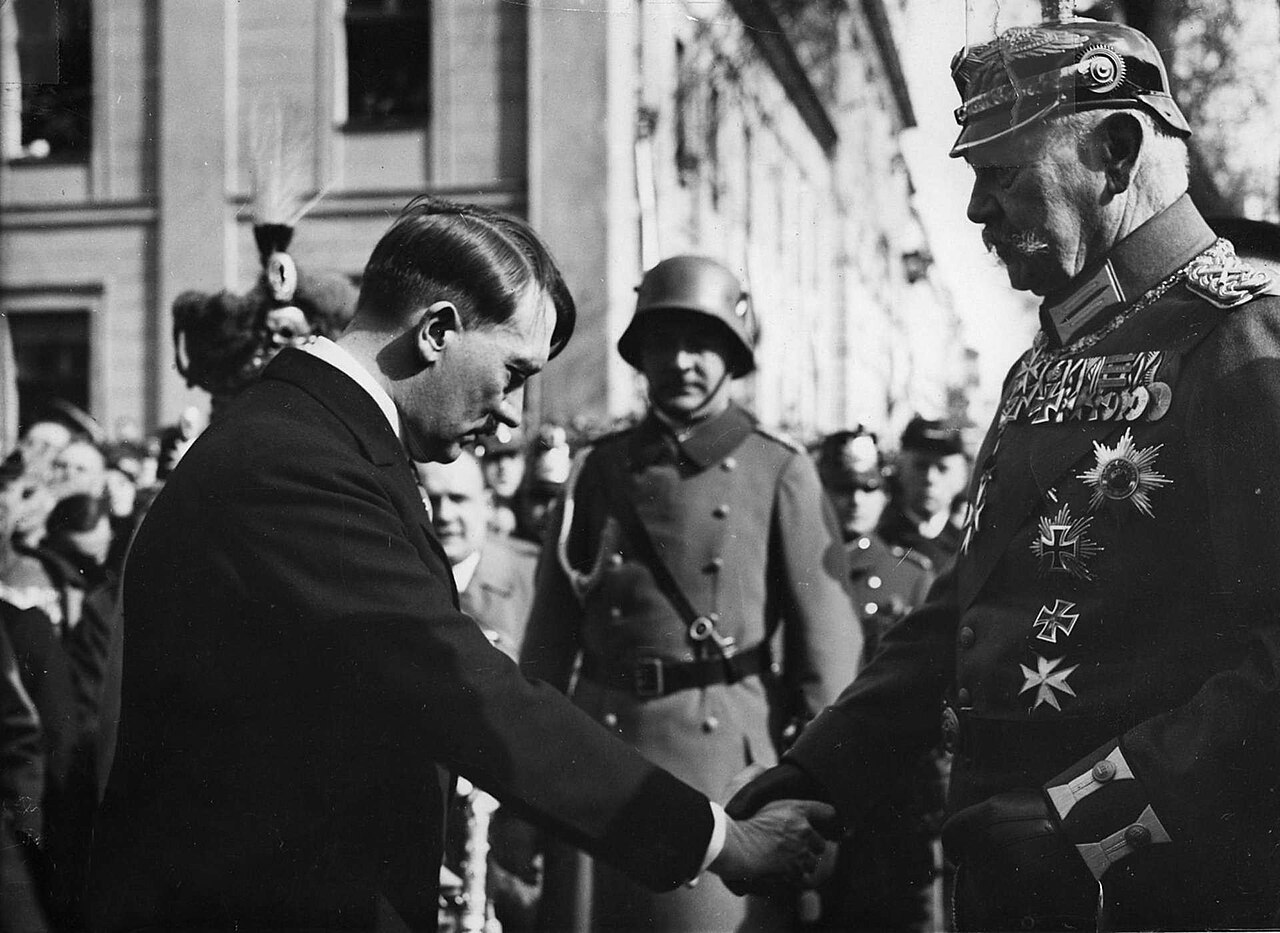
- On January 30, 1933, President Paul von Hindenburg appointed Hitler as Chancellor in a coalition government. At that moment, the Nazis held only 3 out of 11 cabinet positions. The conservatives thought they had contained him.
This was the critical mistake.
From Chancellor to Dictator – The Speed of the Takeover
Once in power, Hitler moved with ruthless efficiency:
- February 27, 1933: The Reichstag Fire (almost certainly set by a lone Dutch communist, but blamed on a communist conspiracy).
- February 28: The Reichstag Fire Decree suspended civil liberties and allowed mass arrests of communists and opponents.
- March 5, 1933: New elections were held under massive intimidation. The Nazis won 43.9% — still short of a majority, but enough with their conservative allies.
- March 23, 1933: The Enabling Act was passed, giving Hitler the power to rule by decree. This effectively ended parliamentary democracy.
Within months, all other political parties were banned, trade unions dissolved, and the Gestapo established. By the summer of 1933, Germany was a one-party dictatorship. Hitler had come to power legally, and then destroyed the legal system that brought him there.
Why Did Germans Support Him?
Hitler’s rise was not inevitable, but several factors made it possible:
- Genuine desperation caused by the Great Depression.
- Widespread belief that the Weimar Republic was weak and corrupt.
- Effective propaganda that promised national revival, economic recovery, and revenge against Versailles.
- Fear of communism (the Nazis positioned themselves as the strongest bulwark against the Soviet threat).
- Underestimation by conservative elites who thought they could use and then discard Hitler.
Final Reflection
Adolf Hitler’s path to absolute power is a chilling case study in how democracy can be dismantled from within using its own institutions. He did not need a coup. He used elections, coalitions, emergency decrees, and parliamentary votes to destroy the Weimar Republic.
The lesson is sobering: charismatic authoritarians do not always come to power through violence. Sometimes they win elections, exploit crises, and then systematically dismantle the democratic safeguards that allowed them to rise.
The story of Hitler’s legal ascent should serve as a permanent warning about the fragility of democratic norms when societies face deep economic pain, political polarization, and leaders who promise to restore greatness by any means necessary.
Historical Challenge: Can You Conquer the Past?
Answer more than 18 questions correctly, and you will win a copy of History Chronicles Magazine Vol 1! Take our interactive history quiz now and put your knowledge to the test!