
 By istorija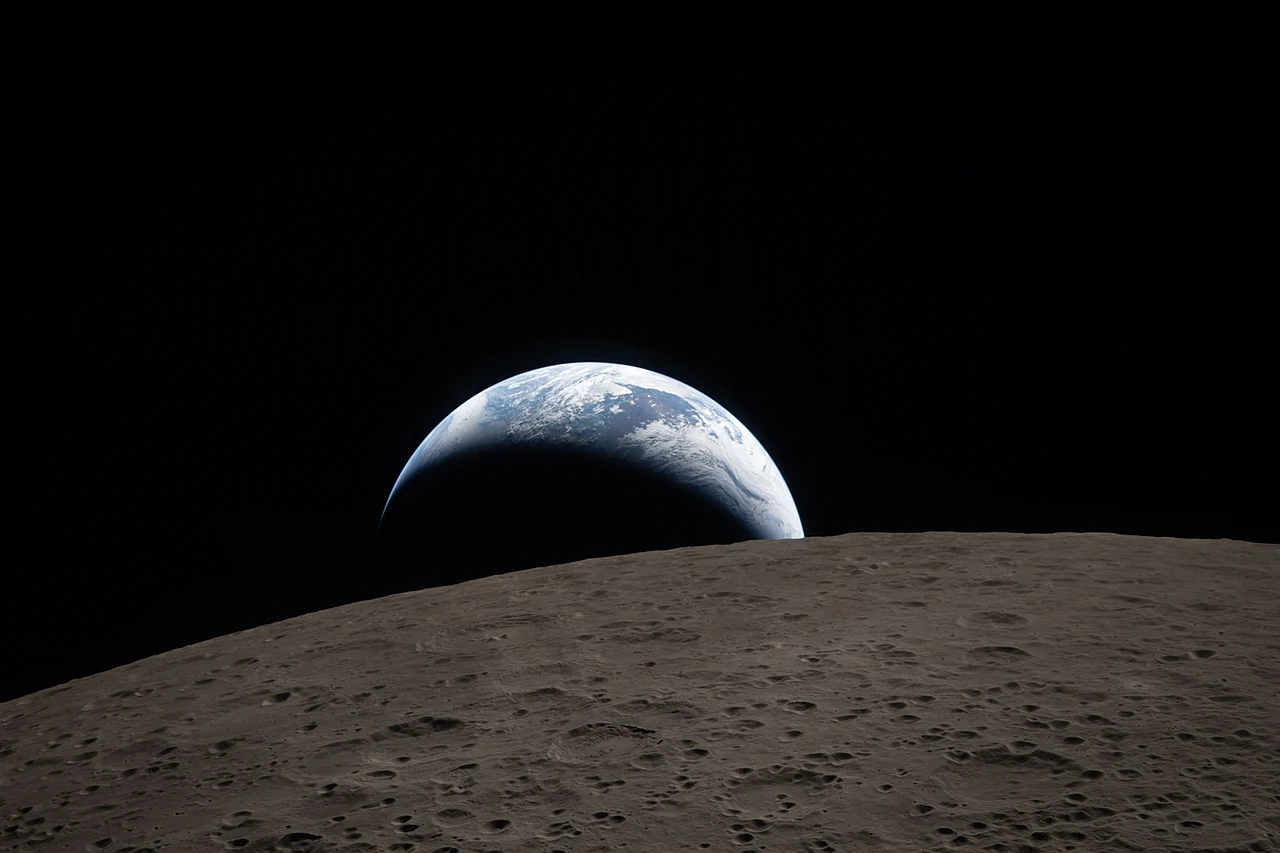
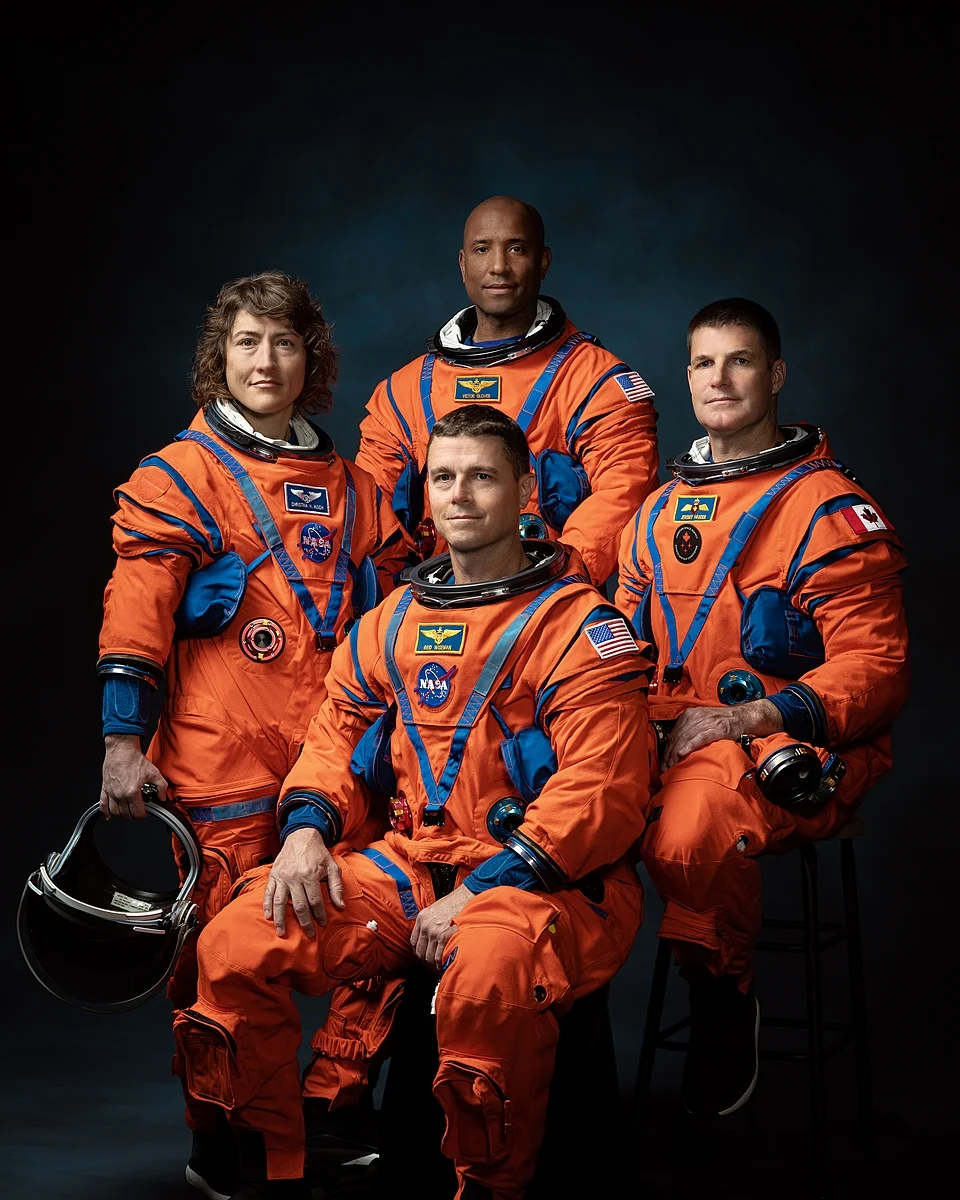
On April 11, 2026 the Artemis II mission returned safely to Earth after completing humanity’s first crewed flight around the Moon since Apollo 17 in 1972. Four astronauts, three Americans and one Canadian, successfully flew beyond low Earth orbit, orbited the Moon, and came home. It was a technical triumph and a powerful demonstration of what international cooperation in space can achieve.
Yet the achievement has been met with surprisingly muted global attention. In an era dominated by wars, political crises, and economic uncertainty, we seem to have lost the ability to pause and recognize moments that represent the best of our species.
The Real Danger of Human Spaceflight
Space exploration has always been one of the most dangerous undertakings in history. Every successful mission stands on the graves of those who came before.
Some of the worst tragedies include:
- Nedelin Catastrophe (1960): During preparations for the first Soviet R-16 ICBM launch at Baikonur Cosmodrome, a massive explosion killed between 78 and 126 people (exact numbers remain classified). It remains one of the worst disasters in space program history.
- Apollo 1 (1967): During a ground test, a cabin fire killed all three American astronauts: Gus Grissom, Ed White, and Roger Chaffee, in just seconds. The tragedy led to major safety redesigns that made later Apollo missions possible.
- Apollo 13 (1970): An oxygen tank explosion forced the crew into a desperate survival situation. Only brilliant improvisation and luck brought them home alive.
- Space Shuttle Challenger (1986): The shuttle disintegrated 73 seconds after launch, killing all seven crew members, including teacher Christa McAuliffe. The disaster exposed serious flaws in NASA’s safety culture.
- Space Shuttle Columbia (2003): The shuttle broke apart during re-entry due to damage sustained at launch, killing all seven astronauts.
These tragedies remind us that every time humans leave Earth, they risk everything. The fact that Artemis II returned safely is not routine, it is exceptional.
Why Missions Like Artemis Matter More Than Ever
In 2026, the world feels more divided and fragile than at any time since the Cold War. Multiple conflicts are either active or simmering. Great power rivalry between the United States and China is intensifying. Trust in institutions is low. Nationalism and tribalism are rising.
In such a moment, crewed deep-space missions like Artemis II serve a purpose that goes far beyond science and technology. They remind us that humanity is capable of working together toward something greater than national or ideological competition. The Artemis program itself is built on international cooperation, with contributions from ESA, JAXA, CSA, and others.
More importantly, these missions keep alive the idea that our long-term survival as a species depends on becoming multiplanetary. As Elon Musk, Stephen Hawking, and many serious thinkers have warned, Earth will eventually face existential threats, whether from climate change, asteroid impacts, pandemics, or self-inflicted conflict. Spreading humanity beyond one planet is not science fiction, it is insurance for our civilization.
Artemis II, and the missions that will follow (Artemis III lunar landing, eventual Mars expeditions), represent the first real steps back toward that multiplanetary future after decades of stagnation following Apollo.
In a world hovering on the edge of major conflict, projects like Artemis remind us that we are capable of being better than our worst impulses. They show that exploration, discovery, and cooperation are still possible even when tensions are high.
Let us hope we have the wisdom to recognize its true importance.
Historical Challenge: Can You Conquer the Past?
Answer more than 18 questions correctly, and you will win a copy of History Chronicles Magazine Vol 1! Take our interactive history quiz now and put your knowledge to the test!